Apple Tea: The Complete Guide to Cozy Fall Apple Cinnamon Cups at Home
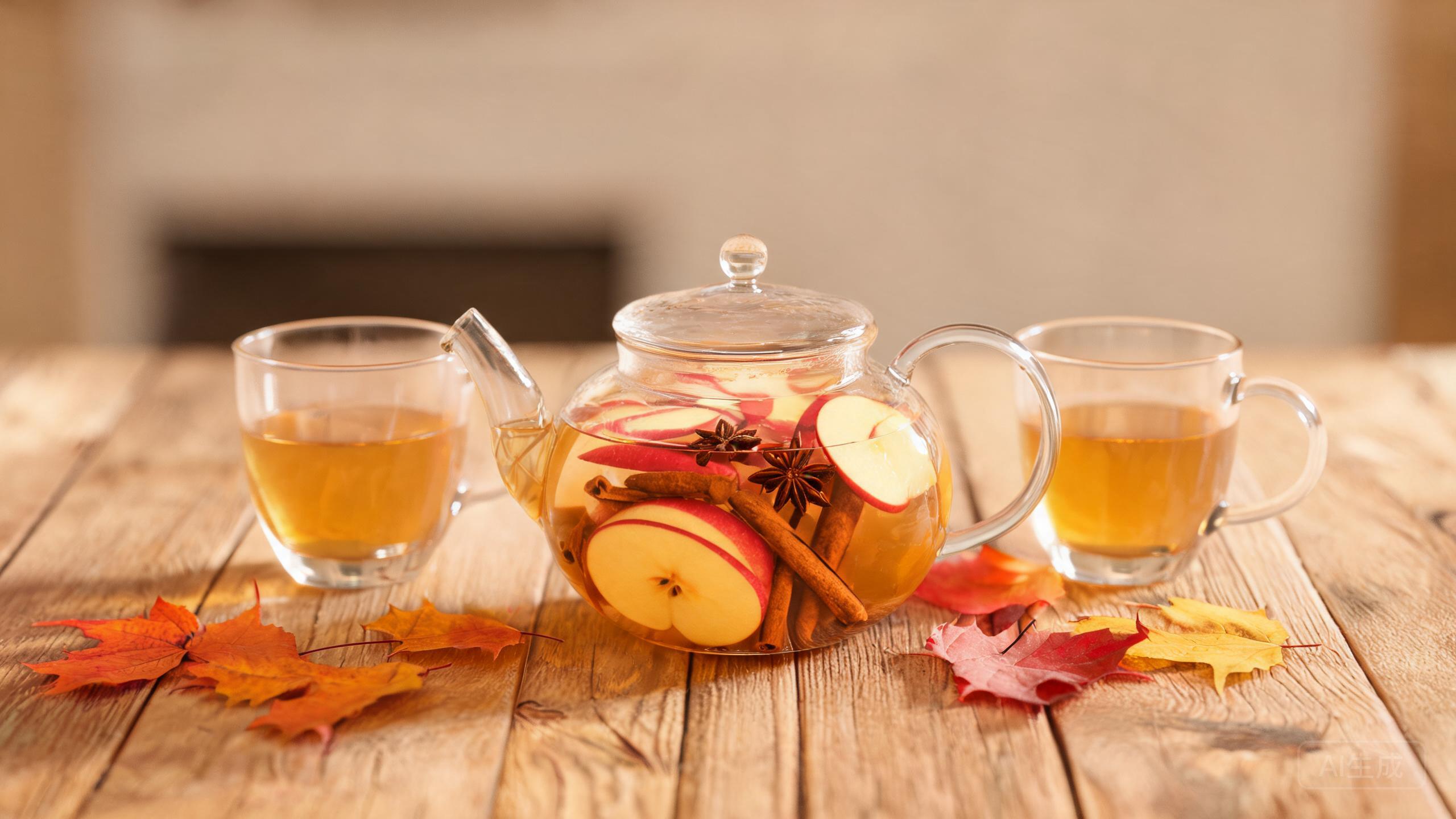
Apple tea is autumn in a cup: warm, gently sweet, and spiced with cinnamon and cloves — a caffeine-free fall ritual that fills the house with the smell of harvest. Every September, as the leaves turn, apple tea searches climb toward their fall peak, and for good reason: it's the easiest seasonal drink you'll brew all year.
This guide covers what apple tea actually is (and how it differs from hot apple cider), fresh versus dried apples, the exact recipe for a perfect apple cinnamon pot, five variations from apple chai to iced apple tea, and the glass teapots that turn a batch into a table centerpiece.
What Is Apple Tea?
Apple tea is a caffeine-free herbal infusion made by steeping apple — fresh slices, dried chips, or even peels — in hot water, almost always with warming spices like cinnamon, cloves, star anise, and ginger. Unlike hot apple cider (which is basically juice, simmered and sweetened), apple tea is a true tea-style brew: lighter, less sweet, more about the spice and the aroma.
- Base: fresh apple slices, dried apple chips, or a blend of both.
- Spices: cinnamon is non-negotiable; cloves, star anise, ginger and nutmeg all work beautifully.
- Sweetener: honey or maple syrup — optional, and often unnecessary with a sweet apple variety.
- Caffeine: zero. Pure apple tea is naturally caffeine-free, so it's an evening-safe fall drink.
Fresh Apple vs Dried Apple Tea
| Fresh Apple Slices | Dried Apple Chips | |
|---|---|---|
| Flavor | Bright, juicy, lighter | Deeper, sweeter, more concentrated |
| Steep time | 10–12 minutes | 8–10 minutes |
| Sweetness | Subtle — may want honey | Naturally sweeter (sugars concentrate when dried) |
| Best for | Fresh, fragrant pots | Big batches, pantry staple |
Both work; they're just different drinks. Fresh apples give a clean, juicy brightness that's perfect for a first pot. Dried apples (sold as "apple chips" in most grocery stores, or made in a dehydrator) brew darker, sweeter, and last months in the pantry — the classic choice for making apple tea a daily habit.
How to Make Apple Tea (The Right Way)
Perfect Apple Cinnamon Tea (4 cups)
- 1 large apple, cored and thinly sliced (Honeycrisp, Fuji, or Gala)
- 1 cinnamon stick (or ½ teaspoon ground cinnamon)
- 3 whole cloves and 1 star anise (optional but recommended)
- A 1-inch piece of fresh ginger, sliced (optional)
- 32 oz (1 L) boiling water
Method: Place the apple slices, cinnamon, cloves and star anise in a glass teapot with infuser (or directly in the pot), pour boiling water over, and steep 10–12 minutes — apples need time to release their flavor. Strain, and drink warm. Sweeten only if you need to: a teaspoon of honey or a splash of maple syrup.
Double-brew trick: after the first pot, the apples and spices still have plenty of flavor — pour a second round of hot water and steep another 10 minutes for a lighter second pot. Free leftover slices to make "tea stock" for the next brew.
5 Easy Apple Tea Variations
- Apple chai: add a black tea bag (or chai blend) for the last 3 minutes of the steep — the spice profile of chai and apple are natural partners, and you get a caffeinated afternoon version.
- Apple cranberry tea: a handful of fresh or dried cranberries with the apples — tart, festive, and beautiful ruby-gold in a glass pot.
- Iced apple tea: double the apples, steep 15 minutes, chill, and serve over ice with a squeeze of lemon — a crisp end-of-summer transition drink.
- Apple ginger tea: fresh ginger slices in the pot — warming, bright, and the classic cold-weather wellness cup.
- Apple-vanilla tea: half a vanilla bean (or ¼ teaspoon vanilla extract) stirred in after steeping — the dessert version of apple tea.
Is Apple Tea Healthy?
Apple tea is one of the healthiest cozy drinks going. It's naturally caffeine-free and sugar-free (unless you add sweetener), so it hydrates like water with a flavor upgrade. The apples contribute a little vitamin C and soluble fiber (more if you eat the steeped slices), and the spices — cinnamon especially — bring their own antioxidant reputation. It's no medicine, but it's a genuinely virtuous fall habit, especially as a replacement for sweetened cider or hot chocolate.
One note: cinnamon is safe in normal food amounts. If you drink very large amounts daily, opt for Ceylon cinnamon sticks rather than cassia, which contains higher levels of coumarin. And as always, talk to your doctor about any big dietary changes.
Why Glass Is the Right Home for Apple Tea
Apple tea is the most visual drink of fall — golden liquor, floating apple slices, a cinnamon stick lounging on the surface. A borosilicate glass teapot shows all of it, and unlike an enamel or metal pot, it holds zero residual spice flavor between batches (cloves and star anise linger stubbornly in other materials). It's also stovetop-safe if you want to simmer a batch gently rather than steep. Serve in double-wall glass mugs and the whole table looks like a harvest café.

40oz Glass Teapot with Infuser
The daily fall pot: about 4 cups of apple cinnamon tea, with the infuser basket holding the apple slices and spices so every pour is clear and leaf-free. The borosilicate glass takes boiling water and shows the golden brew developing.
Buy Now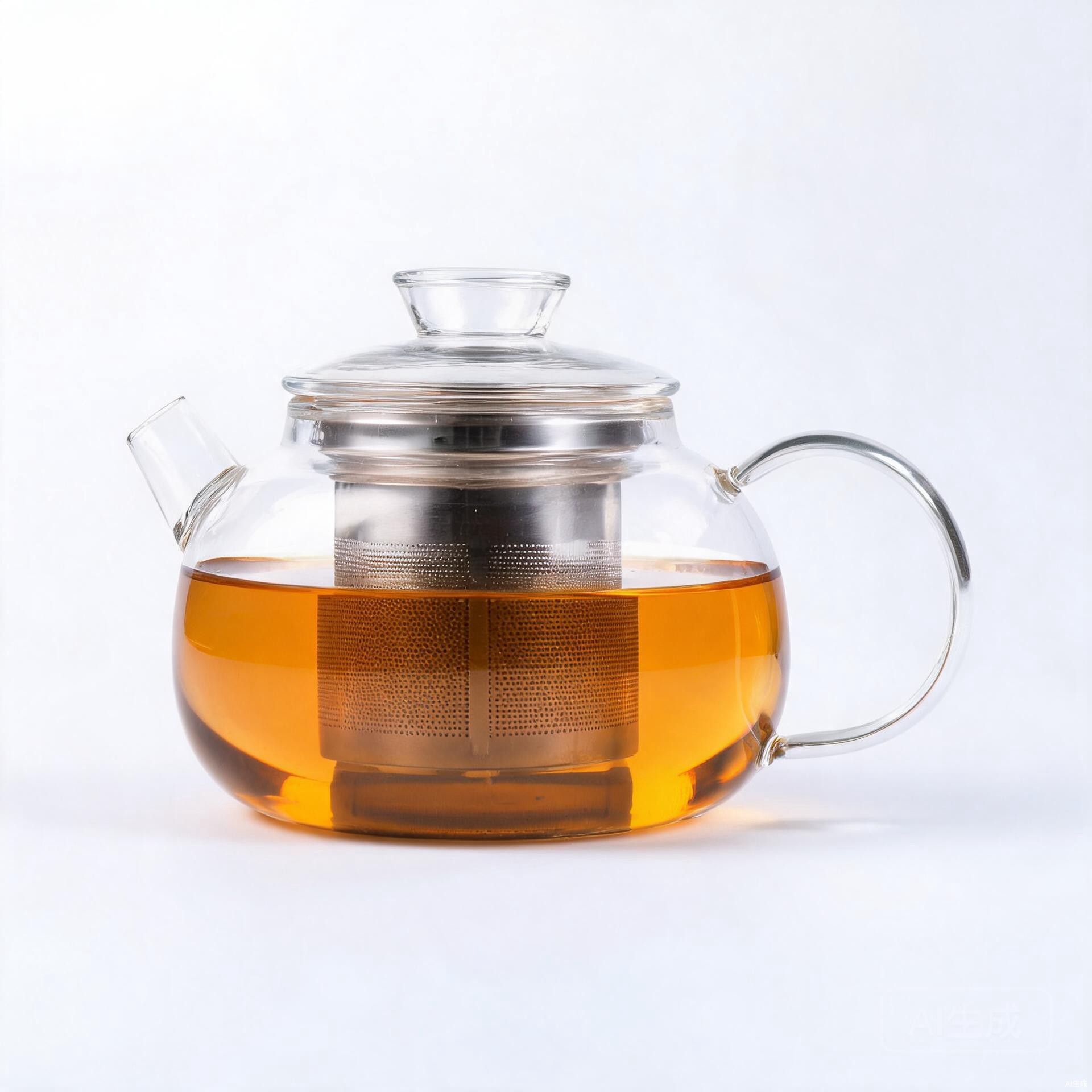
MESNEY 61oz Large Glass Teapot with Infuser
The harvest-size pot: 1.8L of apple tea for the whole table — or a full pitcher of iced apple tea for the last warm afternoons. Same zero-flavor-retention borosilicate glass.
Buy Now
17oz Double Walled Glass Coffee Mug
The double wall keeps a big cup of apple tea warm through a long evening read while the outside stays cool to hold — the perfect fall companion cup.
Buy NowFrequently Asked Questions
How long should I steep apple tea?
10–12 minutes for fresh apple slices, 8–10 minutes for dried chips. Apples need time to release their flavor — shorter steeps taste like faintly fruity water.
Is apple tea caffeine-free?
Pure apple tea is 100% caffeine-free. The only exception is apple chai or any version brewed with black tea leaves, which do contain caffeine.
What's the difference between apple tea and hot apple cider?
Cider is made from apple juice — simmered, sweet, and rich. Apple tea is a lighter infusion of apples and spices in water — less sweet, more aromatic, and usually lower in sugar.
What apples are best for apple tea?
Sweet-crisp varieties like Honeycrisp, Fuji and Gala give the most flavor. Tart apples like Granny Smith make a brighter, more lemony cup that needs a touch of honey.
Can you drink apple tea every day?
Yes — it's caffeine-free, sugar-free, and hydrating, which makes it one of the healthiest daily fall drinks you can choose.
The Bottom Line
Apple tea is the easiest seasonal win in home brewing: slice an apple, add cinnamon and cloves, pour boiling water, and ten minutes later the whole kitchen smells like October. It's caffeine-free, endlessly variable, and costs cents a pot.
Brew it in a MESNEY glass teapot — the infuser keeps the pot clear, the borosilicate glass shows off the golden harvest color, and a double-wall glass mug keeps every cup warm while the leaves fall outside.
As an Amazon Associate, MESNEY earns from qualifying purchases. Prices and availability are subject to change.