Ashwagandha Tea: A Complete Guide to the Calming Herbal Cup

Ashwagandha tea is an earthy, gently bitter herbal infusion made from the root of Withania somnifera — an adaptogenic herb at the centre of Ayurvedic practice for thousands of years, and one of the fastest-growing herbal teas in the United States. It is caffeine-free and traditionally drunk in the evening.
This guide explains what ashwagandha tea is, how it has been used traditionally, what it actually tastes like, how to brew root pieces or powder so the cup is drinkable rather than grim, the golden-milk version most people end up loving, and the safety points that matter for this particular herb.
A note before we start: this article describes a traditional herbal infusion and general information about it. It is not medical advice. Ashwagandha is a herb with real physiological activity. If you are pregnant, nursing, taking medication, or managing a thyroid or autoimmune condition, speak to a qualified healthcare professional before using it.
What Is Ashwagandha Tea?
Ashwagandha — Withania somnifera, also called winter cherry or Indian ginseng — is a small evergreen shrub native to India, the Middle East, and parts of Africa. The tea is made from the dried root, which is sold either as cut root pieces or as a fine tan powder.
It is the most famous herb in the Ayurvedic category known as rasayana, traditionally used to support strength and resilience. In modern wellness language it is called an adaptogen — a plant taken to help the body cope with stress. Because no Camellia sinensis leaves are involved, ashwagandha tea is a tisane rather than a true tea, and it is entirely caffeine-free.
The roots contain a group of compounds called withanolides, which are the reason the herb attracts so much research and so much caution.
Ashwagandha Tea Benefits and Traditional Use
Ashwagandha is one of the more heavily researched herbs in the adaptogen category, but research interest is not the same as proven benefit — and the doses used in studies are usually much larger than what a cup of tea delivers.
| Area | Traditional association | What to realistically expect |
|---|---|---|
| Stress and calm | The herb's defining traditional use — taken to support resilience and a settled mind | The most researched area. Studies use concentrated extracts, not tea. A cup is a soothing ritual, not a dose. |
| Sleep routine | Traditionally drunk warm in the evening with milk | A warm caffeine-free cup before bed fits a wind-down routine well. |
| Strength and vitality | Ayurvedic rasayana use to support stamina | Folk framing; treat it as tradition rather than evidence. |
| Withanolides | The active compounds the research focuses on | Present in the root, but tea extracts only a small fraction. |
| Caffeine-free | — | Genuinely caffeine-free, so it suits an evening cup. |
The honest summary: ashwagandha has a genuine traditional and research profile, but a cup of tea is a gentle, pleasant ritual rather than a clinical dose. Enjoy it as part of a wind-down routine, and keep your expectations honest.
What Ashwagandha Tea Tastes Like
Ashwagandha root is earthy, woody, and distinctly bitter — it tastes a little like a damp root cellar smells, with a faint sweetness underneath. On its own it is not a tea most people enjoy.
That is why ashwagandha is almost always blended. Its earthiness disappears behind warm milk, honey, cinnamon, and cardamom, which is exactly how it has traditionally been taken. If you have only ever tried plain ashwagandha tea and disliked it, the golden-milk version below will change your mind.
How to Brew Ashwagandha Tea
The root is dense and needs a real simmer, not a quick steep. Powder is faster but must be handled carefully or it clumps.
Ashwagandha Root Tea (1 cup)
- 1 teaspoon dried ashwagandha root pieces (or 1 ashwagandha tea bag)
- 8 oz (240 ml) water
- Optional: 1 teaspoon honey, a cinnamon stick, or 2 crushed cardamom pods
Method:
- Add the root pieces and water to a small saucepan or a glass teapot that is stovetop safe.
- Bring to a gentle simmer and hold it there for 10–15 minutes. A short steep will not extract much from the root.
- The water will turn a warm amber-brown. Strain into a glass mug.
- Add honey or spices to soften the bitterness. Plain, it is an acquired taste.
Golden Ashwagandha Latte (the version people actually love)
- 1 teaspoon ashwagandha root powder (or 1 tablespoon root pieces, simmered and strained)
- 6 oz (180 ml) water
- 4 oz (120 ml) milk of choice
- ¼ teaspoon ground cinnamon, 2 crushed cardamom pods, a pinch of black pepper
- 1 teaspoon honey or maple syrup
Method: if using powder, whisk it into a little warm water first to avoid lumps. Simmer the root or powder with the spices in the water for 10 minutes, add the milk, and warm gently without boiling. Strain into a glass mug and sweeten to taste. The cinnamon and cardamom carry the flavour and the milk hides the bitterness entirely. Our golden milk guide covers the same spice-and-milk technique.
Timing is the traditional point. Ashwagandha is drunk in the evening, not the morning. Pair it with a wind-down routine — a warm mug an hour before bed, alongside a sleep tea or chamomile, is how this herb has been used for centuries.
Ashwagandha Blends Worth Trying
- Ashwagandha and cinnamon: the simplest fix for the bitterness — cinnamon gives the earthy root a warm, sweet direction.
- Ashwagandha and turmeric: an earthy, golden pairing; the same logic as a golden milk, with the ashwagandha adding body.
- Ashwagandha and cardamom: aromatic and warming, very close to a traditional Ayurvedic preparation.
- Ashwagandha and cocoa: the earthy root sits naturally behind dark cocoa — a caffeine-free evening mocha. See our hot chocolate guide.
- Ashwagandha and lavender: floral and calming, a good evening blend. Our lavender tea guide explains the ratio.
- Ashwagandha and honey: honey is the traditional sweetener and rounds the bitterness better than sugar.
Is Ashwagandha Tea Caffeine-Free?
Yes, completely. Ashwagandha tea is made from the root of a shrub rather than from tea leaves, so it contains no caffeine at all. That is central to how it is used — as an evening, wind-down drink. If you want a warm cup before bed, ashwagandha, chamomile, and lavender are all caffeine-free options, while anything genuinely tea-based is not.
Safety and Who Should Be Careful
Ashwagandha warrants more care than most herbal teas. It is generally not recommended during pregnancy or while nursing without medical guidance. It may affect thyroid hormone levels, so anyone with a thyroid condition or on thyroid medication should avoid it unless a doctor says otherwise. It can also interact with sedatives, some immunosuppressants, and blood-pressure or diabetes medication, and it is usually advised against in autoimmune conditions.
Stop if you feel unwell. Some people report drowsiness, digestive upset, or an unusual reaction. Because ashwagandha has real physiological activity, treat any new symptom as a reason to stop and ask a professional, rather than something to drink through.
It is not a treatment for a mental-health condition. If you are struggling with persistent stress, anxiety, or sleeplessness, that is a conversation for a doctor — not something a herbal tea should be used to manage in place of care.
Frequently Asked Questions
What does ashwagandha tea taste like?
Earthy, woody, and distinctly bitter on its own — which is why it is nearly always blended. With milk, honey, cinnamon, and cardamom it becomes a warm, lightly sweet golden drink.
Is ashwagandha tea caffeine-free?
Yes, completely. It is made from the root of a shrub rather than tea leaves, so it contains no caffeine and is traditionally drunk in the evening.
When should you drink ashwagandha tea?
Traditionally in the evening, about an hour before bed, as part of a wind-down routine. Its traditional use is to support a settled mind rather than to wake you up.
Who should avoid ashwagandha tea?
Anyone who is pregnant or nursing, anyone with a thyroid condition or on thyroid medication, anyone taking sedatives or immunosuppressants, and anyone with an autoimmune condition — unless a doctor has approved it. Check with a healthcare professional if you take any prescription medication.
Does ashwagandha tea work the same as ashwagandha capsules?
No. Studies typically use concentrated standardized extracts at doses far higher than a cup of tea provides. Tea is a pleasant traditional ritual, not an equivalent dose.
Final Thoughts
Ashwagandha tea is an earthy, bitter-rooted herbal cup with a serious traditional pedigree and a genuine place in an evening routine — provided you brew it the way it has always been brewed, with milk, honey, cinnamon, and cardamom to carry the flavour. Drink it an hour before bed, keep your expectations honest, and take the safety cautions seriously rather than treating this herb like chamomile.
Because the root is simmered and then strained, and because the golden-milk version is all about colour and texture, glass does this drink justice. A stovetop-safe borosilicate teapot lets you watch the amber deepen as the root simmers, and a double-walled mug keeps the warm cup comfortable in your hands. Our picks:

40oz Glass Teapot with Infuser
Stovetop safe, and the deep infuser basket holds root pieces through a 15-minute simmer and lifts out clean. The clear glass shows the amber deepening so you know when the extraction is done.
Buy Now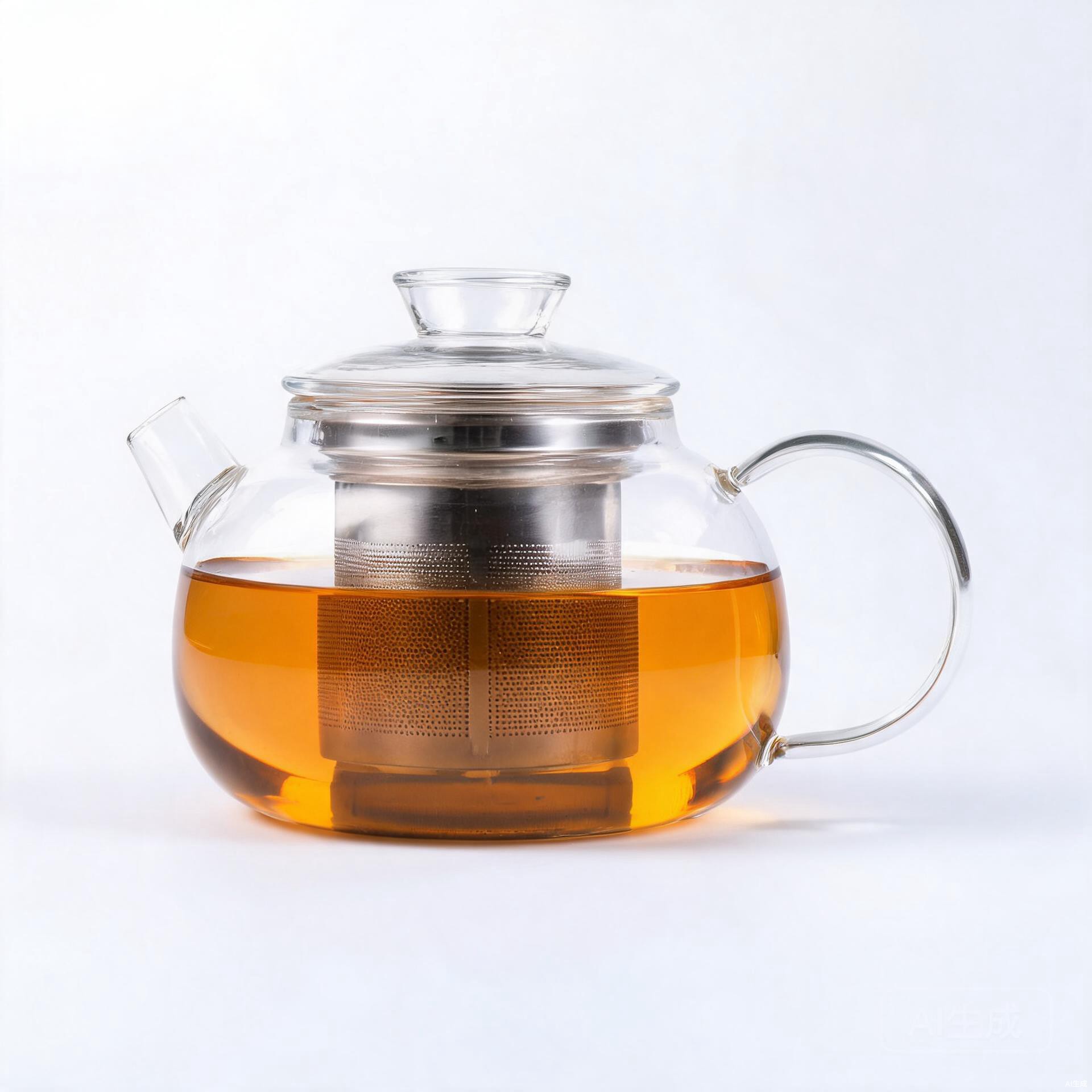
MESNEY 61oz Large Glass Teapot
1.8L makes a full batch of golden ashwagandha latte to reheat through the week.
Buy Now
17oz Double Walled Glass Mug
A single generous cup that keeps a caffeine-free infusion warm to the last sip without burning your hands.
Buy NowAs an Amazon Associate, MESNEY earns from qualifying purchases. Prices and availability are subject to change.