Buckwheat Tea: A Complete Guide to Caffeine-Free Soba Cha

Buckwheat tea is a caffeine-free infusion made from roasted buckwheat groats — a nutty, toasty, naturally gluten-free brew that tastes like a cross between toasted grain and a light black tea. It is a daily staple in Japan, Korea, and China, and it has become one of the fastest-growing teas in the United States as people look for satisfying drinks that will not keep them awake.
This guide explains what buckwheat tea is, why it is naturally caffeine-free and gluten-free, what it tastes like, how to brew it hot or cold, and how it compares with roasted barley tea and other grain teas.
What Is Buckwheat Tea?
Buckwheat tea is made from the roasted seeds of the buckwheat plant. Despite the name, buckwheat is not a wheat or a grass at all — it is a flowering plant related to rhubarb and sorrel, which is why it contains no gluten. The seeds are hulled, roasted until deep brown, and then steeped in hot water to make a toasty, amber infusion.
The drink has three well-known names. In Japan it is soba cha — literally "buckwheat tea," traditionally served alongside a meal of buckwheat noodles. In Korea it is memil cha. In China, roasted tartary buckwheat is brewed as a bitter, earthy tea called ku qiao cha. All three are the same basic drink with regional variations in the variety of buckwheat used.
Because no tea leaves are involved, buckwheat tea is technically a tisane or grain tea rather than a true tea — and it is completely caffeine-free.
Buckwheat Tea Benefits
Buckwheat tea is not a medicine, and the points below describe general properties of the drink rather than treatment of any condition. What makes it interesting is that it is a genuinely comforting hot drink with no caffeine and no calories.
| Property | Why it matters day to day |
|---|---|
| Caffeine-free | Can be drunk at any hour, including before bed, and is commonly given to children. |
| Naturally gluten-free | Buckwheat contains no gluten, so the tea is suitable for celiac disease and gluten sensitivity — unlike roasted barley tea. |
| Rutin and other flavonoids | Buckwheat is naturally rich in rutin, a flavonoid found in the seed and carried into the brew. |
| Toasty flavor without sugar | The roast gives an impression of sweetness that comes from aroma, not sugar — useful when cutting back on sweetened drinks. |
| Zero calories | The tea itself adds nothing; only what you choose to add counts. |
| Hydrating | A pitcher of it counts toward daily fluid intake, hot or iced. |
Rutin note: buckwheat — particularly the tartary variety — is one of the richest dietary sources of rutin, and traditional producers deliberately roast the seeds in a way that preserves it. This is why buckwheat tea has a long history in East Asia as a soothing everyday drink rather than simply a beverage.
What Buckwheat Tea Tastes Like
Buckwheat tea is toasty and nutty, with a warm, bread-crust aroma and a faint natural sweetness. There is essentially no bitterness and no astringency, even if you leave the grains steeping far longer than intended. Some drinkers find a light resemblance to black tea; others describe it as closer to the smell of a bakery.
Tartary buckwheat, the variety used in much of China, is noticeably more bitter and earthy than the common buckwheat used in Japan and Korea. If you dislike bitter flavors, look for "roasted buckwheat tea" from Japan or Korea rather than tartary buckwheat.
How to Brew Buckwheat Tea
Buckwheat tea is one of the most forgiving brews in the kitchen. It cannot be over-steeped into bitterness, and it works equally well from loose grains or tea bags.
Classic Hot Buckwheat Tea (4 cups)
- 3–4 tablespoons roasted buckwheat groats (or 4 buckwheat tea bags)
- 4 cups (960 ml) fresh water
- No sweetener needed
Method:
- Bring the water to a full boil.
- Add the roasted groats and reduce to a gentle simmer for 5–10 minutes. The water turns a warm amber and the kitchen smells like toasted bread.
- Strain into a glass teapot or mug. Unlike tea leaves, buckwheat grains will not turn bitter with a longer steep — a few extra minutes only deepen the roast flavor.
- Keep the spent grains: simmer them a second time for a lighter, still delicious pot.
Iced and Cold-Brewed Buckwheat Tea
Because it has no caffeine and no sugar, buckwheat tea makes an excellent all-day cold drink — the kind of pitcher you keep in the refrigerator door and refill without thinking about it.
Cold Brew Buckwheat Tea (1 liter)
- 4 tablespoons roasted buckwheat groats
- 4 cups (1 liter) cold filtered water
- Optional: a slice of lemon, or a few roasted corn kernels for sweetness
Method: combine the groats and cold water in a glass pitcher or teapot and refrigerate 8–12 hours, then strain. Cold brewing produces a rounder, less roasted cup with a soft sweetness that hot water does not extract. Serve over ice. It keeps for two or three days refrigerated. For a quick version, brew hot at double strength, cool to room temperature, then chill — never pour hot tea directly onto ice, or the drink turns watery.
The refrigerator-door trick: keep a glass teapot of cold-brewed buckwheat tea on the shelf. Because it has no caffeine and no sugar, it quietly replaces both the afternoon coffee and the soft drink — and it costs pennies a pitcher.
Buckwheat vs. Barley vs. Roasted Corn Tea
Grain teas look similar on the shelf and brew in almost the same way, but they differ in flavor and, importantly, in gluten content.
| Buckwheat Tea | Roasted Barley Tea | Roasted Corn Tea | |
|---|---|---|---|
| Flavor | Toasty, nutty, faintly sweet | Toasty, nutty, bread-like | Sweet, corn-like, mellow |
| Caffeine | None | None | None |
| Gluten | Gluten-free | Contains gluten | Gluten-free |
| Bitterness | Almost none | None | None |
| Best for | An everyday or evening cup | A toasty, bread-like cup | Natural sweetness |
If you enjoy the bread-crust side of grain teas, our roasted barley tea guide is the close cousin — but note that barley contains gluten, while buckwheat does not. For a caffeine-free herbal alternative with more fruit character, try our hibiscus tea guide.
How to Buy and Store Buckwheat Tea
- Look for whole roasted groats. Loose grains brew a rounder, fuller cup than the fine dust in most tea bags, and they re-steep beautifully.
- Choose common buckwheat for a mellow cup. Tartary buckwheat is earthier and more bitter; it is excellent if you like that, and a surprise if you do not.
- Check the roast. Even, deep amber-brown grains give a clean toasty flavor. Very dark or blackened grains taste scorched.
- Store airtight and dark. Roasted grains keep for months in a sealed jar away from heat and moisture — but they lose their aroma faster than whole tea leaves, so buy in reasonable quantities.
Frequently Asked Questions
Is buckwheat tea caffeine-free?
Yes, completely. It is made from roasted buckwheat seeds rather than tea leaves, so it contains no caffeine at all and can be drunk at any hour, including before bed.
Is buckwheat tea gluten-free?
Yes. Despite the name, buckwheat is not related to wheat — it is a flowering plant, and its seeds contain no gluten. Buckwheat tea is suitable for celiac disease and gluten sensitivity, unlike roasted barley tea.
What does buckwheat tea taste like?
Toasty and nutty, like the crust of warm bread, with a faint natural sweetness and almost no bitterness. It has no astringency, so it cannot be over-steeped the way true tea can.
Is buckwheat tea the same as soba cha?
Yes. Soba cha is the Japanese name for buckwheat tea, memil cha the Korean name, and tartary buckwheat is brewed in China as ku qiao cha. All refer to an infusion of roasted buckwheat.
Can you drink buckwheat tea cold?
Yes, and it is arguably even better cold. Cold-brew the grains in the refrigerator overnight for a rounder, sweeter cup, or brew hot at double strength and chill it.
Final Thoughts
Buckwheat tea is the quiet overachiever of the grain tea shelf: caffeine-free, gluten-free, cheap, forgiving, and genuinely pleasant to drink hot in the morning or iced all afternoon. It cannot be over-steeped, it re-steeps without complaint, and it pairs as naturally with a meal as it does with a book before bed.
Because it brews to such a warm amber, glass shows it off better than anything else. A borosilicate teapot lets you watch the color deepen and handles both a stovetop simmer and an overnight refrigerator steep, and the same pot goes straight to the table. Our picks:

40oz Glass Teapot with Infuser
The deep infuser basket holds roasted groats through a ten-minute simmer and lifts out clean, and the borosilicate glass shows the amber deepening as it brews. Equally happy with an overnight cold steep in the refrigerator.
Buy Now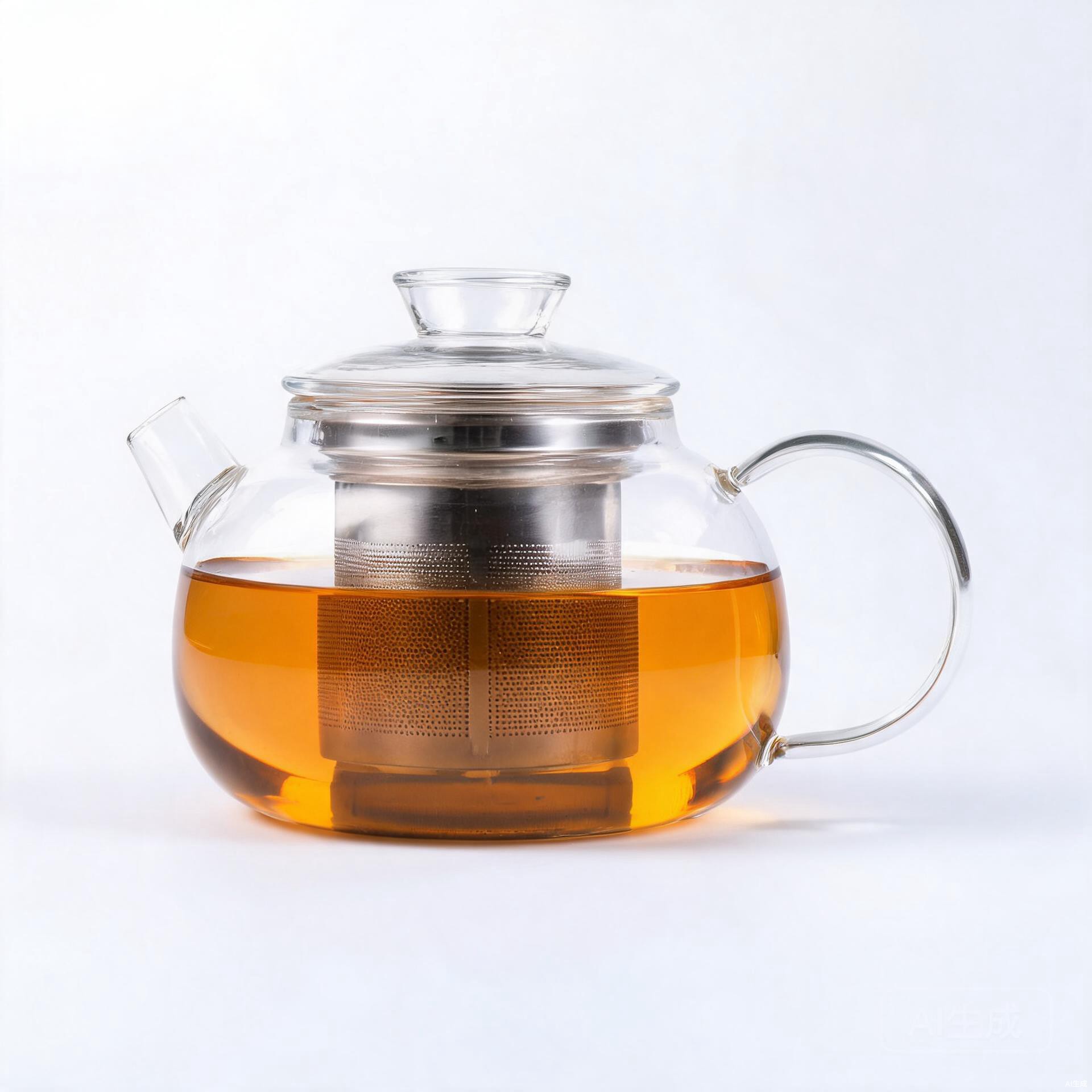
MESNEY 61oz Large Glass Teapot
1.8L is the right size for a family pitcher — brew once in the morning, drink it hot, then chill the rest for the afternoon.
Buy Now
17oz Double Walled Glass Mug
A single generous cup that keeps a bright, clear liquor hot to the last sip without burning your hands.
Buy NowAs an Amazon Associate, MESNEY earns from qualifying purchases. Prices and availability are subject to change.