Café de Olla: The Complete Guide to Mexico's Cinnamon-Spiced Coffee
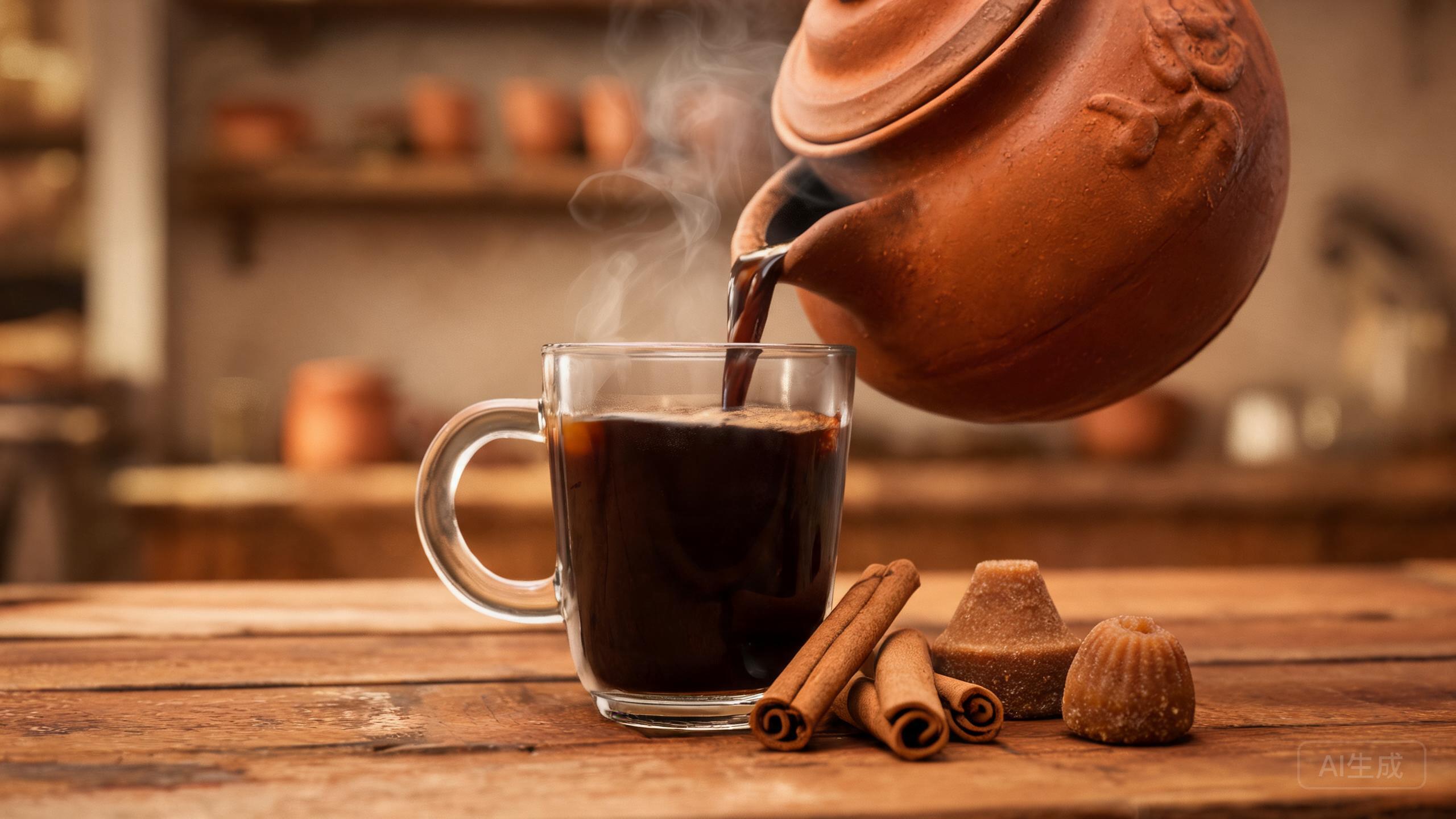
Café de olla is Mexico's answer to cold weather: dark coffee simmered in a pot with cinnamon sticks and piloncillo — unrefined cane sugar — until the whole kitchen smells like a panadería. It's sweet, spiced, unapologetically rustic, and it may be the most underrated coffee tradition on the planet.
This guide covers where café de olla came from, the classic three ingredients that make it what it is, the authentic stovetop method step by step, what to do when you can't find piloncillo, and the glassware that keeps this slow, simmered coffee warm the way it deserves.
What Is Café de Olla?
The name means "coffee from the pot" — olla being the traditional clay pot it's simmered in. At its most authentic, café de olla is coarse-ground dark coffee brewed together with cinnamon sticks and piloncillo (also called panela or piloncillo cones) directly in the water, never filtered through paper. The result lands somewhere between coffee, spiced tea, and dessert: deep and roasty from the coffee, warm from the cinnamon, and rounded with the caramel-brown sweetness of unrefined sugar.
The clay pot matters in the traditional version — cooks insist it adds a subtle earthiness that metal can't — but the drink has long outgrown it. Every Mexican household, fonda, and market stall has its own ratio, and the aromatics wander by region and by grandmother: a strip of orange peel, a clove or two, anise seed, or all three.
A Brief History: Coffee from the Revolution
Café de olla's most-told origin story places it in the Mexican Revolution (1910–1920), when the adelitas — women who traveled with the revolutionary armies — brewed enormous pots of coffee with cinnamon and piloncillo to keep soldiers warm and fed through cold northern nights. The recipe was born of necessity: coffee stretched and sweetened with cheap piloncillo, spiced with the cinnamon Mexico had traded for centuries, and made in the only vessel available, the clay olla.
Whatever the exact origin, the drink became a fixture of Mexican kitchens and markets — morning fuel, afternoon comfort, and the traditional companion to pan dulce. In the last few years it has crossed borders, riding the same wave of interest in heritage coffee drinks that carried Vietnamese egg coffee and Turkish coffee into the mainstream. US searches for café de olla have grown steadily for five straight years.
The Classic Ingredients (and What Each One Does)
- Coffee: a dark, coarse grind — traditional Mexican roasts are roasted with sugar for a darker, more caramelized character. Any dark roast works; coarse grind keeps the simmer from turning bitter.
- Cinnamon: Mexican cinnamon (Cinnamomum verum, "true" cinnamon) is softer and more delicate than the cassia sticks common in US stores — but cassia simmers beautifully too. Whole sticks only; ground cinnamon makes the coffee muddy.
- Piloncillo: unrefined cane sugar pressed into cones. It tastes like molasses-adjacent brown sugar with smoky depth — this is the ingredient that separates café de olla from "coffee with cinnamon."
- Optional aromatics: a strip of orange peel (traditional in many regions), one or two whole cloves, or a pinch of anise seed. Add any or none — the cinnamon-piloncillo core is non-negotiable.
How to Make Café de Olla (Authentic Method)
Classic Café de Olla (4 servings)
- 4 cups (1 L) water
- 1–2 cinnamon sticks (Ceylon if you can find them)
- 1 piloncillo cone (about 2 oz / 55 g), or 3 tbsp dark brown sugar + 1 tsp molasses
- 4 tablespoons coarse-ground dark coffee
- Optional: strip of orange peel, 1–2 whole cloves
Method:
- Combine water, cinnamon, piloncillo, and any aromatics in a pot. Bring to a boil, then simmer 5 minutes — the cinnamon unfurls and the piloncillo dissolves into a spiced syrup.
- Stir in the coffee, return to a very gentle simmer, and cook 3–5 minutes more. Do not let it boil hard — a rolling boil pulls bitterness from the grounds.
- Remove from heat, cover, and let the grounds settle for 5 minutes.
- Strain through a fine sieve directly into mugs — or into a glass pot for the table — leaving the last sediment-rich ounce in the pot.
Quick Single Cup (No Simmering)
- 1 cup (240 ml) strongly brewed dark coffee
- 1 cinnamon stick, steeped in the hot coffee 3–4 minutes
- 1½ tsp dark brown sugar + a drop of molasses (or piloncillo grated)
Method: stir the sugar into the hot coffee and let the cinnamon stick steep while you drink. It won't have the simmered depth of the real thing, but as a Tuesday-morning approximation it's remarkably close.
The make-ahead secret: café de olla is a party drink by design — simmer a double batch of the cinnamon-piloncillo base ahead of time (it keeps refrigerated for a week), then reheat, add fresh coffee, and strain. That's exactly how market stalls serve it all day: pre-spiced base, fresh brew, endless refills.
No Piloncillo? The Honest Substitutes
Piloncillo is available in most Latin grocery stores and online, usually in the produce or spice aisle as small cones. But the substitutions rank cleanly:
| Sweetener | Substitute ratio | How close? |
|---|---|---|
| Dark brown sugar + molasses | 3 tbsp + 1 tsp per cone | Closest match — the molasses restores piloncillo's smoky depth |
| Muscovado sugar | 1:1 | Very close; same unrefined character |
| Dark brown sugar alone | 1:1 | Good, slightly flat |
| Raw/turbinado sugar | 1:1 | Furthest — clean sweetness, missing the molasses note |
Whatever you use, sweeten the water, not the cup. The entire character of café de olla comes from sugar simmered with cinnamon before the coffee ever enters — it's a spiced syrup base, not coffee with sugar added.
Café de Olla vs Regular Spiced Coffee
| Café de Olla | Typical Spiced Coffee | |
|---|---|---|
| Brew method | Simmered together in one pot | Coffee brewed, spice added after |
| Sweetener | Piloncillo, dissolved during the simmer | Sugar stirred in at the table |
| Cinnamon | Whole sticks, simmered and steeped | Often ground, sprinkled |
| Body | Deep, syrupy, integrated | Coffee flavor with spice floating on top |
| Vessel | Clay olla traditionally; glass for modern tables | Any mug |
Serving Café de Olla the Modern Way
Tradition serves café de olla in clay jarritos or enamel mugs, refilled until the conversation ends. The modern version deserves the same courtesy in a different material: this is a slow, hot, sweet drink that loses its soul when it goes cold. A double-wall glass mug holds the simmered heat through a long dessert course, a stovetop-safe borosilicate pot keeps the whole batch warm without scorching the sugar, and clear glass turns the deep cinnamon-brown color — somewhere between coffee and caramel — into part of the presentation. With pan dulce or a slice of coffee cake, it's the finish to a meal people remember.

40oz Glass Teapot with Infuser
The modern olla: stovetop-safe borosilicate simmers the cinnamon-piloncillo base right in the pot, the deep infuser basket strains the grounds as you pour, and the clear glass shows off that coffee-caramel color at the table.
Buy Now
17oz Double Walled Glass Coffee Mug
Café de olla must stay hot — the double wall holds simmered warmth through dessert while the glass stays cool in your hands.
Buy Now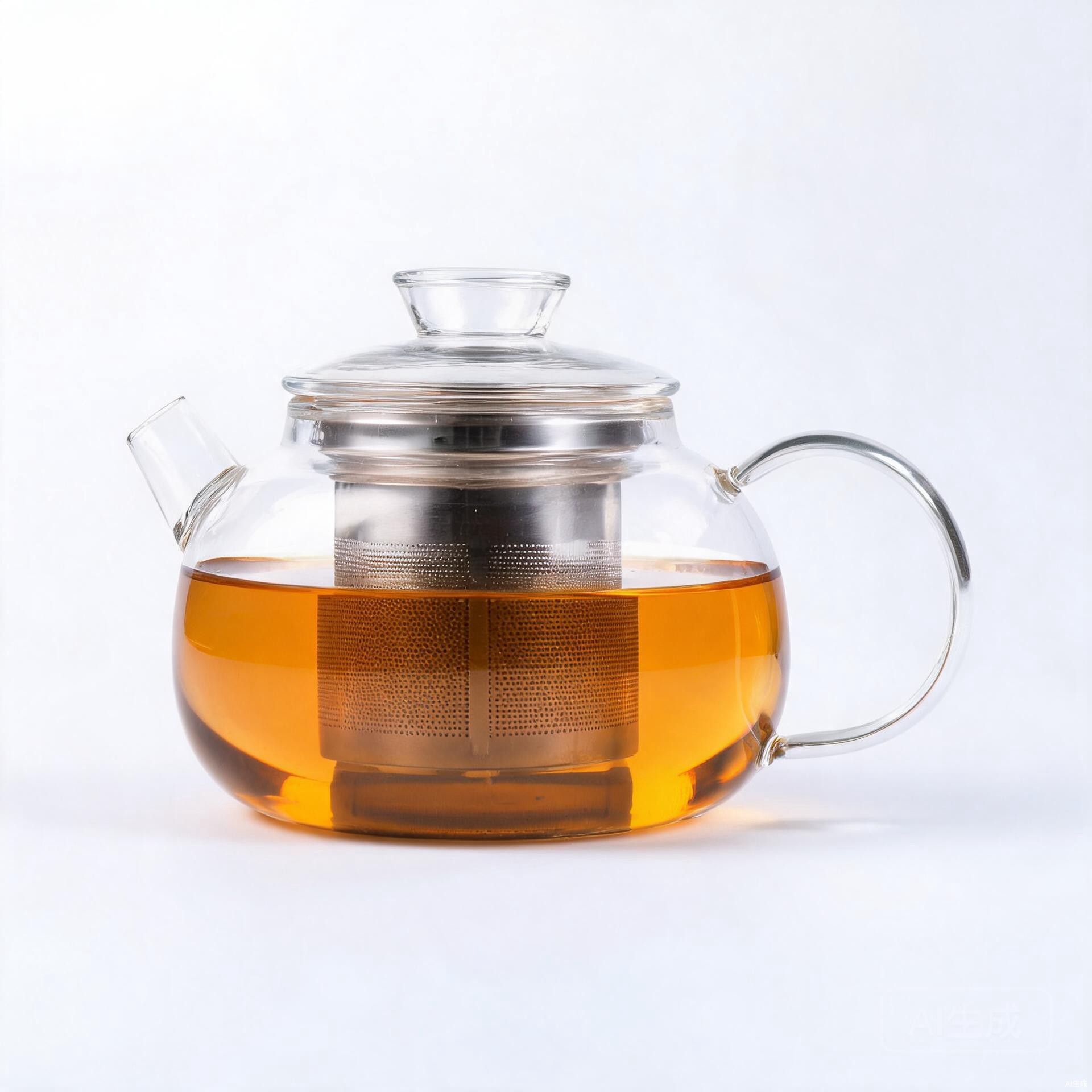
MESNEY 61oz Large Glass Teapot with Infuser
1.8L is a true fiesta batch — the market-stall format, with cinnamon sticks still steeping in the glass as guests refill.
Buy NowFrequently Asked Questions
What does café de olla taste like?
Dark roasted coffee with warm cinnamon and a deep, almost caramelized brown-sugar sweetness — rounder and softer than coffee with sugar added at the table. The orange peel and clove versions add a gentle aromatic lift on the finish.
Is there a lot of caffeine in café de olla?
Roughly the same as a regular cup of coffee — the piloncillo and cinnamon add flavor, not stimulant. The traditional serving is smaller and sipped slower than an American mug, so per-sitting caffeine often lands lower in practice.
Can I make café de olla with regular ground coffee?
Yes — use the darkest roast you have. Coarse grind is ideal because it stands up to simmering without turning bitter, but standard drip grind works if you keep the simmer gentle and brief and let the grounds settle before straining.
Is café de olla vegan?
Pure piloncillo is simply unrefined cane sugar, so the classic recipe is vegan by default. Check labels on commercial cones if that matters to you — a few include additives.
Can I make it without sugar?
You can brew the cinnamon-coffee base unsweetened and sweeten at the table, but purists will tell you — correctly — that simmering the piloncillo with the cinnamon is the drink. A smaller amount of piloncillo, dissolved properly, keeps the character with less sweetness.
Why is it called café de olla?
"Olla" is the traditional clay cooking pot the coffee was simmered in — café de olla literally means "coffee from the pot." The clay vessel is credited with lending a subtle earthy note that metal pots don't, though the drink translates happily to modern cookware.
The Bottom Line
Café de olla is the most comforting cup in Mexican cooking, and one of the easiest heritage coffee drinks to make at home: water, cinnamon, piloncillo, dark coffee, one pot, ten minutes. Sweeten the water — not the cup — simmer gently, strain, and serve it hot enough to last the conversation.
Brew it in a MESNEY stovetop-safe glass teapot and pour into double-wall mugs: the simmer stays honest, the caramel-brown pour gets its due, and Mexico's best-kept coffee secret stays warm to the last refill.
As an Amazon Associate, MESNEY earns from qualifying purchases. Prices and availability are subject to change.