Cascara Tea: The Complete Guide to Coffee Cherry Tea

Cascara tea is an infusion made from the dried fruit of the coffee cherry — the husk left over after the coffee bean is removed — and it tastes almost nothing like coffee. Expect something between hibiscus, raisin, and dried fig, with a faint tobacco-like depth: tart, fruity, and unmistakably its own drink.
This guide covers what cascara actually is, why it is one of the most sustainable drinks in the coffee world, how much caffeine it contains, how to brew it hot or iced, and the glassware that shows off its deep amber-red color.
What Is Cascara Tea?
Coffee grows as a fruit. Inside each cherry are two seeds — the beans you grind — surrounded by a layer of sweet pulp and skin. After harvesting, that fruit layer is stripped off and, historically, discarded or composted. Cascara is that dried fruit layer, brewed as a tea.
The name comes from the Spanish for "husk" or "peel," and the drink is also sold as coffee cherry tea or coffee husk tea. It has been drunk in Yemen and Ethiopia for generations, and over the last decade it has moved into specialty coffee shops in Europe and North America as a way to use a byproduct that would otherwise be waste.
Nothing about it resembles coffee drinking. There is no roast character, no bitterness, no body. The cup is light, tart, and fruit-forward, closer to a hibiscus than to any coffee preparation — with a faintly earthy, dried-fruit finish that comes from the same plant.
Why Cascara Is Worth Paying Attention To
- It is a byproduct with real value. Roughly a fifth of the coffee cherry is fruit, and almost all of it has traditionally been thrown away. Buying cascara creates income from something already harvested.
- Genuinely low-waste. No extra land, water, or growing cycle — the fruit exists whether or not anyone drinks the tea made from it.
- Distinctive flavor. There is nothing else quite like it in the tea aisle, which is why it appeals to people who have tried everything else.
- Antioxidant polyphenols. Cascara carries the same general class of plant polyphenols found in other fruit infusions, and early research interest has focused on its antioxidant content.
- A little caffeine, gently. Cascara contains a small amount of caffeine — enough to notice, far less than a cup of coffee.
Cautions: cascara does contain caffeine, so it is not an evening drink for people who are sensitive. Because it is unregulated in many markets and production methods vary, buy from a reputable specialty coffee supplier rather than an unknown source. As with any new herbal infusion, anyone pregnant, nursing, or on medication should check with a provider before making it a daily habit.
How Much Caffeine Is in Cascara Tea?
| Drink | Approximate caffeine per 8 oz | Character |
|---|---|---|
| Cascara tea | ~25–40mg | Light, fruity, gently lifting |
| Black tea | ~40–70mg | Brisk, tannic |
| Green tea | ~25–50mg | Grassy, lighter |
| Drip coffee | ~95–140mg | Full-bodied, roasted |
The exact figure varies with the cultivar, the processing method, and how much you use per cup — which is why labels on cascara bags tend to give a range rather than a number. In practice, cascara lands in the same territory as a light green tea: noticeable, but a fraction of coffee.
How to Brew Cascara Tea
Classic Hot Cascara Tea (2 cups)
- 2 tablespoons dried cascara (about 8 g)
- 2 cups (480 ml) water at 200–205°F
- Optional: a teaspoon of honey, a strip of orange peel
Method:
- Place the cascara in an infuser basket or directly in the pot. Unlike most teas, cascara is a dried fruit — it benefits from a longer, hotter steep than leaf tea.
- Pour water at just below boiling and steep 5–8 minutes. The liquor will turn a deep amber-red, closer in color to a dark rosé than to tea.
- Taste at five minutes. Cascara turns noticeably tart and slightly astringent past ten, so it is worth timing the first few pots.
- Strain and drink as is, or sweeten lightly with honey. A strip of orange peel in the pot brings out the fruit beautifully.
Iced Cascara Tea (4 cups)
- ¼ cup dried cascara
- 4 cups (960 ml) water, or cold water for a cold brew
- 1 tablespoon honey, a squeeze of lime
- Ice
Method: brew hot and chill, or cold-brew in a glass jar in the refrigerator for 12 hours. Sweeten while warm if using honey, then pour over ice with a squeeze of lime. Iced cascara is where the drink really shines — it reads like a fruit tea and is spectacularly refreshing.
Cascara Cold Brew Concentrate (makes 6 servings)
- 1 cup dried cascara
- 4 cups (960 ml) cold water
Method: combine in a glass jar and refrigerate 12–18 hours, then strain. The concentrate keeps for a week; dilute one part concentrate to two parts water or sparkling water. Sparkling water turns it into a naturally caffeinated fruit spritz.
Watch the steeping time: cascara is far more forgiving than tea leaf in the first five minutes and far less forgiving after ten. It tips from bright and fruity into dry and astringent quickly, because the skins carry a fair amount of tannin. Set a timer the first few times and you will not need one again.
Cascara Blends Worth Making
- Cascara and hibiscus: the natural pairing — both tart and deep red, and together they make a striking iced tea.
- Cascara and orange peel: citrus lifts the dried-fruit note and makes the hot version noticeably brighter.
- Cascara and cinnamon: a warm, spiced autumn cup with real depth; one cinnamon stick in the pot is enough.
- Cascara and ginger: adds heat to the fruit and works especially well iced.
- Cascara and rosehip: two fruit infusions together, ruby colored and intensely tart — a genuinely caffeine-light alternative to black tea.
Why Glass Suits Cascara Tea
Cascara brews to one of the most striking colors of any infusion — a deep amber-red that looks closer to a wine than a tea, and that shifts noticeably as it steeps. A borosilicate glass teapot lets you watch the color develop and judge exactly when to pull the fruit, which is the single most useful timing cue for a drink this sensitive to over-steeping. The infuser basket lifts the spent cascara cleanly, and the non-porous glass means one brew never flavors the next.

40oz Glass Teapot with Infuser
Made for a timed fruit steep: the deep basket holds the dried coffee cherries and lifts them out before the tannins turn the cup dry — and the clear borosilicate glass shows that amber-red deepening in real time, which is the most reliable cue for when cascara is ready.
Buy Now
17oz Double Walled Glass Coffee Mug
Cascara is at its best iced, and the double wall keeps it cold without condensation while the deep red color stays fully visible.
Buy Now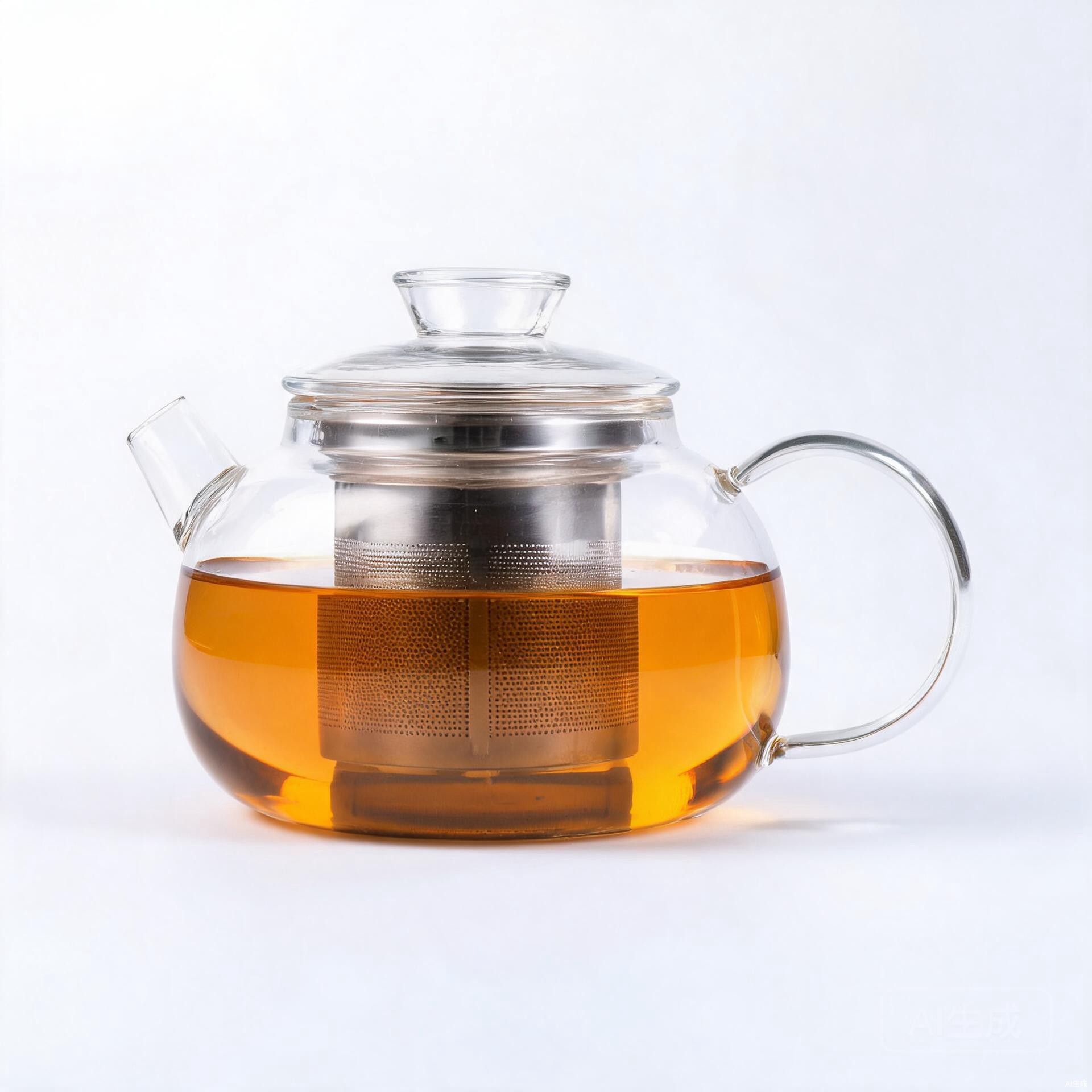
MESNEY 61oz Large Glass Teapot with Infuser
1.8L is the right size for an overnight cascara cold brew — brew it in the refrigerator, strain in the morning, and keep the concentrate in glass.
Buy NowFrequently Asked Questions
What does cascara tea taste like?
Tart and fruity with dried-fig and raisin notes, a hibiscus-like brightness, and a faint earthy, tobacco-ish depth on the finish. It tastes nothing like coffee, despite being made from the coffee plant.
Does cascara tea have caffeine?
Yes — roughly 25–40mg per 8 oz cup, similar to a light green tea and far less than a cup of coffee. It is not a caffeine-free drink, so it is best avoided late in the evening if you are sensitive.
Is cascara the same as coffee?
No. Coffee is the roasted seed inside the cherry; cascara is the dried fruit layer that surrounds it. They come from the same plant and taste completely different.
How do you brew cascara tea?
Steep 2 tablespoons of dried cascara in 2 cups of water at about 200°F for 5–8 minutes. It turns tart and astringent past ten minutes, so timing matters more than it does with tea leaf.
Can you cold brew cascara?
Yes, and it is excellent — 12 to 18 hours in the refrigerator produces a rounder, less astringent cup. Dilute the concentrate with water or sparkling water for a naturally caffeinated fruit spritz.
Where does cascara come from?
It is produced wherever coffee is grown, most notably in Ethiopia, Yemen, and across Central and South America, and is increasingly sold by specialty coffee roasters in North America and Europe.
Is cascara tea sustainable?
It is one of the more sustainable drinks available, because it uses a byproduct of coffee production that would otherwise be discarded. No additional land or water is required to produce it.
The Bottom Line
Cascara tea is the most interesting thing to happen to fruit infusions in years: a genuinely delicious drink made from what the coffee industry used to throw away. Steep it five to eight minutes, or cold-brew it overnight, and serve it iced. Expect tart, deep amber-red, and nothing at all like coffee.
Brew it in a MESNEY borosilicate glass teapot — the amber-red color develops in full view so you can pull the fruit at the right moment, and the same pot doubles as an overnight cold-brew vessel.
As an Amazon Associate, MESNEY earns from qualifying purchases. Prices and availability are subject to change.