Chicory Coffee: The Complete Guide to New Orleans' Iconic Brew

Some drinks are recipes; chicory coffee is a story. Born from a coffee shortage, adopted by a city, and still drunk every morning in New Orleans beside a plate of beignets, it's the rare tradition that tastes like its history — dark, bittersweet, and a little nutty. And interest in it keeps growing, especially in years when coffee prices climb and people start looking for ways to stretch the bean.
This guide covers everything: what chicory coffee actually is, the history behind it, how to blend and brew it at home, the ratios the city actually uses, what it tastes like, the honest health picture, and why the café au lait version belongs in a big glass mug.
What Is Chicory Coffee?
Chicory coffee is roasted and ground chicory root — brewed either alone or, far more commonly, blended with coffee. The chicory plant is the same one whose leaves end up in salads (endive and radicchio are its cousins); the root, dried, roasted, and ground, brews up dark and bitter with a distinctive cocoa-woody sweetness.
Roasted chicory contains no caffeine. Blended with coffee, it stretches the beans, deepens the body, and adds a flavor that plain coffee can't imitate — the reason people kept drinking it long after the shortages that made it necessary ended.
The New Orleans Story
Chicory reached America through the French, who had used it as a coffee extender since Napoleon-era shortages. In New Orleans — a French city in America — it arrived with the colonists and got its defining moment during the Civil War, when the Union naval blockade cut off coffee imports entirely. Locals roasted chicory root as a substitute and, when coffee returned, kept adding it back in. A shortage solution became a permanent taste.
The tradition settled into the city's café culture, where coffee with chicory served with scalded milk — café au lait, half and half — became the official breakfast of the French Quarter, drunk around the clock at the city's famous round-the-clock cafés. That combination, dark roasted coffee-chicory and equal parts hot milk, is the version most people mean when they say "New Orleans coffee."
Coffee-to-Chicory Ratios
There's no single official blend, but New Orleans tradition runs dark and chicory-forward. Common starting points:
| Blend | Coffee | Chicory | Character |
|---|---|---|---|
| Beginner | 85% | 15% | A hint of cocoa-woody depth; barely changes your brew |
| Classic | 70% | 30% | The everyday New Orleans pour — noticeable, balanced bitterness |
| Traditional | 50% | 50% | Bold, bitter, intensely roasty; the beignet-café profile |
| Pure chicory | 0% | 100% | Caffeine-free; tastes like coffee's darker, earthier sibling |
Start at 70/30 and adjust one batch at a time: chicory is more bitter than coffee, and its flavor concentrates fast. Most people who "don't like chicory coffee" have only had blends that were 50% or more chicory, brewed too strong.
How to Brew Chicory Coffee
New Orleans Chicory Coffee, Two Ways
- 3 tablespoons ground coffee (dark roast)
- 1½ tablespoons ground roasted chicory
- 16 oz (475 ml) water
- Optional: 16 oz hot whole milk for café au lait
Drip or pour-over: use the blend exactly as you would regular coffee — slightly coarser grind if your brewer tends to over-extract. Steeped (the easy glass-teapot method): bring the water to a boil, add the coffee-chicory blend, remove from heat, and steep 4 minutes. Strain through a fine sieve into mugs — chicory is forgiving and gives a smooth, low-acid cup even without a filter.
The café au lait finish
Heat milk (whole milk is traditional — don't boil it, just scald it to steaming) and pour equal parts coffee and hot milk into a big mug. The milk is doing real work here: it rounds chicory's bitterness into something caramel-like. This is the version to make first if you've never had chicory coffee.
What Does Chicory Coffee Taste Like?
Imagine dark roast coffee's bitterness redirected through root vegetables and cocoa: earthy, woody, with a thick body and a faintly sweet, almost chocolatey finish. Chicory also lowers acidity compared with regular coffee, which is why many people who find straight coffee harsh on the stomach get along fine with chicory blends. With milk, the whole thing tastes like caramelized toast — which is precisely why it's paired with beignets, the fried dough it was born to accompany.
Chicory Coffee: The Honest Health Picture
- Caffeine control: chicory is naturally caffeine-free, so every gram of chicory in the blend is a gram of caffeine removed. Pure chicory is a genuine coffee alternative for caffeine-sensitive people and late evenings.
- Prebiotic fiber: chicory root is the richest natural source of inulin, a soluble fiber that feeds gut bacteria. Some survives roasting and brewing. This is the most-studied health angle, and it's real, if modest at coffee-strength doses.
- Lower acidity: blends are gentler on sensitive stomachs than straight coffee.
Two cautions: inulin can cause bloating and gas in large amounts — if you're new to chicory, start with one cup a day. And people with ragweed allergies can react to chicory (they're related), so be careful with a first taste. Chicory is also traditionally avoided during pregnancy — check with your doctor.
Buying vs Roasting Your Own
Ground roasted chicory is cheap and easy to find online or in stores with a Southern foods section; "coffee and chicory" pre-blends are stocked by most big roasters' New Orleans-style lines. Roasting your own is a niche project — raw chicory roots need washing, drying, oven-roasting at low heat until deeply brown, and grinding — but it's the only way to taste chicory at its freshest. For most kitchens: buy the ground chicory, blend it yourself, and control the ratio.
Why Chicory Coffee Belongs in Glass
The New Orleans pour is a visual drink and most people never see it: café au lait is half deep-brown coffee-chicory and half white milk, and the swirl where they meet is the whole aesthetic. A big double-wall glass mug shows that layering, keeps the drink hot through a slow morning (the traditional cup was bottomless), and the dark brew looks dramatic against clear glass. For brewing the steeped method, a glass teapot is genuinely the right tool — the coarse coffee-chicory grind behaves exactly like tea leaves, and watching the dark color develop is half the ritual.

17oz Double Walled Glass Coffee Mug
The café au lait glass: 17oz fits the traditional big pour with headroom for the milk, the double wall keeps it hot to the last beignet, and the dark-brown-meets-white swirl shows through the side.
Buy Now
40oz Glass Teapot with Infuser
The steeped method is the easiest way to brew chicory — and the infuser holds the coarse coffee-chicory grind exactly like tea leaves while you watch the dark color develop.
Buy Now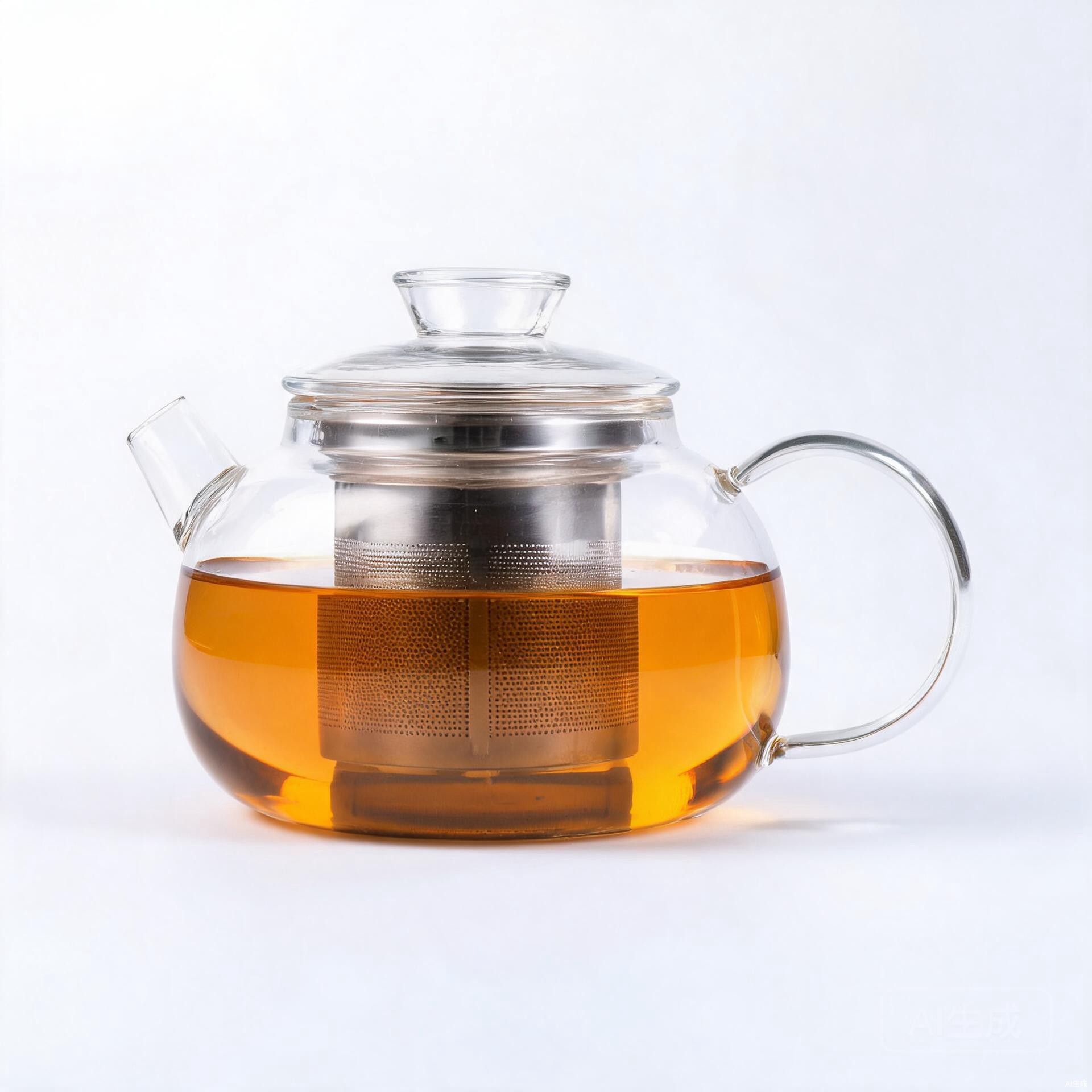
MESNEY 61oz Large Glass Teapot with Infuser
Brunch for the table: brew the full 1.8L batch, set it out with a pitcher of hot milk, and let everyone pour their own café au lait ratio.
Buy NowFrequently Asked Questions
What is chicory coffee made of?
Roasted, ground chicory root, brewed alone or blended with ground coffee. Traditional New Orleans blends run from 70/30 coffee-to-chicory down to 50/50.
Does chicory coffee have caffeine?
Chicory itself has none. A 70/30 blend has about 70% of the caffeine of regular coffee; pure chicory brew is completely caffeine-free.
Is chicory coffee good for you?
In moderation, it has real upsides: chicory root is rich in the prebiotic fiber inulin, and the brew is lower in acidity than regular coffee. Start slow — inulin can cause bloating — and skip it if you have a ragweed allergy or are pregnant.
Why do people in New Orleans drink chicory coffee?
It started as a wartime substitute during a coffee blockade in the 1860s, and the city simply liked it — the bitter, chocolatey depth became the local taste and stuck for 160 years.
What's the difference between chicory coffee and regular coffee?
Taste (earthier, more bitter, thicker body), acidity (chicory blends are gentler), caffeine (less), and color (darker, redder-brown). Chicory also brews smoothly without pressure or filters.
Can I make chicory coffee in a regular coffee maker?
Yes — blend the grounds and brew as usual. Or use the steeped method: boil, remove from heat, add the blend, steep 4 minutes, and strain. The steeped method is more forgiving with chicory's fine grind.
The Bottom Line
Chicory coffee is a 160-year-old life hack that outlived its reason for existing: a root that stretches coffee, softens its acidity, deepens its body, and can eliminate its caffeine entirely. Blend it 70/30, brew it dark, cut it with hot milk, and you're drinking breakfast history.
Brew it in a MESNEY glass teapot, pour the café au lait into a double-wall glass mug, and the brown-and-white swirl does the rest.
As an Amazon Associate, MESNEY earns from qualifying purchases. Prices and availability are subject to change.