Chrysanthemum Tea: The Complete Guide to the Golden Flower Cup

Chrysanthemum tea is the golden flower infusion of East Asia — whole dried blossoms steeped in hot water, producing a pale amber cup with a delicate honeyed-floral aroma and a naturally cooling character. It has been drunk in China for well over a thousand years, and it is one of the most visually rewarding teas you can brew, because the flowers unfurl in the water.
This guide covers what chrysanthemum tea is, the varieties worth seeking out, how to brew whole flowers so they open properly, its traditional role, the goji and pu-erh pairings, and the glassware that makes this the most photogenic cup in the cupboard.
What Is Chrysanthemum Tea?
Chrysanthemum tea is an herbal infusion made from the dried flower heads of Chrysanthemum morifolium or Chrysanthemum indicum. It contains no actual tea leaf, so it is caffeine-free by nature. The blossoms are picked at full bloom, dried whole, and steeped intact — which is why the cup looks the way it does, with whole flowers drifting and slowly opening in the water.
The flavor is subtle by herbal-tea standards: lightly sweet, faintly honeyed, with a soft floral top note and a clean, slightly dry finish. It is a tea you drink for its delicacy rather than its intensity, and it takes very well to a small piece of rock sugar — the traditional sweetener, added to the pot rather than the cup.
The Varieties Worth Knowing
| Variety | Character | Best for |
|---|---|---|
| Hangzhou or "snow" chrysanthemum | Pale, large blossoms, sweet and delicate | The classic everyday cup |
| Chu chrysanthemum | Smaller golden flowers, fuller body | Blending with pu-erh |
| Wild chrysanthemum | Small, intensely aromatic, noticeably bitter | Traditional medicinal infusions |
| Chrysanthemum buds | Tight, compact, concentrated sweetness | A stronger, sweeter cup |
Look for whole, unbroken flower heads with intact golden centers. Broken petals and dusty packaging mean the flowers were crushed, and crushed flowers release their aroma before they reach your pot.
Chrysanthemum Tea: Traditional Use
- A "cooling" herb in Chinese tradition. Chrysanthemum is classified in traditional Chinese medicine as a cooling herb, which is why it is associated with warm weather and with balancing rich or spicy meals.
- Traditionally linked to eye comfort. This is chrysanthemum's best-known traditional association — Chinese practice pairs it with goji berries for tired eyes and long hours at a screen.
- Evening wind-down. Caffeine-free and gently floral, it is a natural late-day cup in the same way chamomile is in the West.
- Antioxidant flavonoids. The flowers carry flavonoid compounds including luteolin and apigenin, the latter also found in chamomile.
- Naturally light and unsweetened. Unlike most floral drinks, chrysanthemum needs no sugar to be pleasant — though rock sugar is the traditional addition.
Cautions: chrysanthemum is in the same plant family as ragweed, so anyone with a ragweed or daisy-family allergy should be cautious with a first cup. Traditional Chinese practice advises drinking it in moderation rather than daily in large amounts, particularly for people who tend to feel cold. If you are pregnant or on medication, check with your provider before making it routine.
How to Brew Chrysanthemum Tea
Classic Whole Flower Chrysanthemum Tea (2 cups)
- 5–8 whole dried chrysanthemum flowers
- 2 cups (480 ml) water at 195–200°F
- Optional: 1 small piece rock sugar, or a teaspoon of honey
Method:
- Rinse the flowers briefly with hot water and discard that first rinse — this removes any storage dust and wakes the petals.
- Place the flowers in the infuser basket or teapot and add water at just below boiling. Boiling water scorches the delicate petals and turns the cup bitter.
- Steep 3–5 minutes, watching the flowers open. The liquor should be a pale gold; if it is turning deep brown, you have gone too long.
- Add rock sugar in the pot if you want it sweetened, and re-steep the same flowers once or twice more — the second infusion is often the sweetest.
Chrysanthemum and Goji Berry Tea (2 cups)
- 5 dried chrysanthemum flowers
- 1 teaspoon dried goji berries
- 2 cups (480 ml) water at 195°F
- Optional: rock sugar
Method: steep the flowers and goji berries together for 4–5 minutes. The goji adds a soft red-fruit sweetness and a slight pink-gold tint to the liquor — the classic pairing, and the most common way the tea is served in Chinese restaurants.
Chrysanthemum Pu-erh (2 cups)
- 4 dried chrysanthemum flowers
- 1 teaspoon ripe pu-erh tea
- 2 cups (480 ml) water at 200°F
Method: steep the pu-erh first for 30 seconds and discard that rinse, then steep both together for 2–3 minutes. The earthy pu-erh grounds the floral chrysanthemum and gives the cup real body — an excellent autumn and winter version of the drink.
The re-steep rule: whole chrysanthemum flowers are made for a second and even a third steeping. Keep the spent flowers in the basket, add fresh hot water, and steep 30 seconds longer each round. Most drinkers find the second cup sweeter than the first.
Chrysanthemum Tea, Iced
Brew the classic version at double strength, sweeten while warm with rock sugar, and chill fully before pouring over ice. Add a few fresh goji berries and a couple of reserved dry flowers to the glass for garnish. It is one of the most refreshing things you can drink in late summer — delicate, barely sweet, and beautiful in a clear glass.
Why Glass Is Essential for Chrysanthemum Tea
Few drinks reward a glass vessel as directly as this one. Whole chrysanthemum flowers slowly rehydrate and open in hot water — petals spreading outward over the first two minutes — and in a clear borosilicate teapot that unfolding becomes the entire ceremony. You also brew better: the color of the liquor is your steeping timer, and the moment it shifts from pale gold toward amber is the moment to lift the basket. A double-wall glass mug does the same for a single cup, keeping a delicate infusion warm without stewing it.

40oz Glass Teapot with Infuser
Made for the bloom: whole chrysanthemums open in full view through the borosilicate glass, and the color of the liquor becomes your steeping timer. The infuser basket lifts the flowers clean for a second and third steeping.
Buy Now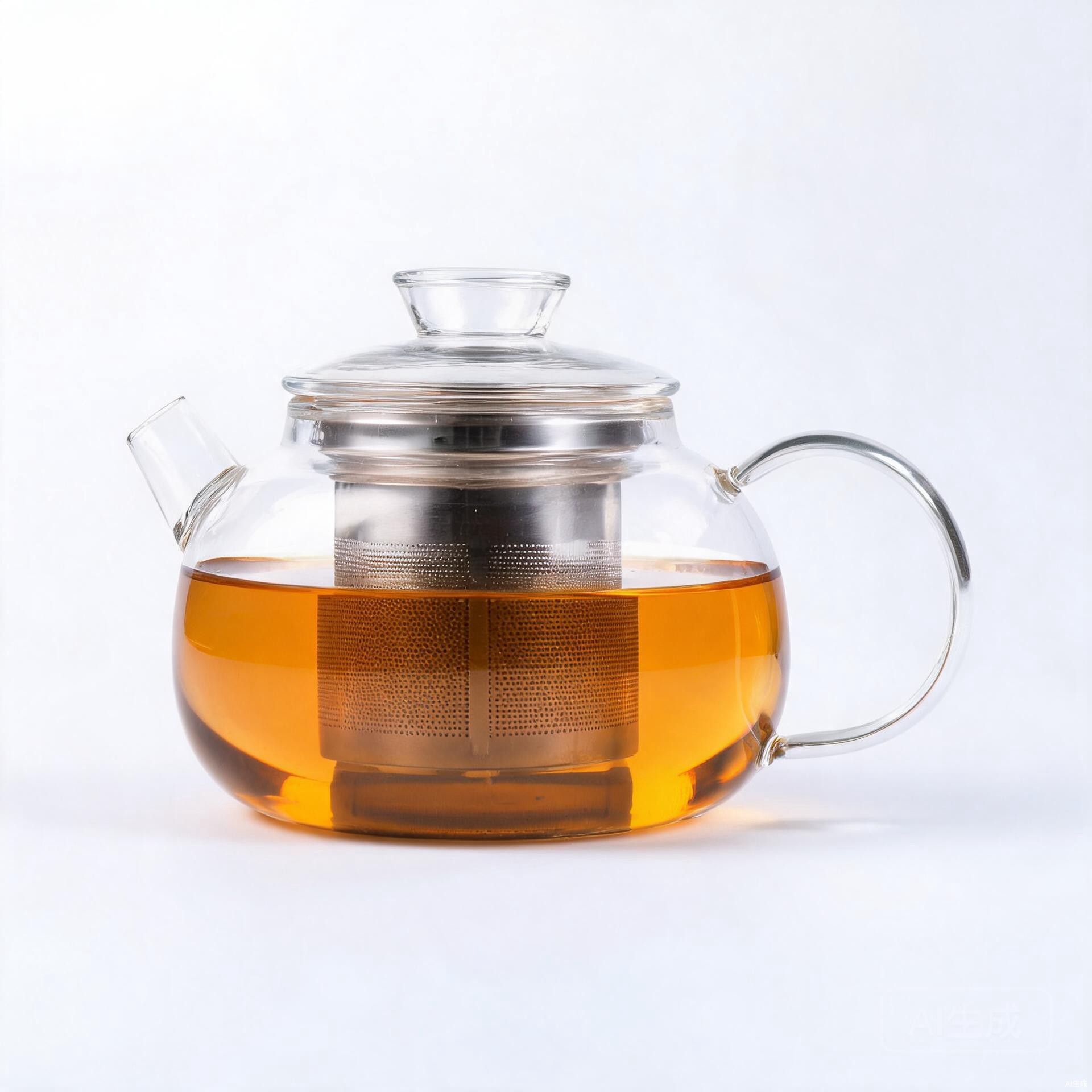
MESNEY 61oz Large Glass Teapot with Infuser
1.8L with a dozen flowers blooming inside — the version to bring to a table, where the glass does the serving and the decoration at once.
Buy Now
17oz Double Walled Glass Coffee Mug
For a single caffeine-free evening cup, the double wall keeps the delicate infusion warm without stewing it — and keeps the flowers visible to the last sip.
Buy NowFrequently Asked Questions
Does chrysanthemum tea have caffeine?
No — chrysanthemum is a flower infusion with no tea leaf involved, so it is completely caffeine-free. The pu-erh blend above does contain caffeine, since pu-erh is a true tea.
What does chrysanthemum tea taste like?
Light, faintly sweet, and delicately floral with a honeyed aroma and a clean, slightly dry finish. It is much subtler than chamomile or lavender — closer to a scented water than a strong herbal tea.
How many chrysanthemum flowers per cup?
Three to four whole flowers per 8 oz cup, or 5–8 for a two-cup pot. More than that and the cup turns bitter rather than stronger.
Is chrysanthemum tea good for sleep?
It is a caffeine-free, gently floral cup, which makes it a natural evening drink, and traditional Chinese practice does associate it with calming. It has no sedative compounds — the benefit is largely the ritual of a warm, light infusion.
Can I drink chrysanthemum tea every day?
It is generally enjoyed regularly, though traditional Chinese practice favors moderation, since it is considered a cooling herb. A cup or two a day is common; people with ragweed or daisy allergies should start cautiously.
Can I re-steep the flowers?
Yes, and you should. Whole flowers give two or three good infusions; add 30 seconds to each successive steep. Many drinkers find the second cup the sweetest of the three.
What is chrysanthemum tea good for?
Traditionally it is a cooling herb associated with eye comfort and with settling rich meals, and it is most often drunk as a light, caffeine-free everyday cup. It is a pleasant traditional infusion rather than a treatment.
The Bottom Line
Chrysanthemum tea is the most graceful cup in the herbal cupboard: whole golden flowers opening in hot water, a pale amber liquor with a honeyed aroma, no caffeine, and no need for sugar. Rinse the flowers once, steep at just under boiling, and keep the blossoms for a second steeping.
Brew it in a MESNEY borosilicate glass teapot — the bloom is the point, and the color of the liquor tells you exactly when to pour.
As an Amazon Associate, MESNEY earns from qualifying purchases. Prices and availability are subject to change.