Cinnamon Tea: The Complete Guide to the Coziest Cup of Winter
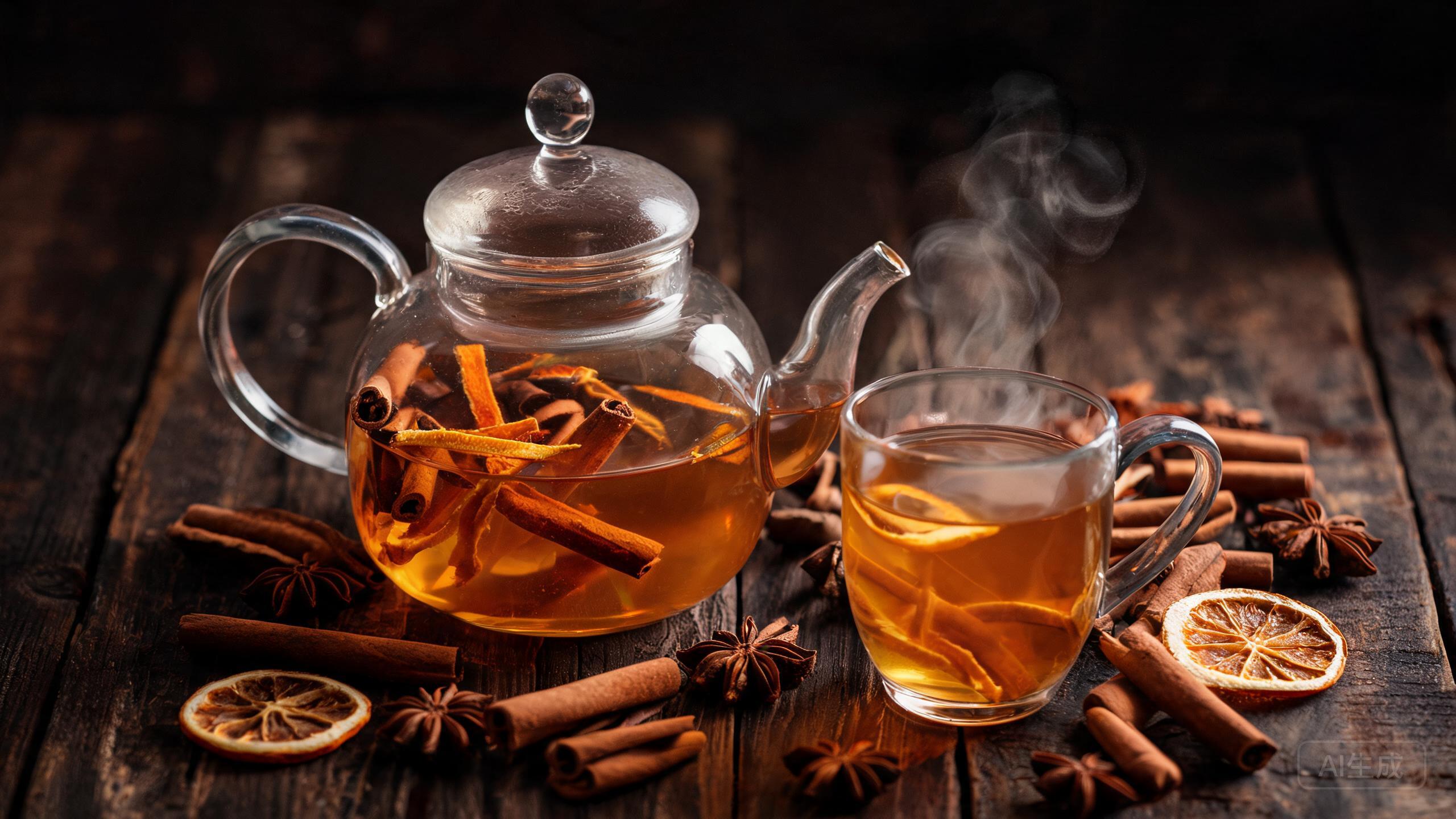
Cinnamon tea is winter in a glass — a deep amber, spice-sweet cup that smells like every good thing about December. It also happens to be one of the best-researched spices on earth: blood sugar, antioxidants, circulation, cold-season comfort. Zero caffeine, three ingredients, five minutes.
This guide covers what cinnamon tea actually does, the Ceylon-vs-cassia question everyone should know about (it matters more than most people think), how to brew cinnamon stick tea properly, five recipes worth repeating all season, and the glass teapots that make it look as good as it tastes.
Cinnamon Tea Benefits: What the Research Shows
Cinnamon comes from the inner bark of Cinnamomum trees, and it's one of the most-studied spices in nutrition science:
- Blood sugar support. This is cinnamon's best-documented effect. Multiple clinical trials show cinnamon can modestly improve fasting blood sugar and insulin sensitivity — a cup alongside or after meals is the traditional timing. It's a supportive habit, not a medication, but the research base is real.
- Antioxidant power. Gram for gram, cinnamon ranks among the most antioxidant-rich foods ever measured — ahead of almost every spice except a few. Those polyphenols are the backdrop to every other benefit on this list.
- Circulation and warmth. Cinnamon is a warming spice in the pharmacological sense: it promotes peripheral blood flow. That's why a hot cinnamon cup genuinely takes the chill off hands and feet in a way plain hot water doesn't.
- Cold-season comfort. Cinnamon has documented antimicrobial properties in lab settings, and it's a classic cold-season pairing with honey and lemon — soothing for throats, warming for everything else. It won't cure a cold; it makes having one considerably nicer.
- Digestion. Like other aromatic spices, cinnamon relaxes the gut and stimulates digestion — the reason it stars in after-dinner blends and mulled drinks everywhere.
The one thing to know: common cassia cinnamon contains coumarin, which is hard on the liver at high daily doses. A couple of cups a day is well within safe limits for healthy adults, but if cinnamon tea becomes a daily habit, choose Ceylon cinnamon — it has a tiny fraction of the coumarin. More on that below.
Ceylon vs Cassia: The Cinnamon Question That Matters
| Ceylon ("True" Cinnamon) | Cassia (Supermarket Standard) | |
|---|---|---|
| Flavor | Delicate, floral, subtly sweet | Bolder, hotter, more punchy — the familiar taste |
| Coumarin content | Trace amounts — safe daily | High — fine occasionally, not ideal in large daily doses |
| Price & availability | Pricier, specialty stores or online | Cheap, everywhere |
| Best for | Daily cinnamon tea drinkers | Occasional cups, baking, cooking |
For a once-a-week cup, cassia is completely fine. For a daily ritual, Ceylon is the right call — you'll avoid the coumarin question entirely, and many people come to prefer its softer, more refined flavor. Look for "Ceylon cinnamon" on the label; the sticks are thin, papery, and roll up like a cigar, while cassia sticks are thick, hard, and hollow like a small tube.
How to Make Cinnamon Tea (Sticks vs Ground)
Classic Cinnamon Stick Tea (2 cups)
- 1 cinnamon stick (about 3 inches), broken in half
- 16 oz (480 ml) water
- Optional: honey, orange peel, clove, or a black tea bag for a spiced-tea version
Method: Cinnamon bark is dense, so steeping alone leaves the flavor locked in — simmer it. Combine the broken stick and water in a pot (or stovetop-safe glass teapot), bring to a gentle simmer, and hold for 10–15 minutes. The water will turn deep amber and smell like the holidays. Strain, sweeten with honey if you like, and drink warm.
Quick Ground Cinnamon Version (1 cup)
- ¼–½ teaspoon ground cinnamon
- 8 oz (240 ml) boiling water
- 1 teaspoon honey (it helps the ground spice suspend)
Method: Stir the cinnamon into the hot water, cover, steep 8–10 minutes, stir again, and drink without straining (ground cinnamon is harmless to drink, it just settles). Expect a cloudier, softer cup than the stick version.
Reuse your sticks: a good cinnamon stick yields two full brews — the second simmer runs 15–20 minutes. Store the used stick in the fridge between brews and toss it when the second cup tastes thin. Cinnamon sticks keep their potency for years in a sealed jar.
5 Cinnamon Tea Recipes Worth Repeating
- Honey cinnamon tea: the classic — one simmered stick, one teaspoon of honey, squeeze of lemon. The default cold-evening cup.
- Apple cinnamon tea: add thin-sliced apple (or a tablespoon of unfiltered apple juice) to the simmer — a lighter, fruitier take on hot cider.
- Orange spice cinnamon tea: cinnamon + orange peel + one clove, simmered together — bright, aromatic, and beautiful in a glass pot.
- Cinnamon milk: simmer the stick in milk (dairy or oat) instead of water, sweeten with honey — the original bedtime comfort drink.
- Spiced black tea: drop a brewed black tea bag into finished cinnamon tea with a cardamom pod — a fast homemade chai shortcut with half the effort.
Does Cinnamon Tea Have Caffeine?
Pure cinnamon tea is naturally caffeine-free. The spice itself contains none, which makes the plain version an all-evening drink and the cinnamon-milk version a genuine bedtime cup. The only exception is the spiced black tea variation, where caffeine comes from the tea leaves, not the cinnamon.
Troubleshooting
"My cinnamon tea tastes like nothing"
You steeped instead of simmered. Cinnamon bark needs heat and time — a full 10–15 minute gentle simmer — to release its oils. Also check your sticks: old, faded sticks from the back of the spice drawer have usually gone flat.
"The ground cinnamon version is gritty"
Ground cinnamon never fully dissolves — that's normal. Stir before each sip, use the smaller ¼ teaspoon dose, or strain through a fine mesh. Or just switch to sticks, which solve the problem completely.
"It's too spicy / harsh"
Cassia runs hotter than Ceylon. Try Ceylon sticks, shorten the simmer, or mellow the cup with milk and honey — the cinnamon-milk version is the gentlest way to drink it.
Why Glass Is the Right Home for Cinnamon Tea
Cinnamon tea is the most photogenic pot on the stove: amber liquor, swirling spice, maybe an orange peel curling in the heat. A stovetop-safe borosilicate glass teapot lets you simmer the sticks right in the pot and serve straight from it, and the glass holds no spice residue between brews. A double-wall glass mug keeps the winter cup warm to the very last swallow.

40oz Glass Teapot with Infuser
Made for spice tea: break the cinnamon sticks into the deep infuser basket, simmer gently, and pour amber cups straight from glass that never holds a trace of spice. About 4 cups per batch — enough for company.
Buy Now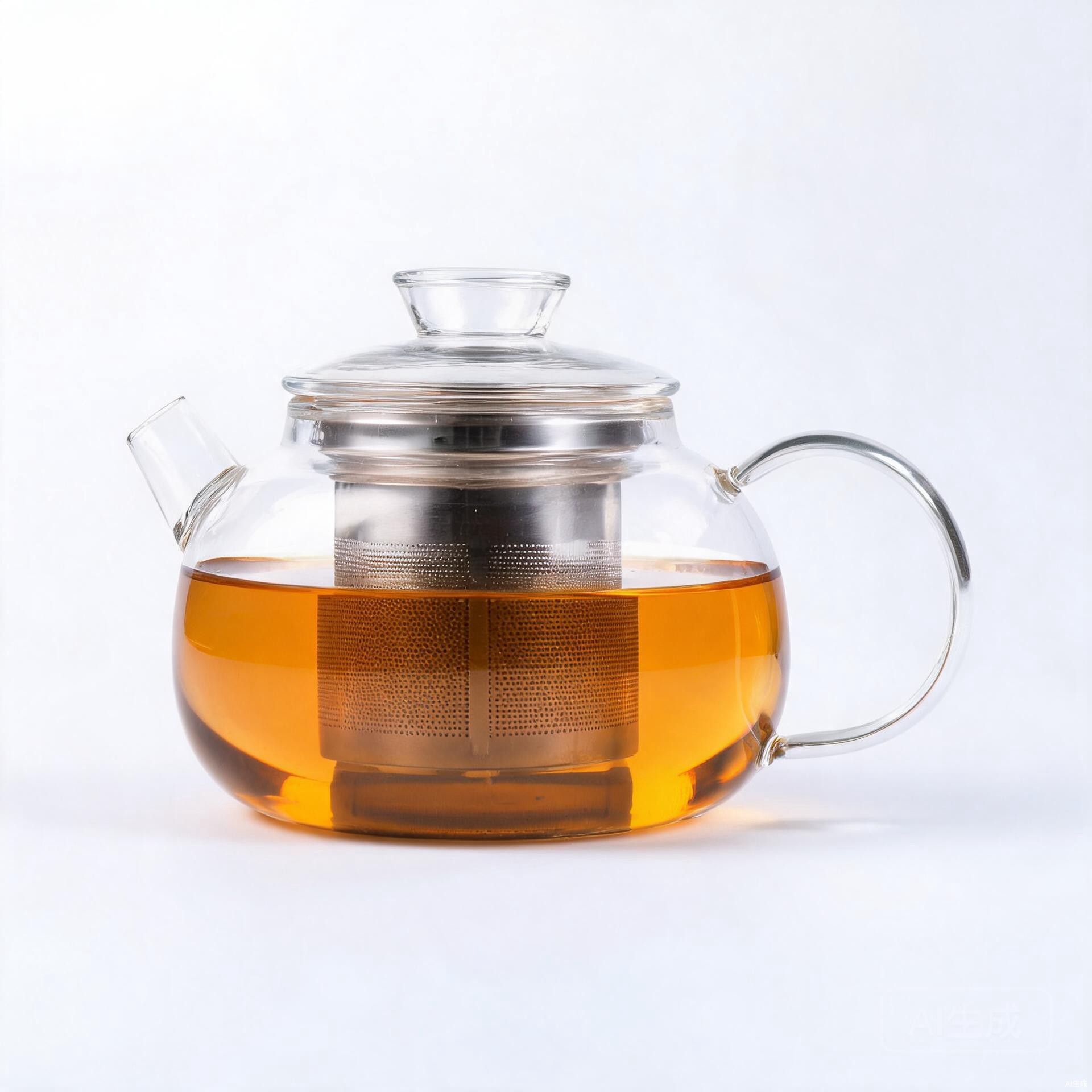
MESNEY 61oz Large Glass Teapot with Infuser
1.8L for the holiday version — cinnamon, orange peel, and cloves by the batch, with the deep basket straining every spice.
Buy Now
17oz Double Walled Glass Coffee Mug
The double wall holds heat for the slowest winter sip and stays comfortable in cold hands.
Buy NowFrequently Asked Questions
What are the benefits of drinking cinnamon tea?
The best-supported benefits are blood sugar support, a high antioxidant load, improved circulation and warmth, and cold-season comfort. Plus it's caffeine-free and naturally sweet enough to skip the sugar.
How do you make cinnamon tea with a cinnamon stick?
Break one stick, simmer it in 2 cups of water for 10–15 minutes until deep amber, strain, and sweeten if you like. Simmering — not steeping — is what releases the flavor.
Is cinnamon tea good for a cold?
It's a classic cold-season cup: warming, throat-soothing with honey and lemon, and antimicrobial in lab studies. It won't cure a cold, but it makes one measurably more comfortable.
Which cinnamon is best for daily tea?
Ceylon cinnamon. It has far less coumarin than common cassia, making it the right choice for a daily habit. Cassia is fine for occasional cups.
Does cinnamon tea help with weight loss?
Cinnamon supports healthy blood sugar, which relates to appetite and cravings, but no tea is a weight-loss shortcut. The honest framing: it's a zero-calorie, zero-caffeine sweet-tasting drink that replaces sugary beverages.
Can I drink cinnamon tea every day?
Yes — 1–2 cups daily is safe for most people, especially with Ceylon cinnamon. If you have liver conditions or take blood thinners, check with your doctor first.
The Bottom Line
Cinnamon tea is the easiest win in the entire tea calendar: two sticks of bark, a simmer, and a cup that's warming, genuinely health-supportive, naturally sweet, and free of caffeine. Buy Ceylon for the daily habit, simmer rather than steep, and reuse every stick twice.
Brew it in a MESNEY glass teapot: simmer the sticks right in the pot, watch the amber deepen through the glass, strain the spices in the deep infuser basket, and pour into a double-wall mug that keeps the warmth of winter in your hands.
As an Amazon Associate, MESNEY earns from qualifying purchases. Prices and availability are subject to change.