Clove Tea: The Complete Guide to the Winter Warming Spice
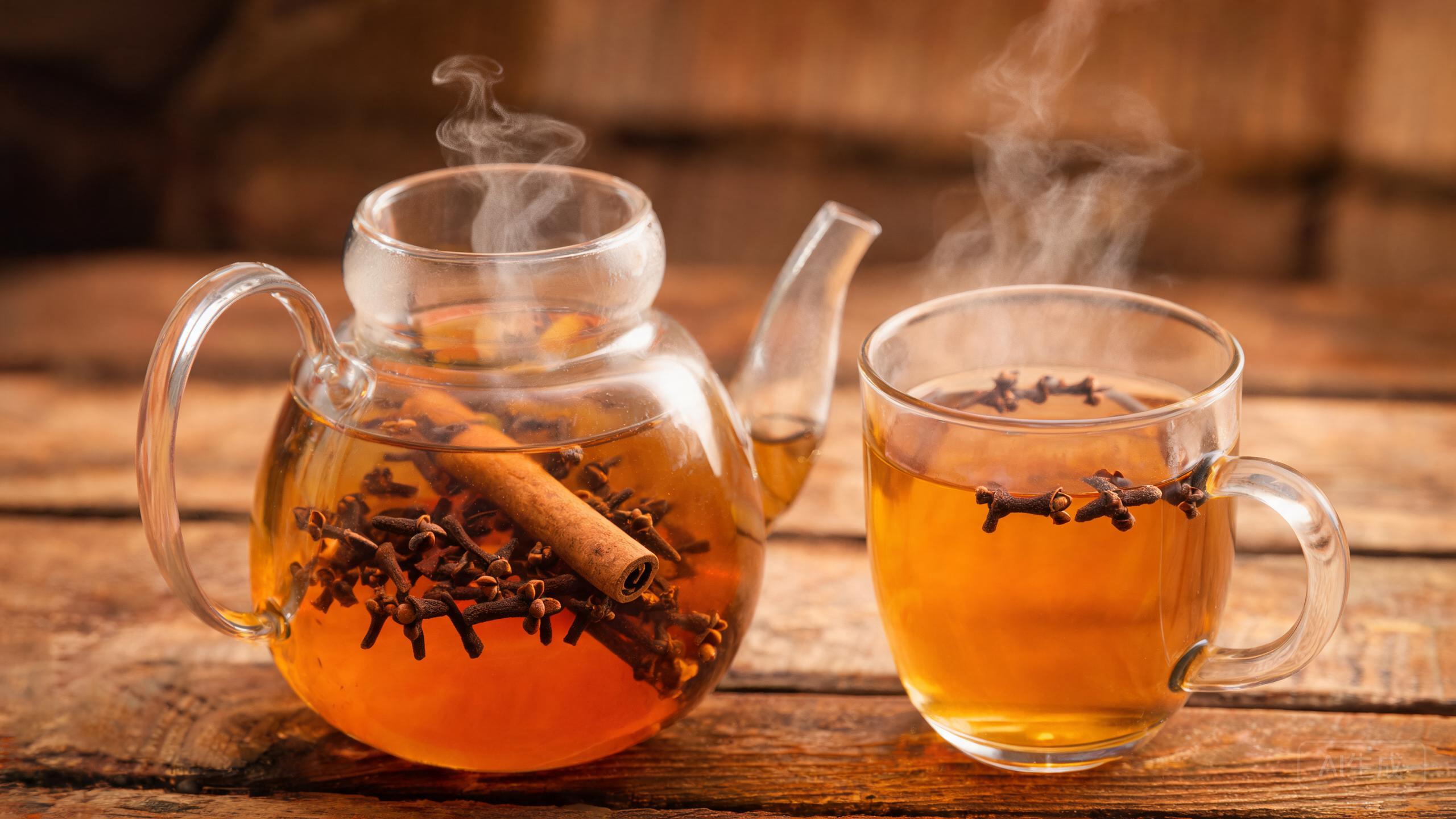
Clove tea is the quiet winter workhorse of the spice rack — an intensely aromatic, numbly-sweet brew that has been used for centuries to calm sore throats, settle digestion, and add serious warmth on cold nights. It's one of the fastest-growing spiced-tea searches in America, and for good reason: cloves are packed with a compound called eugenol that most of the world uses, to this day, as a natural anesthetic and antimicrobial.
This guide covers what clove tea actually does (digestion, coughs, toothaches, immunity), whole vs ground cloves, how to brew it properly so it's warming instead of bitter, the best clove tea combinations, and the glass teapots that display that deep amber liquor exactly as it should be.
Clove Tea Benefits: What the Research Really Shows
Cloves are the dried flower buds of the Syzygium aromaticum tree, and their chemistry is genuinely impressive for a pantry staple. The active compound, eugenol, is what makes clove tea feel like an old-time remedy that actually works:
- Soothes sore throats and coughs. Eugenol is a mild natural anesthetic with antimicrobial activity. A warm cup of clove tea coats the throat, numbs minor irritation, and gives comfort during cold season — cloves have been used for respiratory support in traditional medicine for centuries.
- Supports digestion. Cloves stimulate the production of digestive enzymes and help relieve gas, bloating, and that heavy feeling after a rich meal. This is a benefit drinkers feel almost immediately.
- Antioxidant and antimicrobial. Cloves are among the highest-antioxidant spices by weight, and eugenol has demonstrated antibacterial and antifungal activity against a range of common microbes in lab research.
- Toothache relief. Clove oil is the classic natural toothache remedy — and while clove tea is gentler than the oil, a warm, clove-forward rinse can still bring temporary comfort during oral irritation.
- Gently warming. In Ayurvedic and Chinese medicine, cloves are a warming, energizing herb — exactly what you want when the temperature drops.
Three cautions: clove tea is potent, so keep it to 1–2 cups a day — more can irritate the stomach. Clove oil should never be taken internally or used on skin undiluted, and anyone with bleeding disorders, upcoming surgery, or on blood thinners should check with a doctor (cloves can affect blood clotting). Pregnant women should keep intake light and talk to their provider.
Whole Cloves vs Ground Cloves: Which Should You Use?
| Whole Cloves | Ground Cloves | |
|---|---|---|
| Flavor | Sweeter, more floral, less harsh | Sharper, more intense, slightly bitter |
| Best for | Gently simmered tea, mulled drinks, steeping | Quick infusions, spice blends, baking |
| Brew method | Simmer 10–15 min; flavor releases slowly | Steep 5–7 min; strain well |
| Control | Easy to fish out and adjust by count | Harder to remove; easy to overdo |
For tea, whole cloves are almost always the better choice. They release flavor slowly, they're easier to strain, and they don't leave that gritty, bitter powder clinging to your mug. Save the ground clove for baking and for when you need a very quick 5-minute cup.
How to Make Clove Tea (Two Methods)
Classic Whole Clove Tea (1–2 cups)
- 6–8 whole cloves (or up to 12 for a strong cup)
- 2 cups (480 ml) water
- Optional: a cinnamon stick, star anise, or a slice of fresh ginger
Method: Cloves are hard and release slowly, so simmer rather than steep. Combine the cloves and water in a small pot, bring to a gentle boil, and simmer 10–15 minutes. The water will turn a deep amber. Strain into a mug or glass teapot and stir in honey if you like. Whole cloves keep, so you can keep a gentle simmer going and top it up for a mulling pot.
Quick Ground Clove Tea (1 cup)
- ½ to ¾ teaspoon ground cloves
- 8 oz (240 ml) hot water
- Optional: lemon, honey, milk
Method: Pour hot water over the ground cloves and steep 5–7 minutes. Strain through a fine mesh or a tea infuser — ground clove is easy to over-brew, so start small and taste. It's sharper and more bitter than the whole-clove version, so many people round it out with a teaspoon of honey.
The winter mulling trick: cloves pair beautifully with cinnamon, orange zest, and a drop of vanilla. Making a 30-minute "mulling pot" of spiced clove tea on a cold afternoon fills the kitchen with warmth — and the whole cloves strain out effortlessly in a teapot with a deep infuser basket.
5 Clove Tea Combinations Worth Brewing
- Clove and cinnamon: the classic warming duo — sweet, spicy, and deeply comforting at night.
- Clove and ginger: ginger adds heat and kick, and together they're a go-to for winter cold-and-cough comfort.
- Clove and orange: a few strips of orange zest lift the sweetness — like a mug of warm winter fruit punch.
- Clove and cardamom: a spiced chai-adjacent combo with an aromatic, almost floral complexity.
- Clove and honey-lemon: add both to the classic brew for a soothing sore-throat cup with real antibacterial help.
Is Clove Tea Good for a Toothache, Cough, or Cold?
Toothache
Yes, within reason. Eugenol is a recognized natural anesthetic — it's still used in some dental products today. A lukewarm clove tea rinse can temporarily soothe minor tooth or gum irritation. It's a comfort measure, not a treatment: severe or persistent tooth pain needs a dentist.
Cough and cold
Clove tea is a genuinely useful part of cold-season self-care. It's warm, comforting, mildly antimicrobial, and pairs perfectly with honey and lemon for a sore throat. It won't cure a cold, but it makes the week much more bearable — and it's caffeine-free, so it won't keep you up at night while you're nursing it.
How Much Clove Tea Should You Drink a Day?
Most people do best with 1–2 cups a day. Clove is potent — the essential oil is a toxin in large doses, and even the tea can irritate the stomach if overdone. A couple of cups a day, ideally with food or in the evening, gives you the warming and digestive benefits without pushing it.
Why Glass Is the Right Home for Clove Tea
Clove tea is a slow, fragrant simmer — the kind of brew you want to watch develop from clear water to deep amber while the kitchen fills with spice. A borosilicate glass teapot shows that color honestly, never absorbs the strong clove oils between batches, and the stovetop-safe ones let you mull a full pot right on the stove. For single evening cups, a double-wall glass mug keeps the warmth in while staying cool in your hand — perfect for the 30-minute comfort drink that should never burn your fingers.

40oz Glass Teapot with Infuser
Made for slow-spice simmers: about 4 cups of mulling clove tea on the stovetop-safe glass, olfactory-free, heat-safe. The deep infuser basket holds whole cloves, cinnamon, and orange zest, then lifts clean for a clear pour.
Buy Now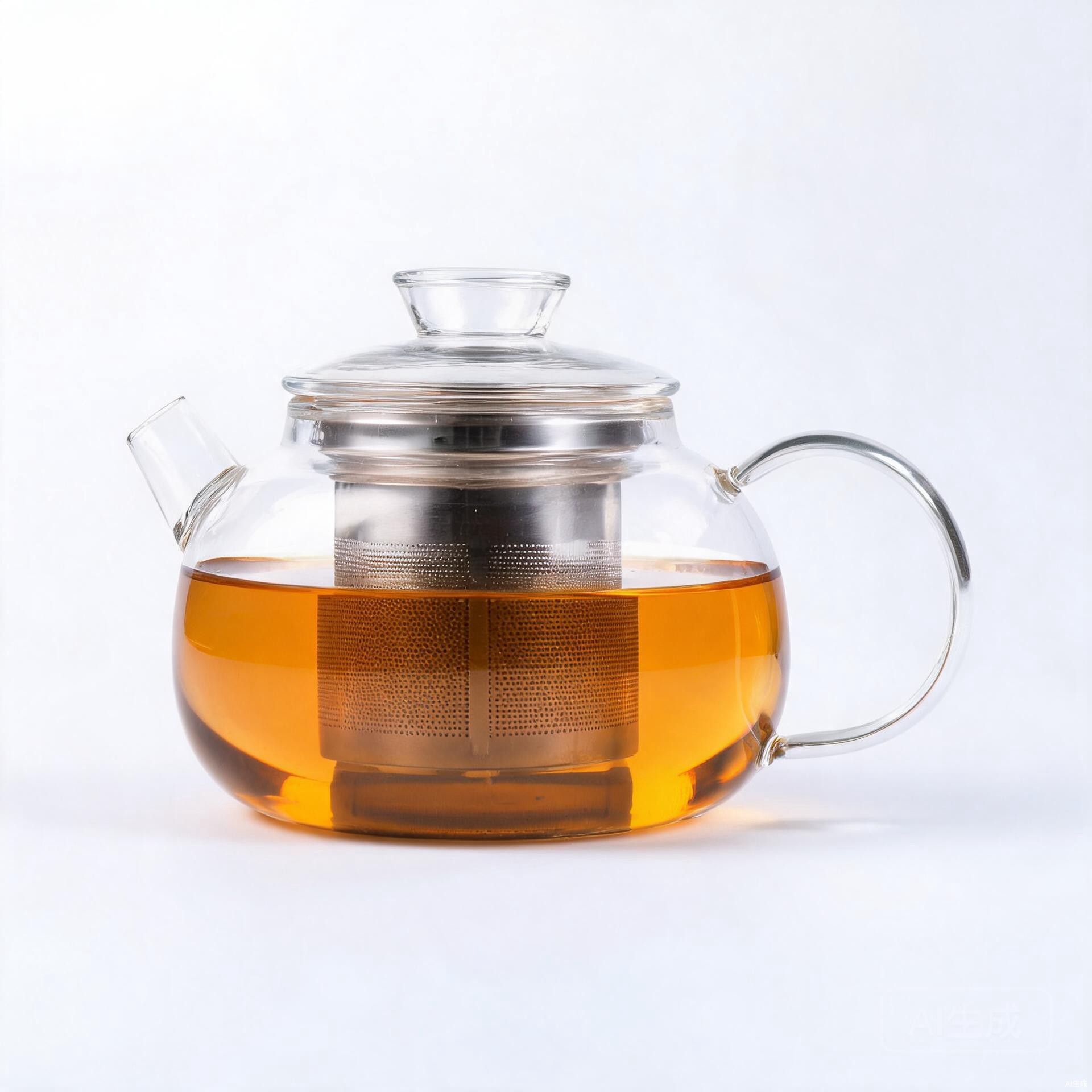
MESNEY 61oz Large Glass Teapot with Infuser
1.8L fills a whole Sunday mulling pot — enough simmering spiced clove tea for a crowd or a week of cold-season comfort.
Buy Now
17oz Double Walled Glass Coffee Mug
Clove tea is meant to be sipped slowly — and the double wall keeps your warm amber cup cosy for the whole mull, without ever heating your hands.
Buy NowFrequently Asked Questions
Does clove tea have caffeine?
No — cloves are caffeine-free. Clove tea is a naturally caffeine-free herbal brew, which is why it's such a good evening and cold-season drink. Even a bedtime cup won't keep you up.
Are cloves good for a sore throat?
Yes. The eugenol in cloves is a mild natural anesthetic with antimicrobial action, and a warm clove tea with honey and lemon is a time-tested soothing drink for a scratchy throat.
Can you drink clove tea every day?
For most people, 1–2 cups a day is fine and even enjoyable. Because clove is potent, don't exceed that, and avoid clove oil internally. Check with a doctor if you take blood thinners or are pregnant.
Do cloves help you sleep?
Cloves don't contain sedatives, but a warm, caffeine-free, spiced cup at night is naturally calming and aids the wind-down ritual. They're often blended in bedtime spice teas for exactly that relaxed feeling.
Is clove tea good for digestion?
Yes — cloves stimulate digestive enzyme production and help relieve gas and bloating. It's one of the most reliable, immediately noticeable benefits of drinking clove tea after a heavy meal.
How many cloves should I use in tea?
Start with 6–8 whole cloves per 2 cups of water and adjust. Whole cloves are gentle enough to simmer longer, while ground clove is much stronger — use just ½–¾ teaspoon and taste.
The Bottom Line
Clove tea is the winter spice that earns its keep: a genuinely warming, caffeine-free brew with real digestive, antimicrobial, and sore-throat benefits, all packed into a pantry staple. Use whole cloves, simmer them slowly instead of rushing, and let honey and a cinnamon stick round out the edge.
Brew it in a MESNEY borosilicate glass teapot: watch the water turn deep amber through the glass, mull a full pot on the stove, and pour into a double-wall mug for the most comforting cup of cold season.
As an Amazon Associate, MESNEY earns from qualifying purchases. Prices and availability are subject to change.