Coffee and Dessert Pairing: The Complete Guide to Matching Beans with Sweets
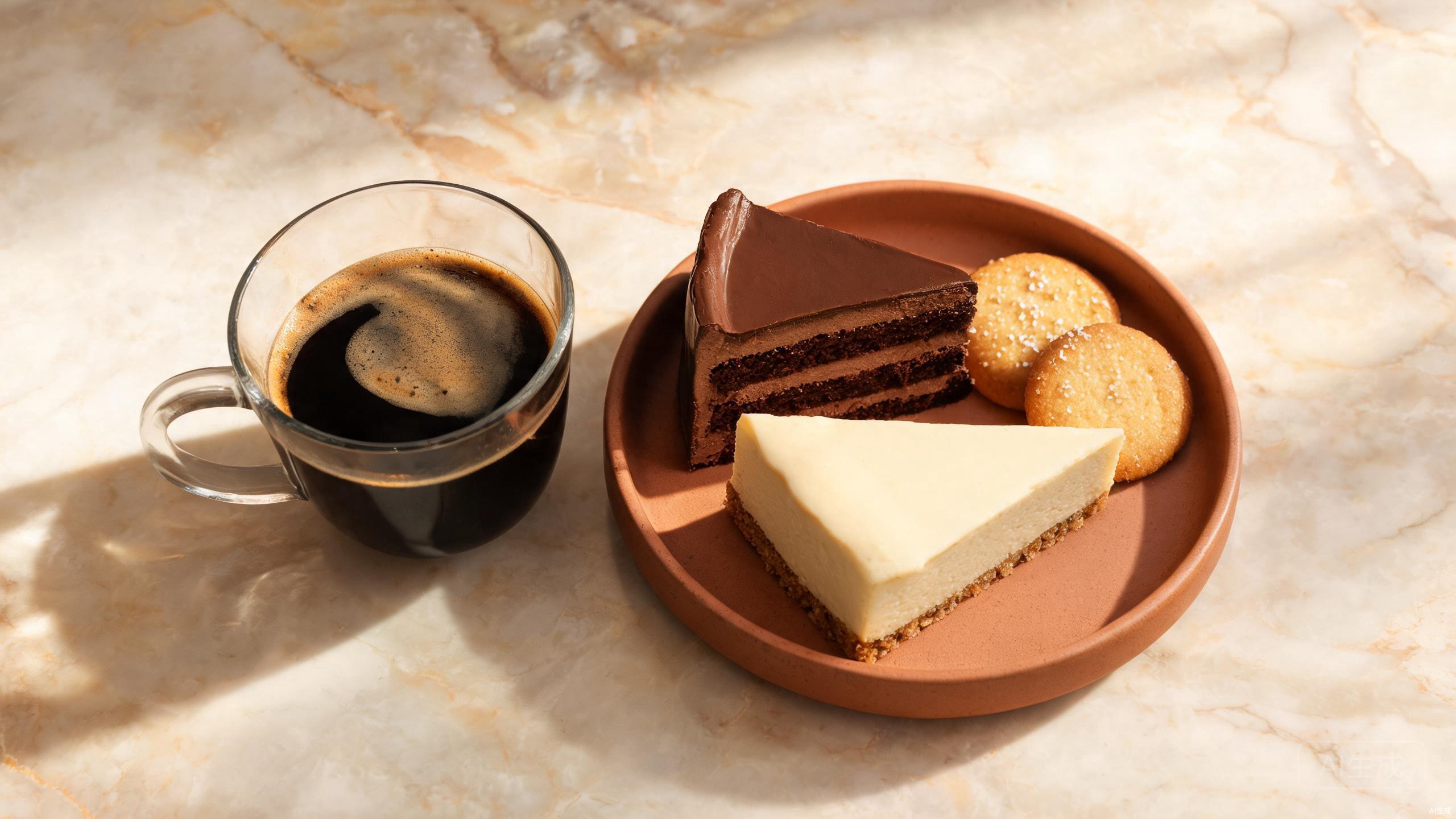
Great coffee and dessert pairing is one of the most underrated pleasures of the table. A bitter espresso against a silky chocolate mousse. A bright, citrusy pour-over beside a lemon tart. A smooth, chocolatey cold brew poured over vanilla bean ice cream. When you get the combination right, the coffee doesn't just accompany the dessert — it transforms it, cutting through cloying sweetness, lifting rich fats, and unlocking flavors you never noticed before.
In this complete coffee pairing guide, we'll answer the question everyone asks at the end of a good meal — what dessert goes with coffee? — and then go much deeper. You'll learn the science of why certain coffee dessert combinations work, which brew styles match which sweets, eight perfect pairings with exact recipes, how to build a coffee and dessert tasting menu at home, and the glassware that makes the whole experience better. Let's start matching.
Why Coffee and Dessert Are a Natural Pairing
Coffee and dessert have been dining companions for centuries, and there's a good reason the tradition stuck. They are, quite literally, made for each other — opposites in flavor that complete one another. Understanding the four fundamental dynamics of coffee and dessert pairing will instantly improve every combination you try.
Bitterness Cuts Sweetness
Coffee's signature bitterness is not a flaw — it's a balancing tool. Sugar and bitterness sit at opposite ends of the taste spectrum, and when they meet, they tame each other. A dessert that leans too sweet (think gooey caramel, honey-glazed pastries, or frosting-heavy cakes) becomes far more elegant when the roast's bitter edge resets your palate between bites. This is why a plain slice of pound cake suddenly tastes refined next to a dark roast, and why tiramisu never feels cloying when the coffee layer is strong and slightly bitter.
Acidity Brightens Fat
Butter, cream, mascarpone, and custard all have rich, coating fats that can feel heavy. Coffee's acidity — the same acidity you taste as brightness in a light roast or a snappy espresso — cuts through that richness the way a squeeze of lemon cuts through a cream sauce. That's why a light, floral roast works beautifully with a butter-heavy croissant or a mascarpone layer cake: the acidity keeps each bite feeling light and fresh.
Shared Aroma Families
Many desserts share aroma compounds with coffee. Chocolate, nuts, caramel, vanilla, and toasted sugar all contain the same roasted, Maillard-reaction compounds found in coffee beans. When a brew and a dessert share these notes, they reinforce each other — the cocoa of a dark roast echoing the cocoa of a flourless cake, the hazelnut undertone of a medium roast meeting a praline filling. This overlap is why pairing feels intuitive: the flavors are already cousins.
Texture and Ritual
Finally, there's the simple physical pleasure. A warm mug in one hand, a fork in the other, alternating sips and bites — the contrast of hot liquid and cool cream, crisp crust and velvet interior — makes the meal feel complete. Coffee extends the dessert, keeps the conversation going, and gives the sweetness a beginning, middle, and end instead of a single sugar crash.
The Science of Coffee and Dessert Pairing
Pairing coffee with dessert isn't guesswork — it's applied food science. Coffee contains over 800 aroma compounds, and how you brew it changes which of those compounds dominate. Here are the four scientific principles that govern every successful coffee dessert combination.
1. Flavor Compound Overlap
Roasting coffee creates hundreds of volatile compounds through the Maillard reaction — the same chemical process that browns bread crust, toasts nuts, and caramelizes sugar. Dark chocolate, caramel, hazelnut, and toasted pastry share these exact compounds. When you pair a coffee with a dessert that contains overlapping molecules, the flavors amplify each other. This is why the classic pairings work: espresso and dark chocolate share pyrazines (roasty, nutty notes), while medium roasts and caramel desserts share furanones (sweet, caramelized notes).
2. Sweetness Balancing
Our palates are wired to seek balance. When you taste something very sweet, your brain actually perks up at the bitter or acidic contrast that resets the signal. A coffee pairing guide worth its salt treats coffee as the palate reset button: a few sips of coffee between dessert bites keep the sweetness at its peak instead of letting it build into overload. The practical rule: the sweeter the dessert, the more bitter or roasted the coffee should be to counterbalance it.
3. Acidity Matching
Acidity is coffee's second great lever. Lighter roasts and certain origins (think Ethiopian or Kenyan coffees with citrus, berry, and floral notes) have pronounced acidity. That acidity pairs brilliantly with fruit-forward desserts — lemon tarts, berry tarts, apple strudel, passionfruit mousse — because the flavors live in the same bright register. Conversely, pairing a highly acidic coffee with a flat, bready dessert can make the dessert taste dull, which is why acidity should be matched to the dessert's own character rather than ignored.
4. Body and Texture
Body — the weight and mouthfeel of coffee — determines how it interacts with a dessert's texture. A heavy, syrupy dark roast or a dense cold brew concentrate has the weight to stand up to thick, fudgy, creamy desserts. A light, tea-like pour-over would be swallowed whole by a flourless chocolate cake, but it shines next to delicate meringues and airy sponge cakes. Matching weight to weight is the fastest way to make a pairing feel deliberate.
Coffee Styles and Their Best Dessert Matches
Before we get to specific recipes, here's the big-picture framework. Every brew style has a personality — its own balance of body, acidity, bitterness, and sweetness — and each one gravitates toward a family of desserts. Memorize these five matchups and you can build a hundred combinations on your own.
Espresso and Dark Roasts → Dark Chocolate, Tiramisu, Flourless Cake
Espresso is intense, low in acidity, high in bitterness, and full-bodied — the heavyweight of coffee. Its best partners are desserts with the strength to match it: dark chocolate at 60-85% cacao, classic tiramisu (which is built on espresso anyway), flourless chocolate cake, espresso granita, and chocolate-dipped biscotti. The bitterness of the espresso and the bitterness of dark chocolate cancel each other out, leaving pure cocoa and roast flavor. This is the pairing zone where "coffee and chocolate" becomes a religion.
Light Roasts and Pour-Over → Fruit Tarts, Lemon Desserts, Macarons
Light roasts preserve the bean's origin character: citrus, berries, florals, and a crisp, tea-like body. These are the wines of coffee — meant to be appreciated for their nuance. They pair best with bright, delicate desserts: lemon tarts, berry fruit tarts, raspberry macarons, apple galettes, peach cobblers, and citrus panna cotta. The coffee's acidity echoes the dessert's fruit, and neither one overwhelms the other. Pour-over or a simple filtered brew is the ideal delivery method because it keeps the coffee clean and transparent.
Cold Brew → Ice Cream, Cheesecake, Brownies
Cold brew is brewed with cold water over 12-24 hours, producing a coffee that's smooth, low in acidity, naturally sweet, and intensely chocolatey. Because it contains almost none of the bitter compounds that hot extraction pulls out, cold brew is the most dessert-friendly coffee style there is. It's stunning with vanilla ice cream (pour it right over the scoop for an instant affogato), New York cheesecake, dense fudgy brownies, chocolate mousse, and even banana bread. Cold brew sweetens the deal without adding sugar — it's the espresso's relaxed, approachable cousin.
Mocha and Flavored Coffees → Caramel, Vanilla, Nutty Desserts
Coffees with added chocolate, caramel, hazelnut, or vanilla flavoring are dessert-forward by design, so they pair with desserts that speak the same language: salted caramel anything, crème brûlée, pecan pie, praline tarts, vanilla bean panna cotta, and butter pecan ice cream. Because the coffee is already sweet and flavored, keep the dessert from getting cloying — look for desserts with salt, roasted nuts, or spice (cinnamon, cardamom) to add contrast. A mocha with a salted caramel brownie is a study in controlled indulgence.
Decaf → Evening Desserts
Decaf coffee has come a long way — modern Swiss water and CO2 processing preserve most of the roast character with almost none of the caffeine. That makes decaf the perfect companion for after-dinner desserts when you don't want to be buzzing at midnight: warm chocolate pudding, lava cake, fruit crumbles, shortbread, and anything you want to linger over. Choose a decaf dark roast for chocolate desserts and a decaf medium roast for fruit and nut desserts. The rule is simple: if it's a dessert you'd serve late, serve decaf with it.
8 Perfect Coffee and Dessert Pairings (Recipe Cards)
Here are eight coffee dessert combinations that are practically guaranteed wins, with exact measurements so you can reproduce them at home. Each card explains why the pairing works — and how to serve it.
1. Espresso and Dark Chocolate Truffles
Time: 5 minutes | Difficulty: Easy | Servings: 1
Ingredients
- 2 oz (60 ml) espresso — pulled fresh from a stovetop espresso maker or espresso machine, medium-dark roast
- 3 dark chocolate truffles — 70-85% cacao, rolled in cocoa powder
Why It Works
This is the purest form of the classic pairing. The espresso's deep bitterness and the chocolate's cacao bitterness hit the palate at the same intensity and cancel each other out, leaving only roasted, cocoa-forward flavor. The cocoa butter in the truffles coats the tongue, and each sip of espresso cuts through it cleanly. Sip, bite, sip again — the truffle slowly melts against the hot coffee.
2. Espresso and Classic Tiramisu
Time: 10 minutes | Difficulty: Easy | Servings: 1-2
Ingredients
- 2 oz (60 ml) espresso — fresh, for sipping alongside
- 1 slice tiramisu — mascarpone cream, coffee-soaked ladyfingers, cocoa dusting
Why It Works
Tiramisu is already coffee — the ladyfingers are soaked in espresso — so pairing it with a fresh shot is almost redundant, and that's exactly the point. The pairing reinforces the dessert's central flavor while the mascarpone's rich fat is brightened by the coffee's acidity. The result is a dessert that tastes deeper and more complex than it would alone.
3. Dark Roast and Flourless Chocolate Cake
Time: 8 minutes | Difficulty: Easy | Servings: 1
Ingredients
- 8 oz (240 ml) dark roast coffee — brewed in a French press or drip brewer
- 1 slice flourless chocolate cake — dense, fudgy, served at room temperature
- Optional: a spoonful of unsweetened whipped cream
Why It Works
Heavy meets heavy. The flourless cake's dense, molten center is the textural match for a full-bodied dark roast, and both are built on the same roasted, slightly smoky flavor family. The coffee's bitterness keeps the ultra-sweet cake in check, while the cake's richness softens the roast's edges. This is the pairing to serve when you want maximum chocolate and maximum comfort.
4. Light Roast Pour-Over and Lemon Tart
Time: 10 minutes | Difficulty: Easy | Servings: 1
Ingredients
- 10 oz (300 ml) light roast coffee — pour-over, with bright citrus notes
- 1 slice lemon tart — silky lemon curd in a buttery shortcrust shell
Why It Works
Acidity is the bridge. A light roast with lemon, bergamot, or stone-fruit notes shares the lemon tart's bright, mouth-watering acidity, so the coffee and dessert taste like they were made from the same palette. The buttery tart shell is cut perfectly by the coffee's crispness, and neither element overwhelms the other. It's the most refreshing coffee dessert combination on this list.
5. Light Roast and Raspberry Macarons
Time: 8 minutes | Difficulty: Easy | Servings: 1
Ingredients
- 10 oz (300 ml) light roast coffee — filtered brew with berry or floral notes
- 3 raspberry macarons — almond shells, raspberry buttercream or ganache
Why It Works
A light roast's berry and floral aromatics are the perfect echo of raspberry. The almond in the macaron shells adds nutty sweetness that the coffee's acidity keeps from feeling heavy, and the macaron's crisp-tender shell gives the pairing a lovely textural contrast. This is the pairing for afternoon tea tables and brunches where elegance matters.
6. Cold Brew and Vanilla Bean Ice Cream (Affogato Style)
Time: 3 minutes | Difficulty: Very Easy | Servings: 1
Ingredients
- 3 oz (90 ml) cold brew concentrate — chilled
- 2 scoops vanilla bean ice cream
Why It Works
Pour the cold brew directly over the ice cream scoops and watch the classic affogato come together — no machine required. Cold brew's smooth, low-acid, chocolatey character is tailor-made for vanilla: the creamy sweetness of the ice cream mutes the coffee's last traces of bite, and the coffee keeps the ice cream from feeling one-note. The hot-cold drama of the traditional espresso version becomes a mellow, milkshake-like moment.
7. Cold Brew and New York Cheesecake
Time: 5 minutes | Difficulty: Easy | Servings: 1
Ingredients
- 8 oz (240 ml) cold brew — over ice
- 1 slice New York cheesecake — dense, creamy, graham cracker crust
Why It Works
Cheesecake is rich, tangy, and coating — it needs a coffee that's clean and refreshing rather than heavy. Cold brew's natural sweetness and near-zero bitterness wash the palate between bites, while its chocolatey depth complements the graham cracker crust. The pairing keeps a dense dessert feeling light, which is exactly what a good coffee dessert pairing should do.
8. Mocha and Salted Caramel Brownies
Time: 8 minutes | Difficulty: Easy | Servings: 1
Ingredients
- 8 oz (240 ml) mocha-style coffee — brewed coffee with 1 tablespoon chocolate sauce and a drizzle of caramel
- 1 salted caramel brownie — fudgy brownie with a caramel swirl and flaky salt
Why It Works
Like complements like, with a crucial twist. The mocha's chocolate-caramel sweetness matches the brownie's caramel, and the flaky salt in the brownie cuts through the double sweetness — salt is the secret weapon that keeps indulgent pairings from tipping into sugar overload. Serve this when you want the dessert equivalent of a warm hug.
How to Build a Coffee and Dessert Tasting Menu at Home
Once you've mastered individual coffee dessert combinations, the next step is a structured tasting menu — the easiest way to impress dinner-party guests with almost no extra effort. A coffee and dessert tasting menu is served like a wine flight: several small courses, each pairing one brew style with one small dessert, moving from light to dark.
Here's a proven three-course format that takes about 45 minutes to serve:
- Course 1 (Bright): Light roast pour-over + lemon tart or raspberry macarons. Serves as the palate-opening course.
- Course 2 (Creamy): Cold brew + vanilla ice cream affogato or a slice of cheesecake. The crowd-pleasing middle.
- Course 3 (Rich): Espresso or dark roast + dark chocolate truffles or flourless cake. The dramatic finish.
Serve each course in a fresh glass or mug — this is where a set of double wall espresso cups and mugs earns its keep — and offer a small glass of still water between courses as a palate cleanser. Mention one flavor note about each pairing as you serve it; that single sentence turns a dessert course into an experience. If guests are still going at the end, swap the final course to decaf so nobody lies awake.
Coffee Styles vs Dessert Types: The Pairing Matrix
Use this quick-reference matrix when planning any coffee dessert combination. Match the row (coffee) to the columns that are marked as great matches, and steer clear of the "weak match" columns.
| Coffee Style | Flavor Profile | Great Matches | Good Matches | Weak Matches |
|---|---|---|---|---|
| Espresso | Intense, bitter, low acid, heavy body | Dark chocolate, tiramisu, flourless cake, biscotti | Cheesecake, crème brûlée | Delicate fruit tarts, meringues |
| Dark Roast (drip/French press) | Smoky, bold, low acid, syrupy | Chocolate cake, pecan pie, brownies, warm puddings | Caramel desserts, cheesecake | Lemon desserts, berry tarts |
| Medium Roast | Balanced, nutty, caramel notes | Carrot cake, banana bread, nut tarts, pound cake | Most desserts | Very bitter dark chocolate |
| Light Roast / Pour-Over | Bright, acidic, floral, fruity, light body | Lemon tart, fruit tarts, macarons, apple dessert | Panna cotta, shortbread | Dense flourless cake, heavy fudge |
| Cold Brew | Smooth, low acid, sweet, chocolatey | Ice cream, cheesecake, brownies, chocolate mousse | Most desserts | Very bitter, savory desserts |
| Mocha / Flavored | Sweet, dessert-forward, flavored | Caramel desserts, vanilla panna cotta, nutty treats | Chocolate desserts | Light, tart fruit desserts |
| Decaf | Roast character, no caffeine | Evening desserts: lava cake, pudding, crumbles | Almost everything | Nothing in particular |
Serving Temperature and Glassware: Why Double Wall Glass Mugs Keep Coffee Hot
Temperature is the invisible fourth element of coffee and dessert pairing, and it's the one most home hosts get wrong. Desserts are usually served at room temperature or cold, which means your coffee must do the heavy lifting of providing warmth. A lukewarm cup of coffee alongside a cold cheesecake is a pairing failure no matter how well the flavors match — the temperature contrast is what makes the experience feel complete.
This is where double wall borosilicate glass mugs change the game. The sealed air layer between the inner and outer walls is an insulator: a double wall mug keeps hot coffee hot roughly twice as long as a standard ceramic mug of the same thickness. That matters enormously during a multi-course dessert service, when the coffee needs to stay warm through the entire tasting menu while the dessert plate slowly warms beside it.
There's a second reason double wall glass is the ideal dessert-service glassware: it shows the coffee. A deep, roasty dark brew glows like mahogany; a light pour-over sparkles with amber clarity; a cold brew poured over ice shows its rich, syrupy depth. When coffee is the partner to dessert, you want to see it. And because the outer wall never gets hot to the touch, guests can hold the mug comfortably through the whole course — no coasters, no napkin-wrapped handles, no burned fingers.
The Two Temperature Rules
- Brew hot, serve hot: Coffee loses flavor compounds as it cools. Serve dessert coffees at 140-160°F (60-71°C) — warm enough to be comforting, cool enough to sip immediately. A double wall mug helps you hold that window.
- Cold brews stay cold: The same double wall insulation that keeps hot coffee hot keeps iced and cold brew drinks cold, without condensation dripping on the tablecloth. Serve cold brew in the same double wall glassware, and your table stays dry.
Hosting Tips: Portion Sizes, Timing, and Brewing Fresh vs Batch
Hosting a coffee and dessert evening is one of the lowest-effort, highest-reward dinner party formats — but a few practical decisions determine whether it feels effortless or chaotic.
Portion Sizes
Dessert portions for a pairing menu should be small: one to two bites per course, about half a standard bakery slice. This is a flight, not a feast — the goal is to taste several combinations, not to fill up on the first one. For coffee, serve 4-6 oz (120-180 ml) per course in double wall mugs, or a 2 oz espresso shot in double wall espresso cups. Small pours mean guests can finish each cup while it's at its best temperature.
Timing
Time your courses around the coffee, not the dessert. Brew each course's coffee just before you serve it, because freshly brewed coffee loses its aromatic peak within 5-10 minutes. A good rhythm: serve Course 1, brew Course 2 while guests enjoy Course 1, and so on. This keeps you in the kitchen at natural pauses in the conversation instead of during it.
Brewing Fresh vs Batch
For a dinner party, there are two strategies, and the right one depends on your coffee style. Espresso and pour-over are best brewed fresh per guest — their brilliance lives in the first few minutes. Cold brew, on the other hand, is the ultimate batch coffee: brew a pitcher the day before, chill it overnight, and pour it on demand with zero last-minute work. Dark roast drip coffee can be batch-brewed in a carafe and held in a double wall glass teapot, which keeps it hot for an hour without the scorched taste of a hot plate. A hybrid menu — batch cold brew and a fresh-brewed espresso course — is the lowest-stress, highest-impact format.
Troubleshooting: When the Pairing Goes Wrong
Even with a great pairing guide, coffee dessert combinations occasionally miss. Here's how to diagnose and fix the most common failures.
Problem: The dessert is too sweet
Cause: The coffee is too mild to counterbalance it — a light roast against a gooey caramel dessert, or a sweet mocha against a sugar bomb.
Solution: Go bitter. Swap in an espresso or dark roast, which will cut through the sweetness and reset the palate. Or reduce the sweetness of the dessert itself — a pinch of flaky salt on top of caramel or chocolate instantly tames it, and serving the dessert slightly less sweet (a dusting of unsweetened cocoa instead of powdered sugar) does the same.
Problem: The coffee tastes too bitter
Cause: An aggressive roast against a delicate dessert, over-extraction, or water that's too hot.
Solution: Change the coffee, not the dessert. Move to a lighter roast or a cold brew, which has almost no bitterness. If you're stuck with the same beans, adjust the brew: use water just off the boil (195-205°F / 90-96°C), shorten the steep time, or coarsen the grind. Serving the coffee with a touch of milk or a small piece of dark chocolate on the side also rounds out bitter edges.
Problem: The pairing disaster — flavors that clash
Cause: The classic mismatches: a light, acidic pour-over against a heavy flourless cake (the coffee disappears), an espresso against a delicate lemon meringue (the dessert disappears), or two competing flavors like mint chocolate and a berry-forward roast.
Solution: Reset and re-pair. Keep a palate cleanser on hand — plain sparkling water, or a few plain crackers — between failed courses. Then apply the matrix: match body to body, and align acidity with fruit. When in doubt, fall back on the two safest pairs in the history of desserts: espresso with dark chocolate, and cold brew with vanilla ice cream.
Why MESNEY Glassware Elevates the Coffee-Dessert Experience
Pairing is about flavor, but serving is about glass. MESNEY borosilicate glassware was designed for exactly this moment: the after-dinner table where coffee meets dessert. Every piece is made of heat-resistant borosilicate glass, so you can pour a boiling-hot brew straight in without worrying about cracks, and every double wall piece keeps your coffee at the right temperature through an entire course.

17oz Double Walled Glass Coffee Mug (1pc)
Why it's the best mug for pairing: The 17oz capacity holds a generous pour of dark roast, cold brew, or pour-over — exactly the serving sizes that pair with dessert. The double wall construction keeps hot coffee hot and iced drinks cold for the whole course, prevents condensation, and stays comfortable to hold. Transparent borosilicate glass showcases the coffee's color and clarity, and thermal shock resistance means hot brew straight from the kettle is never a problem. This is the mug that makes the coffee-dessert course feel like a coffee shop moment at home.
Buy on Amazon
Double Wall Espresso Cups (Set of 4, 6.7oz)
Four generous espresso cups for the tasting-menu course. The 6.7oz capacity handles a double shot or a small pour-over, and the double wall keeps every shot at serving temperature while you plate the dessert. Perfect for serving the espresso and dark chocolate course to a full table.
Buy on Amazon
Espresso Cups (Set of 2, 4oz)
The classic 4oz espresso cup for the after-dinner shot beside a dark chocolate truffle or tiramisu. Compact, heat-safe borosilicate glass, sized exactly for a 2oz double shot with room to appreciate the crema.
Buy on Amazon
40oz Glass Teapot with Infuser
The hosting secret weapon: Brew a full batch of dark roast or cold brew in this 40oz teapot and pour refills at the table all evening. The integrated infuser handles loose-leaf teas for the non-coffee guests, and the heat-resistant borosilicate glass keeps batch coffee hot for an hour. On a dessert night, one teapot replaces a whole countertop of brewing equipment.
Buy on AmazonWith the 17oz double wall mug for full pours, the espresso cups for shots and tasting menus, and the 40oz teapot for batch service, you have a complete coffee and dessert service that keeps every course at its ideal temperature — and looks beautiful on the table while doing it.
Frequently Asked Questions
What dessert goes with coffee?
The safest all-around answers are chocolate desserts (dark chocolate truffles, brownies, flourless cake), vanilla-based desserts (cheesecake, panna cotta, ice cream), and nut-based desserts (almond tarts, praline, pecan pie). These flavors share aroma compounds with coffee, so almost any brew style pairs with them. For a more specific match, use the matrix above: espresso with dark chocolate, light roasts with fruit tarts and lemon desserts, cold brew with ice cream and cheesecake.
Does coffee go with chocolate?
Yes — coffee and chocolate are the single most reliable coffee dessert combination in existence. They share roasted, cocoa-forward flavor compounds, and their bitterness levels can be matched so they complement rather than compete. The golden rule: pair the coffee's intensity with the chocolate's cacao percentage. A bold espresso or dark roast with 70-85% dark chocolate is the classic; a smooth cold brew works beautifully with milk chocolate; a light roast is wasted on dark chocolate and shines instead with white chocolate or a delicate chocolate mousse.
What dessert goes with espresso?
Espresso's intensity calls for desserts with equal strength: dark chocolate truffles, tiramisu, flourless chocolate cake, biscotti for dipping, and affogato (espresso poured over vanilla gelato). Avoid delicate, high-acid desserts like lemon tarts and airy meringues, which get overpowered. If you want a lighter espresso pairing, serve it with a small, rich bite — a single chocolate-dipped almond, a mini cannoli, or a square of dark chocolate bark.
Should the coffee for dessert be decaf?
It depends on when you're serving. For afternoon dessert, regular coffee is fine. For an evening dessert — especially after dinner or at a dinner party — decaf is the thoughtful choice, because a full-caffeine course can keep guests awake for hours. Modern decaf (Swiss water or CO2 processed) retains most of the roast's character, so a decaf dark roast with chocolate desserts is nearly indistinguishable from the caffeinated version. Many hosts serve the first course with regular coffee and switch to decaf for later courses.
What is the best coffee to serve with cheesecake?
Cold brew is the best all-around match for cheesecake: its smooth, low-acid, naturally sweet character cleanses the palate between bites without adding bitterness, and it pairs beautifully with the graham cracker crust. A medium roast drip coffee is a close second, especially with New York style cheesecake. Avoid very bright light roasts, whose acidity can clash with the cream cheese's tang.
Can I make a coffee and dessert tasting menu without an espresso machine?
Absolutely. You can build a full three-course tasting menu with just a stovetop espresso maker (for the espresso course), a pour-over or drip brewer (for the light roast course), and cold brew made the night before (for the cold course). A stovetop espresso maker delivers concentrated, crema-topped shots; a portable coffee press (or French press) gives you strong, rich coffee for the dark roast course. Brew fresh per course, serve in double wall glassware, and the experience is indistinguishable from a coffee shop flight.
Why does coffee make dessert taste different?
Coffee changes dessert in three ways: it resets the palate so sweetness doesn't build up (a phenomenon called sensory adaptation), it cuts through fat with acidity and bitterness, and it adds complementary aroma compounds. A dessert you've eaten a hundred times can taste brand new when the right coffee highlights a flavor you never noticed — that's the magic, and the reason coffee and dessert pairing is worth learning.
The Bottom Line
Coffee and dessert pairing is one of the easiest skills in the kitchen to learn and one of the most rewarding to practice. The principles are simple: let bitterness cut sweetness, let acidity brighten fat, match body to body, and let shared flavor compounds do the heavy lifting. Espresso and dark roasts for chocolate and tiramisu. Light roasts and pour-overs for fruit tarts and macarons. Cold brew for ice cream and cheesecake. Mocha and flavored coffees for caramel and nutty sweets. Decaf for the late-night courses.
Start with the eight recipe cards in this guide — each one is a guaranteed win with exact measurements — then use the pairing matrix to invent your own coffee dessert combinations. Build a three-course tasting menu for your next dinner party, serve each course in double wall glassware so every cup stays at its perfect temperature, and watch a simple dessert course become the most memorable part of the evening.
And when you pour that first cup beside the first bite — espresso with dark chocolate, or cold brew over vanilla ice cream — you'll understand why this pairing has been the end of good meals for centuries. It isn't just coffee with dessert. It's coffee for dessert, and dessert for coffee. Sip, bite, repeat.
As an Amazon Associate, MESNEY earns from qualifying purchases. Prices and availability are subject to change.