Cold Brew Tea: The Complete Guide to the Smoothest Iced Tea You Can Make
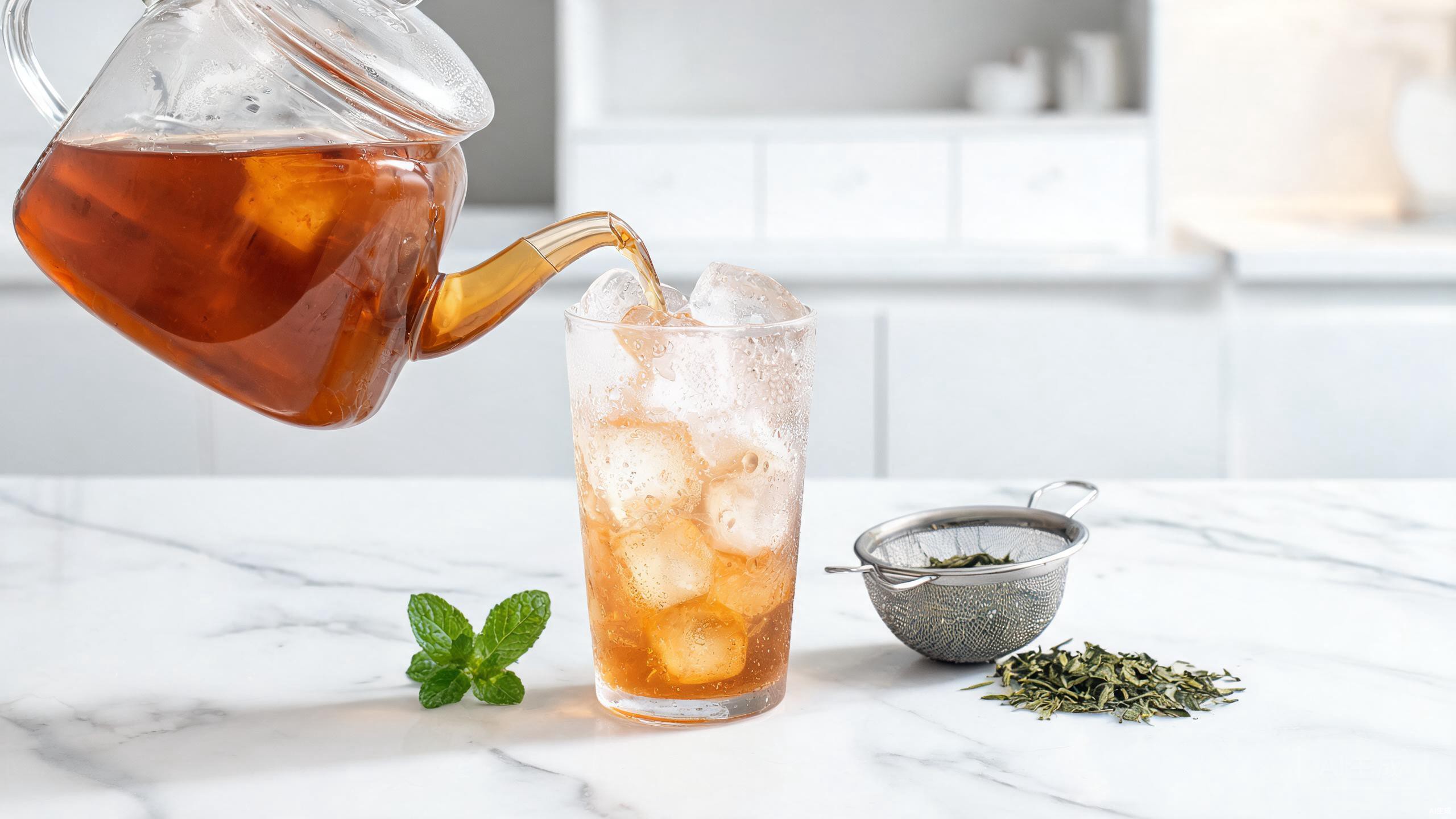
Cold brew tea is the cheat code of iced tea: steep leaves in cold water overnight, and you get a drink that is dramatically smoother, sweeter, and less bitter than any hot-brewed version. No astringency, no cloudy pitchers, no complicated technique. Tea, water, fridge, time.
The reason is chemistry that works in your favor: cold water extracts the sweet and aromatic compounds from tea leaves much faster than it extracts the bitter tannins — the opposite of hot water, which pulls everything at once. The result is tea that tastes like the leaf smells. This guide covers the exact ratios for every tea type, steep times, caffeine reality, cold brew vs iced tea, and the best overnight-brewing vessels.
How Cold Brew Tea Works (The 30-Second Science)
Tea leaves contain hundreds of compounds. The ones you want — amino acids (sweetness, umami), soluble sugars, and aromatic oils — dissolve in cold water relatively easily. The ones you don't — catechins and tannins (bitterness, astringency, dryness) — need heat and time to extract in quantity.
Hot water extracts both groups; cold water mostly extracts the first. That's why cold brew green tea tastes sweet and vegetal instead of grassy-bitter, and why cold brew black tea tastes like honey and malt instead of tannic. It's the same reason cold brew coffee is smoother — the physics is identical, and tea is even more forgiving of the method than coffee.
The Cold Brew Tea Ratio (Master Chart)
One rule covers almost everything: 1 tablespoon of loose leaf tea per cup of cold water, 6–12 hours in the fridge. Then adjust per type:
| Tea Type | Loose Leaf per Cup | Steep Time (Fridge) | Flavor Profile |
|---|---|---|---|
| Green tea | 1 tbsp (3–4g) | 6–8 hrs | Sweet, vegetal, zero bitterness |
| Black tea | 1 tbsp (3–4g) | 8–12 hrs | Malty, honeyed, smooth |
| Oolong tea | 1 tbsp (4g) | 8–12 hrs | Floral, creamy, orchid notes |
| White tea | 1.5 tbsp (3g) | 8–12 hrs | Delicate, melon, honey |
| Herbal (hibiscus, rooibos) | 1.5 tbsp | 12 hrs | Fruity, tart (hibiscus), mellow |
| Tea bags | 1 bag per cup | Same as type | Works fine — just use quality bags |
Under-brew, don't over-brew. Cold brew tea at 16 hours doesn't turn bitter like hot tea would — but delicate greens can pick up a heavy, soured note. When in doubt, taste at the short end of the range and go longer only if needed.
The Basic Cold Brew Tea Recipe
Overnight Cold Brew Tea (61oz / 1.8L pitcher)
- 8 cups (2L) cold filtered water
- 8 tablespoons loose leaf tea (about 30g) — or 8–10 tea bags
- A 61oz glass teapot with infuser, or any glass pitcher
Method: Load the leaves into the infuser basket, fill with cold water, cover, and refrigerate 8–12 hours (overnight is perfect). Lift the infuser out completely in the morning — serving vessel and brewing vessel are the same thing. Keeps 3–4 days refrigerated, and honestly improves on day two.
That's the entire technique. A few build notes that matter:
- Use filtered water if you can. Tea is 98% water, and chlorine is the enemy of delicate cold brew aromatics. Even a basic jug filter noticeably helps.
- Start with cold water, not room temperature. Room-temp brewing extracts more tannin — the whole point is keeping the water cold from minute one.
- Cover the vessel. Fridge odors are real; tea absorbs them. A lid also keeps the aromatics in the tea instead of the fridge.
- Strain completely. If using loose leaves without an infuser, pour through a fine mesh when time is up. Leaves left in continue extracting.
Cold Brew vs Iced Tea: What's the Difference?
They're both "iced tea," but they're built differently and taste different:
| Cold Brew | Traditional Iced (Hot-Brewed) | |
|---|---|---|
| Method | Steep in cold water, fridge, hours | Brew hot, then chill or pour over ice |
| Taste | Smooth, sweet, low bitterness | Bolder, more tannic, brisker |
| Clarity | Crystal clear, never clouds | Can cloud when chilled fast |
| Caffeine | Slightly lower (longer extraction but cold slows it) | Higher per equal steep |
| Planning | Needs 6–12 hrs lead time | Ready in 20 minutes |
| Best for | Drinking straight, greens, delicate teas | Sweet tea, citrus-spiked, big black tea flavor |
The cloudiness point deserves emphasis: hot-brewed black tea famously "creams" — goes opaque — when refrigerated, because theaflavins bind with caffeine in the cold. Cold brew never does this. Your pitcher stays clear as glass, which matters if you're serving it in, well, glass.
The 7 Best Teas for Cold Brew
1. Green tea (the conversion experience)
If you've ever found green tea bitter, cold brew will change your relationship with it entirely. Japanese sencha becomes sweet and almost brothy; a jasmine green keeps every bit of perfume with none of the grassy edge. This is the category where cold brew shows its biggest gap over hot.
2. Black tea (the crowd-pleaser)
Cold brew black tea is honey-malty and soft enough to drink unsweetened — the strongest argument for the method for former sweet-tea drinkers trying to cut sugar. A single-origin Ceylon or Assam makes a pitcher with real character.
3. Oolong (the connoisseur's pick)
Oolong's floral, creamy complexity survives cold extraction beautifully — a lightly oxidized oolong tastes like orchid and cream over ice. If you find green tea too quiet and black tea too bold, oolong is your cold brew home.
4. White tea (the subtle one)
Delicate silver needle and white peony get sweeter and more melon-like in cold brew. Use a slightly heavier hand with the leaves since the flavor is gentle.
5. Hibiscus (the showpiece)
Cold-brewed hibiscus trades most of its lip-pucker for pure cranberry fruitiness — and the ruby color in a glass pitcher is the most photogenic thing in the fridge. 12 hours, no sweetener needed.
6. Rooibos (the caffeine-free evening pitcher)
Naturally sweet, nutty, and red; cold brew amplifies the honey notes. Zero caffeine means the whole family can raid the pitcher.
7. Earl Grey-style bergamot black tea (the wildcard)
The bergamot citrus oils hold up brilliantly in cold water — it makes an aromatic iced tea that begs for a lemon wheel. A café-style earl grey cold brew is a legitimately great drink.
Cold Brew Tea and Caffeine: The Honest Numbers
Cold water extracts caffeine more slowly than hot water, but the long steep time claws much of it back. Net effect: cold brew tea has roughly 70–80% of the caffeine of the same tea hot-brewed, with green tea cold brew landing around 15–30mg per cup and black tea around 40–60mg.
Practical guidance:
- Morning pitcher of black or green cold brew: perfectly fine caffeine delivery.
- Afternoon: oolong or a lighter green.
- Evening: herbal — hibiscus, rooibos, fruit blends — all naturally caffeine-free.
Easy Upgrades for Your Cold Brew
- Citrus peel in the basket: a strip of orange or lemon peel brews alongside the tea and perfumes the whole pitcher.
- Fresh mint: a small handful with green tea, strained out in the morning.
- Slice of ginger: adds slow-building warmth to black or oolong cold brew.
- Honey while it's plain: honey doesn't dissolve in cold tea — stir it into a cup poured out and warmed for 15 seconds, then return it, or use simple syrup instead.
- The sparkling pour: half cold brew tea, half sparkling water over ice. The simplest "craft soda" you'll ever make.
- Frozen fruit as ice: frozen berries or peach chunks chill the drink and flavor it as they melt. No dilution, because they're not water.
Troubleshooting
"My cold brew tastes weak"
Three fixes, in order: more leaves (try 1.5 tablespoons per cup), longer steep (toward 12 hours), or better tea. Cold brew is honest — it can't hide bad leaves behind bitterness, but it also can't make great flavor from stale ones.
"It smells like the fridge"
Uncovered container, or a fridge with strong odors. Always cold brew with a lid, and keep the fridge's durian and blue cheese situation under control.
"There's sediment at the bottom"
Normal with fine leaf particles. Pour gently and leave the last ounce in the vessel, or strain through a fine mesh at the end of the brew.
The Best Vessel for Cold Brew: Why Glass Wins
Cold brew is an overnight, in-fridge, serve-from-the-same-pot operation — which makes the vessel choice do a lot of work. Glass is the correct answer on all four counts: it holds no odors or stains from batch after batch, you can see the color develop (cold brew greens darken beautifully overnight), it looks good enough to go straight to the table, and a removable infuser basket means straining is one motion, not a project.
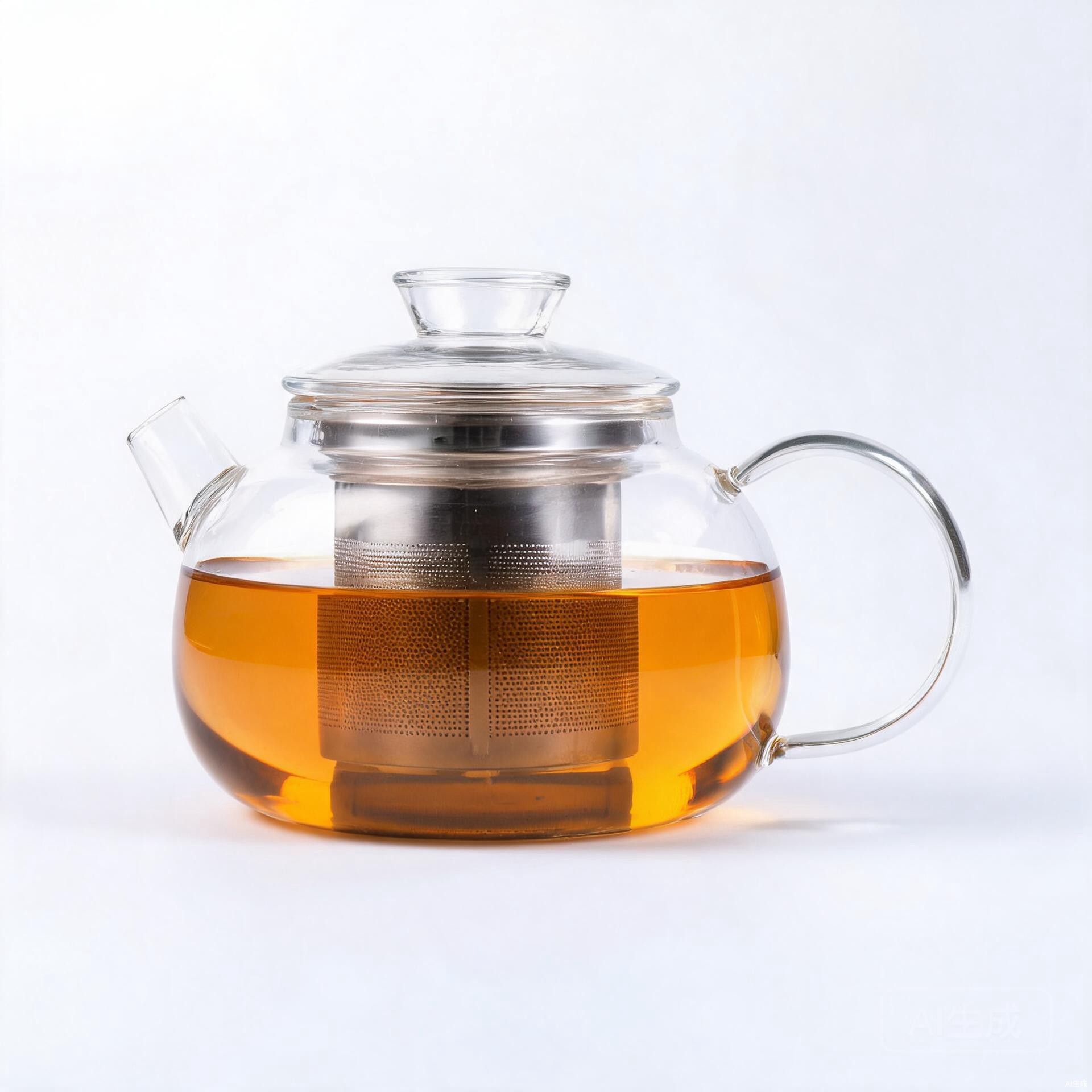
MESNEY 61oz Large Glass Teapot with Infuser
Built for exactly this job: 1.8L is a full family batch of cold brew. Load the infuser basket with 8 tablespoons of leaves, fill with cold water, refrigerate overnight — in the morning, lift the basket out and the brewing stops instantly. No straining, no second container, no mess. The borosilicate glass goes from fridge to table, and you can watch the tea's color deepen hour by hour.
Buy Now
40oz Glass Teapot with Infuser
The one-or-two-person cold brew size — about 4 cups finished. Fits neatly on a fridge shelf, same lift-out infuser, same zero-flavor-retention glass. Ideal for testing new teas before committing a big batch.
Buy Now
17oz Double Walled Glass Mugs (Set of 4)
Cold brew is a clear-glass drink — amber, jade, or ruby depending on the leaf. These double wall mugs show the color, stop condensation rings on the table, and the insulated wall keeps your ice from melting into the tea before you finish it.
Buy NowFrequently Asked Questions
How long should I cold brew tea?
6–8 hours for green and white teas, 8–12 hours for black and oolong, up to 12 for herbals like hibiscus and rooibos. Overnight in the fridge covers almost every case — set it up after dinner, strain at breakfast.
Can you cold brew tea too long?
It won't turn bitter the way hot tea does, but past about 16 hours delicate teas (especially green) develop a heavy, flat taste, and very long steeps can pull out more tannin than you want. If you forget a batch for 24 hours, taste before discarding — it may still be fine.
Does cold brew tea have caffeine?
Yes, if it's made from a true tea (green, black, oolong, white) — roughly 70–80% of the hot-brewed caffeine level. Herbal cold brews (hibiscus, rooibos, fruit blends) are naturally caffeine-free.
Can I make cold brew with tea bags?
Absolutely — one quality tea bag per cup, same steep times. Loose leaf gives you more control and usually better flavor, but the method is identical. Pyramid-shaped whole-leaf bags are the best bag option.
How long does cold brew tea last in the fridge?
3–4 days sealed, and it often tastes best on days 1–2 once the flavors marry. If it develops any sour smell, off taste, or visible growth, discard it.
Do I need to dilute cold brew tea?
Not if you follow the 1-tablespoon-per-cup ratio — that's drinking strength. If you brewed stronger deliberately (some people do for concentrate), cut it 50/50 with water or sparkling water over ice.
Is cold brew tea healthier than hot tea?
Different, not strictly healthier. Cold brew retains antioxidant catechins (somewhat fewer than hot, since heat extracts more), has less bitterness, and most people drink it unsweetened — which is the real health win. The best tea is the one you'll actually drink.
The Bottom Line
Cold brew tea is the lowest-effort, highest-reward technique in home tea: one tablespoon per cup, overnight in the fridge, lift the infuser, pour over ice. It tames bitter greens, clarifies black tea, and gives you a ready pitcher for three days. Start tonight with whatever green or black tea you already own — the first glass converts most people on the spot.
Brew it in a MESNEY 61oz glass teapot: load the basket, fill, refrigerate, lift, serve — one vessel from first steep to last glass, with the color show as a bonus.
As an Amazon Associate, MESNEY earns from qualifying purchases. Prices and availability are subject to change.