Cuban Coffee: The Complete Guide to Cafecito at Home
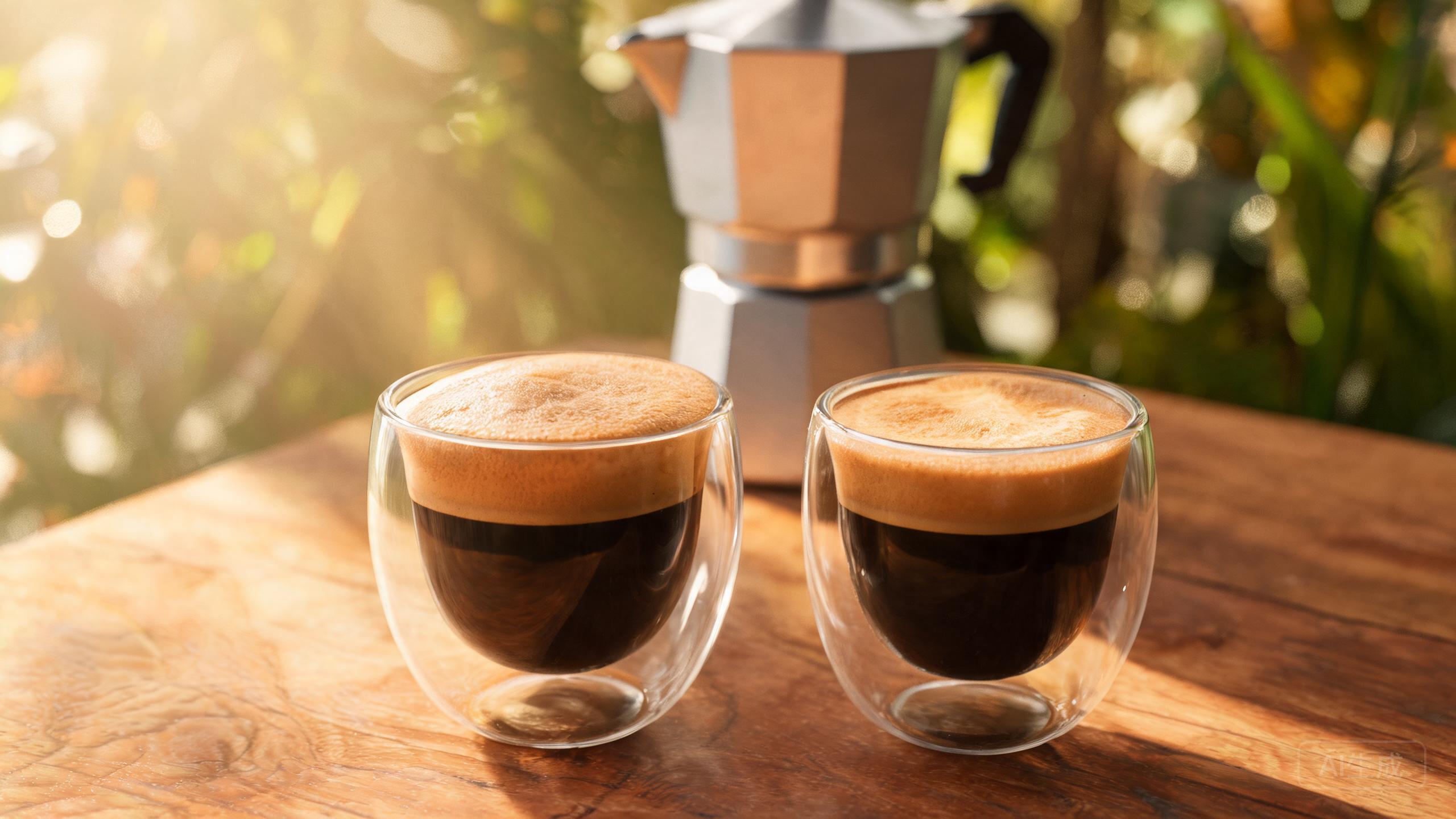
Cuban coffee — cafecito — is the strong, sweet, foamy espresso that's a daily ritual across Miami and Cuba: a tiny cup of intense coffee crowned with a thick, creamy sugar foam called espuma. It's one of the most-searched coffee styles in the United States, and you can make it at home with nothing more than a moka pot, dark roast coffee, and sugar.
This guide covers what cuban coffee actually is, how it differs from regular espresso, the secret to a perfect espuma, how to make cafecito at home, and the classic cuban coffee drinks — colada, cortadito, and café con leche — plus the glass espresso cups to serve them in.
What Is Cuban Coffee?
Cuban coffee is a style of espresso made with finely ground dark roast coffee, brewed strong, and sweetened with sugar that's whipped into the first few drops of the brew to create espuma — a thick, caramel-colored foam that sits on top of the cup. The result is intensely flavorful, sweet, and smooth, with a texture unlike any other coffee.
It's traditionally brewed in a moka pot (cafetera), which makes it accessible at home — no espresso machine required.
Cuban Coffee vs Regular Espresso
| Cuban Coffee (Cafecito) | Regular Espresso | |
|---|---|---|
| Brewing | Moka pot | Espresso machine |
| Sweetness | Sweetened with whipped sugar | Unsweetened |
| Signature | Thick espuma foam | Thin crema |
| Strength | Strong and intense | Strong and intense |
| How it's drunk | In tiny cups, social | In shots, often with milk |
The biggest difference is the espuma — that whipped sugar foam is what makes cuban coffee unmistakable. Everything else (the dark roast, the intensity) is a matter of taste.
The Espuma: The Heart of Cuban Coffee
The espuma is made by combining the sugar with the very first drops of coffee that come out of the moka pot, then whipping them together into a thick, pale foam. When you pour the rest of the coffee in, the foam rises to the top and floats there — sweet, creamy, and slightly grainy.
Getting the espuma right is the whole game. Here's the key: use white sugar (brown sugar doesn't whip the same way), whip it fast and vigorously, and use just the first few drops of coffee — not the whole pot.
How to Make Cuban Coffee at Home
Classic Cafecito (2–3 cups)
- 2 tbsp finely ground dark roast coffee
- 1–2 tsp white sugar (adjust to taste)
- Water for your moka pot
Method: Fill the moka pot's lower chamber with water to just below the valve. Fill the basket with finely ground dark roast coffee, level it off (don't pack it down). Screw on the top and place over medium heat. As soon as the first dark drops of coffee appear, pour them into a small bowl with the sugar and whip vigorously with a spoon for 30–60 seconds until it turns into a thick, pale espuma. Let the rest of the coffee finish brewing, then pour it into the bowl and stir the espuma through. Serve immediately in small cups.
Don't let the moka pot over-brew. Take it off the heat as soon as it starts sputtering and hissing — that's when bitter, over-extracted coffee comes out. You want the smooth, sweet middle of the brew.
The Classic Cuban Coffee Drinks
- Cafecito: the straight cuban espresso with espuma — served in a tiny cup, meant to be sipped slowly.
- Colada: a larger batch of sweet cuban coffee served in a plastic or glass cup with several small cups for sharing. It's a social drink — one colada, many cups, friends passing them around.
- Cortadito: a cafecito "cut" with a splash of warm steamed milk — the cuban version of a macchiato, sweet and creamy.
- Café con leche: cuban coffee with a generous amount of hot milk — the classic breakfast drink, usually served in a larger cup.
Tips for the Perfect Espuma
- Use white sugar. Brown sugar and alternatives don't whip into the same thick foam.
- Whip fast and hard. The espuma needs vigorous, continuous whipping — 30 seconds minimum, until it turns pale and thick.
- Use only the first drops. The first coffee that comes out is the sweetest and most concentrated — perfect for building the foam.
- Stir, don't shake. When you combine the espuma with the rest of the coffee, stir gently so the foam stays on top.
Why Glass Is the Right Home for Cuban Coffee
Cuban coffee is a visual drink — the dark brew with its thick caramel espuma floating on top. A clear glass espresso cup shows off that foam perfectly, and a double-wall glass cup keeps the tiny shot warm while protecting your fingers. For a colada shared with friends, small glass cups make the ritual feel as good as it tastes.

Double Wall Espresso Cups (Set of 2, 4oz)
Built for the cafecito ritual: the 4oz size is exactly right for a single cuban coffee, and the double wall keeps the shot warm while the outside stays cool. The clear glass shows off the thick espuma floating on top.
Buy Now
Double Wall Espresso Cups (Set of 4, 6.7oz)
The larger 6.7oz cups are perfect for a colada shared with friends or a café con leche. A four-pack means everyone at the table gets one.
Buy Now
17oz Double Walled Glass Coffee Mug
The perfect size for a café con leche — cuban coffee with plenty of hot milk. The insulated double wall keeps it warm and comfortable to hold through a long breakfast.
Buy NowFrequently Asked Questions
What is cuban coffee made of?
Finely ground dark roast coffee brewed in a moka pot, sweetened with white sugar that's whipped into a thick foam called espuma.
Is cuban coffee the same as espresso?
It's a cuban-style espresso — brewed in a moka pot instead of an espresso machine, and always sweetened with whipped sugar foam.
How much caffeine is in cuban coffee?
A single cafecito (about 2 oz) has roughly 40–80 mg of caffeine — similar to a standard espresso shot. It's strong, but the cups are small.
Can I make cuban coffee without a moka pot?
Yes — you can brew strong espresso or very strong coffee any way you like, then whip the first drops with sugar for the espuma. The moka pot is traditional, but not required.
Why is my espuma not foamy?
Usually because the sugar didn't get enough whipping, or you used brown sugar. Use white sugar, whip fast for a full 30–60 seconds, and use only the first few drops of coffee.
What's the difference between colada and cafecito?
A cafecito is a single small cup. A colada is a larger batch of the same sweet cuban coffee served with several small cups for sharing.
The Bottom Line
Cuban coffee is proof that you don't need an espresso machine to make something special: a moka pot, dark roast coffee, and the whipped-sugar espuma turn a few minutes into a tiny cup of pure ritual.
Serve it in MESNEY double-wall glass espresso cups: watch the thick caramel espuma float on top of the dark brew, keep the shot warm in the insulated glass, and pass the colada around with friends.
As an Amazon Associate, MESNEY earns from qualifying purchases. Prices and availability are subject to change.