Dandelion Tea: The Complete Guide to the Most Underrated Wellness Tea
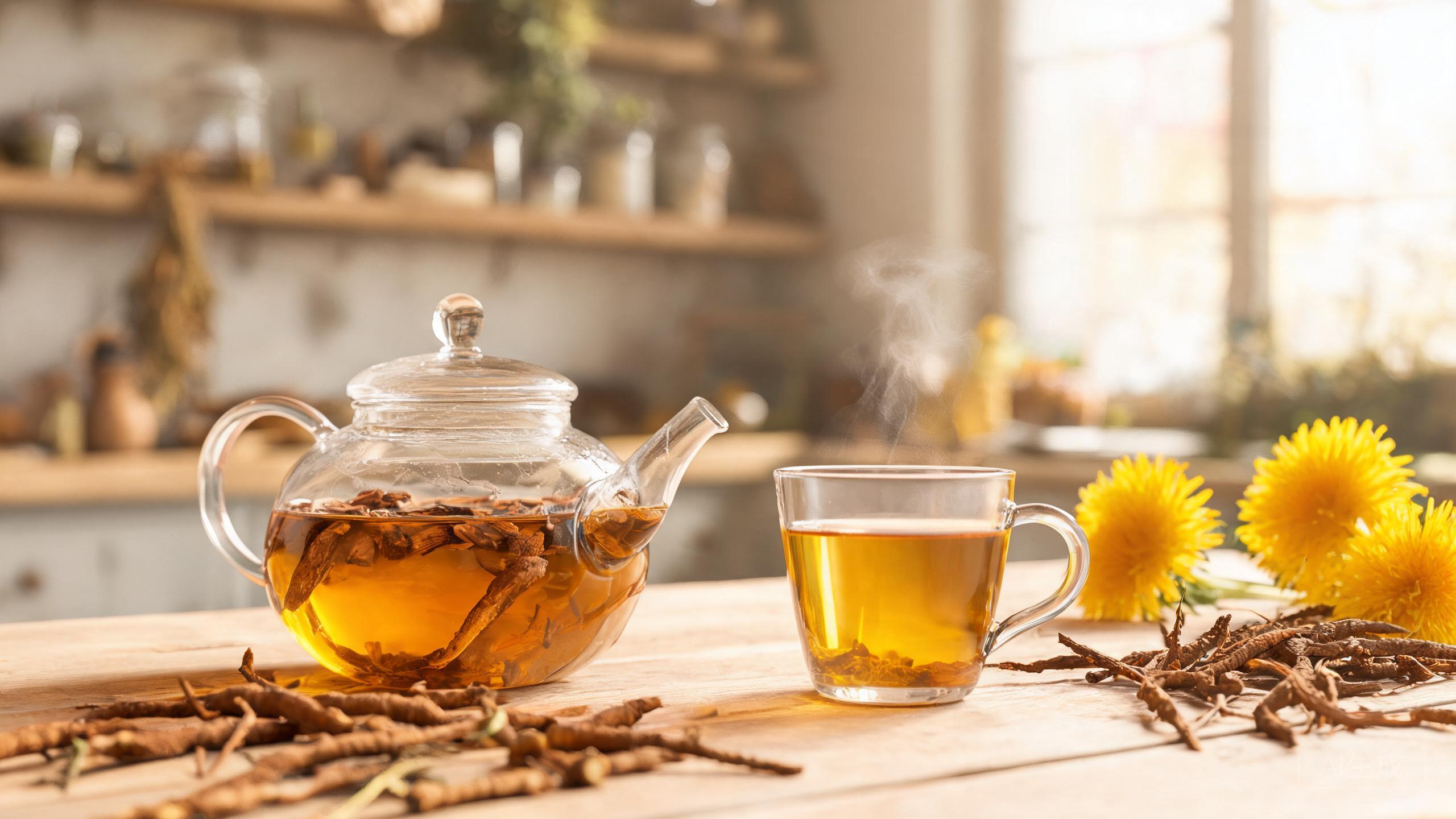
Dandelion tea is the backyard weed that quietly became one of the most-searched wellness teas in America. It's caffeine-free, gentle on the stomach, backed by real (if early) research on digestion and liver support — and when the root is roasted, it brews up dark, toasty, and startlingly close to coffee.
This guide covers what dandelion tea actually does (bloating, digestion, liver, kidneys), the real difference between root and leaf, how to brew each one properly, a roasted root version for coffee drinkers, and the glass teapots that make the whole ritual better.
Dandelion Tea Benefits: What the Research Shows
Dandelion (Taraxacum officinale) has been used in traditional European and Chinese medicine for centuries — the entire plant is edible and active. Modern research is younger but genuinely interesting:
- Bloating and digestion. Dandelion root is a classic bitter herb. Bitters stimulate bile production and get digestion moving, which is why a cup after a heavy meal relieves that heavy, swollen feeling. This is the benefit most people actually feel.
- Liver support. Animal studies show dandelion root supports liver function and helps the body process oxidative stress. Human evidence is still limited — think of it as liver-friendly, not a liver "detox" miracle.
- Natural diuretic. Dandelion leaf is one of the best-known herbal diuretics — the French name for the plant literally means "wet the bed." Unlike pharmaceutical diuretics, the leaf is rich in potassium, so it replaces what it flushes. This is why tea drinkers use it for water retention and that puffy, bloated feeling.
- Prebiotic fiber. Roasted dandelion root contains inulin — a prebiotic that feeds the good bacteria in your gut. Coffee substitutes are often built on dandelion root for exactly this reason.
- Antioxidants. Both root and leaf are loaded with polyphenols and vitamin C, compounds that help your body manage everyday oxidative stress.
Three cautions: dandelion is in the ragweed family, so skip it if you have ragweed, chrysanthemum, or daisy allergies. Because of its diuretic effect, check with a doctor if you take lithium, diuretics, or blood pressure medication, or if you have kidney or gallbladder issues. And dandelion can interact with certain antibiotics — a quick pharmacist check takes thirty seconds.
Dandelion Root vs Dandelion Leaf: Which One Do You Want?
This is the most common confusion with dandelion tea, so here it is plainly — the root and the leaf do different jobs:
| Dandelion Root Tea | Dandelion Leaf Tea | |
|---|---|---|
| Flavor | Earthy, nutty, slightly bitter — roasted versions taste like coffee | Grassy, green, mild — like a gentler green tea |
| Best for | Bloating, digestion, liver support, coffee replacement | Water retention, gentle detox, mineral boost |
| Active compounds | Inulin (prebiotic), taraxasterol, bitters | Potassium, vitamin A & C, flavonoids |
| Brew method | Simmer (decoction) 10–15 min | Steep like tea, 5–10 min |
| Caffeine | None | None |
Simple rule: root for the stomach and the coffee itch, leaf for the kidneys and water weight. Many blends combine both, and that's perfectly fine — just know which effect you're brewing for.
How to Make Dandelion Tea (Root, Leaf, and Roasted)
Classic Dandelion Root Tea (2 cups)
- 2 tablespoons dried, chopped dandelion root
- 16 oz (480 ml) water
- Optional: a slice of fresh ginger or a strip of orange peel
Method: Roots are tough and woody, so steeping isn't enough — simmer them. Combine root and water in a small pot, bring to a gentle boil, and simmer 10–15 minutes. Strain into your mug or teapot. The liquor should be deep amber. Start with 10 minutes; longer simmering means more bitterness and more body.
Dandelion Leaf Tea (1 cup)
- 1–2 teaspoons dried dandelion leaf
- 8 oz (240 ml) water just off the boil
- Optional: lemon and honey
Method: Treat the leaf like green tea — pour hot (not rapidly boiling) water over the leaves and steep 5–10 minutes. Leaves get grassy and astringent if over-steeped, so taste at 5 minutes. Strain and drink warm.
The coffee-lover's version: buy roasted dandelion root (or roast dried root in a dry skillet for 8–10 minutes until fragrant and dark). Brew it in a stovetop-safe glass teapot at a full simmer for 15 minutes. The result is dark, rich, nutty, and 90% of the way to coffee — with zero caffeine and a prebiotic bonus instead of jitters.
5 Dandelion Tea Combinations Worth Brewing
- Dandelion "coffee": roasted root, long simmer, splash of milk — the classic caffeine-free morning cup.
- Dandelion and burdock: the traditional English pairing for deep, earthy flavor and a fuller mineral profile.
- Dandelion and ginger: for bloating — the bitters and the gingerols work on digestion from two directions.
- Dandelion and mint: the mint lifts the grassy edge of leaf tea and settles the stomach further.
- Dandelion and rosehip: tart, vitamin-C-rich, and a pretty ruby-amber pour in a glass teapot.
Does Dandelion Tea Have Caffeine?
No — dandelion tea is 100% caffeine-free. Neither the root nor the leaf contains any caffeine, which is exactly why roasted dandelion root became the go-to coffee alternative: you get the dark, bitter, warming ritual of coffee without the stimulation. It's safe in the evening and won't disturb sleep.
Troubleshooting
"It's too bitter"
Bitterness is dandelion's personality — but it shouldn't punish you. Shorten the simmer to 8–10 minutes, use slightly less root, or add a teaspoon of honey. Roasted root is noticeably less bitter than raw dried root.
"It tastes thin and weak"
You're probably steeping root instead of simmering it. Root needs a decoction — a real simmer — to break down those woody fibers. Leaf, on the other hand, just needs a longer steep, not a boil.
"Can I use dandelions from my yard?"
Only if the area is free of pesticides, herbicides, and pet traffic, and you can positively identify the plant. Wash thoroughly, chop the root, and dry it in a low oven before brewing. For most people, a bag of dried organic root is safer and more consistent.
Why Glass Is the Right Home for Dandelion Tea
Dandelion root tea is a slow-brew — a simmer, a strain, a pour — and the deep amber liquor is half the experience. A borosilicate glass teapot shows that color honestly, never holds onto the bitter root oils between batches, and the stovetop-safe ones let you simmer the decoction right in the pot. For evening caffeine-free cups, a double-wall glass mug keeps it warm while staying cool in your hand.

40oz Glass Teapot with Infuser
Made for slow decoctions: about 4 cups — simmer the root, lift the deep infuser basket, and pour. The borosilicate glass shows the deep amber liquor and releases no flavor of its own, so every batch tastes only of dandelion.
Buy Now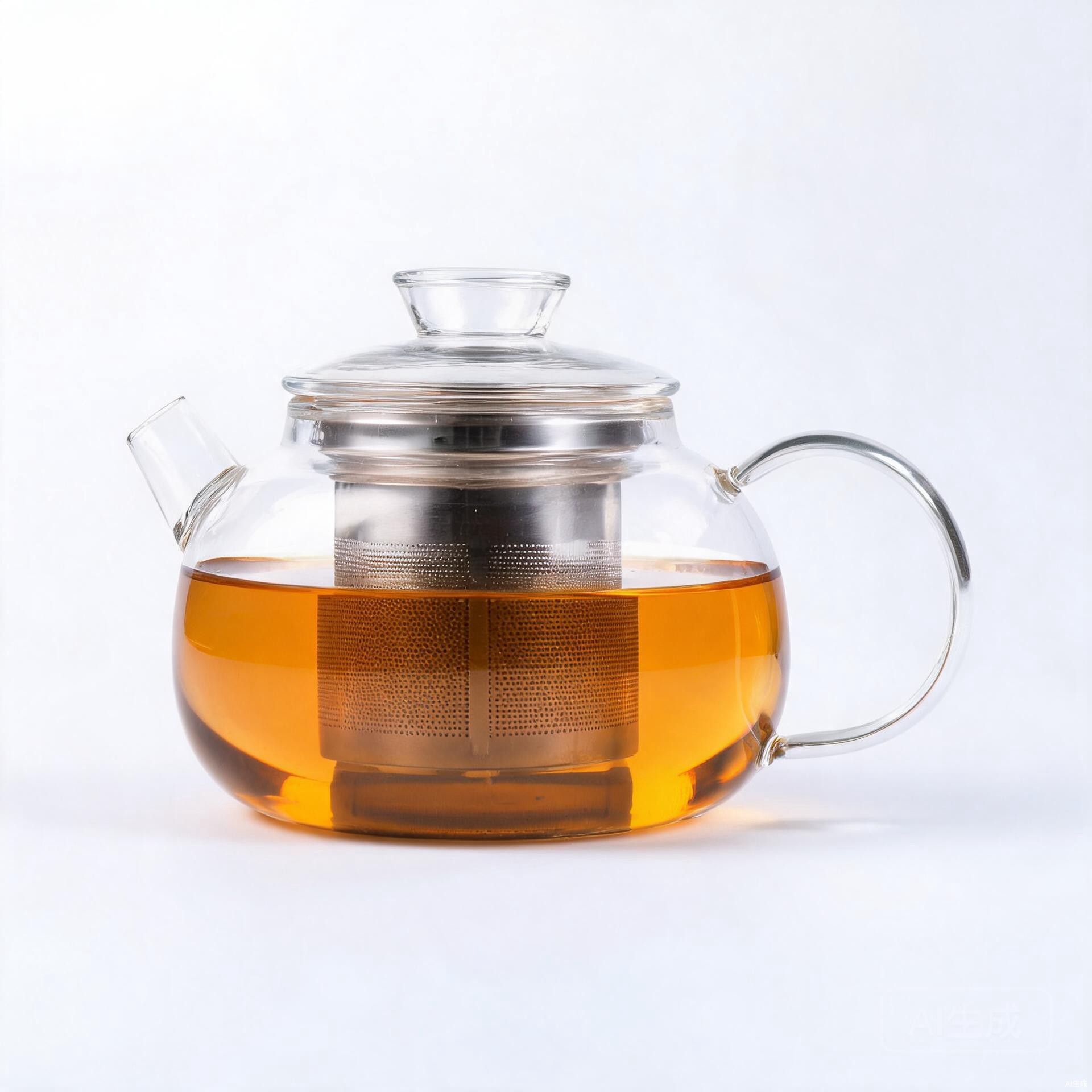
MESNEY 61oz Large Glass Teapot with Infuser
1.8L for full decoction batches and dandelion "coffee" for two. The deep basket holds a proper dose of chopped root without packing.
Buy Now
17oz Double Walled Glass Coffee Mug
Caffeine-free means evening-friendly — and the double wall keeps your dandelion coffee warm to the last sip without heating your hands.
Buy NowFrequently Asked Questions
What does dandelion tea do for the body?
Most noticeably, it relieves bloating and supports digestion (the root is a bitter herb that stimulates bile). The leaf is a potassium-rich natural diuretic used for water retention. Both are caffeine-free and rich in antioxidants.
Is dandelion root tea a real coffee substitute?
Roasted dandelion root is the closest caffeine-free thing to coffee — dark, nutty, and bitter enough to satisfy the ritual. It won't trick a coffee purist, but most people trying to cut caffeine find it genuinely works.
How much dandelion tea should I drink a day?
1–3 cups a day is the typical amount used in traditional practice. Because of the diuretic effect, don't overdo it, and drink plenty of plain water alongside.
Does dandelion tea help with bloating?
That's its most immediate, noticeable effect for most people. The bitters get bile and digestion moving after meals. Many drinkers use it specifically for that post-dinner heavy feeling.
Can I drink dandelion tea every day?
Yes, for most people in moderate amounts. Check with a doctor first if you're allergic to ragweed-family plants, take lithium or diuretics, or have kidney or gallbladder conditions.
Dandelion root or leaf — which is better?
Root for digestion, liver support, and coffee-style brewing; leaf for water retention and a lighter, greener cup. Both are caffeine-free and pair well together.
The Bottom Line
Dandelion tea is the rare wellness trend that deserves the attention: a genuinely useful bitter for bloating and digestion, a potassium-rich leaf for water retention, and a roasted root that replaces coffee without caffeine. Buy good dried root, simmer it properly instead of steeping, and give the flavor a week — bitterness is the point, and your stomach will thank you.
Brew it in a MESNEY borosilicate glass teapot: watch the amber liquor develop through the glass, strain the root in the deep infuser basket, and pour into a double-wall mug for the full caffeine-free evening ritual.
As an Amazon Associate, MESNEY earns from qualifying purchases. Prices and availability are subject to change.