Echinacea Tea: The Complete Guide to the Golden Immune Cup
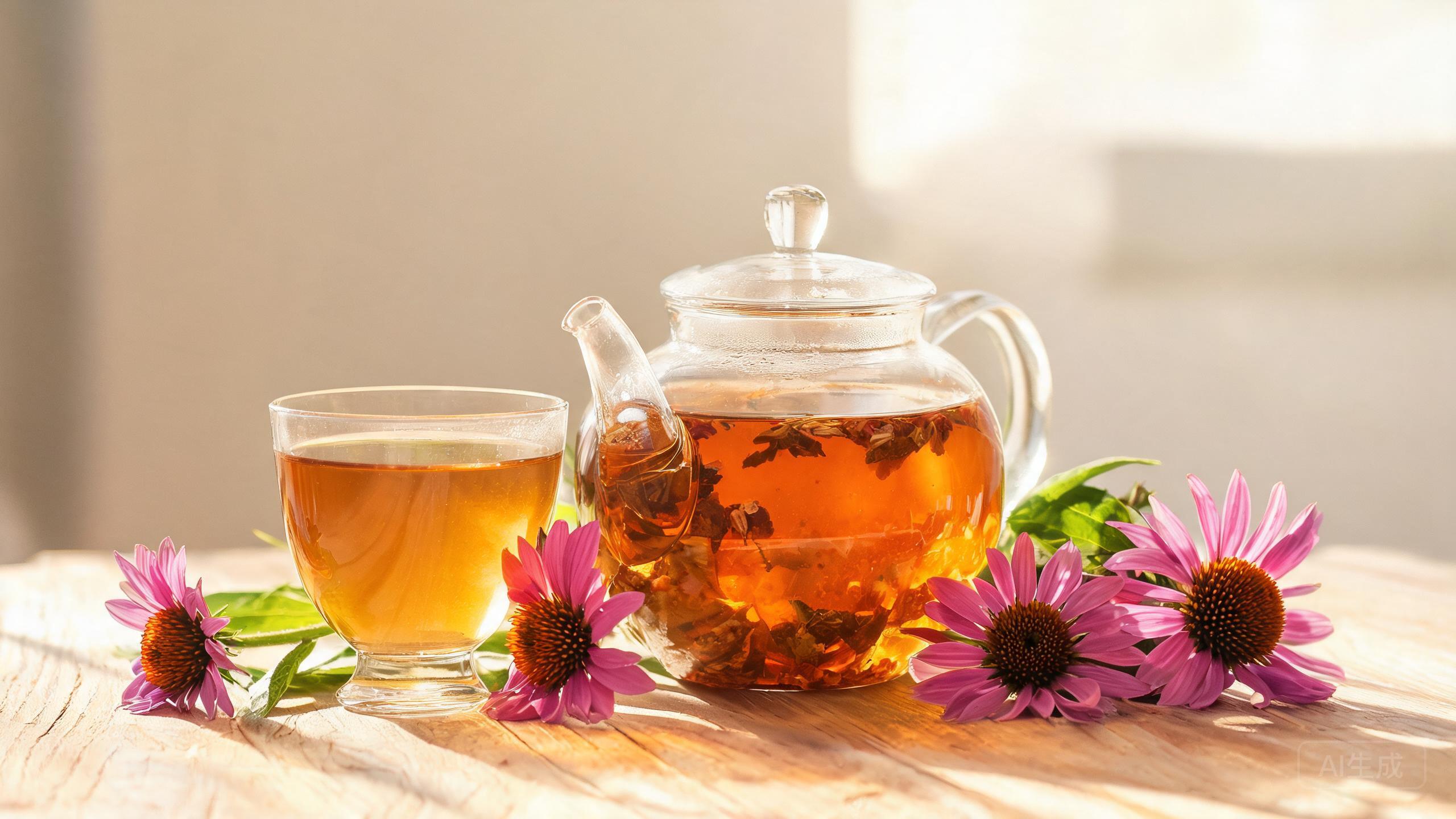
Echinacea tea is the herb that owns cold season — a bright, faintly sweet, liquorice-tinged golden cup that appears in almost every winter wellness routine. It's also one of the few herbal teas people actually take before they feel sick, which is exactly the phrase that should get your attention: timing matters more for echinacea than for almost any other tea you could name.
This guide covers what echinacea does for immunity (including what the research can and can't claim), why the plant part you brew matters, how to make echinacea tea that doesn't taste like wet grass, the blends worth keeping, the safety rules, and the glass teapots that make the golden cup feel like a ritual.
Echinacea Tea Benefits: What the Research Says
Echinacea (the Echinacea purpurea coneflower you see in gardens) has been used by North American Indigenous peoples for centuries and is the single most-studied "immune" herb. The honest version of the evidence looks like this:
- Cold prevention and shortening. Dozens of human trials have studied echinacea for the common cold. The weight of evidence points to a modest real effect: taken at the first sign of a cold, it may shorten the illness by a day or so and lessen severity. It is not a cure-all, but it is not placebo-temperature-pill either.
- Immune support timing. The active compounds (alkamides, cichoric acid, polysaccharides) appear to support immune activity, and several studies found the effect works best when you start at the earliest tingle of a sore throat — not after you're fully sick.
- Antioxidant load. Echinacea carries caffeic-acid-derivative antioxidants that give the tea its subtle protective background.
- Caffeine-free comfort. Pure echinacea is completely caffeine-free, so you can drink the immune cup at night without touching sleep quality — useful when early cold symptoms hit hardest in the evenings.
The safety rules — read this part: people allergic to ragweed, daisies, chrysanthemums, or marigolds may react to echinacea (it's in the same plant family) — start with a tiny amount. Anyone with an autoimmune condition or on immunosuppressant therapy should check with a doctor first, because echinacea stimulates immune activity. Short courses (under 8 weeks) are best; it's not meant to be a year-round every-day habit. If you're pregnant or nursing, ask your healthcare provider before adding it to your routine.
Which Part of the Plant Should You Brew?
| Echinacea Root Tea | Echinacea Herb/Flower Tea | Full-Plant Blend | |
|---|---|---|---|
| Flavor | Earthy, woody, more bitter, slightly numbing | Milder, sweeter, floral with a liquorice hint | Balanced — the most common "echinacea tea" |
| Potency (traditional) | Often considered the most concentrated | Gentler daily cup | Middle ground for most people |
| Brew time | Simmer 10–15 min (decoction) | Steep 5–10 min | Steep 5–10 min |
| Best for | Strong immune support focus, tincture-style | Pleasant daily immune tea | Easiest and most reliable |
Most commercial "echinacea tea" is a full-plant or herb-and-root blend, so it brews like any herbal tea. If you buy straight root, treat it like a decoction — simmer it, don't just steep it. Either works; the blend is friendlier for beginners.
How to Make Echinacea Tea
Classic Daily Echinacea Tea (1 generous cup)
- 1 tablespoon dried echinacea herb (or ½ tablespoon root, or 1 echinacea tea bag)
- 12 oz (350 ml) water, just off the boil
- A small squeeze of lemon and a drizzle of honey, to finish
Method: Place the dried herb in a teapot infuser basket (or directly in the pot), pour the hot water over it, and steep 5–10 minutes. If using root, bring the water and root to a gentle simmer in a stovetop-safe glass teapot and hold 10 minutes instead. Strain, add lemon and honey while hot, and start sipping at the first sign of a cold — that timing is the real secret.
The cold-season insurance: keep a jar of dried echinacea next to the teapot and brew a cup the moment your throat feels different. Because the immune-supporting effect in studies was most consistent when treatment started early, your "first tingle" reflex is worth more than a well-stocked medicine cabinet.
5 Echinacea Blends Worth Keeping Around
- Echinacea and elderberry: the classic immune duo — golden immune herb plus the dark, anthocyanin-rich berry, one pot.
- Echinacea, ginger, and honey: the full cold-comfort stack — warming, soothing, immune-supporting.
- Echinacea and peppermint: for a brighter, more refreshing take that's easier to drink all season.
- Echinacea and lemon balm: immune support plus calm — a great winding-down cold-season cup.
- Echinacea and rosehip: the vitamin-C pairing, with an extra layer of gentle tartness.
Does Echinacea Tea Have Caffeine?
No — echinacea tea is naturally caffeine-free. It contains none of the tea-plant (Camellia sinensis), so it won't keep you awake. That makes it the ideal evening immune cup, especially for that first scratchy throat that tends to get worse at bedtime.
Troubleshooting
"It tastes bitter or grassy"
Over-steeped, or you used straight root. Full-plant blends are milder; steep 10 minutes or less, and don't simmer the herb part. Lemon and honey fix nearly every echinacea cup.
"I feel a slight numbing on my tongue"
That's normal and harmless — the alkamides in echinacea do it. Some people even read it as a sign the good stuff is present. If it's unpleasant, switch to a flower-forward blend or use less root.
"Can I brew it from garden echinacea?"
Yes, but dry the aerial parts first and be sure of your plant identification — E. purpurea and its near relatives are what you want. Buy dried herb for consistency; garden harvests vary a lot in strength.
Why Glass Is the Right Home for Echinacea Tea
Echinacea is a delicate, slightly finicky herb — it steeps in minutes, stains faintly, and (for root) needs a gentle simmer rather than a hard boil. Borosilicate glass suits it perfectly: chemically inert so nothing leaches into the golden liquor, easy to watch the color come up, and non-porous so the light herbal oils rinse away clean between blends. Pour it warm into a double-wall mug and the immune cup finally feels like something you look forward to.

40oz Glass Teapot with Infuser
The one pot for easy single-herb brewing: the deep infuser basket holds the dried echinacea — or any herb — while the borosilicate glass lets you watch the golden cup come up. About 3 cups per batch, strain-free.
Buy Now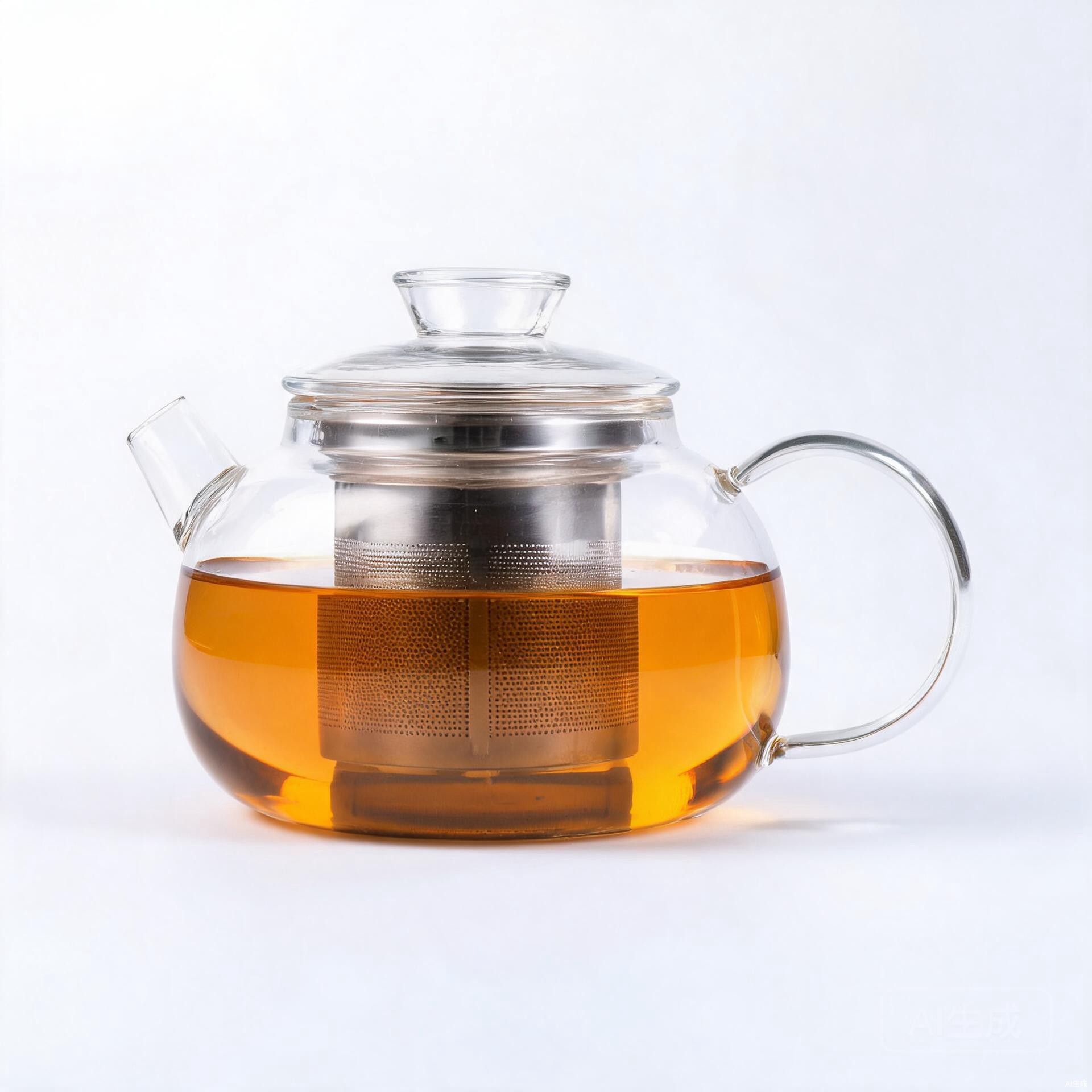
MESNEY 61oz Large Glass Teapot with Infuser
1.8L for the whole-family cold-season batch — brew a large pot in the morning, pour the immune cup all day, and keep the rest hot.
Buy Now
17oz Double Walled Glass Coffee Mug
Double-wall glass keeps the golden cup warm through a slow cold-season evening sip — and the outside stays comfortable in your hand.
Buy NowFrequently Asked Questions
What does echinacea tea do?
It's a caffeine-free herbal immune-support tea. Human research suggests that taken at the first sign of a cold, echinacea may shorten the illness and ease symptoms — the effect is modest but consistently reported. Think supportive habit, not cure.
Does echinacea tea actually work?
For the common cold, the evidence is the strongest of any herbal tea: a genuine but modest effect on duration and severity when you start early. It won't prevent every cold, and it will not treat one you're deep into — the timing is everything.
Is echinacea tea safe for everyone?
Not for everyone. Avoid it if you're allergic to ragweed or daisies. Check with a doctor for autoimmune conditions, immunosuppressants, pregnancy, or nursing. Short courses under 8 weeks are the general guidance.
How often can I drink echinacea tea?
1–2 cups a day, ideally in a short seasonal course around cold season, is common practice. Because immune-stimulating herbs work best in cycles, it's designed for use around exposure — not as an every-day-every-month habit.
Echinacea tea or supplement — which is better?
Tea is gentler, hydrates, and delivers the warm comfort that matters when you feel rough; standardized tinctures and capsules are more concentrated and travel well. Many people use tea at home and a tincture on the go.
The Bottom Line
Echinacea tea earns its place as the first line of the winter wellness routine — genuinely studied, caffeine-free, and simple to brew. Buy a quality full-plant blend (or root if you like it stronger), steep it gently, add lemon and honey, and — critically — start the habit at the very first tingle of a cold, not after you're sick.
Brew it in a MESNEY glass teapot: the inert, non-porous borosilicate that shows off the golden liquor, a deep infuser that holds the herb cleanly, and a double-wall glass mug to keep the immune cup warm all evening.
As an Amazon Associate, MESNEY earns from qualifying purchases. Prices and availability are subject to change. This article is for general information and is not medical advice — consult your healthcare provider for personal health decisions.