Elderberry Tea: The Complete Guide to the Deep Purple Immune Cup
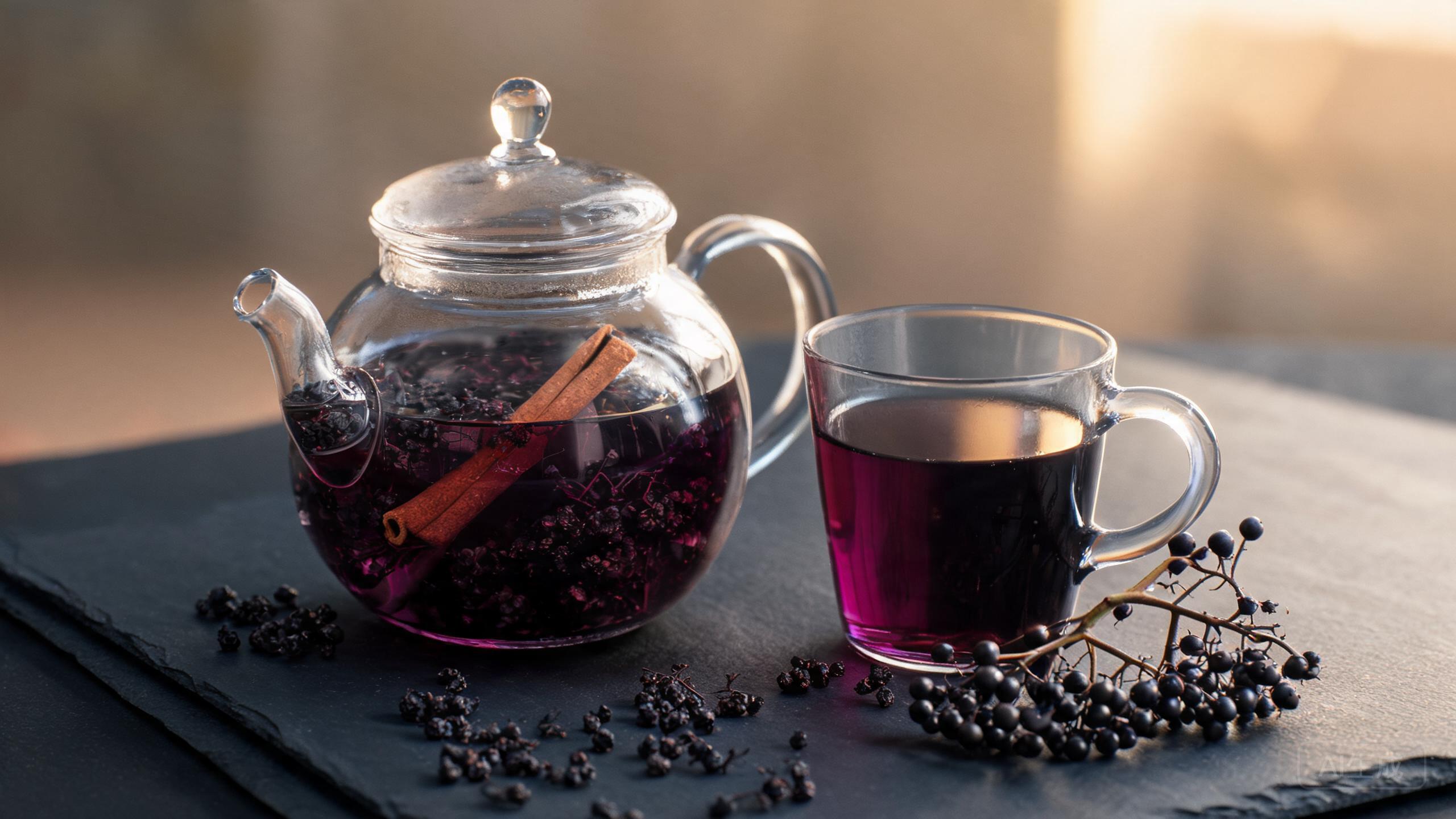
Elderberry tea is the deepest-colored drink in the herbal world — a brooding purple-black cup that tastes like dark berries and clove, and shows up in every serious winter wellness routine. It's also the herb where the safety rules genuinely matter, because the raw plant and the properly prepared one are two different things.
This guide covers what elderberry tea actually does for immunity, the safety rules you must know before brewing, elderberry vs elderflower, how to brew dried berries correctly, the blends worth keeping in the cupboard, and the glass teapots that show off that extraordinary color.
Elderberry Tea Benefits: What the Research Shows
European elder (Sambucus nigra) has been a folk cold-season remedy for centuries, and modern research gives it more credibility than most berries:
- Immune support. Elderberries are among the richest natural sources of anthocyanins — the deep purple pigments that are potent antioxidants and appear to support immune function. Several small clinical studies on elderberry products found shorter, milder cold and flu symptoms; the evidence is promising rather than definitive, but it's real.
- Cold and flu season comfort. A hot elderberry cup delivers warm fluids, honey, and steam alongside the berry compounds — the same combination that makes every grandmother's cold recipe work. For symptom comfort, the timing is at the first scratchy throat.
- Antioxidant load. The anthocyanin content of elderberry measures among the highest of any fruit — above blueberries. That's the foundation of its wellness reputation.
- Vitamin C companion. Elderberry blends almost always pair with rosehip or citrus, and the berry itself carries some vitamin C — a sensible cold-season stack in one pot.
- Gentle on caffeine. Pure elderberry tea is caffeine-free, so it fits the evening — exactly when winter cold symptoms get worse and you want a warm cup that won't cost you sleep.
The safety rules — read this part: raw or unripe elderberries, plus the leaves, stems, and roots, contain compounds that release cyanide and cause nausea and vomiting. Only cooked or properly dried ripe berries are safe. Never forage and brew fresh berries raw. Commercially dried berries are processed to be safe — that's what you buy, that's what you brew. People with autoimmune conditions should consult a doctor (elderberry stimulates immune activity), and it's not recommended in large amounts during pregnancy.
Elderberry vs Elderflower: Two Teas From One Tree
| Elderberry Tea (dried berries) | Elderflower Tea (dried flowers) | |
|---|---|---|
| Color | Deep purple-black — the famous one | Pale gold |
| Flavor | Dark berry, tart, slightly earthy, loves spice | Floral, muscat-like, delicately sweet |
| Best for | Winter immune season, cold-weather comfort | Spring and summer, light floral cups, iced versions |
| Classic pairings | Cinnamon, clove, ginger, rosehip | Mint, lemon, elderflower "champagne" traditions |
| Brew | Simmer 10–15 min (decoction) | Steep 5–10 min like any flower |
Both are safe as purchased dried herbs, and both are traditional — but the immune-season reputation belongs to the berries. If you want the purple cup, buy dried elderberries; if you want the floral one, look for elderflower.
How to Make Elderberry Tea From Dried Berries
Classic Winter Elderberry Tea (2 cups)
- 2 tablespoons dried elderberries
- 16 oz (480 ml) water
- 1 cinnamon stick, 2 cloves, and a strip of orange peel (optional but recommended)
- Honey, to finish
Method: Berries are dense and need more than steeping — simmer them. Combine elderberries, water, and spices in a small pot (or stovetop-safe glass teapot), bring to a gentle simmer, and hold 10–15 minutes until the water is deeply purple. Mash the berries lightly against the side with a spoon at the 10-minute mark to release the last of the pigment. Strain through a fine mesh — catch every berry — and sweeten with honey while hot. Drink warm.
The immune-season ritual: brew a double batch at the first sign of a scratchy throat — one cup now, one reheated before bed. Honey added while hot dissolves fully and delivers its own throat-soothing benefit. Leftover tea keeps 2 days refrigerated.
5 Elderberry Blends Worth Keeping in the Cupboard
- Elderberry and rosehip: the vitamin-C pairing — tart, bright, and the most popular winter berry blend.
- Elderberry, ginger, and honey: the full cold-comfort stack — warming ginger, soothing honey, immune berries.
- Elderberry and echinacea: the classic immune-duo of the supplement aisle, better as a home-brewed tea.
- Elderberry and cinnamon: the cozy version — spice rounds the berry tartness into something close to mulled wine territory.
- Elderberry and hibiscus: for tartness and a purple-crimson color that photographs beautifully in a glass pot.
Does Elderberry Tea Have Caffeine?
No — pure elderberry tea is naturally caffeine-free. It's a fruit infusion with no tea-plant content, which is exactly what you want on sick evenings when sleep matters most. (Blends that add black or green tea would carry caffeine — check the label if you buy pre-mixed.)
Troubleshooting
"My tea is pale, not purple"
Under-simmered or stale berries. Dried elderberries need the full 10–15 minute simmer, plus a light mash at the end. Old berries that have faded to brown-purple will never give the full color — fresh-dried berries are nearly black.
"It tastes flat or too tart"
Elderberry alone is austere — that's why every traditional recipe adds cinnamon, clove, and honey. Treat those as core ingredients rather than options, and adjust honey until the tartness reads as fruitiness.
"Can I use fresh elderberries?"
Only with certainty of identification (ripe, dark purple, no stems or leaves) and only after cooking them fully for at least 15–20 minutes — never raw. For most people, dried berries from a reputable seller are the safe, consistent choice.
Why Glass Is the Right Home for Elderberry Tea
No other tea stains a pot like elderberry — that purple pigment is essentially natural dye, and it lodges in plastic scratches and porous ceramics forever. Borosilicate glass is the one material it can't mark: fully non-porous, releases nothing, takes the simmer, and lets you watch the water turn from red to deep violet. As a bonus, the purple liquor in clear glass is the most dramatic pour in the entire tea world.

40oz Glass Teapot with Infuser
The one pot elderberry can't stain: fully non-porous borosilicate glass holds the berry simmer, and the deep infuser basket strains every last berry and spice. Watch the water turn deep purple through the glass — about 4 cups per batch.
Buy Now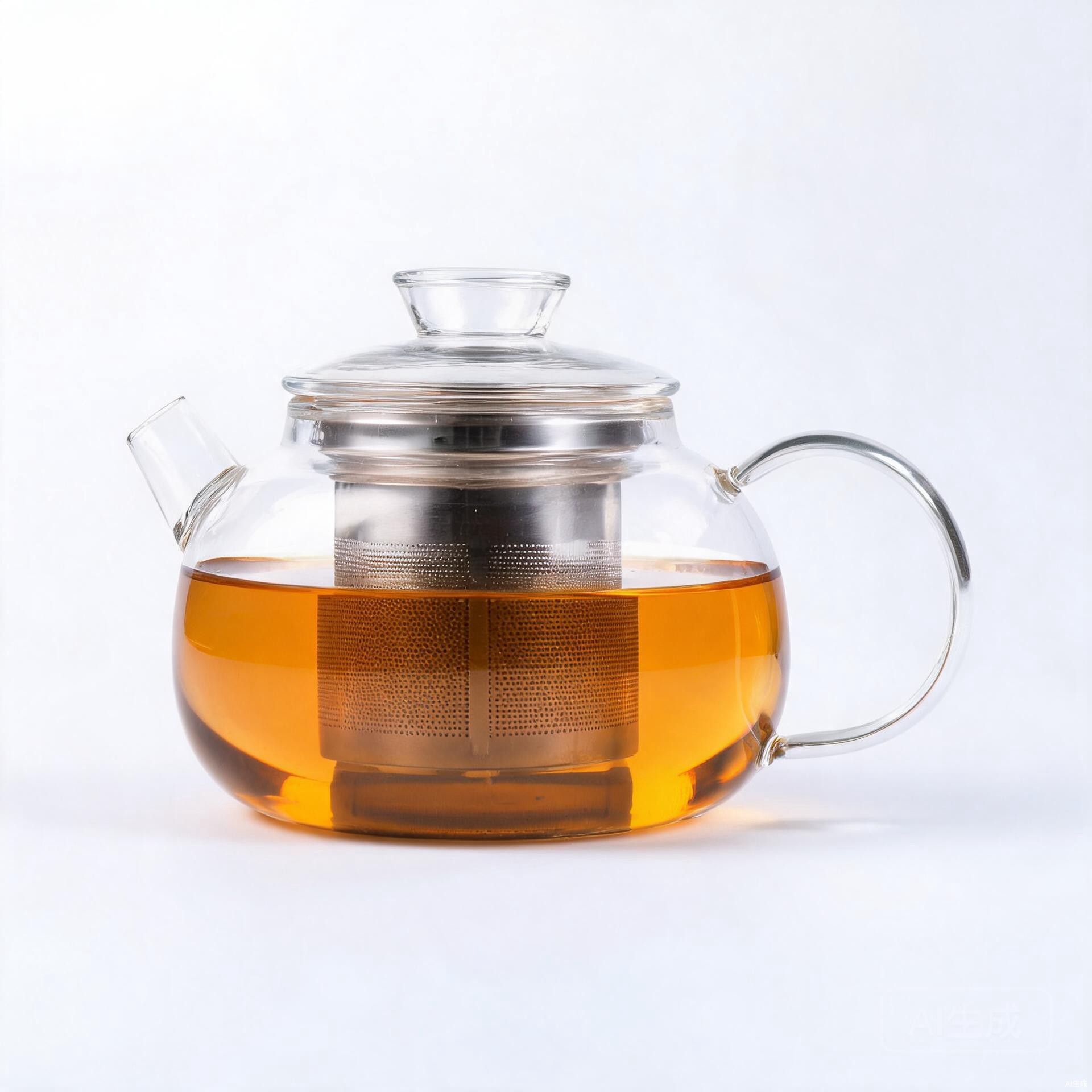
MESNEY 61oz Large Glass Teapot with Infuser
1.8L for full immune-season batches — brew once, pour cups all evening, refrigerate the rest for tomorrow.
Buy Now
17oz Double Walled Glass Coffee Mug
Double-wall glass keeps the purple cup warm through a slow sick-evening sip — and shows the color from every angle.
Buy NowFrequently Asked Questions
What does elderberry tea do?
It delivers a concentrated dose of anthocyanin antioxidants that support immune function. Studies on elderberry products suggest cold and flu symptoms may be shorter and milder — promising, still being researched, and comforting either way.
Is elderberry tea safe?
Yes — when made from commercially dried or fully cooked ripe berries, without stems or leaves. Raw or unripe elderberries are unsafe, which is why you should never forage-and-brew without expertise. Tea bags and dried berries from reputable sellers are processed to be safe.
How much elderberry tea should I drink?
1–2 cups a day during cold season is the common practice. It's a supportive habit, not a cure — and if you're sick enough to need real medicine, take the medicine.
Elderberry tea or syrup — which is better?
Syrup is more concentrated and travels well; tea is gentler, cheaper per cup, and delivers warmth and fluids when you're sick. Many people keep syrup for on-the-go and tea for evenings at home.
When should I start drinking it?
At the very first scratchy throat or sneeze — the studies showing benefit treated symptoms early. Some people drink it daily through peak cold season as general support.
Does elderberry tea have caffeine?
No. Pure elderberry tea is caffeine-free, making it a proper evening winter cup. Check blended products, which sometimes add caffeinated tea leaves.
The Bottom Line
Elderberry tea earns its winter reputation: genuinely rich in immune-supporting anthocyanins, striking to look at, comforting to drink, and — made correctly from dried berries — completely safe. Buy quality dried berries, simmer rather than steep, add cinnamon and honey as core ingredients, and start at the first scratchy throat.
Brew it in a MESNEY glass teapot: the only material that purple pigment can't stain, safe for the simmer, with a deep infuser that catches every berry — then pour the deepest cup in the tea world into a double-wall glass mug.
As an Amazon Associate, MESNEY earns from qualifying purchases. Prices and availability are subject to change.