English Breakfast Tea: The Complete Guide to the Boldest Morning Cup
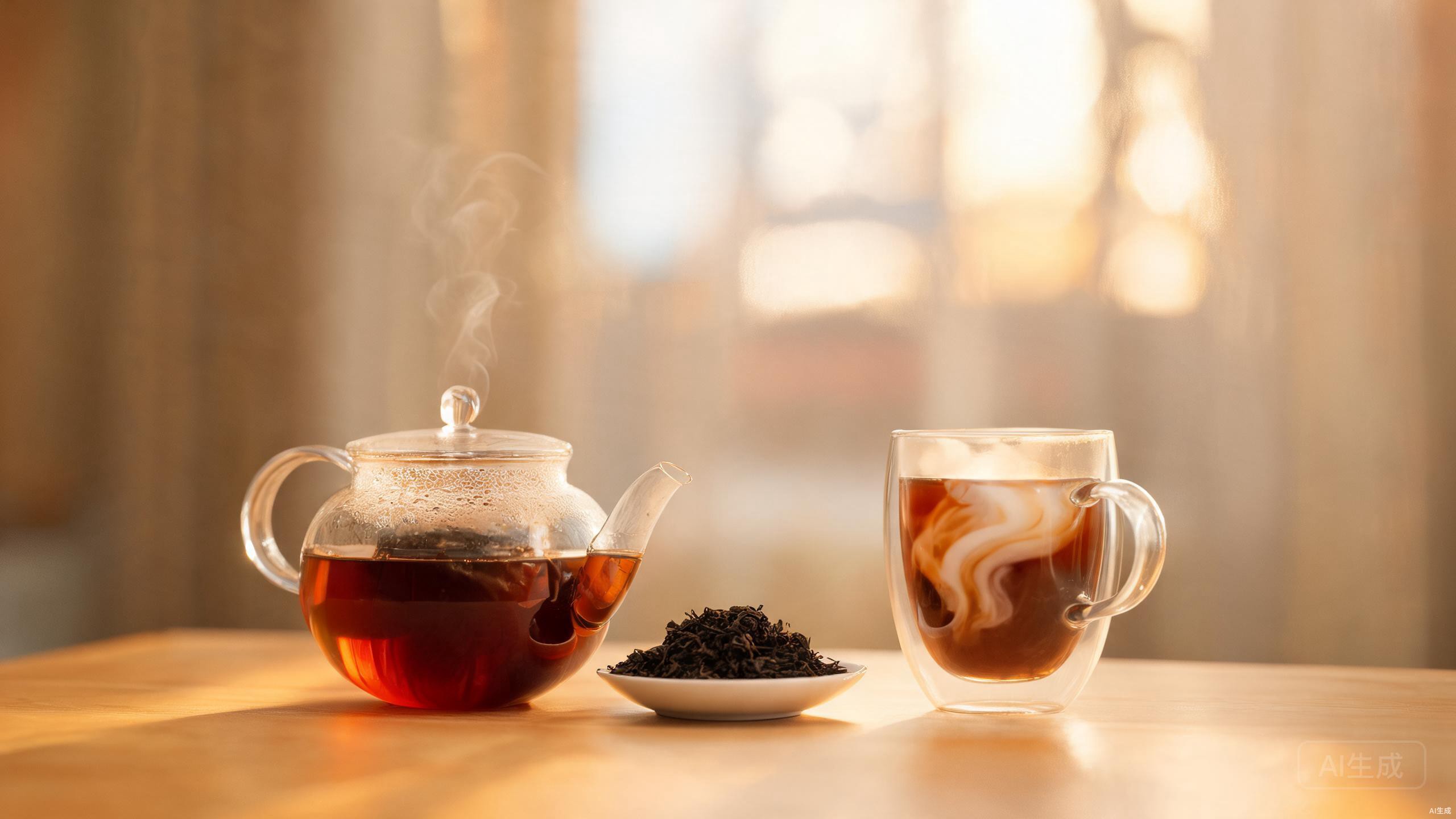
English Breakfast is the world's most popular black tea blend — a bold, malty, full-bodied cup that's been the morning ritual of millions for over a century. It's the tea that pairs with milk, the one that wakes you up, and the standard by which all other black teas are measured.
This guide covers what English Breakfast actually is (the blend, the origins), how to brew it perfectly without bitterness, the caffeine facts, English Breakfast vs Earl Grey, iced and latte variations, and the glass teapots that show off that deep mahogany liquor.
What Is English Breakfast Tea?
English Breakfast is a blend of black teas, traditionally from Assam (India), Ceylon (Sri Lanka), and sometimes Kenya. The exact proportions vary by brand, but the goal is always the same: a full-bodied, malty, robust cup that stands up to milk and holds its own at breakfast.
The blend dates back to the 19th century, when tea merchants in the US and UK began mixing strong Assam teas with brighter Ceylon teas to create a consistent morning brew. The name "English Breakfast" was popularized in the 1890s — and it's still the most-searched tea blend on the planet.
How to Brew English Breakfast Tea Perfectly
English Breakfast is a bold tea, but bold doesn't mean bitter. The key is a short, hot steep:
Perfect English Breakfast Tea (1 cup)
- 1 teaspoon loose leaf English Breakfast (or 1 tea bag)
- 8 oz (240 ml) water at 205°F / 96°C — just off the boil
- Optional: milk and sugar to taste
Method: Place the leaves in a glass teapot with infuser, pour the hot water over, and steep 3–4 minutes. At 3 minutes you get a smooth, malty, full-bodied cup; at 4 it's bolder and more astringent. Strain, add milk if you like, and serve. The classic British way: milk first or last — it's a personal choice, and both are correct.
3–4 minutes, and use a timer. English Breakfast is a forgiving tea, but past 5 minutes the tannins take over. The difference between a 3-minute cup and a 5-minute cup is the difference between "morning ritual" and "why is this bitter."
English Breakfast vs Earl Grey: What's the Difference?
| English Breakfast | Earl Grey | |
|---|---|---|
| Base | Blend of black teas (Assam, Ceylon, Kenya) | Black tea flavored with bergamot oil |
| Flavor | Malty, bold, full-bodied | Bright, citrusy, floral |
| Aroma | Rich, toasty, straightforward | Perfumed, citrus-forward |
| Milk | Classic pairing — the milk softens the malt | Optional — some love it, some prefer lemon |
| Best for | Morning cup, breakfast, milk tea | Afternoon, iced, lattes, plain |
Think of English Breakfast as the sturdy, dependable workhorse and Earl Grey as the elegant, perfumed alternative. Both are black teas, but they serve different moods. If you want a cup that cuts through a hearty breakfast, English Breakfast wins every time.
Iced English Breakfast Tea & the London Fog
Iced English Breakfast Tea (pitcher, serves 4)
- 4 teaspoons loose leaf English Breakfast (or 4 tea bags)
- 4 cups water at 205°F / 96°C
- Ice, and your choice of sweetener
Method: Steep in a 40oz or 61oz glass teapot for 4 minutes, strain, sweeten while warm, and chill. Serve over ice with a splash of milk. The cold-brew version (8–12 hours in the fridge) produces a smoother, less astringent iced tea that's perfect for pitchers.
London Fog Latte (Earl Grey's cousin)
- 1 cup strongly brewed English Breakfast (2 teaspoons, 4-minute steep)
- 1/2 cup steamed or frothed milk
- 1 teaspoon vanilla syrup
Method: Brew the tea strong, stir in vanilla syrup, and pour in the frothed milk. While the classic London Fog uses Earl Grey, English Breakfast makes a bolder, maltier version that pairs beautifully with the vanilla. Serve in a double-wall glass mug to see the layers.
Does English Breakfast Tea Have Caffeine?
Yes — English Breakfast tea contains caffeine, about 40–70 mg per cup, roughly half a cup of coffee. The Assam component in particular is known for being one of the most caffeinated black teas. It's enough to wake you up without the coffee jitters, which is exactly why it's been the world's morning tea for over a century.
Troubleshooting
"My English Breakfast tastes bitter"
Over-steeping is the most common cause. Black tea tannins extract aggressively past 4 minutes. Use a timer and water just off the boil, not rolling boiling.
"It tastes weak or watery"
Use a heaping teaspoon of fresh loose leaf per cup, or brew two tea bags. Old tea loses flavor rapidly — store in an airtight tin away from light.
"Should I add milk?"
It's the traditional way to drink it. The milk softens the tannins and brings out the maltiness. Try it with oat milk — it's a surprisingly good match with the Assam base.
Why Glass Is the Right Home for English Breakfast
English Breakfast produces a deep, rich mahogany liquor that's a pleasure to see — especially against the clear line of a glass cup. A borosilicate glass teapot handles the near-boiling water safely, holds no residual flavor between batches, and the lift-out infuser basket means you can stop the steep instantly at exactly 3 minutes. And because English Breakfast is so often a milk tea, a double-wall glass mug shows off the swirl of milk meeting dark tea.

40oz Glass Teapot with Infuser
Built for the morning ritual: about 4 cups of English Breakfast — enough for you and a guest, or two cups each with a second steep. The lift-out infuser basket stops the steep instantly at your 3-minute mark, and the borosilicate glass shows every shade of mahogany.
Buy Now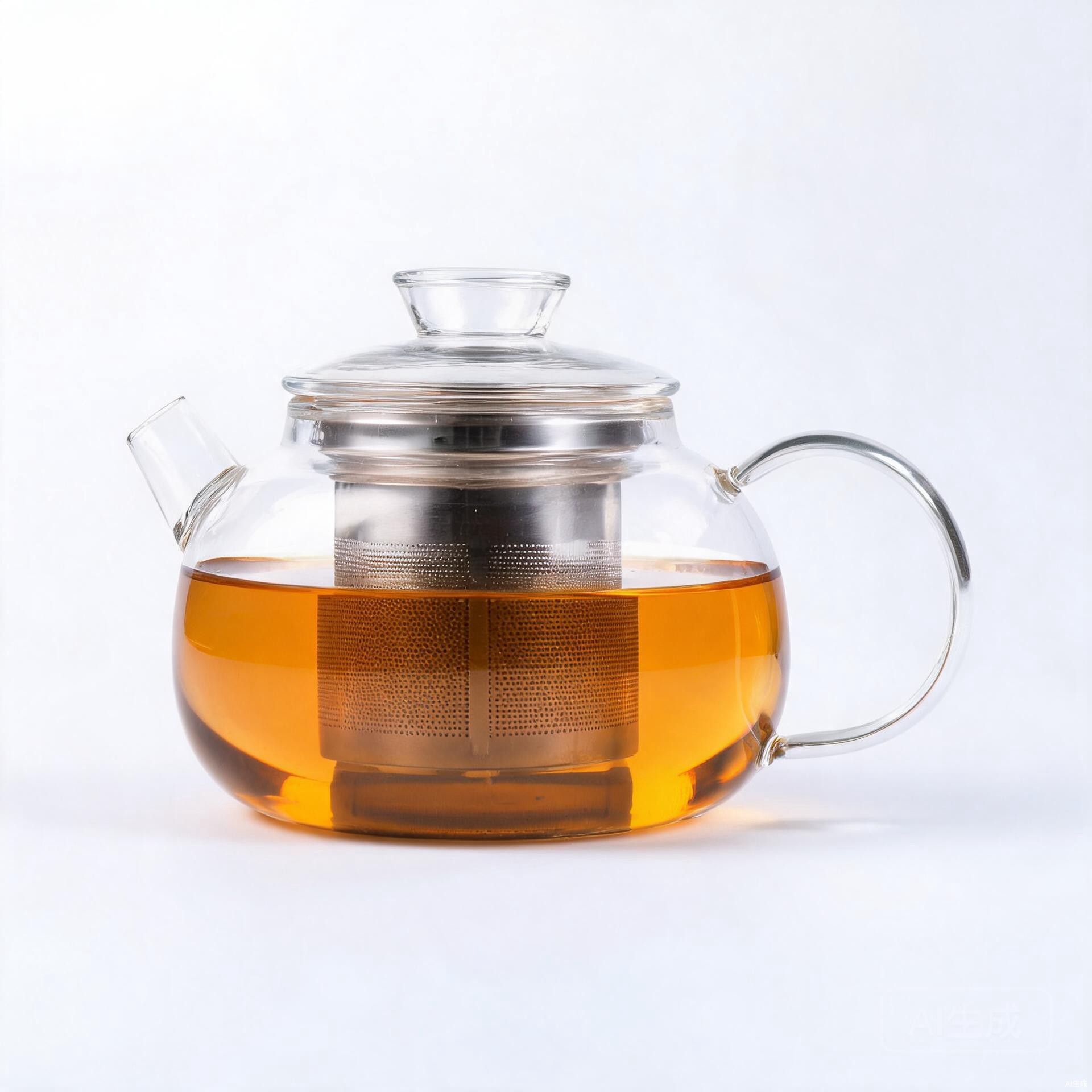
MESNEY 61oz Large Glass Teapot with Infuser
The big-batch size for a full breakfast table or a pitcher of iced English Breakfast. 1.8L, deep infuser basket, same zero-flavor-retention glass.
Buy Now
17oz Double Walled Glass Coffee Mug
The insulated double wall keeps your morning tea hot while the outside stays cool enough to hold. Watch the milk swirl into the dark tea — it's the best part of the morning routine.
Buy NowFrequently Asked Questions
How long should I steep English Breakfast tea?
3–4 minutes. At 3 minutes it's smooth and malty; at 4 it's bolder. Never longer than 5 — past that, the tannins take over.
Does English Breakfast tea have caffeine?
Yes — about 40–70 mg per cup, depending on the blend. The Assam component makes it one of the more caffeinated black teas.
Is English Breakfast tea good with milk?
Absolutely — it's the traditional way to drink it. Milk softens the tannins and brings out the maltiness. Try it with dairy or oat milk.
What's the difference between English Breakfast and Irish Breakfast?
Irish Breakfast is typically a stronger, more full-bodied blend with a higher proportion of Assam tea — it's designed to stand up to the robust Irish breakfast and is often the most caffeinated breakfast blend. English Breakfast is more balanced with a mix of Assam and Ceylon.
Can you drink English Breakfast tea iced?
Yes — it makes a bold, refreshing iced tea that pairs beautifully with lemon or a splash of milk. Cold-brew it for the smoothest result.
Is English Breakfast tea the same as black tea?
English Breakfast is a type of black tea — specifically a blend of black teas from different regions. All English Breakfast is black tea, but not all black tea is English Breakfast.
The Bottom Line
English Breakfast is the world's morning tea for a reason: it's bold, malty, reliable, and pairs perfectly with milk. Brew it at 3–4 minutes with water just off the boil, add milk if you like, and you've got the most satisfying cup of the day.
Brew it in a MESNEY glass teapot: the lift-out infuser stops the steep exactly on time, the borosilicate glass shows that deep mahogany liquor, and a double-wall mug keeps it warm through the whole morning routine.
As an Amazon Associate, MESNEY earns from qualifying purchases. Prices and availability are subject to change.