Fennel Tea: The Complete Guide to the After-Dinner Cup That Actually Works
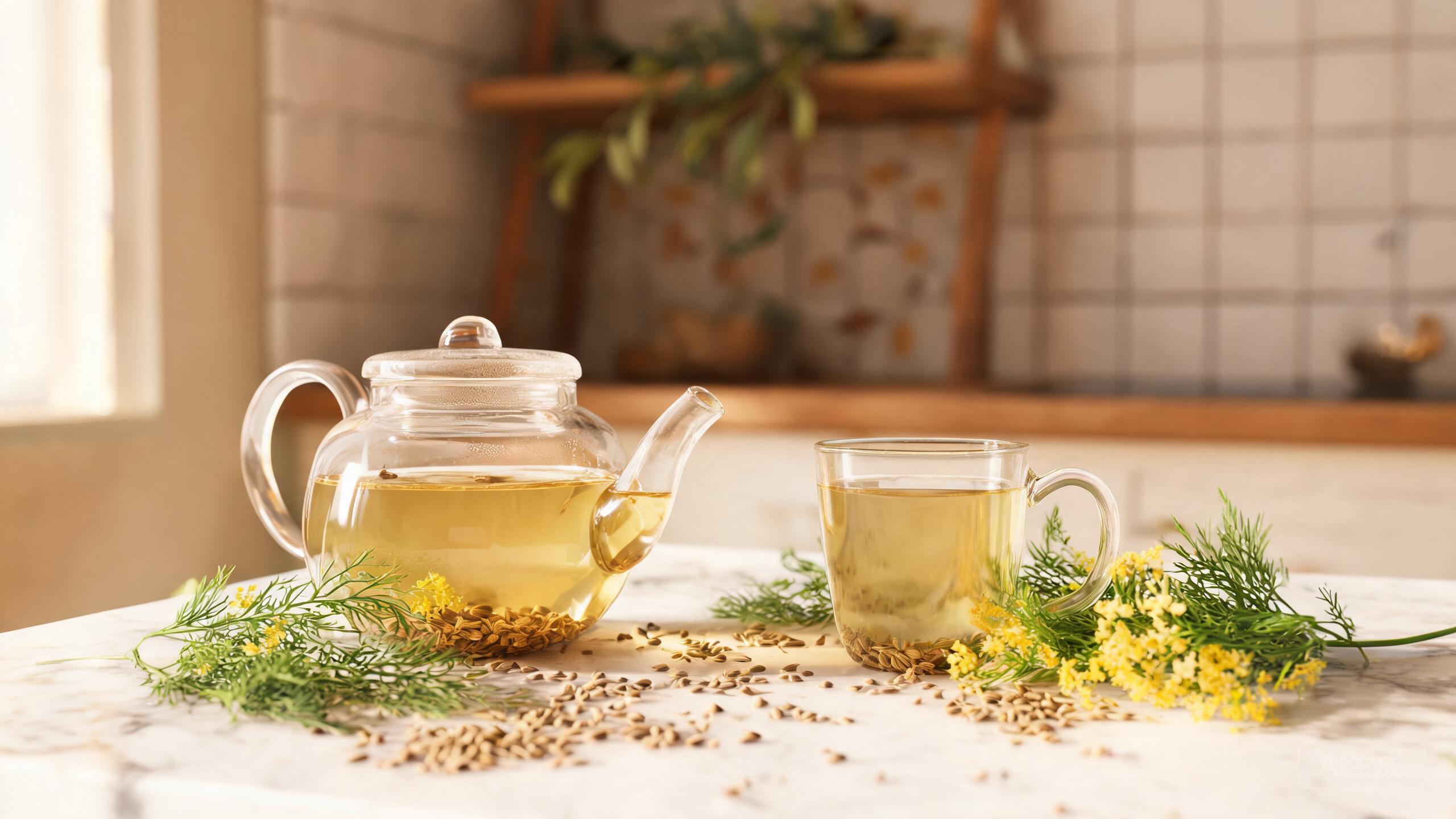
Fennel tea is the oldest bloating remedy still in every kitchen — the seeds are served after meals from India to Italy to the Mediterranean for one reason: they work. A warm, sweet, licorice-adjacent cup that relaxes the gut, moves trapped gas, and turns a heavy dinner into a comfortable evening. It's caffeine-free, cheap, and one of the best-researched herbal digestives there is.
This guide covers what fennel tea actually does (bloating, gas, cramps, appetite), the seed-vs-leaf distinction, how to brew it properly from whole seeds, the combinations worth trying, and the glass teapots that fit the ritual.
Fennel Tea Benefits: What the Research Shows
Fennel (Foeniculum vulgare) seeds contain anethole — the compound behind the sweet anise flavor and most of the medicinal effect. The research record is stronger than most people expect:
- Bloating and gas. This is fennel's signature benefit, and it has real clinical support: fennel oil relaxes the smooth muscle of the intestinal wall, letting trapped gas pass instead of building up. It's one of the few herbal remedies used in hospitals for infant colic (in studied formulations) — the standard for gentle-on-the-gut is high.
- Digestion after meals. Fennel stimulates digestive juices and eases intestinal spasms — the reason cultures from Rome to Delhi serve fennel seeds (or fennel tea) immediately after dinner. If you feel heavy and swollen after eating, this is your herb.
- Menstrual cramps. Several trials show fennel reduces menstrual pain — the same antispasmodic effect that calms the gut also calms uterine cramping. For many women, a warm fennel cup in the first days of a cycle is genuinely effective.
- Appetite and metabolism. Early research links fennel (often as tea before meals) with reduced hunger sensations — a traditional use still being explored scientifically.
- Breath and beyond. Chewing fennel seeds freshens breath; the tea delivers the same antibacterial aromatic oils in a gentler form. Fennel is also a classic ingredient in nursing mothers' tea blends (traditional galactagogue).
Two cautions: fennel has mild estrogenic activity, so avoid concentrated medicinal amounts during pregnancy (a food-level cup after dinner is a different matter — but ask your provider). And anyone allergic to carrot, celery, or mugwort-family plants should skip fennel. If you have a hormone-sensitive condition, check with your doctor before drinking it daily.
Whole Seeds vs Tea Bags: The Difference Is Big
| Whole Fennel Seeds (freshly crushed) | Fennel Tea Bags | |
|---|---|---|
| Flavor | Rounded, sweet, buttery-anise, rich body | Thinner, more one-note anise |
| Potency | Seeds hold their volatile oils until crushed — strongest effect | Pre-ground seeds lose oils to air and light |
| Cost | Very cheap — spice aisle, months of cups per bag | Convenient but pricier per cup |
| Best for | The real after-dinner remedy cup | Travel, office, first-try convenience |
Buy whole seeds and crush them right before brewing. A five-second crush with a mortar, the bottom of a heavy glass, or even a rolling pin cracks the seed coat and releases the oils that both the flavor and the benefits live in. Pre-ground and bagged fennel is the herbal equivalent of pre-ground pepper — acceptable, but you can taste what's missing.
How to Make Fennel Tea From Whole Seeds
Classic Fennel Seed Tea (1 cup)
- 1–2 teaspoons whole fennel seeds, lightly crushed
- 8 oz (240 ml) boiling water
- Optional: a small strip of orange peel, or honey to finish
Method: Crush the seeds just until they crack open (don't powder them). Place in a glass teapot with infuser or directly in the cup, pour boiling water over, and cover the cup or pot — fennel's aromatic oils are volatile and escape with the steam. Steep 10 minutes, strain, and drink slowly while warm. The liquor is pale gold with a warm, sweet anise aroma.
Cover it. Really. The compounds that relax your gut are the same aromatic oils you can smell — and they boil off fast. A covered steep captures them in the cup instead of your kitchen. That lid (or saucer over the mug) is the difference between a thin licorice water and a genuinely effective digestive cup.
5 Fennel Tea Combinations Worth Brewing
- Fennel and peppermint: the classic gut-soother — mint's cooling and fennel's carminative effect on the same bloated evening.
- Fennel and ginger: warming, spice-sweet, and double-acting on slow digestion after big meals.
- Fennel and chamomile: the evening wind-down cup — sweet, floral, and calming for both stomach and mind.
- Fennel and green tea: a traditional Indian-style pairing; the anise sweetness rounds out green tea's grassiness.
- Fennel, orange peel, and cinnamon: a fragrant, almost dessert-like winter cup that still works as a digestive.
Does Fennel Tea Have Caffeine?
No — pure fennel seed tea is completely caffeine-free. It's a seed infusion, not a tea-plant drink, which makes it ideal after dinner: you get the digestive benefit and the ritual of a warm cup without any impact on sleep. That's exactly why it became the world's standard after-meal drink.
Troubleshooting
"It tastes too much like licorice"
Fennel is sweeter and rounder than licorice, but if anise flavor isn't your thing, cut the seeds to 1 teaspoon and blend with chamomile or mint — you'll keep most of the digestive benefit under a friendlier flavor.
"My cup tastes weak"
Three fixes: crush the seeds fresh instead of using whole, steep the full 10 minutes covered, and use 2 teaspoons instead of 1. Weak fennel tea is almost always uncrushed seeds or an uncovered steep.
"Can I use the fresh fennel bulb or fronds?"
Yes — fresh fronds make a lighter, greener, more delicate cup (steep 5 minutes), and thin slices of the bulb brew a subtle vegetable-sweet infusion. The seeds remain the most potent and traditional form.
Why Glass Is the Right Home for Fennel Tea
Fennel tea rewards watching: the pale gold liquor, the cracked seeds swirling and slowly releasing tiny oil beads. Borosilicate glass holds the heat through the full 10-minute covered steep, never absorbs anise oils (a flavor that clings to plastic and even some ceramics), and the infuser basket strains the seeds cleanly. For an after-dinner cup that's as much ritual as remedy, glass fits the part.

40oz Glass Teapot with Infuser
Built for the covered steep: load crushed fennel seeds into the deep infuser basket, pour, and let the lid hold every volatile oil in the pot. About 4 cups — the after-dinner round for the whole table, and the glass never keeps a trace of anise.
Buy Now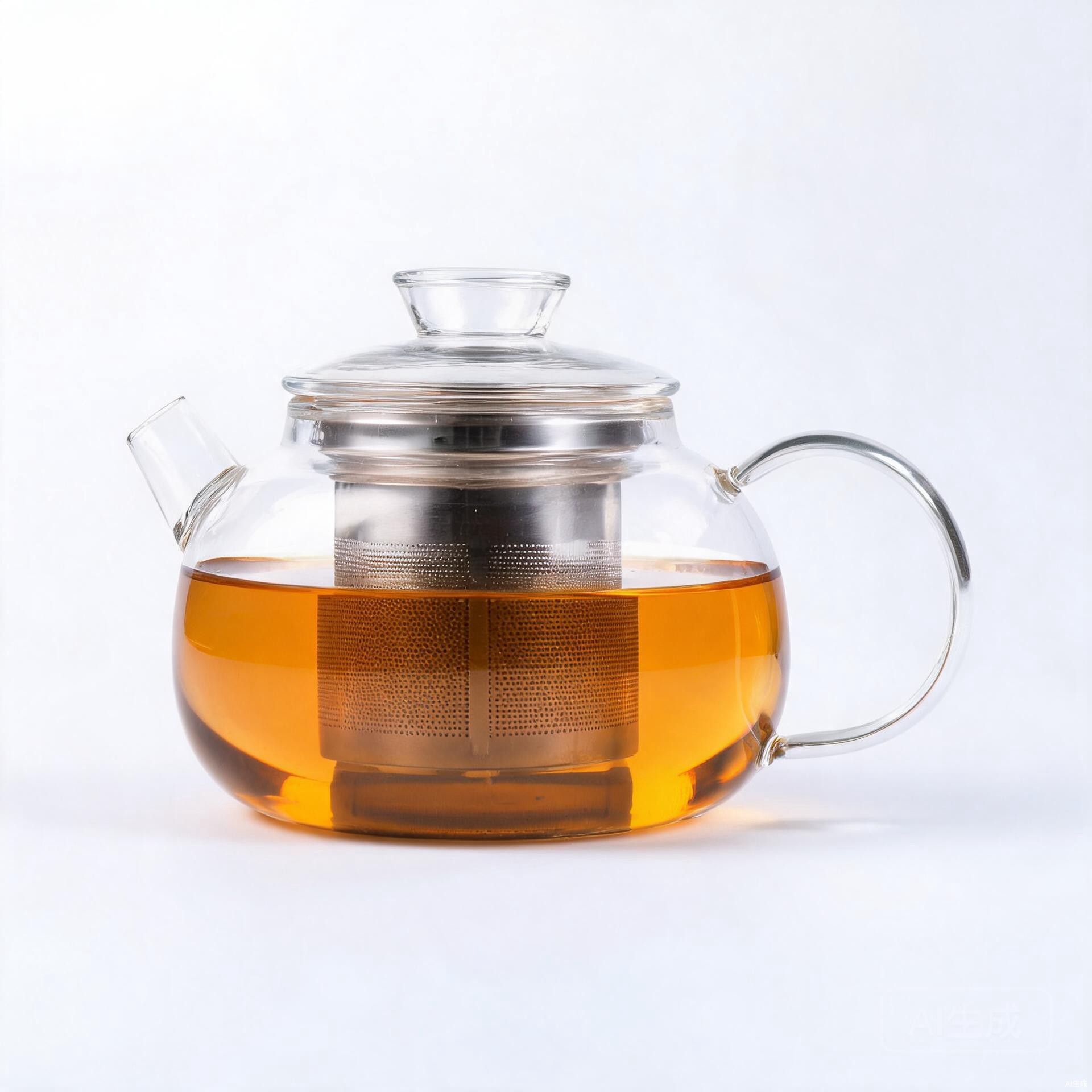
MESNEY 61oz Large Glass Teapot with Infuser
1.8L for after-dinner rounds with guests — one brew, everyone's digestive cup poured at once.
Buy Now
17oz Double Walled Glass Coffee Mug
The double wall keeps your fennel cup warm through a slow post-dinner sip while staying cool in hand.
Buy NowFrequently Asked Questions
What does fennel tea do?
It relaxes the intestinal muscles, letting trapped gas pass and relieving bloating and fullness after meals. It also eases menstrual cramps and freshens breath — all with zero caffeine.
How fast does fennel tea work for bloating?
Often within 20–30 minutes of finishing a warm cup — that's why it's served right after the meal rather than hours later. For slow digestion, drink it at the first sign of heaviness.
Should I crush fennel seeds for tea?
Yes — lightly crush them just before brewing. Cracking the seed coat releases the volatile oils where both the flavor and the carminative effect live. Whole uncrushed seeds make a much weaker cup.
How many cups of fennel tea a day?
1–3 cups is the normal range — typically one after each main meal. It's gentle, but moderation keeps you well within studied amounts.
Is fennel tea safe during pregnancy?
Food-level amounts (an occasional cup) are generally considered fine, but because fennel has mild estrogenic activity, concentrated daily use is usually advised against during pregnancy. Ask your healthcare provider.
Does fennel tea have caffeine?
No. Pure fennel tea is naturally caffeine-free, making it one of the best after-dinner drinks of any kind.
The Bottom Line
Fennel tea earns its place in every kitchen: a genuinely effective, well-studied remedy for bloating and after-meal heaviness, sweet enough to need no sugar, and as close to free as herbal tea gets. Buy whole seeds from the spice aisle, crush them fresh, cover the steep for the full 10 minutes, and make it the standing end of dinner.
Brew it in a MESNEY glass teapot: the lid holds the volatile oils in, the infuser strains the seeds clean, and the glass shows the pale gold cup — then pours it into a double-wall mug that keeps the warmth while dinner settles.
As an Amazon Associate, MESNEY earns from qualifying purchases. Prices and availability are subject to change.