Genmaicha: The Complete Guide to Japanese Toasted Rice Tea
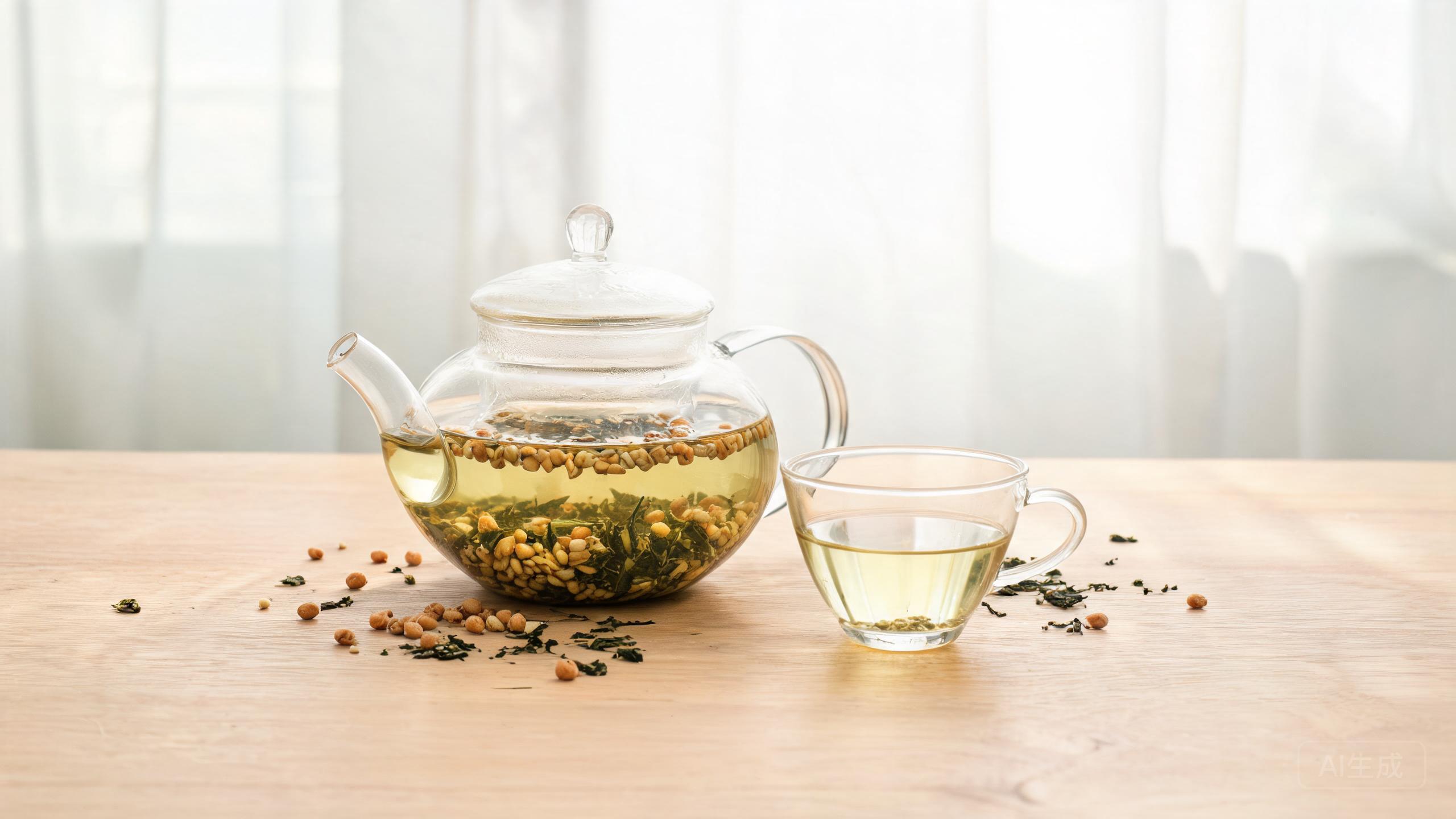
Genmaicha is the friendly green tea — a blend of Japanese green tea and roasted brown rice that tastes like a warm, toasty, buttery bowl of comfort. Its nutty aroma and naturally low bitterness make it the rare green tea that even self-described "tea avoiders" enjoy, which is exactly why it's become a beloved everyday cup in the West as well as Japan.
This guide covers what genmaicha is, why some rice grains look like "popcorn," its caffeine content, how different it is from sencha, how to brew it at the perfect temperature, and the glass teapots that show off its soft golden color.
What Is Genmaicha?
Genmai means brown rice and cha means tea. Genmaicha is sencha (or bancha) green tea blended with roasted brown rice — usually about 50:50, though the ratio varies. The rice is roasted until golden and puffed, which gives the tea its signature toasty, slightly nutty flavor and that waft of warm milk-and-granola aroma when you open the bag. Some grains pop open during roasting and look like little popcorn kernels — hence genmaicha's affectionate nickname, "popcorn tea."
What Does Genmaicha Taste Like?
The flavor is genmaicha's party trick: a soft green-tea base with a warm roasted-rice nuttiness, very little bitterness, and a naturally sweet, comforting finish. The rice mellows the green tea's astringency dramatically, so it's gentler and more forgiving than straight sencha. It's frequently described as tasting like toasty rice, chestnuts, or even a barely-sweet popped grain. For newcomers to green tea, it's the most welcoming possible entry point.
Genmaicha Benefits: Why Tea Lovers Reach for It
- Gentler on the stomach. Because the rice dilutes and mutes the green tea's tannins and caffeine load, genmaicha is easier on sensitive stomachs than concentrated sencha or matcha.
- Still delivers green tea's antioxidants. Catechins and polyphenols are diluted but present — every cup of genmaicha still counts toward your daily green tea.
- Naturally comforting and low-stress. The roasted-rice flavor is warm and grounding, and the lower caffeine makes it a safe late-afternoon or evening cup.
- Great for weight-conscious sippers. The toasted rice adds aroma and body with almost no added calories — it's a genuinely satisfying, guilt-free warm drink.
Does Genmaicha Have Caffeine?
Yes, but less than most green teas. Because roughly half of genmaicha is rice rather than tea leaves, a cup typically contains about 30–55% of the caffeine of a cup of sencha — often in the ballpark of a mild green tea or slightly below. It's not caffeine-free, but it's a light, gentle lift. If you want almost no caffeine at all, look for a roasted-rice or barley (mugicha) blend instead.
Genmaicha vs Sencha: Which Should You Choose?
| Genmaicha | Sencha | |
|---|---|---|
| Flavor | Toasty, nutty, gentle, mellow | Fresh, grassy, vegetal, a touch astringent |
| Body | Soft and rounded by the rice | Bright and crisp |
| Caffeine | Lower (rice dilutes the leaf) | Higher, standard green tea |
| Best for | Everyday, beginners, evenings, comfort | Green-tea purists, morning refresh |
If you want the classic bright, grassy Japanese green tea, choose sencha. If you want a mellow, nutty, all-day green tea that's hard to get wrong, choose genmaicha. Many households keep a tin of each.
How to Brew Genmaicha (Perfect Temperature)
The Classic Genmaicha Brew (1–2 cups)
- 1 tablespoon genmaicha (or 2 teaspoons per cup)
- 8 oz (240 ml) water at 175–185°F (80–85°C)
- Steep time: 1–2 minutes for leaves; 3 minutes if it includes popped rice
Method: Genmaicha is forgiving, but temperature still matters. Boil the water, then let it cool ~1 minute to 175–185°F. Pour over the leaves and steep 1–2 minutes — go shorter and cooler for the sweetest, least bitter cup. Strain into a glass teapot or cup. The leaves can be re-steeped 2–3 times with slightly hotter water for a second, toastier infusion.
Don't fuss too much. Genmaicha is the most over-brew-tolerant green tea — its mellow rice character forgives a longer steep or hotter water far better than sencha will. If you're new to brewing green tea at home, genmaicha is the safest place to practice.
5 Ways to Enjoy Genmaicha
- Plain and traditional: hot, straight, in a small glass cup — the way it's mostly drunk in Japan.
- With a meal: its nutty, savory character pairs beautifully with food — one of the reasons it's served with sushi and bento.
- Iced: steeped strong, then poured over ice for a toasty cold green tea on warm days.
- As a latte: whisk genmaicha with a little steamed milk for a nutty, cozy "genmaicha latte."
- For elegant desserts: steeped genmaicha is a lovely base for jellies, panna cotta, or baked goods — or just a calming evening cup after dinner.
Why Glass Is the Right Home for Genmaicha
Genmaicha pours a soft, pale golden-green that's genuinely beautiful — flecked with toasted rice grains. A clear borosilicate glass teapot shows that delicate color honestly and lets you watch the slightly-opaque infusion turn clear as the rice grains fall and steep. The stiff infuser basket catches those popped rice kernels neatly, and a double-wall glass cup keeps the gentle warmth in as you sip it slowly — the whole reason genmaicha feels like a warm blanket in a cup.

40oz Glass Teapot with Infuser
Made for gentle green steeps: about 4 cups — watch the soft golden infusion develop through the clear borosilicate glass, and lift the deep infuser basket to strain the rice and leaves evenly.
Buy Now
17oz Double Walled Glass Coffee Mug
Genmaicha is a slow, sipped-all-day kind of tea — and the double wall keeps the gentle warmth in without heating your hands.
Buy Now
MESNEY Double Wall Espresso Cups (Set of 2)
Genmaicha is traditionally served in small cups — the double-wall 6.7oz cups are perfect for a focused, toasty sip of Japanese green tea. Check today's price on Amazon.
Buy on AmazonFrequently Asked Questions
Why does my genmaicha have popcorn in it?
Those small puffed kernels are roasted brown rice grains that popped during the roasting process — completely normal, and they're a key part of genmaicha's toasty flavor. It's why genmaicha is sometimes called "popcorn tea."
Does genmaicha taste like green tea?
It has a green tea base, but the roasted rice mellows and rounds it out into a nutty, toasty, low-bitterness cup that tastes more like warm toasted rice than an astringent green. It's green tea's friendliest form.
Is genmaicha good for you?
Yes — it delivers green tea's antioxidants in a gentler, lower-caffeine form, and it's an easy, satisfying way to build a daily tea habit. It's naturally low-calorie and a great warm non-coffee option.
Can you drink genmaicha cold or iced?
Absolutely. Brew it a little strong at cool temperature, then pour over ice — the toasty character is lovely cold and makes an excellent caffeine-light iced tea.
How many times can you re-steep genmaicha?
Two to three times if the leaves are good quality. The second infusion is often toastier; add a little hotter water and shorten the steep to keep it sweet.
Is genmaicha gluten-free?
Yes, brown rice is naturally gluten-free. Always check the specific brand's label, but genuine genmaicha is safe for gluten-sensitive tea drinkers.
The Bottom Line
Genmaicha is the green tea for people who don't think they like green tea — nutty, toasty, gentle, and impossible to overthink. Brew it cool and short for the sweetest cup, let the popped rice do its comforting work, and enjoy a caffeine-light green tea you can sip all day.
Brew it in a MESNEY borosilicate glass teapot: watch the soft golden infusion clear as the rice settles, strain the leaves with the infuser basket, and pour into a double-wall cup for the most welcoming cup of Japanese tea you'll have all year.
As an Amazon Associate, MESNEY earns from qualifying purchases. Prices and availability are subject to change.