Ginger Tea: The Complete Guide to the Zingiest Cup You Can Brew
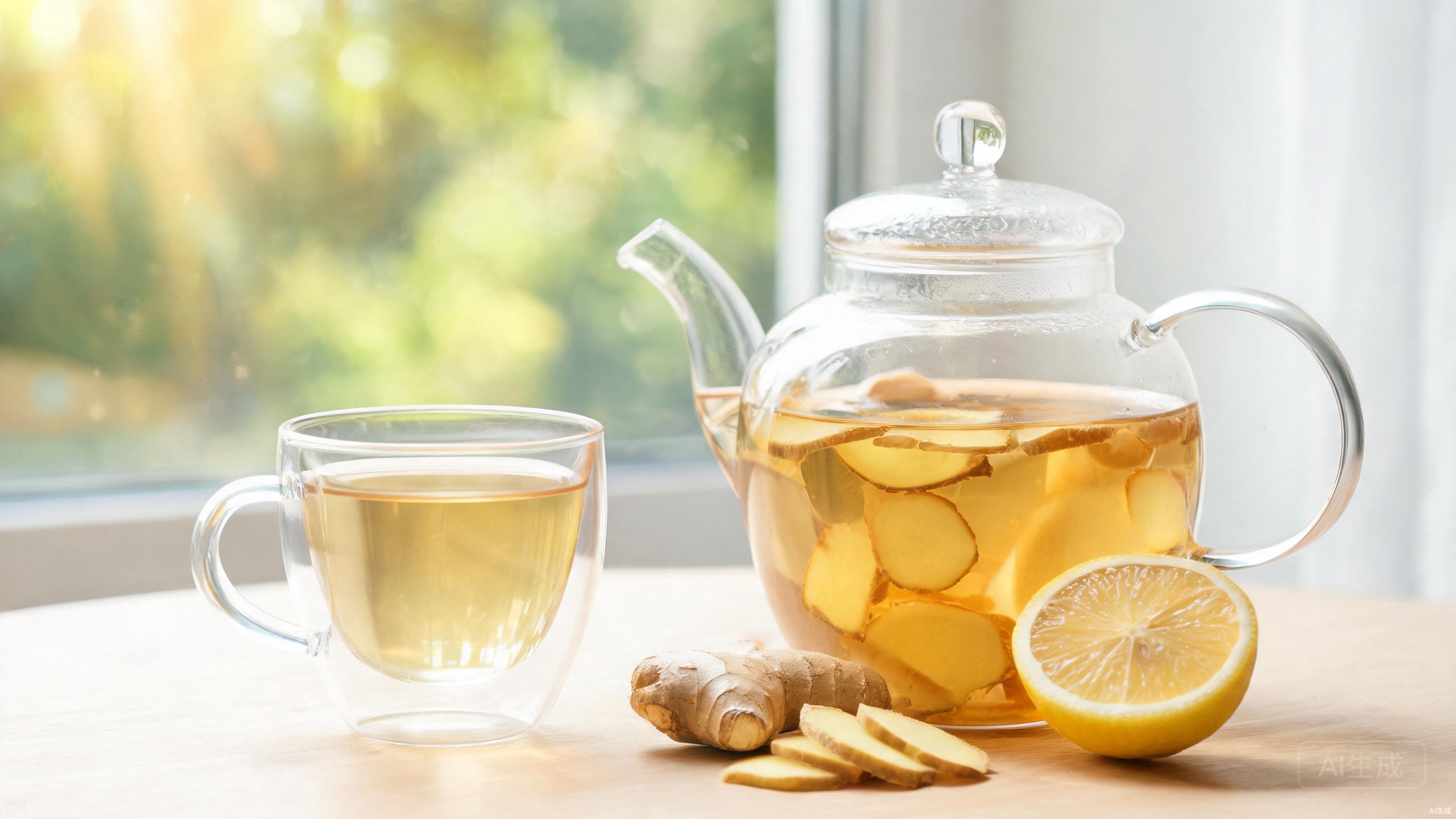
Ginger tea is the wellness drink that actually tastes good: a bright, warming, gently spicy cup that's been a remedy for thousands of years — and one of the fastest-growing tea searches on the internet. It's caffeine-free, takes five minutes from fresh root, and the research behind its benefits is genuinely strong.
This guide covers the researched benefits (nausea, digestion, immunity), how to make fresh ginger tea from scratch, the exact amount and steep time, iced and honey variations, and the glass teapots that let you watch the pale golden liquor develop.
Ginger Tea Benefits: What the Research Actually Shows
Ginger (Zingiber officinale) contains gingerol — the compound responsible for its heat — plus shogaols and zingerone. It's one of the most-studied natural remedies in the world:
- Nausea. This is the strongest, most consistent finding. Ginger is clinically proven to reduce nausea from motion sickness, morning sickness, and chemotherapy. It's so well-established that it's a first-line natural recommendation for queasy stomachs.
- Digestion. Ginger speeds gastric emptying — food moves through the stomach faster, which relieves that heavy, bloated feeling after a big meal. A cup after dinner is genuinely helpful.
- Cold and flu support. Ginger is warming and mildly anti-inflammatory. A hot cup of ginger tea with honey and lemon is the classic cold remedy — and while it won't cure a cold, it soothes a sore throat and clears sinuses.
- Menstrual cramps. Several studies show ginger reduces menstrual pain comparably to common pain relievers.
- Blood sugar. Some research suggests ginger can modestly improve blood sugar control — promising, though not a treatment.
Two cautions: ginger can thin the blood, so if you take blood thinners or have upcoming surgery, check with a doctor before drinking large amounts. And very high doses can cause heartburn — stick to 1–2 cups a day and it's completely safe for most people.
Fresh Ginger vs Dried Ginger Tea
| Fresh Ginger Root | Dried Ginger / Tea Bags | |
|---|---|---|
| Flavor | Bright, zingy, citrusy heat | Deeper, earthier, more peppery |
| Preparation | Slice or grate, steep 10 min | Steep a bag 5 min |
| Potency | Stronger gingerols (the active compounds) | Some gingerols convert to shogaols when dried |
| Best for | Fresh, vibrant cups; nausea relief | Convenience, travel |
Fresh ginger is the clear winner for both flavor and potency — the gingerols that drive the health benefits are at their highest in fresh root. Dried ginger tea bags are fine for convenience, but if you're brewing for nausea or digestion, fresh root is worth the extra two minutes.
How to Make Fresh Ginger Tea (The Right Way)
Perfect Fresh Ginger Tea (1 cup)
- 1-inch piece fresh ginger (about 15g), peeled and thinly sliced
- 8 oz (240 ml) boiling water
- Optional: honey and a squeeze of lemon
Method: Place the ginger slices in a glass teapot with infuser (or directly in the pot), pour boiling water over, and steep 10 minutes — longer than you'd think, because ginger needs time to release its oils. Strain, and drink warm with honey and lemon. For a stronger cup, grate the ginger instead of slicing — more surface area means more flavor.
Don't peel it if you're in a hurry. The skin is edible and holds flavor — a good rinse is enough. And remember: the longer you steep, the spicier it gets. Taste at 8 minutes and decide from there.
5 Easy Ginger Tea Variations
- Ginger lemon tea: the classic cold remedy — ginger, lemon juice, and honey. Bright, soothing, and warming.
- Ginger turmeric tea: add a thumb of fresh turmeric and a pinch of black pepper (which boosts curcumin absorption) for the golden wellness cup.
- Iced ginger tea: double the ginger, steep, chill, and serve over ice with lemon and mint — a zingy, caffeine-free summer cooler.
- Ginger honey (the syrup): simmer sliced ginger in honey and water for 20 minutes, strain, and keep the syrup in the fridge — a spoonful in hot water makes instant ginger tea.
- Ginger green tea: a slice of fresh ginger brewed alongside green tea adds warmth without overpowering it.
Does Ginger Tea Have Caffeine?
No — pure ginger tea is naturally 100% caffeine-free. It's an herbal infusion made from the root, not the Camellia sinensis tea plant, so it contains no caffeine. That makes it a great evening drink and a smart choice for anyone sensitive to caffeine. (The only exception: ginger green or black tea blends, which do contain caffeine from the tea leaves.)
Troubleshooting
"My ginger tea isn't spicy enough"
Three fixes: grate instead of slice, use more ginger (up to 2 inches), or steep longer. The heat builds with time — 15 minutes gives a noticeably bolder cup.
"It's too spicy / burns my throat"
Use less ginger and steep for less time. Ginger's heat is real — start with a ½-inch piece if you're sensitive, and dilute with hot water if needed.
"My ginger tea tastes bitter"
Usually from very old ginger root or from boiling the ginger itself (as opposed to steeping it in just-boiled water). Use fresh, firm root and steep rather than boil.
Why Glass Is the Right Home for Ginger Tea
Ginger tea is a visual drink — the pale golden liquor, the floating slices, the lemon wheel. A borosilicate glass teapot shows all of it, holds no residual ginger heat between batches, and handles boiling water safely. And because ginger tea is so often a remedy cup — cold mornings, queasy evenings — a double-wall glass mug keeps it warm and comfortable to hold.

40oz Glass Teapot with Infuser
Built for the daily ginger ritual: about 4 cups, enough for a morning cup and an evening cup. Load the infuser basket with sliced ginger, pour boiling water, steep 10 minutes, lift, and pour. The borosilicate glass shows the golden liquor developing.
Buy Now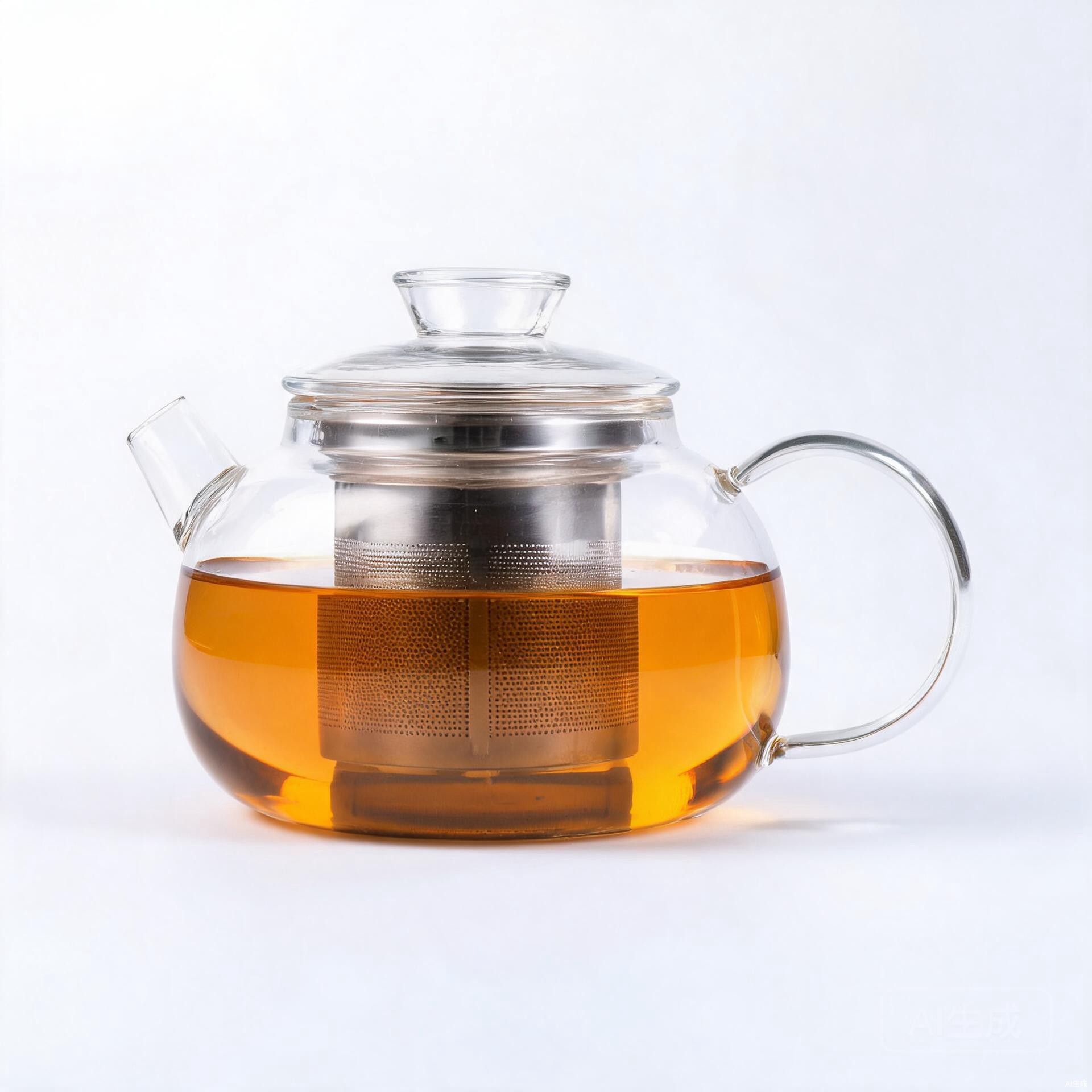
MESNEY 61oz Large Glass Teapot with Infuser
The big-batch size for a full pitcher of iced ginger tea or a family cold-season supply. 1.8L, deep infuser basket, same zero-flavor-retention glass.
Buy Now
17oz Double Walled Glass Coffee Mug
The insulated double wall keeps your ginger tea warm through a whole slow sip while the outside stays cool to hold — perfect for a remedy cup you want to linger over.
Buy NowFrequently Asked Questions
How long should I steep ginger tea?
10 minutes for sliced fresh ginger, 5 minutes for tea bags. Longer steeping makes it spicier, not bitter — taste at 8 minutes and decide.
Is ginger tea good for nausea?
Yes — this is the best-researched benefit. Ginger is clinically proven to reduce nausea from motion sickness, morning sickness, and other causes.
Is ginger tea good for a cold?
It's a classic remedy for good reason — it's warming, soothing for sore throats, and mildly anti-inflammatory. It won't cure a cold, but it genuinely helps you feel better.
Does ginger tea have caffeine?
No. Pure ginger tea is a naturally caffeine-free herbal infusion, so it's safe any time of day.
Can you drink ginger tea every day?
Yes, 1–2 cups a day is safe for most people. If you take blood thinners or have gallstones, check with a doctor first.
Is ginger tea safe during pregnancy?
Ginger is a well-studied remedy for morning sickness and is generally considered safe in moderate amounts (about 1 cup a day) — but always check with your healthcare provider.
The Bottom Line
Ginger tea is the rare wellness drink that earns its reputation: real clinical evidence for nausea and digestion, zero caffeine, and a bright zingy flavor that needs no sugar. Slice a thumb of fresh ginger, steep it the full 10 minutes, and add honey and lemon — you'll have a cup that beats any tea bag.
Brew it in a MESNEY glass teapot: watch the golden liquor develop, keep the ginger in the deep infuser basket, and serve in a double-wall glass mug that holds the warmth — and the zing — all the way down.
As an Amazon Associate, MESNEY earns from qualifying purchases. Prices and availability are subject to change.