Ginseng Tea: The Complete Guide to the Golden Root That Boosts Energy
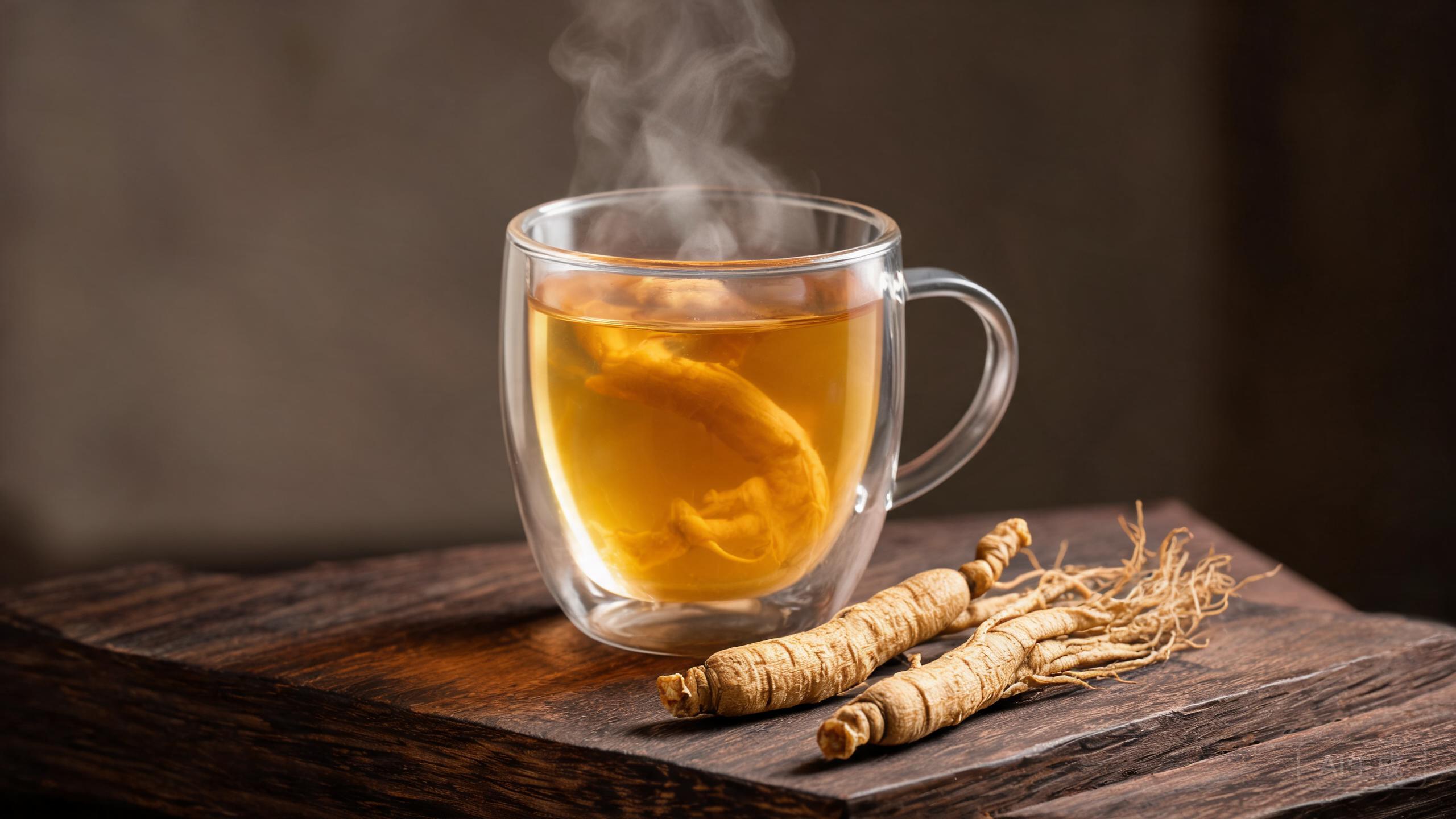
Ginseng tea is the quiet energy cup that works differently from coffee — instead of a caffeine spike, it's traditionally used for sustained, steady stamina and focus. It's an earthy, slightly sweet golden brew with a three-thousand-year reputation, and the kind of tea where the type you choose changes everything.
This guide covers the American vs Asian ginseng difference, what research actually says about energy and cognition, how to brew ginseng tea so it tastes good (it can be bitter if you get it wrong), the blends that hide and harness the earthiness, the safety rules that matter, and the glass teapots that show off the amber root.
Ginseng Tea Benefits: What the Research Shows
Ginseng's active compounds are ginsenosides, a family of saponins found almost nowhere else in the plant world, and they're the reason this root has been studied for everything from fatigue to focus:
- Energy and fatigue. Several studies on ginseng found improvements in self-reported fatigue and vitality, especially in people already run down. It's considered an adaptogen — a herb meant to help the body cope with stress rather than force a stimulant spike.
- Focus and working memory. A body of research reports modest improvements in mental performance, attention, and reaction time with daily ginseng use. The effect is gradual, not instant.
- Steady, not spiky. Because ginseng doesn't rely on caffeine, you don't get the mid-afternoon crash that follows coffee — the energy comes on smoother and is often described as "clean."
- Antioxidant support. Ginsenosides and polyphenols give the root a genuine antioxidant load.
The safety rules — read this part: ginseng can lower blood sugar and interact with blood thinners, diabetes medication, and some blood-pressure drugs — check with a doctor if you take any. It can cause insomnia if taken too late in the day (it's stimulating), and jitters or headaches in sensitive people. Avoid it during pregnancy. Short seasonal courses with breaks are the traditional and safest pattern; continuous daily use for months isn't recommended.
American vs Asian Ginseng: Which Should You Brew?
| American Ginseng (Panax quinquefolius) | Asian/Korean Ginseng (Panax ginseng) | |
|---|---|---|
| Flavor | Milder, cooler, less bitter, slightly sweet | More warming, earthier, more pronounced |
| Traditional use | Cooling, "yin" — gentle daily energy, stress support | Warming, "yang" — stronger, often for stamina |
| Best for | Newcomers, slow steady support, milder daily cup | People who like a stronger root, more intense support |
| Caffeine | None | None |
Non-ginseng herbs sometimes sold as "ginseng" — like Siberian eleuthero or ashwagandha — are different plants entirely. Check the label: genuine ginseng is Panax ginseng (Asian) or Panax quinquefolius (American). For your first pot, American ginseng is the friendlier cup.
How to Make Ginseng Tea
Classic Golden Ginseng Tea (1 cup)
- 1 teaspoon dried ginseng root slices (or ½ teaspoon ginseng powder, or 1 ginseng tea bag)
- 12 oz (350 ml) water, just off the boil
- A little honey, to finish (optional but traditional)
Method: Root slices are dense, so treat them like a decoction: place them in a stovetop-safe glass teapot, cover with water, and simmer gently for 10 minutes. (Tea bag or powder: just steep 5–7 minutes in a teapot infuser instead.) Strain, stir in honey while warm, and drink mid-morning — not too late in the day, or it may keep you up.
Make it a 2-infusion root: ginseng root slices can be re-steeped. Save the simmered slices, add fresh water, and brew a second, gentler cup the next morning. You get more out of each batch and a naturally smoother second cup.
6 Ways to Balance Ginseng's Earthiness
- Ginseng and honey: the classic — honey rounds the earthy edge into sweetness.
- Ginseng and lemon: bright citrus lifts the root's deep tone; also complements ginseng's traditional pairing.
- Ginseng and ginger: both are warming roots — a great cool-weather duo.
- Ginseng and goji berry: a traditional East Asian pairing that adds gentle berry sweetness.
- Ginseng and green tea: for those who want mild caffeine with the root — a bright, sustaining morning cup.
- Ginseng and mint: refreshing and masks the rootiness for first-timers.
Does Ginseng Tea Have Caffeine?
No — pure ginseng tea is naturally caffeine-free. The pick-me-up it's known for comes from ginsenosides and adaptogenic support, not stimulants. (If you brew ginseng with green or black tea, the tea contributes caffeine.) That's why a ginseng cup is a popular "coffee alternative for steady morning energy" — smooth onset, no afternoon crash.
Troubleshooting
"It tastes bitter or medicinal"
Over-brewed, or you used more root than needed. Keep the simmer to 10 minutes, use a little less root, and always finish with honey. American ginseng is naturally milder if bitterness bothers you.
"It made me feel jittery"
Ginseng is stimulating for some people even without caffeine. Cut the amount in half, take it earlier in the day, and try American ginseng over Asian if you're sensitive.
"Can I re-use the root pieces?"
Yes — one to two times. Each re-steep is gentler. Discard when the amber color barely comes up and the flavor is papery.
Why Glass Is the Right Home for Ginseng Tea
Ginseng is an elegant, expensive-feeling root, and it likes a simmer — the one thing you never want to do in plastic. Borosilicate glass is stovetop-safe for the 10-minute decoction, chemically inert so nothing leaches into and muddies the amber liquor, and beautifully transparent so you can watch the root release its golden color. Pour it into a double-wall glass mug and a nothing-cup of herbal tea becomes a small ritual.

40oz Glass Teapot with Infuser
The one pot for roots and herbs: stovetop-safe borosilicate glass takes the gentle simmer, and the deep infuser basket holds root pieces so you never sip a stray slice. Watch the amber come up through the glass.
Buy Now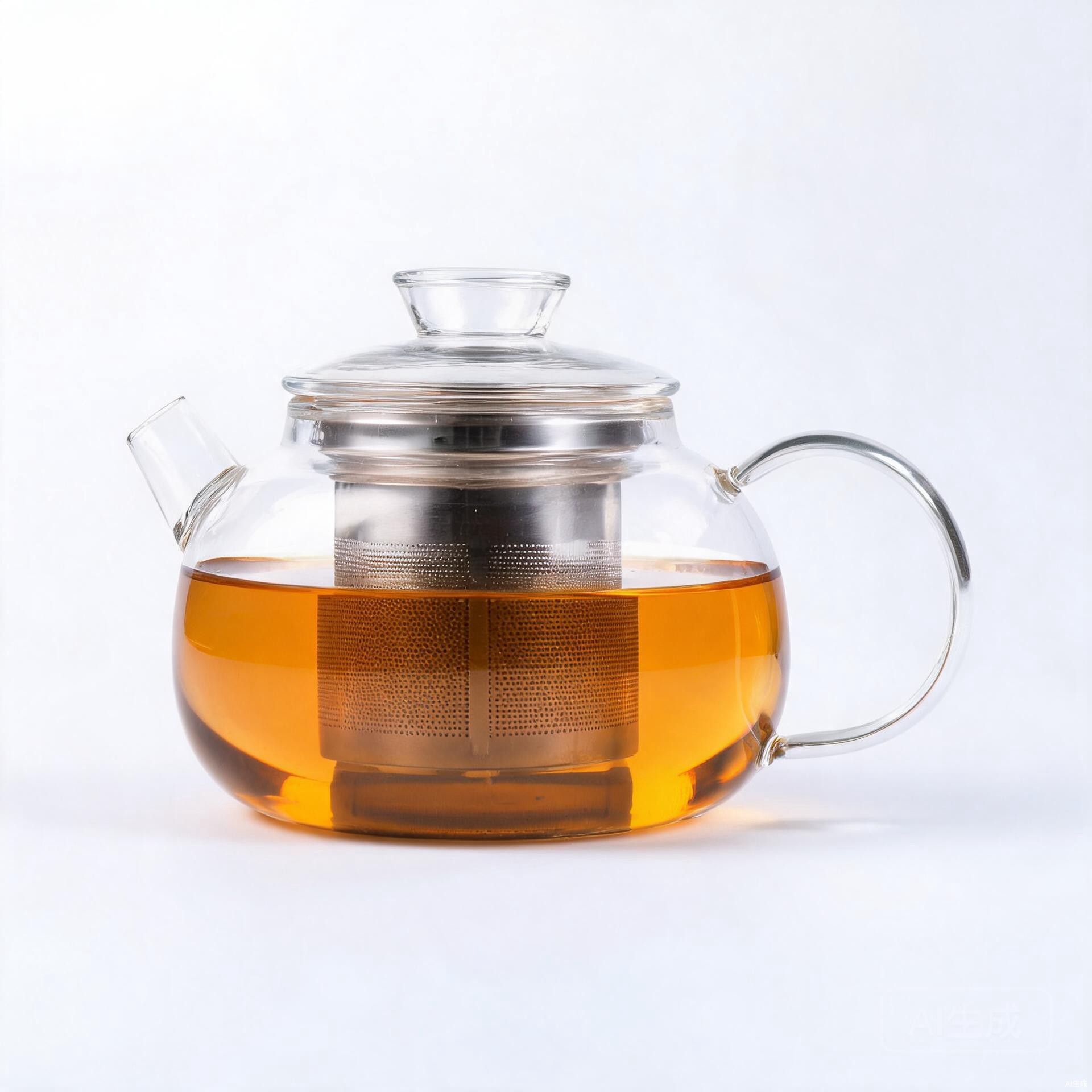
MESNEY 61oz Large Glass Teapot with Infuser
1.8L for a full day of steady-energy brewing — make a big pot mid-morning and pour cups all through the workday instead of reaching for another coffee.
Buy Now
17oz Double Walled Glass Coffee Mug
Double-wall glass keeps the warm golden root cup comfortable to hold and shows off its color — the everyday vessel for your daily ginseng habit.
Buy NowFrequently Asked Questions
What is ginseng tea good for?
It's traditionally used for steady energy, fatigue, focus, and stress support — as an adaptogen rather than a stimulant. Research points to genuine but modest improvements in vitality and mental performance with regular use.
Does ginseng tea give you energy?
Yes, but differently from coffee — a smoother, more sustained lift from ginsenosides rather than a caffeine spike, and without the crash. Some people notice it gradually over days of use rather than instantly.
Is ginseng tea safe?
Generally safe for healthy adults in short courses, but not for everyone. It can lower blood sugar and interact with blood thinners and diabetes/blood-pressure medication. Avoid if pregnant. Start with a small amount to gauge sensitivity.
How often can I drink ginseng tea?
1 cup a day is common, taken in the morning or early afternoon, ideally in cycles with breaks (for example, a few weeks on, a week off) rather than month after month continuously.
Ginseng tea or a supplement?
Tea is gentler, hydrating, and more pleasant for daily use; standardized extracts are more potent and convenient. Many people enjoy the tea as their daily ritual and keep capsules for travel or higher-dose needs.
The Bottom Line
Ginseng tea is the steady-energy answer to caffeine — caffeine-free, adaptogenic, and backed by real (if modest) research on fatigue and focus. Buy genuine American or Asian Panax ginseng, simmer root slices rather than just steeping them, sweeten with honey, and take it mid-morning in cycles.
Brew it properly in a MESNEY glass teapot: the stovetop-safe borosilicate that handles the root's simmer, an infuser that holds every slice, and a double-wall glass mug to keep the golden energy cup warm all morning.
As an Amazon Associate, MESNEY earns from qualifying purchases. Prices and availability are subject to change. This article is for general information and is not medical advice — consult your healthcare provider for personal health decisions.