Green Tea Bags: How to Choose Them and Brew a Better Cup

Green tea bags are by far the most common way green tea is drunk in the United States — and also the most common way it is brewed badly. The leaves inside a bag are fine and fast-extracting, which means the same near-boiling water that flatters a black tea will turn a green tea bag sharply bitter in under a minute.
This guide covers what is actually inside a green tea bag, how bags compare with loose leaf, how to read a label without being misled, exactly how to brew a bag so it tastes clean and sweet, and when it is worth switching to loose leaf.
What Is Actually in a Green Tea Bag?
Green tea is made from the leaves of Camellia sinensis that are heated or steamed soon after picking to stop oxidation, which is why the leaf stays green and the brew tastes fresh and vegetal rather than dark and malty.
What goes into a bag, though, is usually not the whole leaf. Manufacturers grade tea by leaf size, and the largest, most intact leaves are sold as loose leaf because they command a higher price. The smaller pieces — broken grades, fannings, and dust — are what fill most tea bags. They are perfectly real tea, but they have far more surface area, which means they extract faster and turn bitter sooner.
Many green tea bags also contain flavoring or added ingredients: jasmine blossoms, lemon peel, mint, or a natural flavor. That is not a defect, but it does change what you are buying — a flavored green tea bag is a different product from a plain one.
Green Tea Bags vs. Loose Leaf
| Green Tea Bags | Loose Leaf Green Tea | |
|---|---|---|
| Leaf size | Fannings and dust | Whole or large broken leaves |
| Extraction speed | Very fast — bitter in under a minute if water is hot | Slower and more forgiving |
| Flavor | Simpler, more astringent, less aroma | Rounder, sweeter, more complex |
| Re-steeping | Usually one cup only | Two to three good infusions |
| Cost per cup | Low upfront, higher per serving | Higher upfront, much lower per cup |
| Convenience | Unbeatable — no measuring, no straining | Needs a teapot or infuser |
| Best for | Offices, travel, a fast single cup | Home brewing, ceremony, value |
Neither is "better" in the abstract. Bags win on convenience; loose leaf wins on flavor, aroma, and cost per cup. If you already own a glass teapot, the loose-leaf path is genuinely easy — our loose leaf setup guide covers the basics, and the sencha guide shows what good loose-leaf green tea tastes like when it is brewed at the right temperature.
How to Read a Green Tea Bag Label
- Look for a named tea type. "Sencha," "green tea," or "jasmine green tea" tells you something. A vague "green tea blend" tells you very little.
- Check the ingredient list order. Ingredients are listed by weight. If sugar, "natural flavors," or maltodextrin come before the tea, you are mostly buying flavored sweetener.
- Watch for added flavoring. A plain green tea bag should have one ingredient. If there are oils or "flavoring," the cup will taste perfumed rather than fresh.
- Prefer larger, more visible leaf. If you can see whole needles through the bag, the grade is better than the dusty brown fill of a cheap bag.
- Ignore health claims on the box. Green tea is a pleasant drink with natural antioxidants; it is not a supplement, and packaging that promises more is marketing.
How to Brew Green Tea Bags (the Temperature Fix)
Temperature is the single variable that matters most, and it is the one most people get wrong. Green tea needs water well below boiling — around 160–180°F. Pour boiling water on a green tea bag and the fine particles release their tannins almost instantly.
One Green Tea Bag, Brewed Properly (8oz cup)
- 1 green tea bag
- 8 oz (240 ml) water at 160–180°F (70–80°C)
- Nothing else — green tea needs no milk
Method:
- Boil the kettle, then let it stand for two to three minutes. Without a thermometer, that wait is the simplest way to reach the right range.
- Warm your glass mug or teapot with hot water, then discard it. A pre-warmed glass vessel keeps the tea hot through a slow cup.
- Add the bag and pour the cooled water over it. Watch the color move from pale straw to a clear yellow-green.
- Steep 60–120 seconds — noticeably shorter than you would steep a black tea bag.
- Remove the bag immediately. Do not squeeze it; pressing releases harsh tannin.
If your green tea tastes bitter, nothing is wrong with the tea. The water was too hot or the steep ran long. Drop the temperature by about 20°F, cut the time in half, and the same bag will taste sweet and clean. This one change fixes the problem for almost everyone who thinks they dislike green tea.
Iced Green Tea from Bags
Green tea bags make excellent iced tea because cold water cannot pull out the bitterness at all. This is the method that most reliably turns a cheap bag into a genuinely good drink.
Cold-Brewed Iced Green Tea (1 liter)
- 4 green tea bags
- 1 liter (4 cups) cold filtered water
- Optional: a slice of lemon, a few mint leaves, or a teaspoon of honey
Method: drop the bags into a glass teapot or pitcher of cold water, cover, and refrigerate 4–8 hours. Remove the bags and serve over ice. Cold extraction pulls the sweet amino acids first and leaves the bitter compounds behind, so the result is rounder and sweeter than any hot brew of the same bag. It keeps for two or three days refrigerated. See our cold brew tea guide and iced tea guide for more.
Green Tea Bag Caffeine
A cup brewed from one green tea bag contains roughly 20–40mg of caffeine — about a quarter of a standard coffee, and less than a cup of black tea. A few variables move that number: the grade of leaf (finer particles extract faster), the water temperature, and how long you steep. Steeping for one minute rather than three noticeably lowers it.
If you are cutting caffeine entirely, note that "decaffeinated" green tea still contains small traces. A naturally caffeine-free option such as roasted barley tea is a cleaner choice for the evening.
When to Switch to Loose Leaf
Bags are genuinely fine, but there are three moments when loose leaf is clearly worth the small extra effort.
- When you want a second cup from the same leaves. Whole-leaf green tea re-steeps two or three times; a bag is spent after one.
- When you want to taste the tea rather than the flavoring. Whole leaves give a rounder, sweeter, more aromatic cup.
- When you are drinking several cups a day. Per-serving, loose leaf is usually cheaper, and a glass teapot makes the process no harder than a bag.
If you do, start with a whole-leaf Japanese green tea brewed at 160–180°F. Our green tea brewing guide covers the fundamentals, and the sencha guide and temperature guide go deeper.
Frequently Asked Questions
Why does my green tea from a bag taste bitter?
Almost always because the water was too hot or the bag steeped too long. Green tea bags contain fine particles that release tannins fast. Use 160–180°F water and steep for only 60–120 seconds.
Is green tea in bags as good as loose leaf?
The tea is real, but the grade is lower — bags usually contain fannings and dust rather than whole leaves. Bags win on convenience; loose leaf tastes rounder, re-steeps, and costs less per cup.
How much caffeine is in a green tea bag?
About 20–40mg per 8oz cup, depending on the leaf grade, water temperature, and steep time. That is roughly a quarter of a standard cup of coffee.
Can you reuse a green tea bag?
You can, but the second cup will be weak and flat — the fine leaf is spent after one steep. Whole-leaf loose tea is what gives you a genuinely good second and third infusion.
What is the best water temperature for green tea bags?
160–180°F (70–80°C). Boiling water scorches the fine leaf and produces a harsh, astringent cup.
Is it OK to drink green tea every day?
Yes — green tea is an ordinary beverage that people have drunk daily for centuries. It contains caffeine, so if you are sensitive to caffeine, keep your last cup to the early afternoon.
Final Thoughts
Green tea bags are convenient, inexpensive, and perfectly capable of making a good cup — provided you stop treating them like black tea bags. Cool the water to 160–180°F, steep for a minute, pull the bag, and the bitterness that puts so many people off green tea simply never appears. For iced tea, cold-brew them overnight and the result is better still.
And if you want to see what the tea is doing, brew it in glass. A clear mug or teapot shows the liquor moving from pale straw to yellow-green, which is the visual cue that tells you when to pull the bag — and the same vessel is ideal for the overnight cold brew. Our picks:

40oz Glass Teapot with Infuser
The fine-mesh infuser holds leaf without letting particles through, and the clear glass shows the exact moment the liquor turns from pale straw to olive — the signal to stop the steep.
Buy Now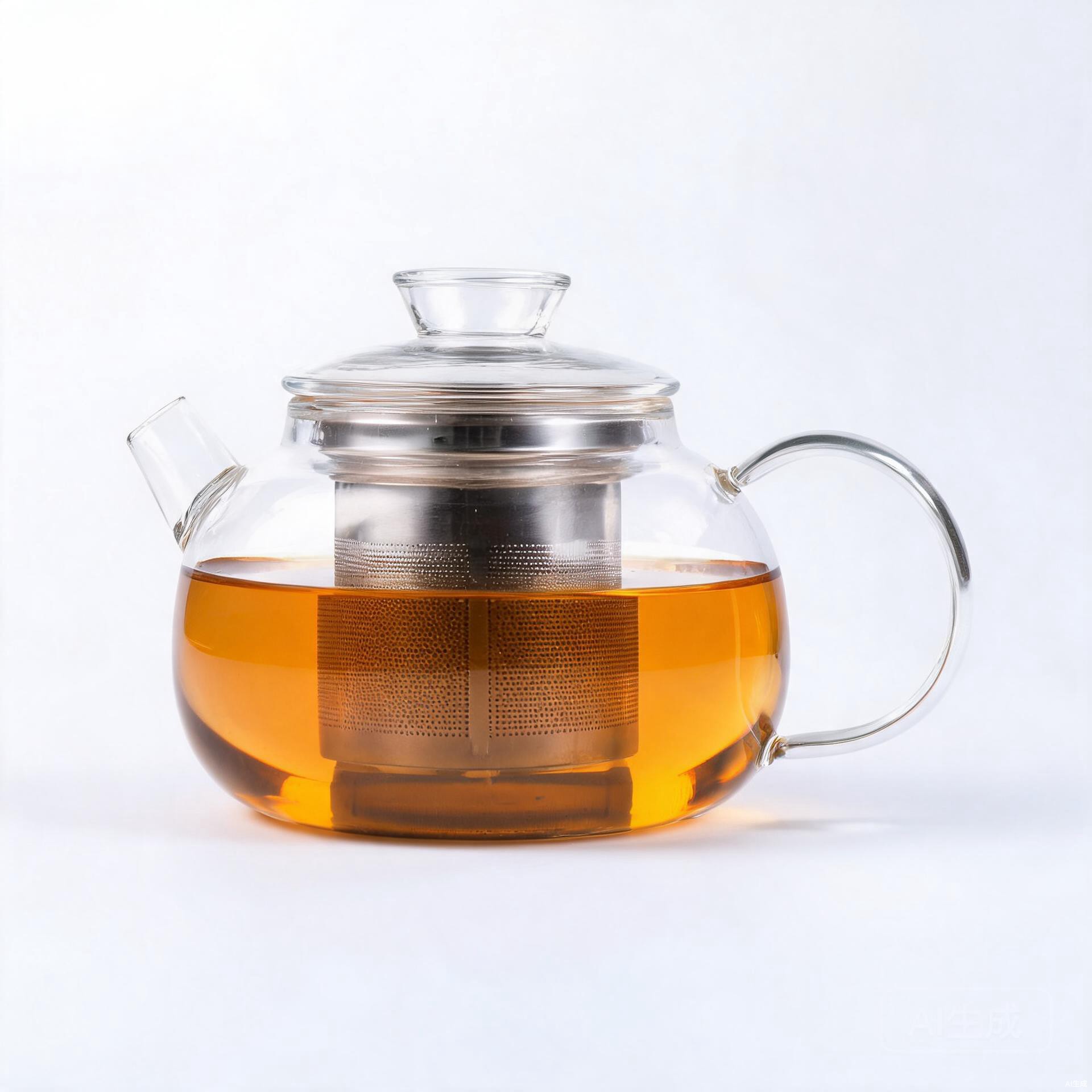
MESNEY 61oz Large Glass Teapot
1.8L is the right size for a liter of cold-brewed iced green tea plus room for ice.
Buy Now
17oz Double Walled Glass Mug
A single generous cup that keeps a hot, amber infusion warm to the last sip without burning your hands.
Buy NowAs an Amazon Associate, MESNEY earns from qualifying purchases. Prices and availability are subject to change.