Hibiscus Tea: The Complete Guide to the Ruby-Red Tea (Benefits, Brewing & Iced Recipes)
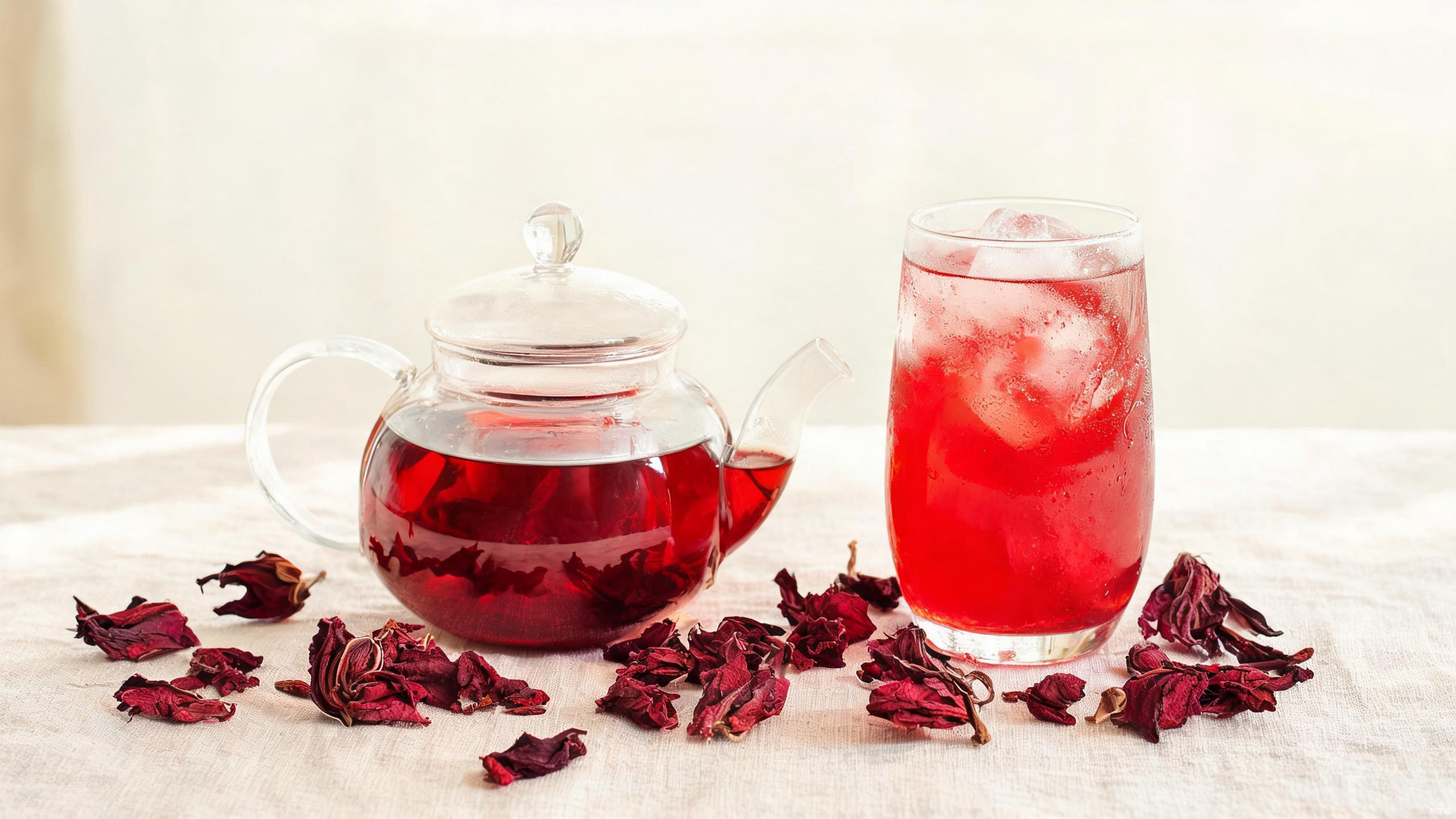
Hibiscus tea is the most visually dramatic tea in the world — pour it into a clear glass and you get a liquid that glows like a garnet. Tart, floral, cranberry-bright, and naturally caffeine-free, it has gone from a traditional drink of the tropics to one of the fastest-growing teas on the planet. Search interest in hibiscus tea has climbed steadily for five straight years and now sits at an all-time high in the United States.
This guide covers everything: what hibiscus tea is, its researched health benefits and honest side effects, the exact water temperature and steep times (hot and cold brew), how to make the Mexican classic agua de jamaica, and the glass teapots that show off that famous ruby color.
What Is Hibiscus Tea?
Hibiscus tea (sometimes called roselle tea, hibiscus flower tea, or by its botanical name Hibiscus sabdariffa) is an infusion made from the dried crimson calyces of the roselle flower — the fleshy cup that holds the petals, not the flower itself. Unlike true teas from the tea plant, it's a tisane or herbal tea, which is why it contains zero caffeine.
The drink has a passport full of names because nearly every tropical culture adopted it independently:
- Agua de jamaica (hah-MY-kah) — the sweet iced version served across Mexico and Central America
- Karkadé — Egypt's national drink, served scorching hot or over ice
- Sorrel — the spiced Caribbean version, a Christmas tradition with ginger and cloves
- Chai folie / bissap — West Africa's hibiscus punch, often with mint
- Rosella — Australia's version, made into jam and syrup as well as tea
The flavor is what surprises first-timers: it tastes closer to cranberry juice than to chamomile. Bright, tart, pleasantly sour, with a floral undertone. It's this natural acidity that makes it so refreshing iced — and so forgiving of sweetness adjustments.
Hibiscus Tea Benefits: What the Research Actually Says
Hibiscus is one of the most-studied herbal teas. Here's a summary of what human research supports — and what to be careful about.
1. Blood pressure support — the flagship benefit
Multiple randomized trials have found that daily hibiscus tea can produce modest reductions in systolic blood pressure in adults with mildly elevated readings. The effect is attributed to anthocyanins — the same antioxidant pigments that color the brew red — which appear to support healthy blood vessel function. It's a supportive habit, not a replacement for prescribed medication.
2. Rich in antioxidants
The deep red pigment is the antioxidant. Hibiscus ranks among the highest of all common herbal infusions for polyphenol content, which is why researchers keep returning to it for studies on oxidative stress.
3. Naturally caffeine-free
You can drink it at 9 p.m. without consequences. That makes it one of the best evening rituals for people who love the ceremony of tea but not the stimulation.
4. May support healthy cholesterol and weight management
Several smaller trials report modest improvements in LDL cholesterol and body composition with daily hibiscus consumption, typically as part of an overall dietary change. Treat these as promising but not conclusive.
Hibiscus tea side effects — the honest list
- Blood pressure medication: because hibiscus lowers blood pressure on its own, combining it with BP medication can compound the effect. If you take lisinopril-style medications, ask your doctor first.
- Pregnancy: traditionally avoided — high amounts have been linked to delayed puberty in animal studies. Most guides recommend skipping it entirely while pregnant.
- Acidity: hibiscus is quite acidic (pH around 2.5–3.5 brewed). If you're prone to acid reflux or heartburn, take it with food or dilute it more than usual.
- Interactions: it may slow the breakdown of some medications in the liver (notably chloroquine and some statins). Same rule: check with a pharmacist if you're on prescription drugs.
How much is a "daily amount"? The amounts used in studies typically equal 2–3 cups per day of a standard-strength brew. That's well within normal tea-drinking habits — no extreme dosing needed.
How to Make Hibiscus Tea: The Perfect Ratio
Hibiscus is forgiving, but the ratio matters because the flowers are potent. Use too much and you'll pucker; use water that's too hot and you'll extract extra astringency.
Classic Hot Hibiscus Tea (1 cup / 8 oz)
- 1½ teaspoons dried hibiscus flowers (about 1.5 g) — or 1 quality hibiscus tea bag
- 8 oz (240 ml) water at 200–212°F (93–100°C) — a full boil is fine
- Steep 5 minutes for balanced; up to 8 for maximum tartness
- Sweetener to taste — honey, cane sugar, or a cinnamon stick while steeping
Method: Bring water to a boil, pour over the flowers, cover, and time it. Strain completely at the 5-minute mark — hibiscus turns bitter and muddy if it sits too long. Serve in a clear glass mug to watch the color develop as it steeps.
The iced concentrate method (make a week of drinks at once)
The way most of the world actually drinks it: brew a concentrate, dilute, chill, pour over ice.
Pitcher-Style Iced Hibiscus (about 1.8L / 61oz finished)
- 8 cups (2L) water
- ½ cup (about 25 g) dried hibiscus flowers
- 1/3–1/2 cup sugar or honey (or to taste)
- Optional: 2–3 slices fresh ginger, 1 cinnamon stick, a strip of orange peel
Method: Boil 4 cups of the water, steep the flowers 10 minutes covered. Strain into a 61oz glass teapot, stir in sugar while hot, top up with the remaining 4 cups cold water, and chill. Serve over ice with a lime wedge. This is essentially homemade agua de jamaica.
Cold brew hibiscus (the smoothest version)
Hibiscus is one of the best cold brew candidates in the entire tea world. Cold water pulls the fruit-forward flavor and color with dramatically less sourness and almost no astringency — the difference between fresh cranberry juice and cranberry concentrate.
Ratio: 1 tablespoon flowers per cup of cold water, refrigerate 8–12 hours (or overnight), strain. The result is softer, rounder, and dangerously drinkable. If you find hot-brewed hibiscus too tart, cold brew will convert you.
Hot vs. Cold Brew vs. Sun Tea: What Changes
| Method | Temp | Time | Flavor | Best for |
|---|---|---|---|---|
| Hot brew | Boiling | 5 min | Bright, tart, full-bodied | Hot drinking, quick cups, spiced versions |
| Cold brew | Fridge | 8–12 hrs | Smooth, fruity, mellow | Easy-drinking iced tea, sensitive stomachs |
| Double-strength + ice | Boiling | 8–10 min | Tart, punchy, refreshing | Serving immediately over ice |
Agua de Jamaica: The Mexican Classic
No hibiscus guide is complete without the drink that introduced most of the Americas to the flower. Authentic agua de jamaica is less a recipe than a ratio — and the trick is never boiling the flowers in the sugar water (it gets cloudy and medicinal). Steep first, sweeten after:
- Boil 4 cups water, remove from heat, add 1 cup dried hibiscus flowers, cover 15 minutes.
- Strain thoroughly — press gently, don't wring.
- Dissolve 1/2 cup sugar into the warm concentrate.
- Add 4 more cups cold water, chill at least 2 hours, serve over plenty of ice.
The finished drink should look like translucent ruby glass. If it looks murky, your flowers got boiled or over-squeezed — note it for next time.
Flavor Pairings That Work With Hibiscus
- Ginger — the classic. Adds warmth and bite; essential in the Caribbean sorrel style.
- Cinnamon + clove — turns hibiscus into a holiday punch. simmer (don't boil) the spices with the brew.
- Mint — West African style. Cooling and perfect for summer pitchers.
- Orange or lime peel — brightens the cranberry notes in iced versions.
- Sparkling water — half hibiscus concentrate, half sparkling water over ice is the easiest "fancy mocktail" in existence.
- Rum or tequila — for the adults: 2 oz spirit, 4 oz hibiscus concentrate, lime, ice. A hibiscus margarita is a genuinely great thing.
Troubleshooting Your Hibiscus Tea
"It's too sour"
You extracted too much. Drop to 1 teaspoon per cup, steep 4 minutes instead of 8, or switch to cold brew — that alone usually solves it. A pinch of baking soda is an old jamaica trick that softens acidity instantly.
"It's thin and pale"
Old flowers. Dried hibiscus should look deep magenta-red and smell jammy; if they've faded to brown and smell like cardboard, they've oxidized. Buy in smaller quantities and store airtight, away from light.
"My pitcher turned cloudy"
Almost always caused by boiling the flowers in sugared water or squeezing the strainer. Steep in plain water, sweeten after straining, and press the flowers gently with a spoon instead of wringing them.
Why Hibiscus Deserves Glass (The MESNEY Angle)
Here is the simple truth: hibiscus tea drunk from a ceramic mug is half the experience. The color is the drink — ruby red against clear glass, magenta deepening as it steeps, garnet-glowing with sun behind it. Every hibiscus culture serves it in glass for exactly this reason.
Practically, hibiscus is also acidic enough to etch some plastics and stain them permanently magenta — borosilicate glass shrugs it off completely, keeps no flavors, and goes from boiling concentrate to fridge without thermal-shock worries.
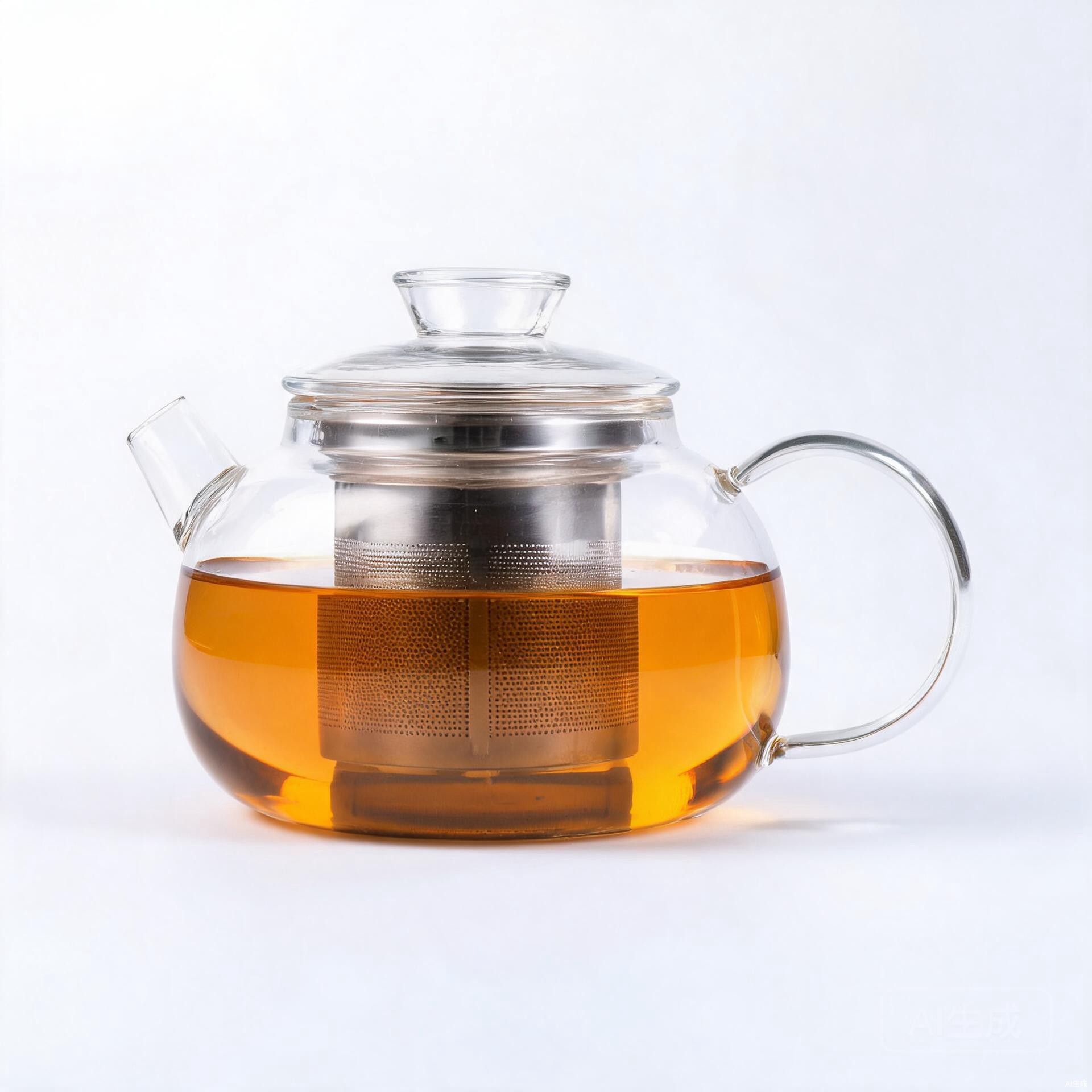
MESNEY 61oz Large Glass Teapot with Infuser
Why it's the hibiscus teapot: The full agua de jamaica recipe fits in one pot — 1.8L is exactly a family batch. Boil-safety borosilicate takes the hot concentrate straight off the stove, the removable infuser basket holds a half-cup of flowers and lifts out clean at the 10-minute mark (no squeezing, no cloudiness), and the whole ruby pitcher goes to the fridge and then straight to the table. One vessel, start to finish.
Buy Now
40oz Glass Teapot with Infuser
The right size for daily hot cups or a smaller cold-brew batch. Same heat-safe glass, same clean-lifting infuser, in a footprint that fits the fridge shelf and pours one-handed.
Buy Now
17oz Double Walled Glass Mugs (Set of 4)
The color payoff of hibiscus doubles in a double wall — the ruby liquid looks like it's floating inside the glass. No condensation rings, ice melts slower, and hot versions stay warm longer.
Buy NowFrequently Asked Questions
Does hibiscus tea have caffeine?
No — hibiscus is an herbal infusion, not a true tea, so it's naturally caffeine-free. It's a good evening option and a base for kid-friendly iced drinks. (One caveat: bottled "hibiscus" blends sometimes mix in green or black tea — check the label if caffeine matters to you.)
How much hibiscus tea should I drink per day?
Studies on blood pressure typically used an amount equivalent to 2–3 standard cups daily. That's a normal, enjoyable level of consumption — there's no need to overdo it, and those on blood pressure or liver-sensitive medications should confirm the amount with a doctor.
Where do I buy dried hibiscus flowers?
Latin grocery stores (sold as "flor de jamaica") usually have the best price and quality, followed by tea shops and online spice retailers. Look for deep-red, whole petals rather than dusty fragments, and store them airtight away from light.
Why is my hibiscus tea bitter?
Three usual suspects: over-steeping (beyond 8–10 minutes), water actually boiling the flowers rather than steeping them, or squeezing the flowers when straining. Fix those three and the bitterness disappears — hibiscus should be tart, never bitter.
Can hibiscus tea help with weight loss?
Some trials show modest effects on body composition, likely related to its antioxidant compounds and its role as a zero-calorie swap for sugary drinks. Replacing one daily soda with hibiscus iced tea is, realistically, the most defensible "weight loss" claim.
What's the difference between hibiscus tea and jamaica?
Nothing in the flower — jamaica is simply the Mexican preparation style: brewed strong, sweetened generously, and served ice-cold. Same drink, different passport stamp.
The Bottom Line
Hibiscus tea earns its moment. It's one of the few drinks that is simultaneously delicious, beautiful, caffeine-free, backed by real research, and cheap to make at home. Master three things — the 1½-teaspoon-per-cup ratio, the 5-minute hot steep (or overnight cold brew), and the never-squeeze rule — and you have a lifetime pitcher drink that looks like jewelry in glass.
Brew it in a vessel that does the color justice. A MESNEY 61oz glass teapot brews the concentrate, chills the batch, and puts that ruby glow on the table — because a tea this beautiful was never meant to hide in ceramic.
As an Amazon Associate, MESNEY earns from qualifying purchases. Prices and availability are subject to change. This article is for general information only and is not medical advice — consult a healthcare professional about interactions with any medication.