Hojicha: The Complete Guide to Roasted Green Tea
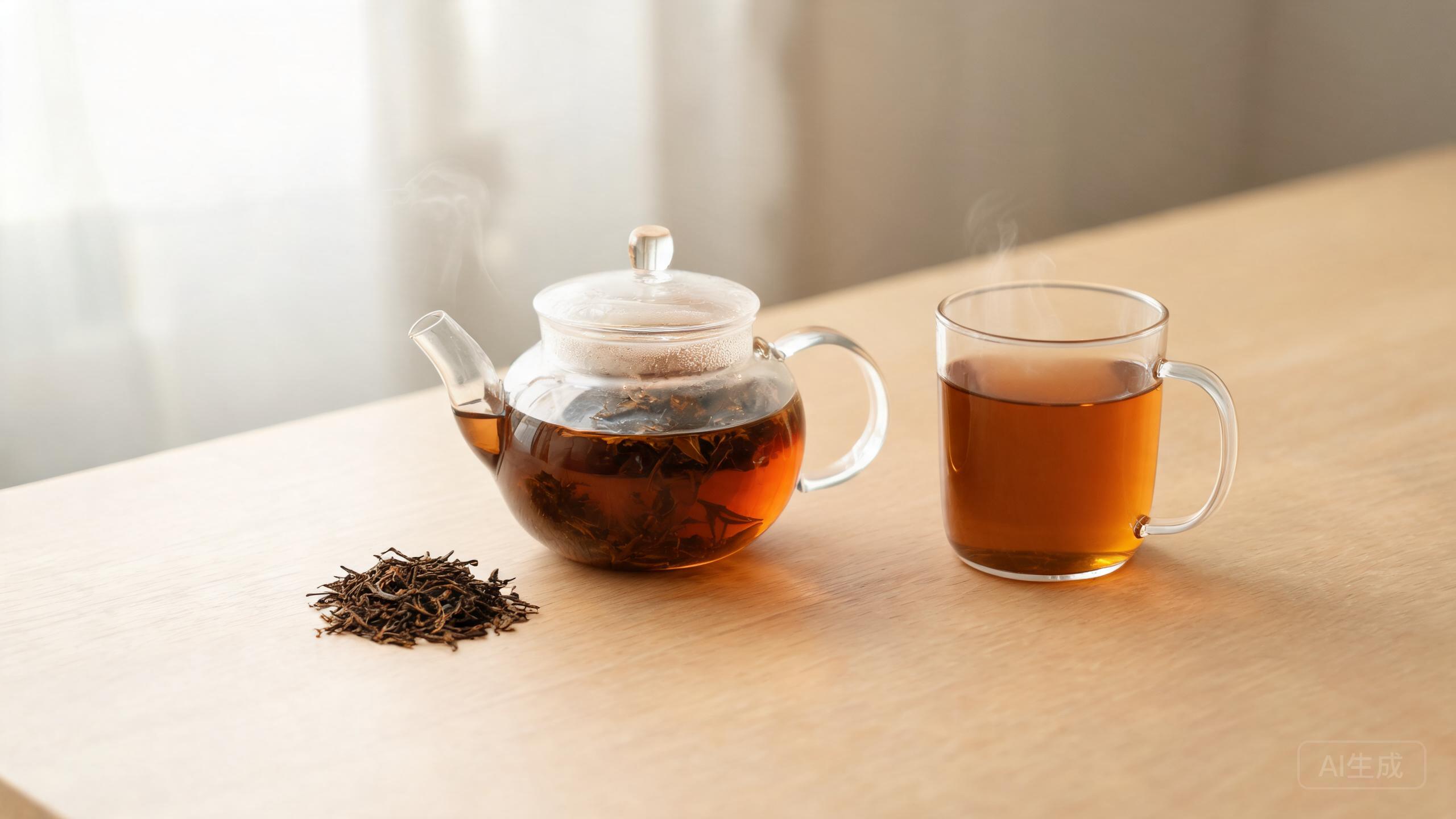
Hojicha is the roasted green tea that tastes like a warm hug: toasty, nutty, and naturally low in caffeine — and one of the fastest-growing tea searches on the internet. Unlike the grassy, vegetal green teas you may know, hojicha is roasted over charcoal, which turns the leaves amber and gives the brew a cozy, almost caramel-like character.
This guide covers what hojicha actually is, how it compares to matcha and sencha, its benefits and caffeine content, how to brew loose-leaf hojicha and make a hojicha latte, and the glass teapots that show off its beautiful amber color.
What Is Hojicha?
Hojicha (sometimes written houjicha) is a Japanese green tea made by roasting bancha or sencha leaves over high heat — traditionally over charcoal, though modern producers use rotating roasting drums. The roasting process, developed in Kyoto in the 1920s, does three things: it turns the leaves from green to brown, transforms the flavor from grassy to toasty and nutty, and dramatically reduces the caffeine and the astringency.
The result is a tea that's smooth, warming, and slightly sweet, with notes of roasted chestnut, toasted rice, and caramel. It's the tea you can drink all day — and especially in the evening — without the jitters.
Hojicha vs Matcha vs Sencha
| Hojicha | Matcha | Sencha | |
|---|---|---|---|
| Processing | Steamed, then roasted | Shade-grown, stone-ground powder | Steamed, rolled |
| Flavor | Toasty, nutty, caramel | Grassy, umami, bold | Fresh, grassy, slightly sweet |
| Caffeine | Very low | High | Moderate |
| Color | Amber / brown | Vibrant green | Pale yellow-green |
| Best for | Evenings, cozy cups, lattes | Mornings, energy, ceremonies | Everyday green tea |
If you love matcha but find it too intense or too caffeinated for the evening, hojicha is the natural counterpart — the same Japanese tea tradition, but roasted, mellow, and low-caffeine.
Hojicha Benefits
- Low caffeine. Roasting breaks down much of the caffeine — hojicha typically has a fraction of the caffeine of regular green tea, making it a great evening drink.
- Gentle on the stomach. The roasting reduces the astringent tannins that can upset sensitive stomachs, so it's easier to drink on an empty stomach than most green teas.
- Rich in antioxidants. Hojicha still contains catechins and other beneficial compounds, though roasting changes their profile — it's lower in some catechins but higher in others that form during roasting.
- Soothing and warming. The toasty, low-acid character makes it a natural wind-down drink — many people use it as a caffeine-free alternative to coffee at night.
- Naturally sweet. The roasting process caramelizes sugars in the leaves, so hojicha needs no sweetener.
Does Hojicha Have Caffeine?
Yes, but very little. Hojicha contains roughly 5–10 mg of caffeine per cup — compared to about 30–50 mg for sencha and 60–90 mg for a cup of coffee. The roasting process drives off a large portion of the caffeine, which is why hojicha is the go-to green tea for anyone who's caffeine-sensitive or wants a warm cup before bed.
How to Brew Hojicha (Loose Leaf)
Perfect Hojicha (1 cup)
- 1 heaping teaspoon (about 3g) loose-leaf hojicha
- 8 oz (240 ml) water at 175–195°F (80–90°C)
Method: Place the hojicha leaves in a glass teapot with infuser (or directly in the pot). Pour the hot water over and steep for 30–60 seconds — hojicha brews fast, and it's forgiving, so even 2 minutes won't turn bitter. Strain and enjoy. The leaves can be re-steeped 2–3 times, each cup a little softer.
Hojicha is nearly impossible to over-brew. Unlike sencha, which turns bitter fast, roasted hojicha stays smooth even with a longer steep — which makes it the perfect beginner's green tea.
Hojicha Latte Recipe
The hojicha latte is the drink that made hojicha famous outside Japan — a toasty, caramel-sweet alternative to matcha lattes that's lower in caffeine:
Hojicha Latte (1 serving)
- 1 heaping teaspoon hojicha (or 1 tsp hojicha powder)
- 2 oz (60 ml) hot water
- 6 oz (180 ml) steamed milk (dairy or oat)
- Optional: 1 tsp maple syrup or honey
Method: Steep the hojicha in the hot water for 1 minute, then strain into a glass mug. Add the steamed milk and sweetener, and stir. For a powder version, whisk the hojicha powder with the hot water until smooth, then add the milk. Serve hot — or over ice for a hojicha iced latte.
How to Choose Hojicha
- Loose leaf vs powder: loose-leaf hojicha is best for traditional brewing; hojicha powder is ideal for lattes and baking (it dissolves like matcha).
- Grade: standard hojicha is made from bancha (later-harvest leaves); premium hojicha uses sencha leaves and roasts more slowly for a deeper, sweeter profile.
- Freshness: look for a recent roast date — fresh hojicha has a noticeably brighter, toastier aroma.
Why Glass Is the Right Home for Hojicha
Hojicha is a tea you drink with your eyes first — the deep amber liquor is completely different from any green tea you've seen. A borosilicate glass teapot shows off that color perfectly, holds no residual flavor between batches, and handles the hot water safely. And because hojicha is so often an evening wind-down cup, a double-wall glass mug keeps it warm and comfortable to hold.

40oz Glass Teapot with Infuser
Built for the daily hojicha ritual: about 4 cups, enough for an afternoon cup and an evening cup. Load the infuser basket with loose-leaf hojicha, pour hot water, steep 60 seconds, lift, and pour. The borosilicate glass shows the amber liquor developing.
Buy Now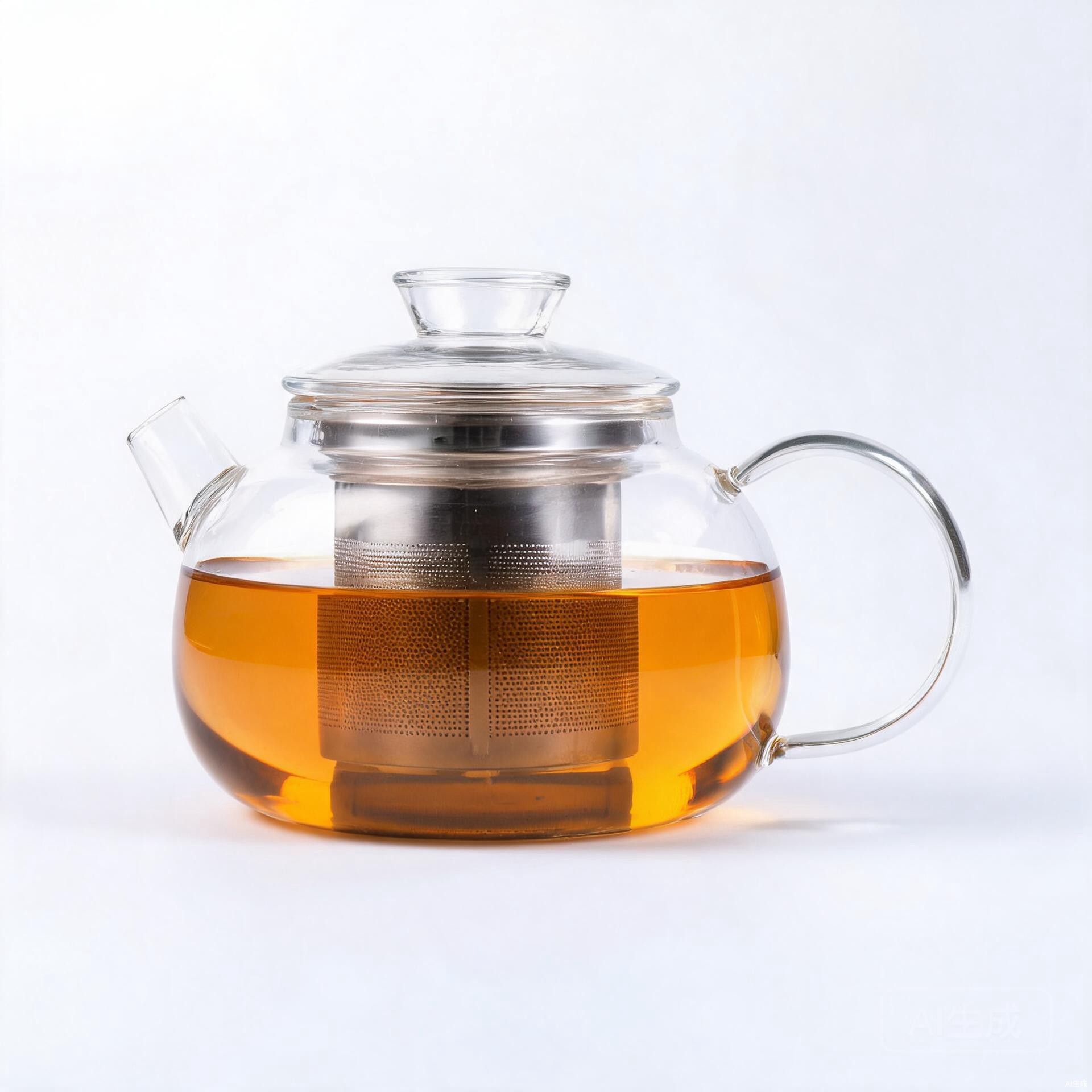
MESNEY 61oz Large Glass Teapot with Infuser
The big-batch size for a full pitcher of hojicha or a family evening supply. 1.8L, deep infuser basket, same zero-flavor-retention glass.
Buy Now
17oz Double Walled Glass Coffee Mug
The insulated double wall keeps your hojicha or hojicha latte warm through a whole slow sip while the outside stays cool to hold — perfect for a wind-down cup you want to linger over.
Buy NowFrequently Asked Questions
What does hojicha taste like?
Toasty, nutty, and slightly sweet — like roasted chestnuts, toasted rice, and a hint of caramel. It's smooth and mellow with none of the grassy, astringent character of regular green tea.
Is hojicha good before bed?
Yes — hojicha has very little caffeine (about 5–10 mg per cup), so it's one of the best warm drinks for the evening. Many people use it as their nightly wind-down tea.
Is hojicha healthier than matcha?
Both are healthy green teas. Hojicha is lower in caffeine and gentler on the stomach; matcha has more catechins and a higher antioxidant concentration. They're complementary — drink both.
Can you drink hojicha every day?
Absolutely — hojicha is gentle enough for daily drinking, even multiple cups a day, thanks to its low caffeine and low astringency.
Does hojicha have sugar?
No — hojicha is naturally caffeine-free-of-sugar. The subtle sweetness comes from caramelized sugars created during the roasting process.
The Bottom Line
Hojicha is the green tea for people who think they don't like green tea: toasty, smooth, low in caffeine, and naturally sweet. It's the perfect bridge from coffee to tea — and the perfect evening cup after a long day.
Brew it in a MESNEY glass teapot: watch the amber liquor develop through the borosilicate glass, keep the roasted leaves in the deep infuser basket, and serve in a double-wall glass mug that holds the warmth — and the coziness — all the way down.
As an Amazon Associate, MESNEY earns from qualifying purchases. Prices and availability are subject to change.