How to Keep Tea and Coffee Hot Longer: Double Wall Glass Mug Tips That Work
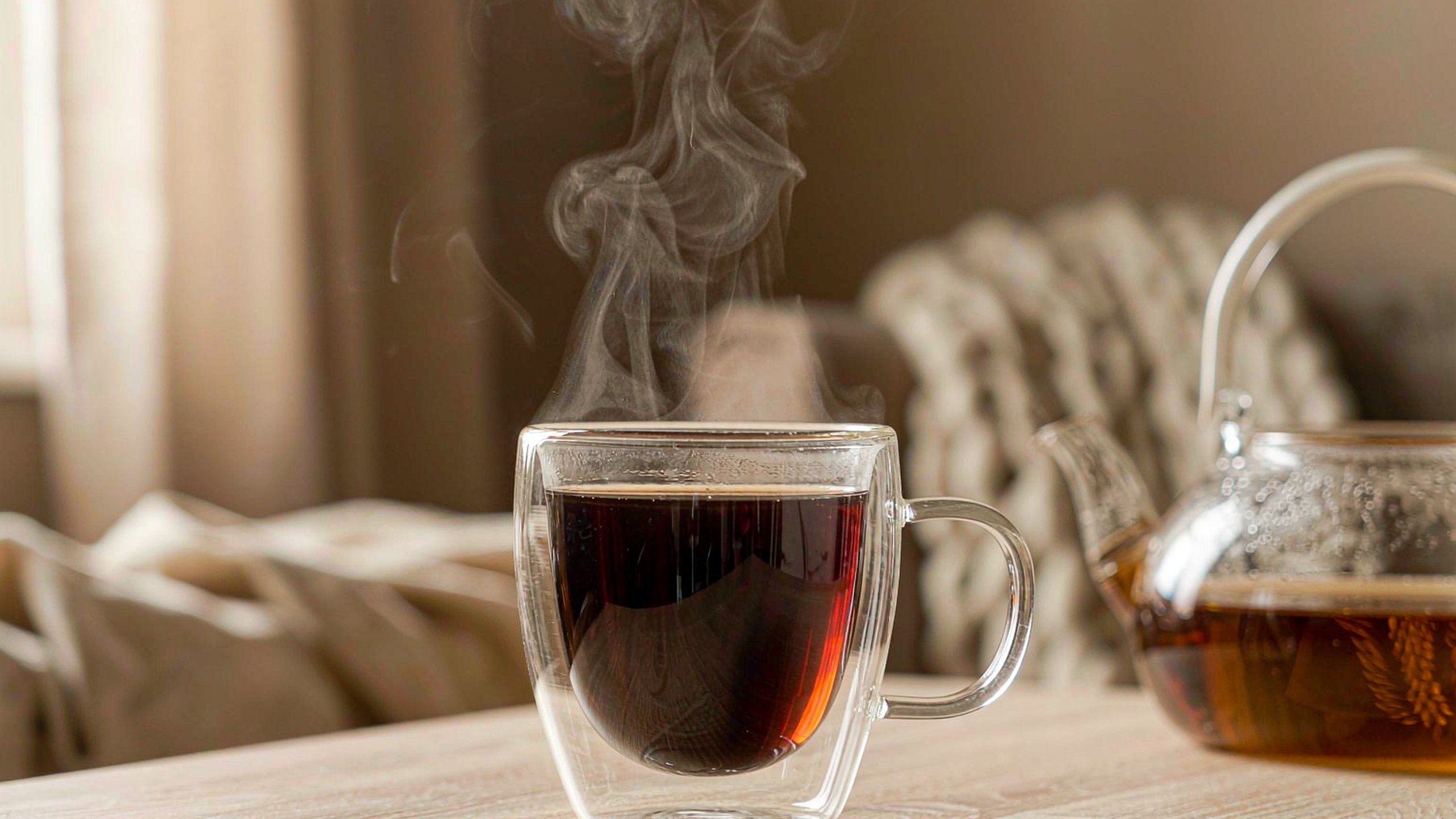
Three things keep a hot drink hot: preheating the vessel, filling it close to the rim, and keeping a lid on it. Those three habits together add roughly an hour of drinkable heat, and they matter more than the cup you choose. A cold mug can drop the temperature of freshly poured coffee by 15°F (8°C) within the first two minutes.
This guide covers why hot drinks cool, the temperature range where tea and coffee actually taste best, the vessel materials compared honestly, and the nine habits that genuinely work — plus the things people do that quietly undo all of it.
Why a Hot Drink Goes Cold
Heat leaves a cup by three routes, and knowing which one you are fighting tells you which fix is worth the effort.
- Conduction. Heat flows from the liquid into the walls of the vessel, and from the vessel into whatever it is sitting on. A cold, thick mug or a cold countertop is a heat sink. This is the route most under your control.
- Convection. Warm liquid rises, cool liquid sinks, and the drink circulates against the cooling walls. Air space above the liquid is part of this — a half-full mug has more air to heat and more surface to lose heat from.
- Evaporation. Steam carries away a surprising amount of energy. Every open minute is heat leaving as vapour, which is why a lid is such an effective piece of engineering.
The Temperature Range That Actually Tastes Good
The goal is not the hottest possible cup. It is a cup that stays inside the range where it tastes best.
For both tea and coffee, the comfortable and flavour-forward drinking range is roughly 130–150°F (55–65°C). Below about 120°F (49°C) most brewed drinks taste dull and flat, and pressing them back up to temperature does not restore them. Above 150°F (65°C) you are mostly tasting heat rather than the drink.
There is a practical threshold at 140°F (60°C), which is the widely used hot-holding boundary — the point above which a hot drink stays in a safe range during slow sipping. It is a useful mental marker: if your drink is above 140°F you are comfortably fine, and if it has been sitting under it for a long while, that is your cue to finish the cup or tip it away rather than nurse it all afternoon.
A counter-intuitive note: chasing maximum heat works against you. Coffee and tea both reveal more complexity as they cool from near-boiling down to around 140°F (60°C). The aim is a stable, comfortable temperature — not a scalding one.
The Three Moves That Do Most of the Work
1. Preheat the vessel
Pour near-boiling water into the empty mug or pot, swirl it, and let it stand for thirty to sixty seconds. Tip it out and fill immediately with your fresh brew. This raises the inner surface temperature so your drink's heat goes into the liquid rather than into the walls. On its own, preheating adds roughly twenty to thirty minutes of drinkable heat — the single best-value fix there is, and free.
2. Fill it close to the top
Air is a poor thermal store inside a cup. A half-full mug loses heat roughly twice as fast as a full one, because there is more air to warm and more wall area in contact with that air. If you only want half a cup, use a smaller vessel rather than leaving empty volume in a large one.
3. Keep the lid on
Every time the lid comes off, hot air escapes and cool room air moves in, and steam takes energy with it. Leaving a lid off while you work can cut retention time substantially compared with keeping it sealed between sips. If you drink slowly, a lid is worth more than a fancier mug.
Single Wall vs Double Wall vs Vacuum: An Honest Comparison
Insulation is a trade-off between heat retention, flavour neutrality and the experience of drinking. There is no single winner.
| Vessel | Heat retention | Flavour | Best for |
|---|---|---|---|
| Thin single-wall glass | Low — cools fastest | Excellent; imparts nothing and lets you see the drink | Short, deliberate cups; watching the brew |
| Double-wall glass | Good; the trapped air pocket slows conduction and the outer wall stays cool to the touch | Excellent; does not carry odours or flavours forward | Sipping over half an hour at a desk |
| Vacuum-insulated steel | Highest; hours rather than minutes | Neutral but opaque, and can hold onto aromas over time | Commutes and travel |
| Thick ceramic | Moderate; slow to heat up, slow to lose it | Good, with a heavier mouthfeel | Sitting down with a pot |
Two points are worth drawing out. First, a double-wall glass mug is the middle path that suits tea and coffee best: the air pocket between the walls slows heat loss and keeps your hand comfortable, while the material itself adds no taste and lets you see the colour of what you are drinking. Second, insulation has a ceiling — if you want a drink hot for hours rather than minutes, you need vacuum construction, and if you want to taste it properly at 140°F with the aromatics intact, glass is the better home for it. Our double-wall glass guide goes deeper on the material, and the insulated tumbler guide covers the portable version.
One maintenance point that quietly affects retention: a glass vessel with a hazy mineral film or a residue of old tea will not hold heat the way clean glass does, and the film also dulls the look of the drink. A periodic descale keeps both properties where they should be — our cleaning guide covers the method.
Nine Ways to Keep Coffee and Tea Hot That Actually Work
- Preheat with hot water for thirty to sixty seconds before pouring. The highest-return habit on this list.
- Warm the teapot too. A cold pot pulls heat out before the water even reaches the leaves. If you are weighing up what to brew in, our kettle versus teapot guide covers the difference.
- Fill close to the rim to leave as little air space as possible.
- Use a lid and put it back on between sips.
- Choose the smallest vessel that holds the amount you will actually drink. Smaller volumes cool more slowly in relative terms.
- Brew in smaller batches and make a second pot rather than letting a large one sit.
- Keep the cup off cold surfaces. A coaster, a wooden desk or a folded cloth beats bare stone or steel.
- Warm the milk if you take it. Cold milk added at the end drops the temperature of the whole cup in seconds.
- Wrap a travel mug in an insulated sleeve or tuck it into a bag pocket to cut conductive loss on the move.
What Not to Do
- Do not microwave tea or coffee to bring it back. Reheating does not restore flavour — it drives off the aromatics that make the drink worth having and heat unevenly, so you get a scalding top and a cool bottom.
- Do not re-boil water for a fresh cup. Repeatedly boiled water loses dissolved oxygen and tastes flat. Use fresh water for each brew.
- Do not leave a glass pot on a hot burner to stay warm. Only borosilicate glass rated for stovetop use is safe over heat, and holding a drink at a rolling temperature cooks the flavour out of it. See our stovetop safety guide.
- Do not top up a cooling cup with a splash of hot water. You are diluting the drink and dropping the average temperature of what remains.
- Do not judge a vacuum mug by a warm outside. A vacuum mug that feels warm to the touch has lost its vacuum and will not be revived.
Frequently Asked Questions
How long does coffee stay hot in a normal mug?
In a thin single-wall mug left open, expect about fifteen to twenty minutes in the comfortable drinking range. Preheat the mug, fill it nearly full and keep a lid on and you can extend that to forty-five minutes or more.
Do double-wall glass mugs really keep drinks hotter?
Yes. The sealed air pocket between the two walls slows conduction significantly compared with a single-wall mug, and it keeps the outer surface comfortable to hold. They will not match a vacuum flask over hours, but for a drink you finish within an hour they are a clear improvement.
What is the best temperature to drink tea and coffee at?
Roughly 130–150°F (55–65°C). This is the range where the aromatics are still present and the drink is comfortable, and it is above the 140°F (60°C) hot-holding threshold for most of the window.
Why does my tea go cold so much faster than my coffee?
Usually the vessel, not the drink. Tea is often drunk from a wide, thin-walled cup with no lid, which loses heat by evaporation and convection quickly. Narrower vessels, preheating and a lid close most of the gap.
Is it safe to keep coffee hot all afternoon?
Holding a drink above 140°F (60°C) keeps it in a safe hot-holding range. Below that, quality falls away quickly and it is better to finish the cup or brew fresh than to keep sipping a lukewarm drink for hours.
Final Thoughts
Keeping a hot drink hot is mostly a matter of three free habits: preheat the vessel, fill it up, and put the lid back on. Do those and the cup you choose becomes a refinement rather than a rescue. And when you do choose, remember what you are optimising for — a drink you want to taste at 140°F (60°C), not a drink you cannot touch at 190°F (88°C).
For tea and coffee specifically, double-wall glass is the sweet spot: real insulation without the flavour-masking that comes with hours in a steel flask. Our picks:

40oz Glass Teapot with Infuser
The wide mouth lets the aromatics reach you and the clear body shows the colour of the brew, while the infuser keeps leaves out of the cup so a second pour does not keep extracting.
Buy Now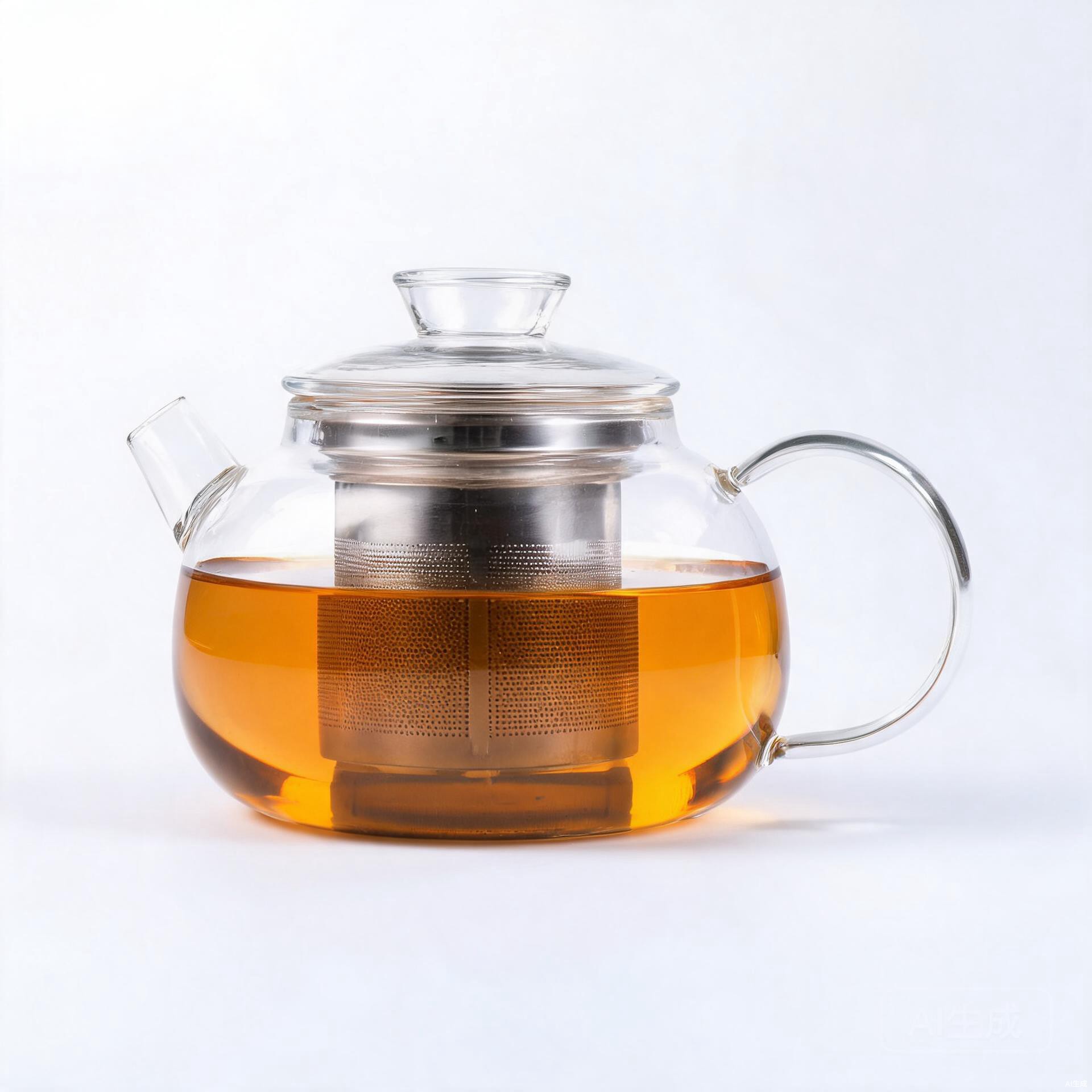
MESNEY 61oz Large Glass Teapot
1.8L of preheated glass holds a steady temperature across several cups, so the last pour is closer to the first.
Buy Now
17oz Double Walled Glass Mug
The trapped air pocket keeps a 140°F cup in the comfortable range far longer than a thin single-wall mug, and stays cool against your hand.
Buy NowAs an Amazon Associate, MESNEY earns from qualifying purchases. Prices and availability are subject to change.