Jasmine Tea: The Complete Guide to Fragrant Chinese Tea
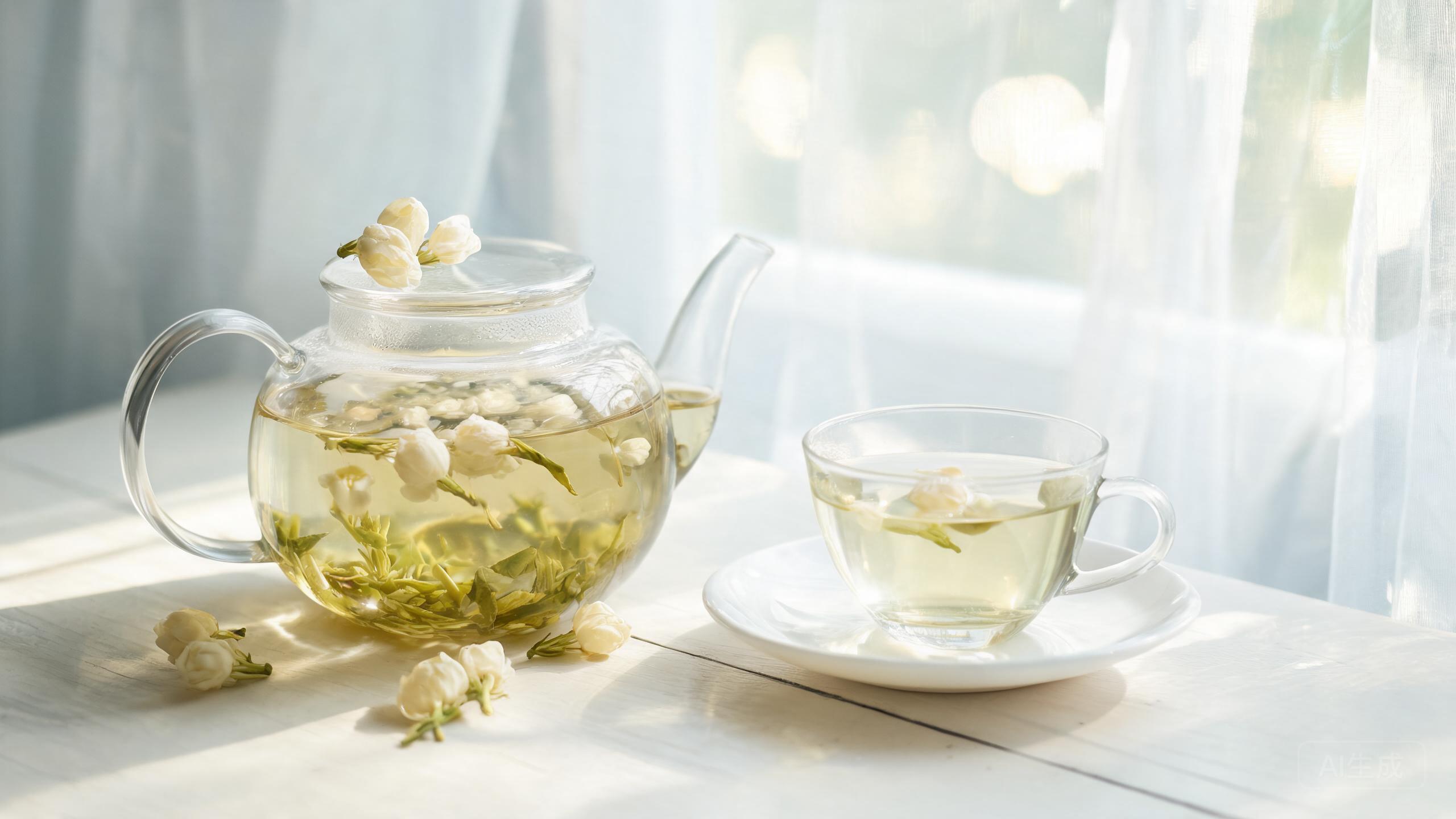
Jasmine tea is the most romantic tea in the world: delicate green tea leaves scented with fresh jasmine blossoms, producing a cup that's floral, sweet, and impossibly fragrant. It's been a Chinese classic for over a thousand years, and it remains one of the most popular scented teas on the planet.
This guide covers how jasmine tea is actually made, the researched jasmine tea benefits, how to make jasmine tea properly (the water temperature matters more than you'd think), jasmine pearl tea, and the glass teapots that show off the pale golden-green liquor.
What Is Jasmine Tea?
Jasmine tea is a scented tea — almost always a green tea base that has been layered with fresh jasmine flowers so the leaves absorb the blossoms' fragrance. The best jasmine tea is made by a traditional process called scenting: freshly picked jasmine flowers are layered with the tea leaves overnight, then removed, and the process is repeated up to seven times. The result is a tea that tastes genuinely of jasmine — not artificial flavoring.
Types of Jasmine Tea
| Jasmine Green Tea | Jasmine Pearl Tea | Jasmine White Tea | |
|---|---|---|---|
| Base | Green tea leaves | Hand-rolled green tea pearls | White tea leaves |
| Flavor | Grassy base with floral aroma | Concentrated, sweet, intense jasmine | Delicate, sweet with subtle jasmine |
| Caffeine | Low (15–30 mg/cup) | Low | Very low (10–15 mg/cup) |
| Best for | Morning or afternoon | Special occasions, gifts | Evening |
Jasmine green tea is the everyday classic. Jasmine pearl tea — where the leaves are rolled into tight pearls that unfurl as they steep — is the premium, more concentrated version. Jasmine white tea is the gentlest, with the subtlest floral note.
Jasmine Tea Benefits: What the Research Shows
- Rich in antioxidants. Because jasmine tea is usually a green tea base, it carries green tea's catechins — antioxidants linked to heart health and reduced oxidative stress.
- Calming and stress-reducing. The scent of jasmine has been shown in studies to lower heart rate and promote a sense of calm — it's genuinely relaxing to drink.
- Mild caffeine boost. Jasmine green tea has about 15–30 mg of caffeine per cup — enough for a gentle lift without the jitters of coffee.
- May support metabolism. Green tea catechins are linked to modest metabolic benefits, and jasmine tea delivers them in a more enjoyable package.
- Hydration with flavor. For people who struggle to drink plain water, jasmine tea is a delicious, nearly calorie-free way to stay hydrated.
A note on caffeine: jasmine tea is not caffeine-free — it contains the caffeine of its green tea base. If you're sensitive, choose a jasmine white tea (lower caffeine) or drink it earlier in the day.
How to Make Jasmine Tea (The Right Way)
Perfect Jasmine Tea (1 cup)
- 1 teaspoon loose leaf jasmine tea (or 1 tea bag)
- 8 oz (240 ml) water at 175°F (80°C) — not boiling
- Steep for 2–3 minutes
Method: Heat water to about 175°F (80°C) — let a full boil sit for a minute. Pour over the jasmine tea in a glass teapot with infuser and steep for 2–3 minutes. The key is temperature: boiling water scorches the delicate green leaves and turns jasmine bitter. Strain and enjoy the floral aroma.
The temperature is everything. Jasmine green tea is delicate — water that's too hot destroys both the grassy green flavor and the floral top notes. If you don't have a thermometer, boil water and let it rest for 60 seconds before pouring. That's roughly 175°F.
Jasmine Tea Recipes to Try
- Iced jasmine tea: double the leaves, steep, chill, and serve over ice with a squeeze of lemon — a fragrant, refreshing summer drink.
- Jasmine green tea latte: brew a strong cup, add steamed milk and a little honey for a floral, café-style latte.
- Jasmine iced tea with peach: steep jasmine tea with peach slices for a naturally sweet, fruity pitcher drink.
- Jasmine lemonade: mix chilled jasmine tea with fresh lemonade for a floral twist on a summer classic.
- Jasmine tea with honey: the simplest pairing — a touch of honey brings out the sweetness of the jasmine.
Does Jasmine Tea Have Caffeine?
Yes, but less than coffee. Jasmine tea contains the caffeine of its base tea — about 15–30 mg per cup for jasmine green tea, compared to 80–100 mg in coffee. That's a gentle, sustained lift without the crash. If you want the floral flavor with even less caffeine, choose jasmine white tea (10–15 mg) or drink it in the morning.
Troubleshooting
"My jasmine tea tastes bitter"
Almost always a temperature problem. Use water at 175°F (80°C), not boiling, and steep for only 2–3 minutes. Over-steeping and boiling water are the two classic mistakes.
"My jasmine tea tastes weak"
Use more leaves (up to 1.5 teaspoons) and make sure your tea is fresh — jasmine fragrance fades over time. Buy loose leaf jasmine tea from a recent harvest.
"Can I re-steep jasmine tea?"
Yes — jasmine pearls can be re-steeped 2–3 times, and each steep releases more of the floral aroma. Add a little time to each subsequent steep.
Why Glass Is the Right Home for Jasmine Tea
Jasmine tea is a visual and aromatic experience — the pale golden-green liquor, the unfurling pearls, the floating flowers. A borosilicate glass teapot shows all of it, and glass holds no residual flavors, so each pot tastes purely of jasmine. It's the perfect vessel for a tea that's all about delicacy.

40oz Glass Teapot with Infuser
Built for the daily jasmine ritual: about 4 cups. Load the infuser basket with loose leaf jasmine tea, pour 175°F water, steep 2–3 minutes, lift, and pour. The borosilicate glass shows the pale golden-green liquor and the unfurling leaves.
Buy Now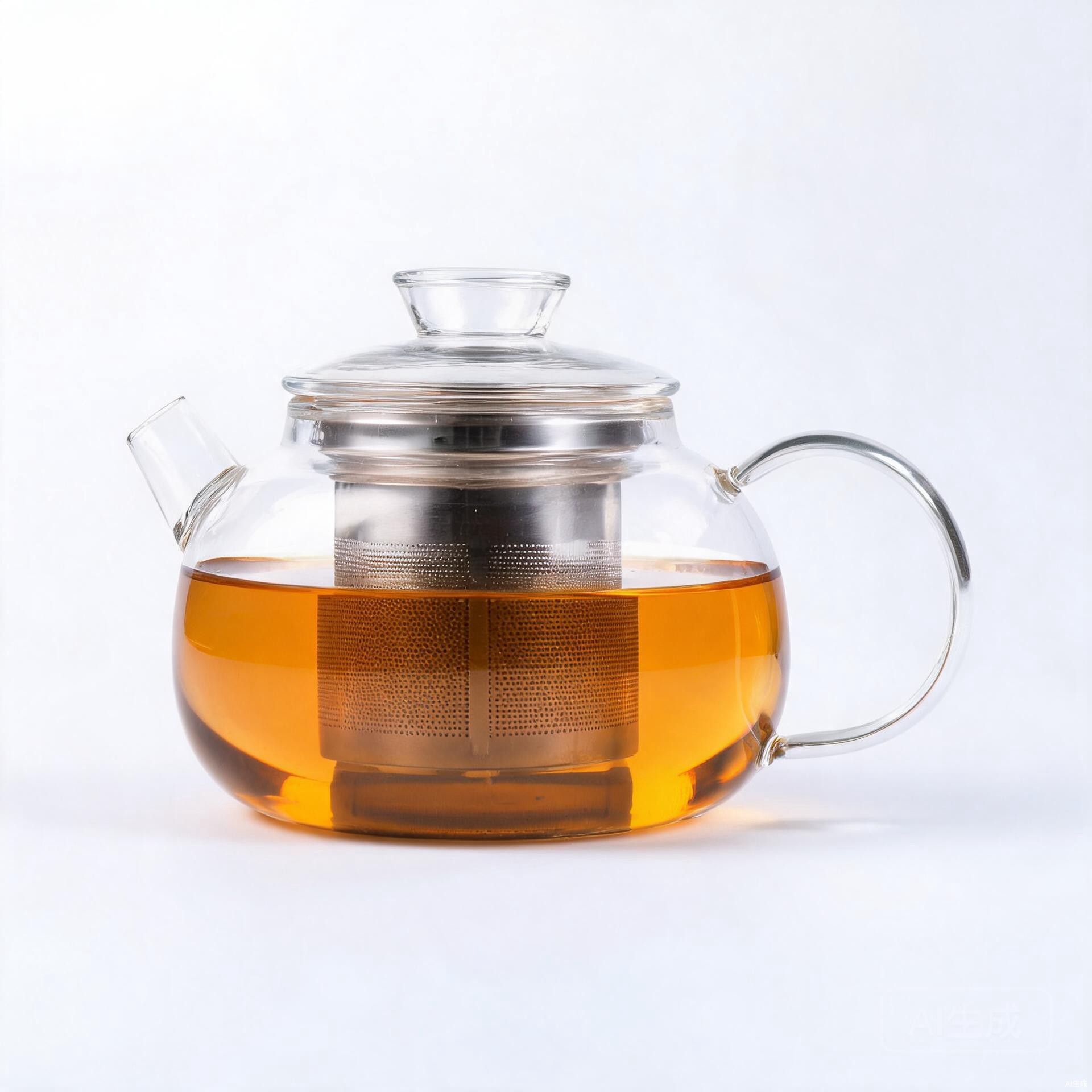
MESNEY 61oz Large Glass Teapot with Infuser
The big-batch size for a full pitcher of iced jasmine tea or a family afternoon supply. 1.8L, deep infuser basket, same zero-flavor-retention glass.
Buy Now
17oz Double Walled Glass Coffee Mug
The insulated double wall keeps your jasmine tea warm while the outside stays cool to hold — and the clear glass lets you enjoy the pale golden-green color.
Buy NowFrequently Asked Questions
What does jasmine tea taste like?
Floral, sweet, and fragrant, with a grassy green tea base. The jasmine aroma is the star — delicate and perfumed without being artificial.
Does jasmine tea have caffeine?
Yes — about 15–30 mg per cup for jasmine green tea, less than a third of a cup of coffee. Jasmine white tea has even less.
How long should I steep jasmine tea?
2–3 minutes at 175°F (80°C). The water temperature matters most — boiling water will make it bitter.
Is jasmine tea good for you?
Yes — it carries green tea's antioxidants, and the scent of jasmine is linked to reduced stress and a calmer mood.
Can you drink jasmine tea every day?
Yes, jasmine tea is safe to drink daily. Its low caffeine content makes it a gentle choice for most people.
Is jasmine tea good for sleep?
The aroma of jasmine is calming and linked to better sleep quality, but the green tea base does contain some caffeine — choose jasmine white tea or drink it earlier in the evening.
The Bottom Line
Jasmine tea is the most fragrant cup you can brew — floral, sweet, and delicate, with real health benefits from its green tea base. Master the temperature (175°F, not boiling), steep it just 2–3 minutes, and you'll taste why it's been a Chinese classic for a thousand years.
Brew it in a MESNEY glass teapot: watch the leaves unfurl and the pale golden-green liquor develop, and serve in a double-wall glass mug that holds the warmth — and the fragrance — all the way down.
As an Amazon Associate, MESNEY earns from qualifying purchases. Prices and availability are subject to change.