Lavender Tea: The Complete Guide to the Calming Floral Cup
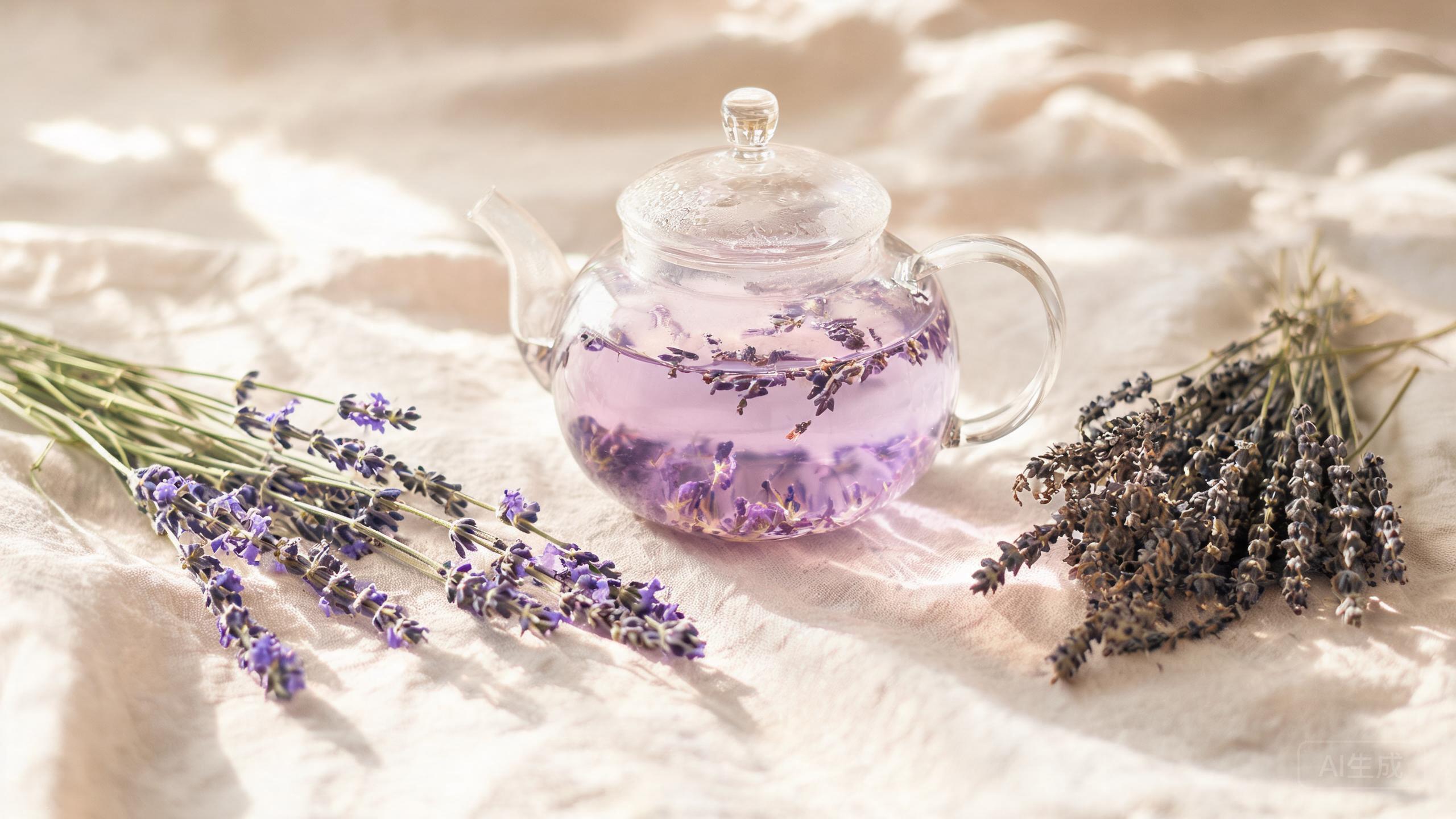
Lavender tea is the most famous calming cup in the world — a pale, perfumed infusion of dried lavender buds that has been Europe's answer to a racing mind since the Middle Ages. It's caffeine-free, takes five minutes to make, and belongs to that small group of teas that deliver exactly the experience their scent promises.
This guide covers what lavender tea does (and what it doesn't), the critical difference between culinary and ornamental lavender, how to brew it so it's floral instead of soapy, the five blends worth making, and the glass teapots that turn purple buds into a small evening ceremony.
What Is Lavender Tea?
Lavender tea is an herbal infusion (a tisane, technically — no Camellia sinensis leaf involved) made by steeping dried lavender buds in hot water. The best-known species is Lavandula angustifolia, English lavender, the sweet, low-camphor variety used in cooking and classic teas; French and Spanish lavenders exist too but run sharper and more medicinal.
The cup itself is pale gold-lilac, with a fragrance that fills the room before the first sip. The flavor is softly floral and honey-like with a minty-cool finish — when it's brewed correctly. Brewed badly, lavender turns bitter and soap-like, which is the number one reason people try it once and never again. The fix is easy, and it's below.
Lavender Tea Benefits: What It's Actually Good For
- The relaxation ritual. Lavender is the most-studied calming herb in aromatherapy, and its traditional role as an evening wind-down herb is exactly how most tea drinkers use it. The warm cup plus the scent is a genuine sensory cue for the brain to downshift.
- Sleep support. As a caffeine-free bedtime brew, lavender tea is a natural substitute for the evening cup of anything stimulating. Traditional herbal blends for sleep almost always include it alongside chamomile.
- Digestive comfort. Like many mint-family herbs, lavender has a long folk history as an after-dinner digestive — gentle enough that French and Spanish cooks still tuck it into herb blends for rich dishes.
- Polyphenols. Lavender carries a meaningful load of antioxidant polyphenols, particularly rosmarinic acid — the same compound celebrated in rosemary and lemon balm.
- Zero caffeine, zero calories. The rare free lunch: full flavor, no stimulant, nothing to keep you up.
Cautions: lavender is generally very well tolerated, but concentration matters — over-steeped or over-dosed lavender can cause mild stomach upset, and a small number of people are sensitive to it. If you take sedatives or thyroid medication, or are pregnant, keep it light and check with your provider. And never brew tea from ornamental or essential-oil-grade lavender — more on that next.
Culinary vs Ornamental Lavender: The Mistake to Avoid
The single most common lavender tea failure is using the wrong lavender. Garden centers sell lavender bred for looks; spice shops sell lavender grown for eating. They are not interchangeable:
| Culinary Lavender | Ornamental Lavender | |
|---|---|---|
| Variety | English lavender (L. angustifolia), sweet cultivars | French/Spanish hybrids, showy bracts |
| Taste | Sweet, floral, honeyed | Camphor-heavy, medicinal, soapy |
| Processing | Harvested, dried, food-grade | Often treated for display planting |
| In tea | Exactly what you want | Bitter, perfumey, undrinkable at strength |
Buy lavender labeled "culinary lavender" or sold as a food-grade herb, and you remove 90% of the ways this tea goes wrong. It's inexpensive, keeps for a year airtight, and a little jar covers months of evening cups.
How to Make Lavender Tea (Without the Soap)
Classic Lavender Tea (1 cup)
- 1–2 teaspoons dried culinary lavender buds
- 8 oz (240 ml) water at 200–205°F (just off the boil)
- Optional: 1 tsp honey, splash of lemon
Method: steep the buds 5 minutes, covered — no longer. Lavender's aromatics are intense and turn bitter and soapy past the five-minute mark, so set a timer for your first few cups. Strain, sweeten with honey (its natural partner), and sip slowly. One teaspoon gives a gentle cup; two gives the full-Provence experience.
Lavender Chamomile Sleep Blend (1 cup)
- 1 tsp dried lavender buds
- 1 tsp dried chamomile flowers
- 8 oz (240 ml) hot water, honey to taste
Method: steep both herbs together 5 minutes covered, strain, and take it to bed. Chamomile rounds out lavender's edge with apple-sweet softness — this is the classic bedtime pairing for a reason.
Lavender Milk Tea Latte (1 cup)
- 1 tsp dried lavender buds + ½ tsp black tea (or 1 bag)
- 4 oz (120 ml) hot water
- 4 oz (120 ml) steamed milk, 1 tsp honey, pinch of vanilla
Method: steep the lavender and tea 4 minutes in the water, strain into a glass mug, stir in honey and vanilla, and top with the steamed milk. The café-style lavender latte is the friendliest introduction to the herb — creamy, purple-flecked, and gently caffeinated if you include the black tea.
The five-minute rule: if you remember one thing about lavender tea, make it this — it's an herb that rewards restraint. Under-steeped lavender is mild (add 30 seconds next time); over-steeped lavender is ruined (toss and start over). Covered steeping matters too: it keeps the volatile aromatics in the cup instead of the room. Well, half of them — the other half is your kitchen's reward.
5 Lavender Tea Blends Worth Brewing
- Lavender + chamomile: the bedtime classic — soft, sweet, and sleep-oriented.
- Lavender + lemon balm: bright, citrusy-mint calm; the afternoon de-stress cup.
- Lavender + black tea: a Provence take on afternoon tea with milk and honey.
- Lavender + rose + chamomile: the floral-trio blend that looks spectacular in glass.
- Lavender + mint + honey (iced): steep double-strength, chill, pour over ice — summer's most underrated refresher.
Why Glass Is Lavender Tea's Natural Home
Lavender tea is the most visual of the common herbal teas: the buds swirl and rehydrate into tiny purple stars, and the liquor carries a faint lilac shimmer. A borosilicate glass teapot with a wide infuser turns the five-minute steep into a small ceremony you can watch — then strains the buds clean at the lift of the basket. For the latte version, a double-wall glass mug shows off the purple-flecked cream layers that ceramic hides. And because lavender's aromatics linger, glass's non-porous surface means yesterday's tea never flavors today's.

40oz Glass Teapot with Infuser
The lavender ceremony, built in: the wide infuser basket lets purple buds swirl and bloom in full view through borosilicate glass, then lifts out clean at exactly five minutes — no straining, no soap, no wasted pot.
Buy Now
17oz Double Walled Glass Coffee Mug
The lavender milk latte deserves glass — the double wall keeps it warm through a slow wind-down and shows the purple-flecked layers ceramic hides.
Buy Now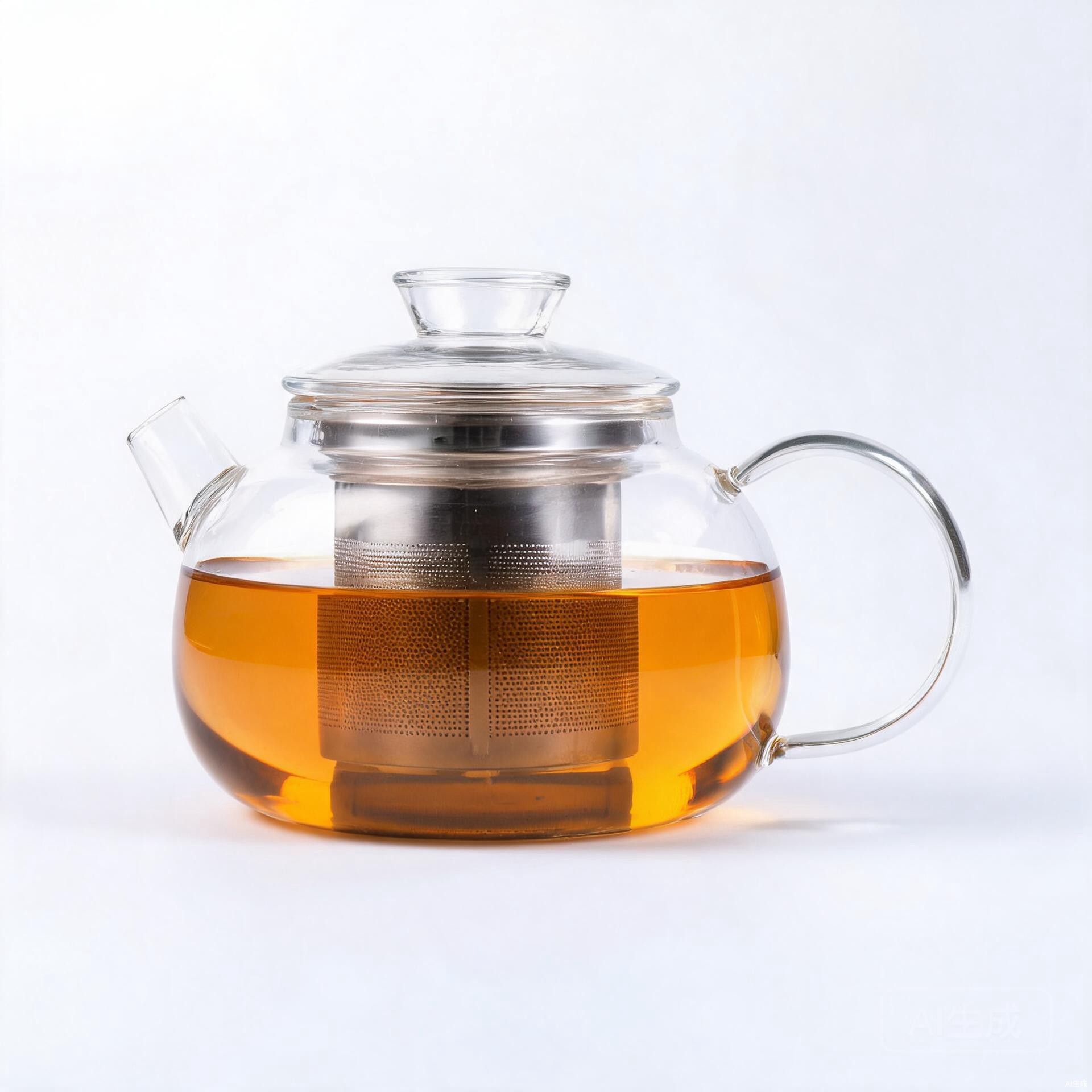
MESNEY 61oz Large Glass Teapot with Infuser
1.8L for dinner-party lavender service — one dramatic pour of pale lilac for the whole table, buds blooming in the glass.
Buy NowFrequently Asked Questions
Does lavender tea have caffeine?
No — pure lavender tea is completely caffeine-free. Blends that include black or green tea leaves do contain caffeine, so check the mix; the latte recipe above is gentle in this respect, using half tea and half milk.
Is lavender tea good for sleep?
It's one of the classic bedtime herbs — caffeine-free, fragrant, and traditionally used for winding down. The ritual of a warm, scented cup is itself a sleep cue, which is why herbalists have prescribed exactly this for centuries.
Why does my lavender tea taste like soap?
Two causes: over-steeping (past 5–6 minutes) or ornamental lavender instead of culinary. Fix both and lavender tea is sweet and floral — set a timer, and buy buds sold as food-grade.
How much lavender should I use per cup?
Start with 1 teaspoon of dried buds per 8 oz cup and steep 5 minutes. Move to 2 teaspoons only if you want a stronger cup — lavender gains intensity fast, and more buds or more time can both tip it bitter.
Can you drink lavender tea every day?
Yes — a cup or two a day is well within traditional use, and its caffeine-free nature makes it an easy evening habit. As with any herb, pause if you notice any sensitivity, and check with a doctor if you're pregnant or on sedatives.
What's the difference between lavender tea and lavender oil?
Everything. The tea is a gentle infusion of the buds; the essential oil is a concentrated extract that should never be drunk. Tea is food; oil is aromatherapy. Keep the second one in the diffuser.
The Bottom Line
Lavender tea is the rare herb that lives up to its reputation — calm in a cup, five minutes away, nearly free. Get culinary-grade buds, respect the five-minute ceiling, pair with honey or chamomile, and let the scent do the rest.
Steep it in a MESNEY borosilicate glass teapot: purple buds blooming in clear glass, a clean lift of the infuser at the perfect minute, and a pale lilac pour that makes the calm visible.
As an Amazon Associate, MESNEY earns from qualifying purchases. Prices and availability are subject to change.