Lemon Balm Tea: The Complete Guide to the Calming Cup
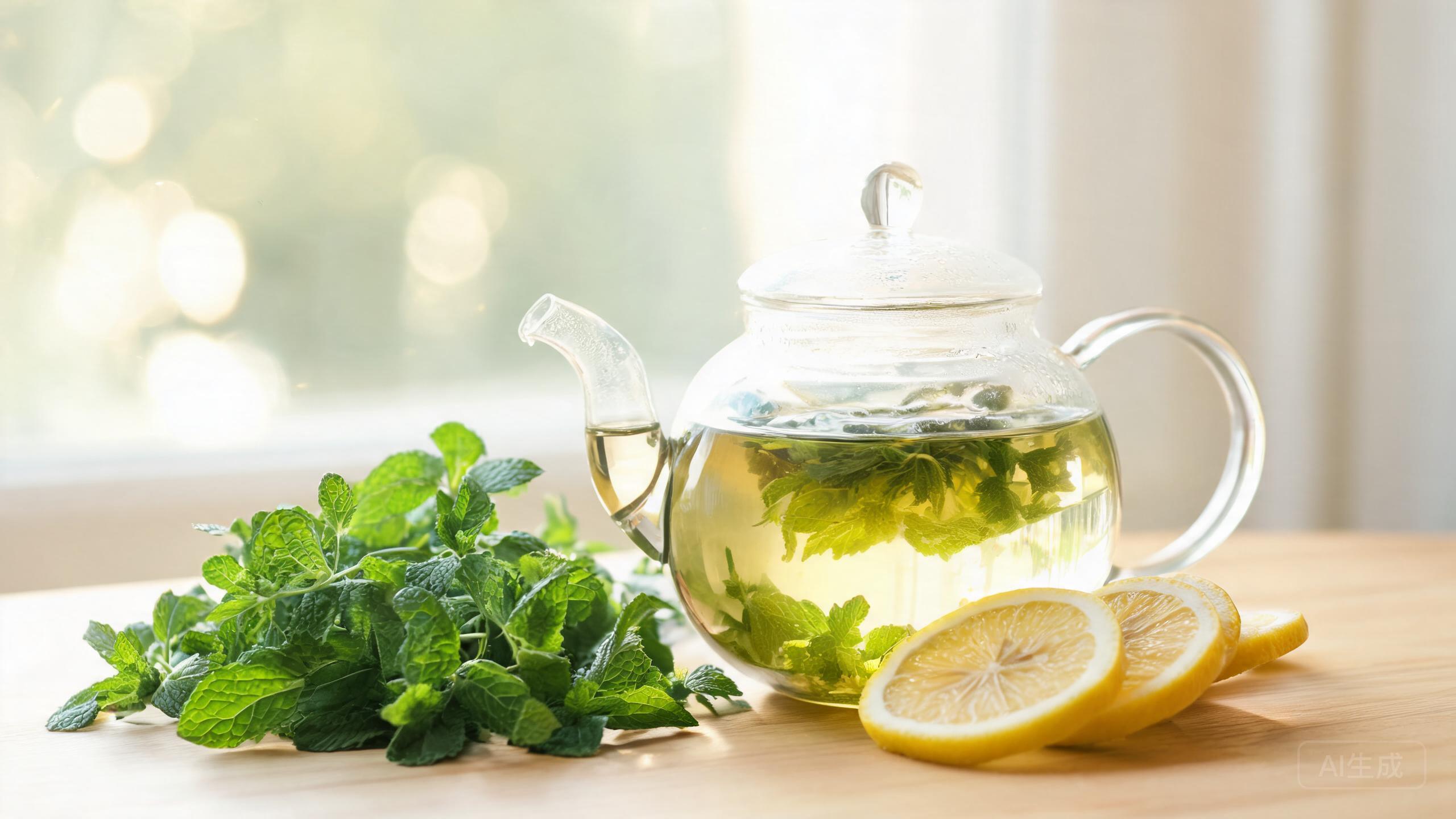
Lemon balm tea is the gentlest calming herb in the garden — a soft, lemony-minty cup that smells like you rubbed a sun-warmed lemon leaf between your fingers, and it has one of the strongest research pedigrees among sleepy-time herbs. It's the tea you brew when you want to wind down, not when you want a kick.
This guide covers what lemon balm actually does for relaxation and sleep, how to brew it so it tastes bright and citrusy rather than flat or soapy, the blends that make it sing, the safety notes, and the glass teapots that let you watch those fragrant green leaves steeping.
Lemon Balm Tea Benefits: What the Research Shows
Lemon balm (Melissa officinalis) is a member of the mint family with a lemony fragrance, and it's been used for centuries to calm a busy mind. Modern studies add real weight to that tradition:
- Calm and stress relief. Several trials found lemon balm reduced self-rated stress, anxiety, and agitation — including a well-known study where schoolchildren given lemon balm felt calmer and less tense.
- Sleep support. Dried lemon balm is a staple of herbal sleep blends, and research associates it with improved sleep quality, especially when the sleep trouble is driven by a racing mind.
- Mood-lifting fragrance. The gentle essential oils in the leaves contribute both the aroma and much of the calming effect — which is why brewing, not just the finished cup, feels relaxing.
- Caffeine-free and gentle. Pure lemon balm has no caffeine, so an evening cup won't cost you sleep — it's meant to help you find it.
- Gentle digestion. As a mint-family herb, it's traditionally used to settle an uneasy stomach as part of the same calming cup.
The safety rules — read this part: lemon balm is generally safe, but it can interact with thyroid medication and may cause mild drowsiness, so test how it affects you before driving after a cup. Very rarely, it can lower thyroid hormone levels in people who are sensitive. If you take thyroid medication or have a thyroid condition, check with your doctor first — and start with a single small cup to gauge tolerance.
Fresh Leaves vs Dried Lemon Balm
| Fresh Lemon Balm Leaves | Dried Lemon Balm Tea | |
|---|---|---|
| Flavor | Brightest, most pronounced lemony fragrance | Milder, more mellow, still gently citrusy |
| Convenience | Only in season; bruise leaves to release oils | Available all year, consistent |
| Amount needed | About ⅓ cup loosely packed | 1–2 teaspoons |
| Best for | Garden-tea rituals, strongest aroma | Reliable daily calming cup |
Both work. Fresh leaves give the best aroma, but dried lemon balm is what most people brew daily, and it holds its benefits well. If you grow your own, pick leaves in the morning before the oils fade and dry them flat.
How to Make Lemon Balm Tea
Classic Calming Lemon Balm Tea (1 cup)
- 2 teaspoons dried lemon balm (or a generous handful of bruised fresh leaves)
- 12 oz (350 ml) water, just off the boil (slightly under boiling is best)
- Optional: a slice of lemon and a touch of honey
Method: Place the leaves in a teapot infuser basket, pour the hot water over them, and steep 5–10 minutes. Don't over-steep — much longer and the oils turn flat and grassy. Strain, and sip slowly about 30–45 minutes before you want to unwind or sleep. A slightly cooler brewing temperature protects the delicate essential oils.
Make it a bedtime ritual: combine lemon balm with chamomile and a nib of lavender for the classic three-herb sleep tea, and brew it in the same glass pot every evening. The repetition of a familiar, calming ritual reinforces the effect — your brain learns the cues as much as the herbs do.
Easy Lemon Balm Blends for Every Mood
- Lemon balm and chamomile: the all-time classic relaxation pair — sweet, gentle, and trusty.
- Lemon balm and peppermint: brighter and more refreshing, good for a calm but clear afternoon.
- Lemon balm and lavender: the before-bed duo — floral, soothing, unmistakably calming.
- Lemon balm and passionflower: a deeper unwind for busy minds and heavy evenings.
- Lemon balm and ginger: warming and comforting, nice for cool weather or a tight stomach.
- Lemon balm and green tea: a calm-but-focused daytime cup that keeps a little caffeine.
Does Lemon Balm Tea Have Caffeine?
No — lemon balm tea is naturally caffeine-free. Like all true herbal infusions, it contains none of the tea plant, so it won't stimulate you. In fact it's the opposite: lemon balm is one of the herbs best known for easing you toward calm and sleep, which is why it ends up in so many nighttime blends.
Troubleshooting
"It tastes flat or soapy"
Over-steeped, or the water was too hot. Lemon balm's delicate oils turn soapy past ~10 minutes and with a full rolling boil. Steep 5–8 minutes, use water just under the boil, and buy leaves that still smell strongly fragrant.
"Fresh leaves don't taste lemony"
Bruise them first. The lemony fragrance lives in oils you need to release — press the leaves between your fingers, or muddle them lightly, before adding hot water.
"Does it really calm you down?"
For most people, yes — it tends to lower mental chatter. It's gentle rather than drastic, so give it 30–45 minutes and a quiet setting. If you're dealing with real anxiety, lemon balm is a pleasant companion, not a replacement for professional care.
Why Glass Is the Right Home for Lemon Balm Tea
Lemon balm is an oils-and-aroma herb, which means the brewing vessel matters. Glass is ideal precisely because it's inert — it won't hold onto or transfer the peppery taste that plastic or a heavily used ceramic pot can, so your lemony cup stays clean and true. Non-porous and easy to rinse, a glass teapot keeps working when a whiff of the last mint pot might otherwise taint this delicate leaf. And watching those green leaves float and unfurl in clear glass is half the calm.

40oz Glass Teapot with Infuser
Make the calming home ritual easy: the infuser basket holds the leaves cleanly while the inert borosilicate glass keeps the delicate lemon oils true — no residual flavors from a previous cup. About 3 evening cups per pot.
Buy Now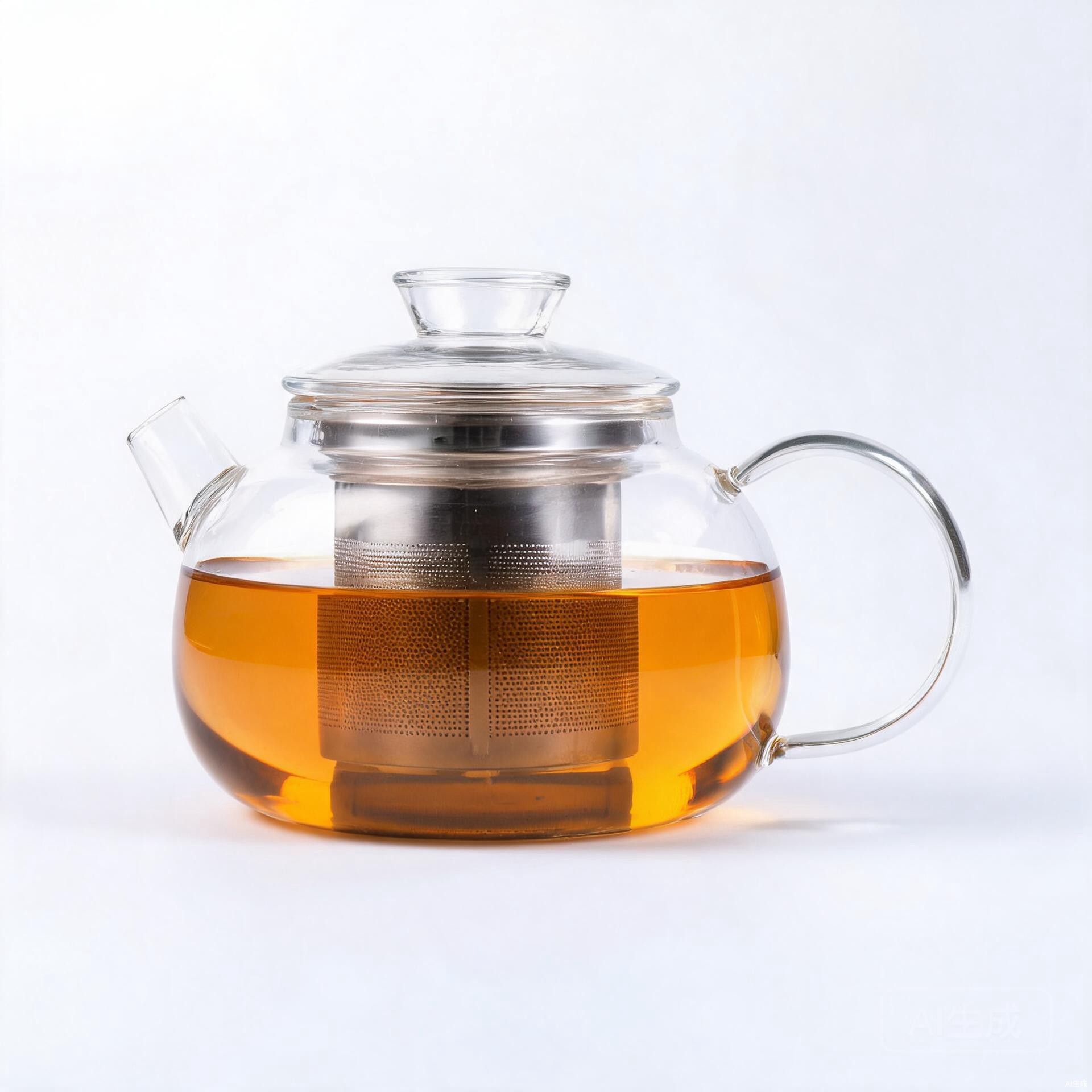
MESNEY 61oz Large Glass Teapot with Infuser
1.8L for a whole household's evening wind-down — one brew, everyone gets a calming cup before bed.
Buy Now
Double Wall Espresso Cups (Set of 4, 6.7oz)
A tidy 6.7oz portion of soothing tea in the evening — double-wall glass keeps it warm while the outside stays cool to hold in bed.
Buy NowFrequently Asked Questions
What does lemon balm tea do?
It's a caffeine-free herbal tea traditionally used to calm the mind, ease stress, and support sleep. Research associates it with reduced tension and improved sleep quality, and it's a fixture in relaxation and bedtime blends.
Is lemon balm tea good for sleep?
Yes — it's one of the most-studied calming herbs. When your trouble falling asleep is a racing mind, a lemon balm cup 30–45 minutes before bed (particularly with chamomile or lavender) is a popular, gentle approach.
How does lemon balm tea taste?
Like a soft lemon with a hint of mint — bright and slightly sweet, never biting. It's one of the friendliest herbal teas around. Over-steeping or boiling water can make it flat or soapy, so keep it gentle.
Is lemon balm tea safe?
Generally yes for most people. It can interact with thyroid medication and may cause mild drowsiness. Those with thyroid conditions or on thyroid therapy should check with a doctor first.
How often can I drink lemon balm tea?
1–2 cups a day is common, most often in the evening. It's gentle enough for daily use by most people — just watch for drowsiness and adjust timing so it works for you.
The Bottom Line
Lemon balm tea is the calming cup with real science behind it — caffeine-free, gently stress-relieving, sleep-supporting, and genuinely pleasant to drink. Use good dried leaves (or bruised fresh ones), steep 5–8 minutes in water just under the boil, and make it a regular 30–45-minute-before-bed ritual.
Brew it in a MESNEY glass teapot: the inert, non-porous borosilicate that keeps the delicate lemon oils clean and true, with an infuser that holds the leaves and a view of green leaves steeping that's calming all on its own.
As an Amazon Associate, MESNEY earns from qualifying purchases. Prices and availability are subject to change. This article is for general information and is not medical advice — consult your healthcare provider for personal health decisions.