Licorice Root Tea: The Complete Guide to the Naturally Sweet Root
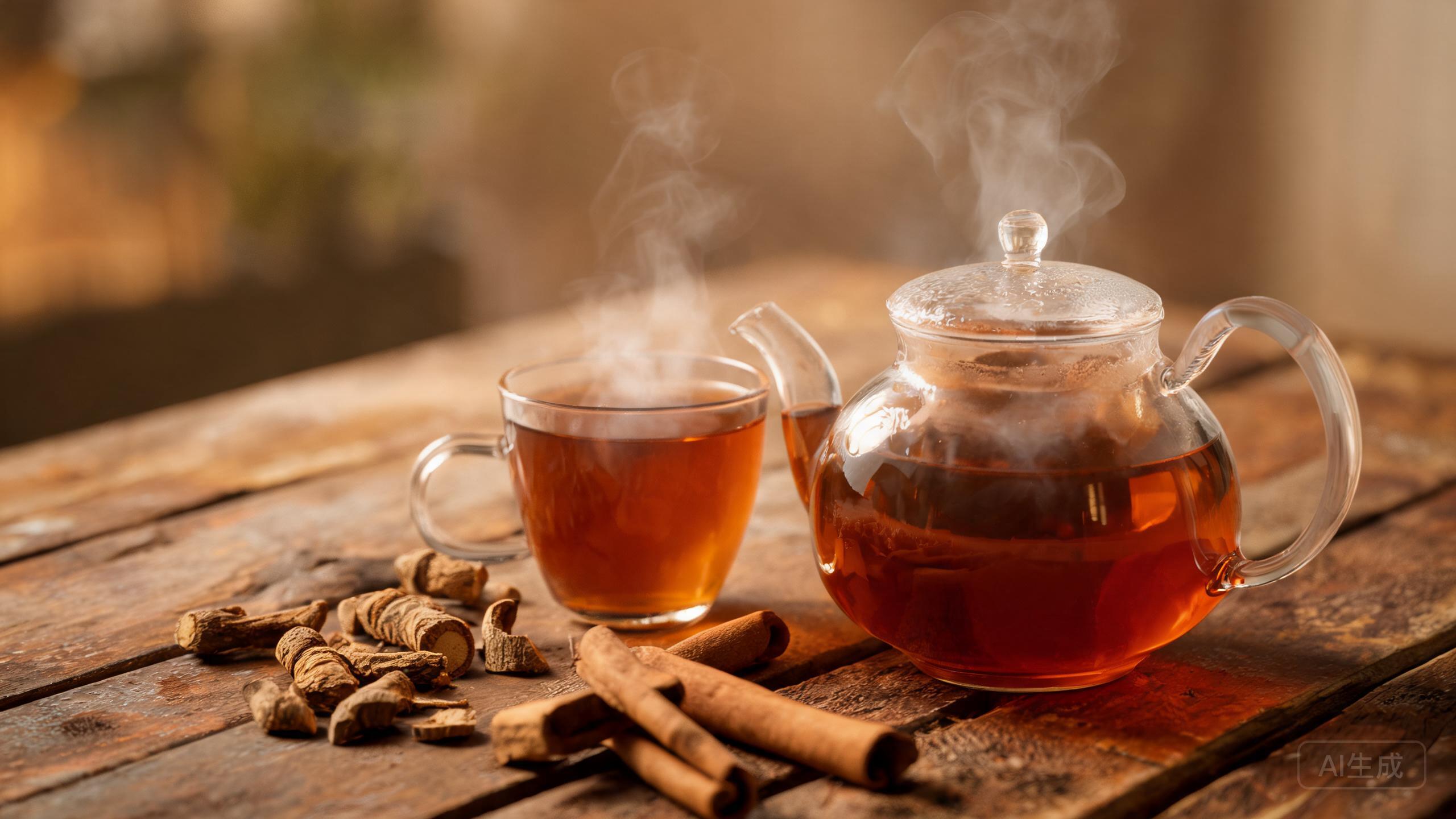
Licorice root tea is the sweetest caffeine-free tea you can brew — naturally sweet, without sugar, and with a genuinely soothing effect on sore throats and digestion. It's been used for thousands of years in traditional medicine across Europe, Asia, and the Middle East, and modern research keeps finding reasons it deserves a place in the cold-season pantry.
This guide covers what licorice root tea does (sore throats, digestion, adrenal support), why it's naturally sweet, who absolutely should avoid it, the deglycyrrhizinated (DGL) version, and how to brew it properly in a glass teapot.
Read this before you brew: licorice root contains a compound called glycyrrhizin that can raise blood pressure and deplete potassium when consumed in large amounts or over long periods. Do not drink it daily or in large quantities. Skip it entirely if you have high blood pressure, heart or kidney disease, are pregnant, or take any medication — licorice interacts with many drugs (including blood pressure, heart, diuretic, and corticosteroid medications). Occasional cups for a scratchy throat are the sensible way to use it.
Licorice Root Tea Benefits: What the Research Shows
- Soothes sore throats and coughs. Licorice root has demulcent properties — it coats and soothes irritated mucous membranes — and it's a long-standing ingredient in throat-comfort remedies. A warm cup is genuinely comforting when your throat feels raw.
- Supports digestion. Traditionally used to calm heartburn, indigestion, and an upset stomach. The DGL form (deglycyrrhizinated licorice) is the one most studied for stomach comfort, because it keeps the soothing effects while removing the blood-pressure compound.
- Natural sweetness, zero sugar. Glycyrrhizin is roughly 50 times sweeter than table sugar. That's why licorice root tea needs no sweetener at all — a gift for anyone cutting sugar.
- Adrenal and stress support. In traditional medicine licorice is a classic "adaptogen" for tiredness and stress-related fatigue. Human evidence is limited, but the tradition is long and respected.
- Naturally caffeine-free. It's a root, not a leaf, so there's zero caffeine — safe for an evening cup, provided you're not overdoing the frequency.
How to Brew Licorice Root Tea
Classic Licorice Root Tea (1–2 cups)
- 1–2 teaspoons dried licorice root (chopped pieces or fine-cut)
- 8 oz (240 ml) water
- Optional: a slice of fresh ginger or a cinnamon stick
Method: Root pieces are woody, so a light simmer works best. Combine the root and water in a small pot, bring to a gentle boil, and simmer 5–10 minutes. Strain into a mug. The liquor comes out deep amber and surprisingly sweet. Start with about 1 teaspoon per cup — licorice sweetness is very easy to overshoot.
Pairing trick: licorice root's sweetness makes it the perfect natural sweetener partner for harsher herbs. Blend it with ginger, cinnamon, or even a little of your morning tea mix to add sweetness and depth without any sugar at all.
Licorice Root vs DGL: What's the Difference?
| Regular Licorice Root | DGL (Deglycyrrhizinated) | |
|---|---|---|
| Contains glycyrrhizin | Yes — the sweet, blood-pressure-active compound | No — the glycyrrhizin has been removed |
| Best for | Throat comfort, sweet flavor, occasional use | Digestive support in tea or chewable form |
| Blood pressure risk | Present with daily/heavy use | Minimal |
| Good to drink daily | No — use occasionally | Safer for regular use |
Simple rule: for occasional throat-soothing sweetness, whole licorice root is fine. For daily digestive support, find DGL.
Who Should Avoid Licorice Root Tea?
- High blood pressure: glycyrrhizin raises blood pressure — this is the most important warning.
- Pregnancy: avoid licorice root during pregnancy.
- Heart or kidney disease: licorice can cause potassium depletion and fluid retention.
- Anyone on medication: also interacts with blood-pressure, heart, diuretic, laxative, and corticosteroid drugs — ask your pharmacist.
If any of these apply, skip the tea or choose a DGL product after a quick check with your doctor.
Why Glass Is the Right Home for Licorice Root Tea
Licorice root brews into a beautiful, rich amber that's half the pleasure of the drink — and a borosilicate glass teapot shows it honestly. The root pieces re-brew twice, so a stovetop-safe glass pot lets you simmer the decoction right in the pot and then lift the strainer. Pour into a double-wall glass mug for a warm, sweet, caffeine-free evening cup that never burns your hands — as long as you keep it occasional, it's one of the most pleasant ways to end a cold day.

40oz Glass Teapot with Infuser
Made for gentle root simmers: about 4 cups — watch the deep amber develop through heat-safe borosilicate glass, and lift the deep infuser basket to strain the woody root pieces clean.
Buy Now
17oz Double Walled Glass Coffee Mug
Caffeine-free and espresso-sweet — this is the drink you sip slowly at night, and the double wall keeps it warm without burning your hands.
Buy NowFrequently Asked Questions
Does licorice root tea have caffeine?
No — licorice root is naturally caffeine-free. It's a sweet, soothing cup you can drink at night. Just keep it occasional, since glycyrrhizin can raise blood pressure with heavy daily use.
Is licorice root tea good for a sore throat?
Yes. Licorice root is a natural demulcent that coats and soothes irritated throats, and it's a classic ingredient in throat-comfort remedies. A warm cup with nothing else added is genuinely comforting for a scratchy throat.
How much licorice root tea can I drink a day?
Keep it to a single occasional cup, and not every day. Regular or large amounts of glycyrrhizin can raise blood pressure and deplete potassium. For daily stomach comfort, choose DGL licorice instead.
Can I drink licorice root tea every day?
Not recommended in its whole-root form. It's best used occasionally (like during a cold or sore throat). For a daily digestive tea, use deglycyrrhizinated (DGL) licorice, which has the blood-pressure compound removed.
Does licorice tea taste like black licorice candy?
Similar, but softer — real licorice root brews into a naturally sweet, herbal, mildly earthy cup. The intense candy flavor comes from added anise or anethole; pure licorice root is smoother and less polarizing.
Is licorice root tea safe during pregnancy?
No — avoid licorice root during pregnancy. If you're pregnant or planning to be, skip this tea entirely until you've checked with your healthcare provider.
The Bottom Line
Licorice root tea is a rare thing: a caffeine-free cup that's naturally sweet without sugar, genuinely soothing for sore throats and digestion, and deeply comforting on a cold evening. The catch is real — glycyrrhizin means it's for occasional use, not a daily habit. Use it wisely, and it becomes a wonderful winter friend.
Brew it in a MESNEY borosilicate glass teapot: watch the amber deepen through the glass, simmer the root gently, and pour into a double-wall mug for the sweetest caffeine-free cup of the season.
As an Amazon Associate, MESNEY earns from qualifying purchases. Prices and availability are subject to change.