Moringa Tea: Benefits, Taste and How to Brew It

Moringa tea is a bright, green, mildly earthy herbal infusion made from the leaves of the moringa tree — a fast-growing tropical tree whose leaves are eaten as a vegetable across South Asia, and which has become one of the most popular green herbal teas in the United States. It is caffeine-free and brews to a pale green-gold.
This guide explains what moringa tea is, how it has been used traditionally, what it actually tastes like, how to brew it from dried leaf or powder, how it compares with matcha and green tea, and the safety points worth knowing before you drink it daily.
A note before we start: this article describes a traditional herbal infusion and general information about it. It is not medical advice. If you are pregnant, nursing, taking medication, or managing a health condition, talk to a qualified healthcare professional before using it regularly.
What Is Moringa Tea?
Moringa tea is made from the leaves of Moringa oleifera, a drought-resistant tree native to the foothills of the Himalayas and now grown throughout the tropics. The leaves are exceptionally nutritious and are cooked and eaten as a green vegetable in India, the Philippines, and parts of Africa — which is why the tree is often called the drumstick tree or the horseradish tree.
For tea, the leaves are dried whole or milled into a fine green powder. Because no Camellia sinensis leaves are involved, moringa tea is a tisane rather than a true tea, and it is completely caffeine-free.
Moringa has moved from a regional food to a global supplement in a little over a decade, and its search interest reflects that — it is now one of the larger herbal tea categories in the United States.
Moringa Tea Benefits and Traditional Use
Moringa's reputation rests largely on its nutritional profile as a leaf vegetable. Drinking an infusion is not the same as eating the leaves, and the difference matters.
| Area | Traditional association | What to realistically expect |
|---|---|---|
| Everyday nutrition | Moringa leaves are a traditional green vegetable, valued for their nutrient content | Genuinely nutrient-dense as a food; a tea made from the leaves delivers far less than eating them. |
| Antioxidants | The leaves are rich in polyphenols and vitamin C | Laboratory antioxidant activity does not automatically mean a health effect in people. |
| General wellness tonic | Long traditional use as a strengthening daily drink | Treat it as tradition rather than therapy. |
| Energy | Often marketed for energy — but note it has no caffeine | Any lift is unrelated to caffeine; the tea contains none. |
| Caffeine-free | — | Genuinely caffeine-free, so it suits an afternoon cup. |
The honest summary: moringa is a genuinely nutritious leaf, but a cup of tea is a light infusion, not a supplement dose. Drink it because you enjoy it, not as a substitute for medical care or a balanced diet.
What Moringa Tea Tastes Like
Moringa tea is grassy and mildly earthy, with a faint vegetal sweetness and a light, somewhat spinach-like finish. It is gentler and less astringent than green tea, and noticeably less intense than matcha powder.
Some drinkers find a slight peppery note at the end — the tree's alternative name, horseradish tree, hints at where that comes from. Because the flavour is mild, moringa takes honey, lemon, ginger, and mint very well.
How to Brew Moringa Tea
Moringa behaves much like a green tea: it is delicate, and boiling water makes it bitter. Dried leaf and powder need slightly different handling.
Moringa Tea from Dried Leaf (1 cup)
- 1 teaspoon (about 2g) dried moringa leaf, or 1 moringa tea bag
- 8 oz (240 ml) water at 170–185°F (75–85°C)
- Optional: a slice of lemon, or 1 teaspoon honey
Method:
- Boil the kettle, then let it stand for two to three minutes so it drops below boiling.
- Add the dried leaf to a glass teapot or mug with an infuser basket.
- Pour the cooled water over the leaf. Watch the colour move from pale straw to a soft green-gold.
- Steep 3–5 minutes for loose leaf, or 2–3 minutes for a tea bag. Longer than that and the cup turns grassy-bitter.
- Strain and drink. A slice of lemon brightens the flavour considerably.
Moringa Powder Tea (1 cup)
- ½ teaspoon moringa leaf powder (start small — the powder is strong)
- 8 oz (240 ml) water at 170–185°F
Method: whisk the powder into a small amount of warm water first to make a smooth paste, then top up with the rest of the water and stir. Powder does not strain well, so drink it stirred rather than using an infuser basket. Expect a thicker, more intensely green cup than the loose-leaf version.
Moringa iced is better than moringa hot for most people. Cold-brew a tablespoon of dried leaf in a liter of water overnight, strain, and serve over ice with lemon. The vegetal notes read as fresh rather than grassy, and there is no bitterness at all.
Moringa vs. Matcha vs. Green Tea
All three brew green, and all three are often marketed as "green tea" — but only two of them actually are.
| Moringa Tea | Matcha | Green Tea | |
|---|---|---|---|
| What it is | Tree leaf tisane | Shaded Camellia sinensis powder | Camellia sinensis leaf |
| Caffeine | None | High (60–70mg per serving) | Moderate (20–40mg) |
| Flavour | Grassy, mild, faintly peppery | Intensely savoury, creamy | Fresh, grassy, slightly astringent |
| Brewing | Steep 3–5 min at 170–185°F, or whisk powder | Whisk into water | Steep 60–90 sec at 160–180°F |
| Best for | A caffeine-free green cup | Ceremonial or latte | An everyday green tea |
If you want caffeine, a matcha latte or a sencha is the right choice. If you want a green cup in the evening, moringa is the one that will not keep you awake — see our green tea brewing guide for the temperature rules both share.
Moringa Blends Worth Trying
- Moringa and lemon: the simplest improvement — citrus cuts the vegetal edge and makes the cup taste much brighter.
- Moringa and ginger: warm and lightly peppery, a good cold-season cup. See our ginger tea guide.
- Moringa and mint: cooling and fresh, excellent iced. Our spearmint guide is the sweeter mint for this.
- Moringa and honey: a spoonful rounds the grassiness and makes it read almost like a light vegetable broth.
- Moringa latte: whisk powder into warm milk with a little honey — a caffeine-free alternative to a matcha latte. See our golden milk guide for the technique.
- Moringa and lemongrass: a bright, aromatic pairing that works especially well iced.
Is Moringa Tea Caffeine-Free?
Yes, completely. Moringa tea is made from tree leaves rather than tea leaves, so it contains no caffeine at all. Despite being frequently marketed for "energy", any effect is not caffeine-related, and it can be drunk in the evening. For more caffeine-free options, see our guides to marshmallow root tea and roasted barley tea.
Safety and Who Should Be Careful
Talk to a professional first if any of these apply. Moringa leaves and especially moringa seed may affect thyroid function, so anyone with a thyroid condition or taking thyroid medication should check before regular use. The leaves may also interact with how the body processes some medications, including diabetes drugs and blood thinners. Moringa is generally not recommended during pregnancy without medical guidance.
Buy leaf tea, not seed or root preparations. The leaf is the part traditionally eaten as a food. Other parts of the plant have different safety profiles and are not what you want in a tea.
It is a drink, not a supplement. A cup of moringa tea is a light infusion. Do not use it in place of prescribed care or a balanced diet.
Frequently Asked Questions
What does moringa tea taste like?
Grassy and mildly earthy, with a faint vegetal sweetness and a light spinach-like finish. It is gentler and less bitter than green tea, with a subtle peppery note at the end.
Is moringa tea caffeine-free?
Yes, completely. It is made from moringa tree leaves rather than tea leaves, so it contains no caffeine and can be drunk at any hour, including before bed.
What is the best water temperature for moringa tea?
170–185°F (75–85°C), steeped for 3–5 minutes. Boiling water makes moringa bitter — treat it like a green tea rather than a black tea.
Does moringa tea taste like green tea?
It is in the same grassy family, but milder and without green tea's astringency. The key difference is caffeine: moringa has none, while green tea has 20–40mg per cup.
Can you drink moringa tea every day?
Many people do. Because moringa may affect thyroid function and interact with some medications, check with a healthcare professional before making it a daily habit if you have a thyroid condition, take prescription medicine, or are pregnant or nursing.
Final Thoughts
Moringa tea is a mild, grassy, caffeine-free green cup with a long history as a food in South Asia and a firm place in the modern herbal tea shelf. Brew it below boiling for three to five minutes, brighten it with lemon, and cold-brew it in summer — it is one of the most refreshing green infusions you can make without any caffeine at all.
Because the powder is fine and the colour is the signal, moringa brews best in glass. A clear teapot shows the liquor shifting from pale straw to green-gold so you can pull it before the grassiness turns bitter, and a double-walled mug keeps a warm caffeine-free cup comfortable to hold. Our picks:

40oz Glass Teapot with Infuser
The fine infuser holds dried moringa leaf without letting particles through, and the clear glass shows the exact moment the liquor turns from pale straw to green-gold — the signal to stop the steep.
Buy Now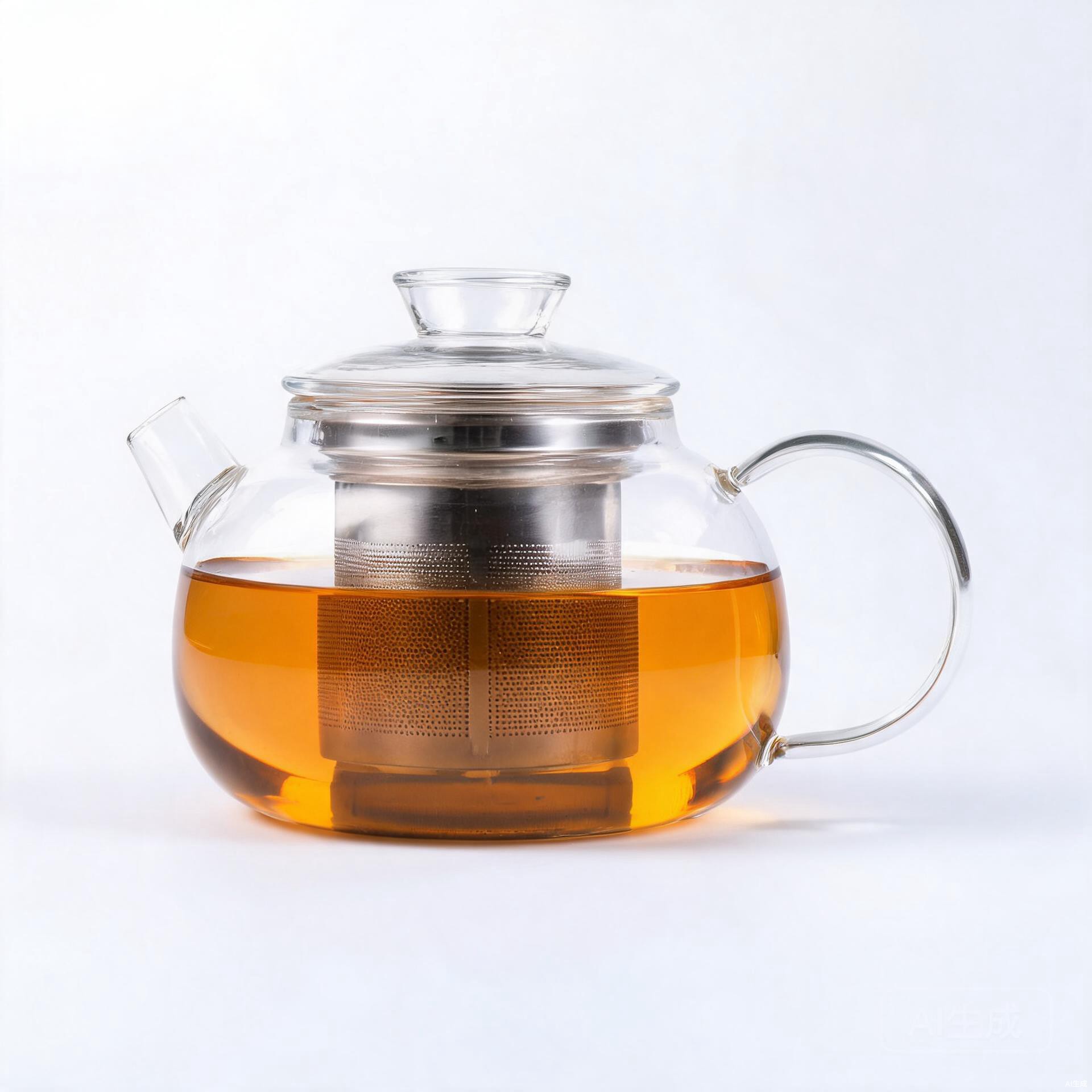
MESNEY 61oz Large Glass Teapot
1.8L is the right size for a liter of cold-brewed moringa iced tea plus room for ice and lemon.
Buy Now
17oz Double Walled Glass Mug
A single generous cup that keeps a caffeine-free infusion warm to the last sip without burning your hands.
Buy NowAs an Amazon Associate, MESNEY earns from qualifying purchases. Prices and availability are subject to change.