Mulled Wine: The Complete Guide to a Perfectly Spiced Winter Cup
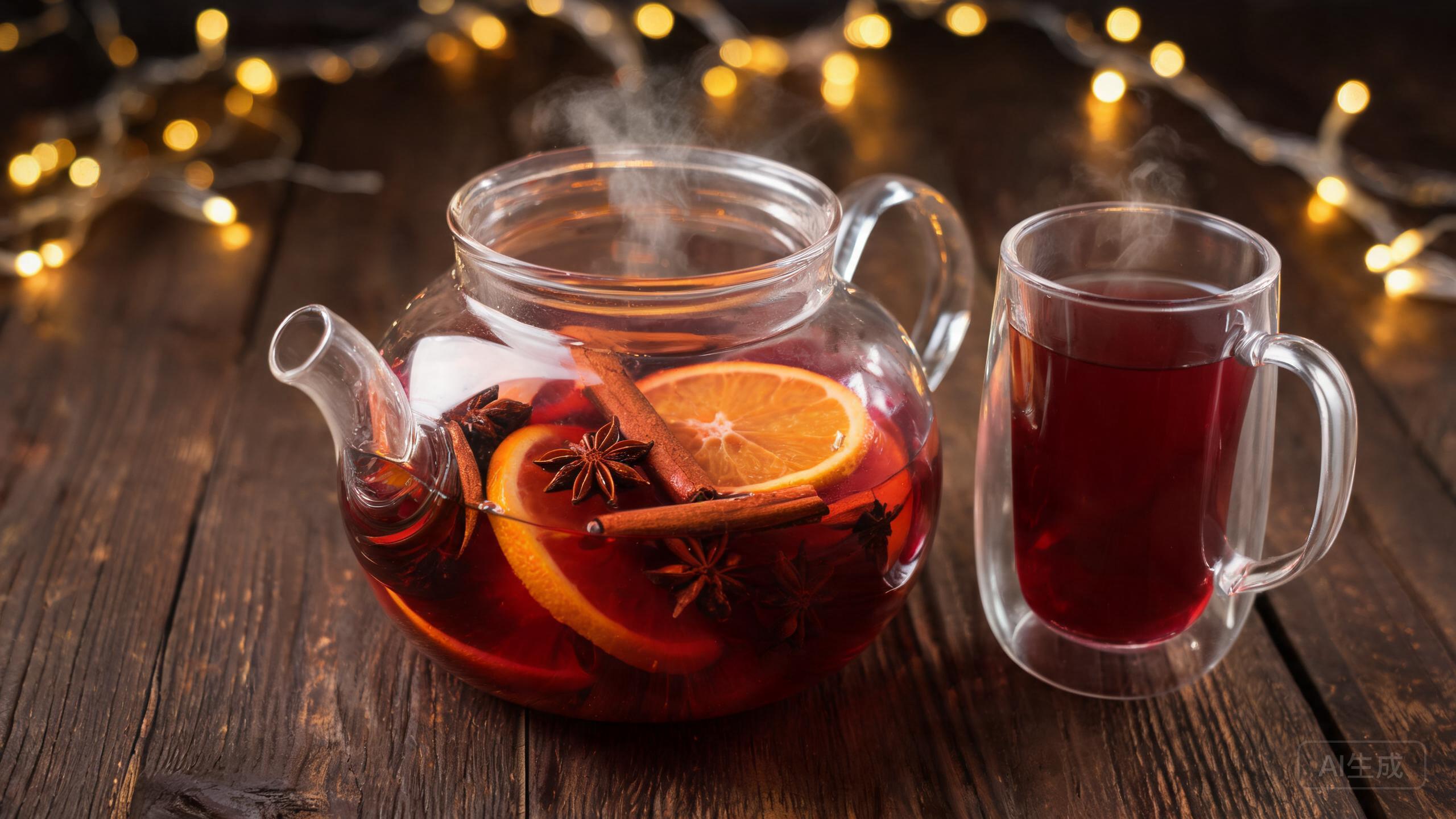
Mulled wine is the taste of a cozy winter evening: a warm red wine warmed with cinnamon, cloves, star anise, and orange until the whole kitchen smells like a holiday market. It's a centuries-old European tradition — the German Glühwein, the Scandinavian Glögg — and every fall the search for mulled wine recipes climbs to its yearly peak. It's one of the rare festive drinks that people actually gather around, and it's wonderfully easy to make at home.
This guide covers the classic mulled wine spices and the best red wine to use, a foolproof stove and slow-cooker recipe, how to skip the alcohol without losing the flavor, and the glass mugs and teapot that keep your mulled wine warm — and watchable — all night.
The Classic Mulled Wine Spices
Mulled wine is really a spice story. The wine is the canvas; the spices are the art. These are the building blocks of a classic mix:
- Cinnamon: the backbone. Whole sticks are essential — they release slowly and stay sweet instead of turning bitter. Plan on 1–2 sticks per bottle.
- Cloves: fragrant and intensely warm. They stud traditional orange halves, but add them loose and remember: a little goes a long way. About 5–8 whole cloves per bottle.
- Star anise: that unmistakable licorice-sweet, festive aroma of so many winter drinks. One or two stars are perfect.
- Cardamom: barely crushed pods add a soft, citrusy warmth that most homemade versions skip and most market versions keep.
- Fresh orange: peel and slices. The bright citrus lifts the heavy spice and is the reason mulled wine tastes fresh, not sticky.
- Sweetener: a spoonful of brown sugar, honey, or maple syrup balances the wine's tannins.
Use whole spices, never ground. Ground cinnamon and cloves turn mulled wine cloudy and bitter. Whole spices steep cleanly, release flavor as they warm, and strain out easily — which is exactly what your glass teapot infuser basket is built for.
Best Red Wine for Mulled Wine
There's one hard rule: use a wine you'd happily drink on its own, but there's no need to pull out the expensive bottle. Heat mutes a wine's delicate notes anyway, so the sweet spot is a smooth, fruit-forward, medium-bodied red.
| Great Choice | Average | Avoid | |
|---|---|---|---|
| Type | Zinfandel, Merlot, Garnacha, Pinot Noir | Most table reds | Very tannic, very oaky, very dry wines |
| Body | Medium, juicy, berry-forward | Light or neutral | Heavy and astringent |
| Taste after heating | Rounds out, turns smooth & sweet | Fine, if mild | Turns bitter and harsh |
A good rule of thumb: if it's fruit-forward and costs between $10 and $20, it's perfect. The spice blend does the rest. Leftover or "everyday" red wine works beautifully too — mulled wine was invented to rescue a bottle that was opened and forgotten.
How to Make Mulled Wine (The Right Way)
Classic Mulled Wine (4–5 servings)
- 1 bottle (750 ml) red wine — Zinfandel, Merlot, or Garnacha
- 1 orange, sliced (peel and all), plus a few strips of zest
- 2 cinnamon sticks
- 6 whole cloves
- 1–2 star anise
- 4 cardamom pods, lightly crushed
- 2–3 tbsp brown sugar or honey
- Optional: a splash of brandy or rum for a stronger cup
Method: Combine everything in a large glass teapot or pot. Warm over low-to-medium heat until steaming but never boiling — simmer 15–20 minutes for the spices to bloom. Taste, add sweetener to balance, then serve warm. For a slow-cooker version, add everything to the crock on Low for 2–3 hours; it stays drinkable for hours as the base of your serve-yourself mulling station.
Don't boil mulled wine. Boiling ruins it twice — it evaporates the alcohol and drives off the delicate aromatics while drawing out harsh tannins. "Hot but not bubbling" is the whole secret. And please drink responsibly; keep the alcohol version for adults, and always offer a non-alcoholic pot for younger guests and designated drivers.
Non-Alcoholic Mulled Wine (Mulled Juice)
The non-alcoholic version is genuinely delicious and, for many households, the one guests drink most:
- Grape-based: use 100% grape juice (dark Concord works best) or a mix of grape and cranberry in place of wine. Simmer with the same spices.
- Apple-cider base: a no-wine mulled cider — spiced hot apple cider, essentially — which is its own winter classic.
- Use the same spices: cinnamon, cloves, star anise, and orange juice or peel. Kids love it, and you can add a little maple syrup to taste.
Why Glass Is the Right Home for Mulled Wine
Half the joy of mulled wine is watching it — the ruby liquid, the bobbing orange wheels, the drifting spices. A borosilicate glass teapot shows every bit of it, handles simmering heat safely, and its infuser basket keeps the whole spices out of the pour. And because mulled wine is meant to stay warm through a slow evening in, a double-wall glass mug keeps the heat in while the outside stays cool enough to hold comfortably.

40oz Glass Teapot with Infuser
Built for an evening mulling station: about 4–5 servings, with a deep infuser basket that holds the cinnamon, cloves, star anise, and cardamom while the orange slices warm free in the bottle. Load the spices, pour in the wine, warm low and slow, and watch the ruby color deepen through the clear glass.
Buy Now
17oz Double Walled Glass Coffee Mug
The insulated double wall keeps mulled wine warm through a long, slow sip while the outside stays comfortable to hold — the perfect mug for curling up by the fire.
Buy Now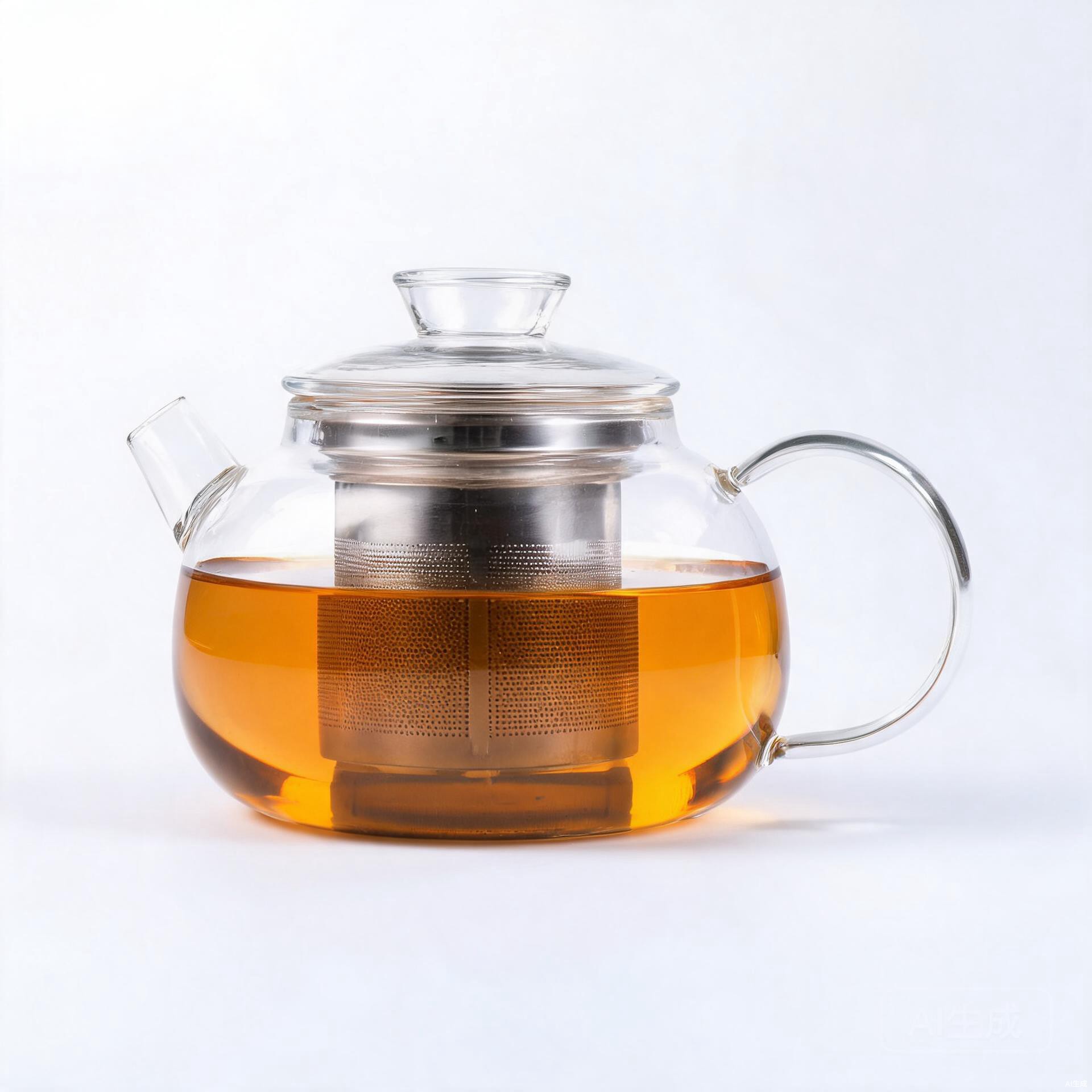
MESNEY 61oz Large Glass Teapot with Infuser
The big-batch size for a holiday gathering — 1.8L holds nearly two bottles, with a deep infuser basket for a double dose of spice. Keep it steaming on a trivet and let guests serve themselves.
Buy NowFrequently Asked Questions
What's the best red wine for mulled wine?
A smooth, fruit-forward, medium-bodied red like Zinfandel, Merlot, Garnacha, or Pinot Noir in the $10–$20 range. Avoid heavily oaked or very tannic wines, which turn bitter when heated.
Do you boil mulled wine?
No. Warm it low and slow until steaming but never bubbling. Boiling evaporates the alcohol and turns the spices bitter.
How long should you simmer mulled wine?
15–20 minutes on the stove is enough for the spices to bloom. In a slow cooker, 2–3 hours on Low works and keeps it drinkable all evening.
Can I make mulled wine without alcohol?
Yes — swap the wine for dark grape juice or spiced hot apple cider with the same spices. It's a family favorite and just as warming.
How do I store leftover mulled wine?
Strain out the spices, refrigerate for up to 3 days, and simply reheat gently. The flavor actually deepens overnight.
The Bottom Line
Mulled wine is the easiest way to make a whole room feel festive: one bottle of fruit-forward red, a handful of whole spices, a few orange slices, and fifteen minutes of gentle warmth. The secret is low and slow — no boiling, just patience.
Mull it in a MESNEY glass teapot, watch the spices release and the wine turn a deeper ruby, then pour into a double-wall glass mug that keeps every warming sip cozy all evening.
As an Amazon Associate, MESNEY earns from qualifying purchases. Prices and availability are subject to change. Please drink responsibly.