Mullein Tea: The Complete Guide to the Traditional Winter Herb
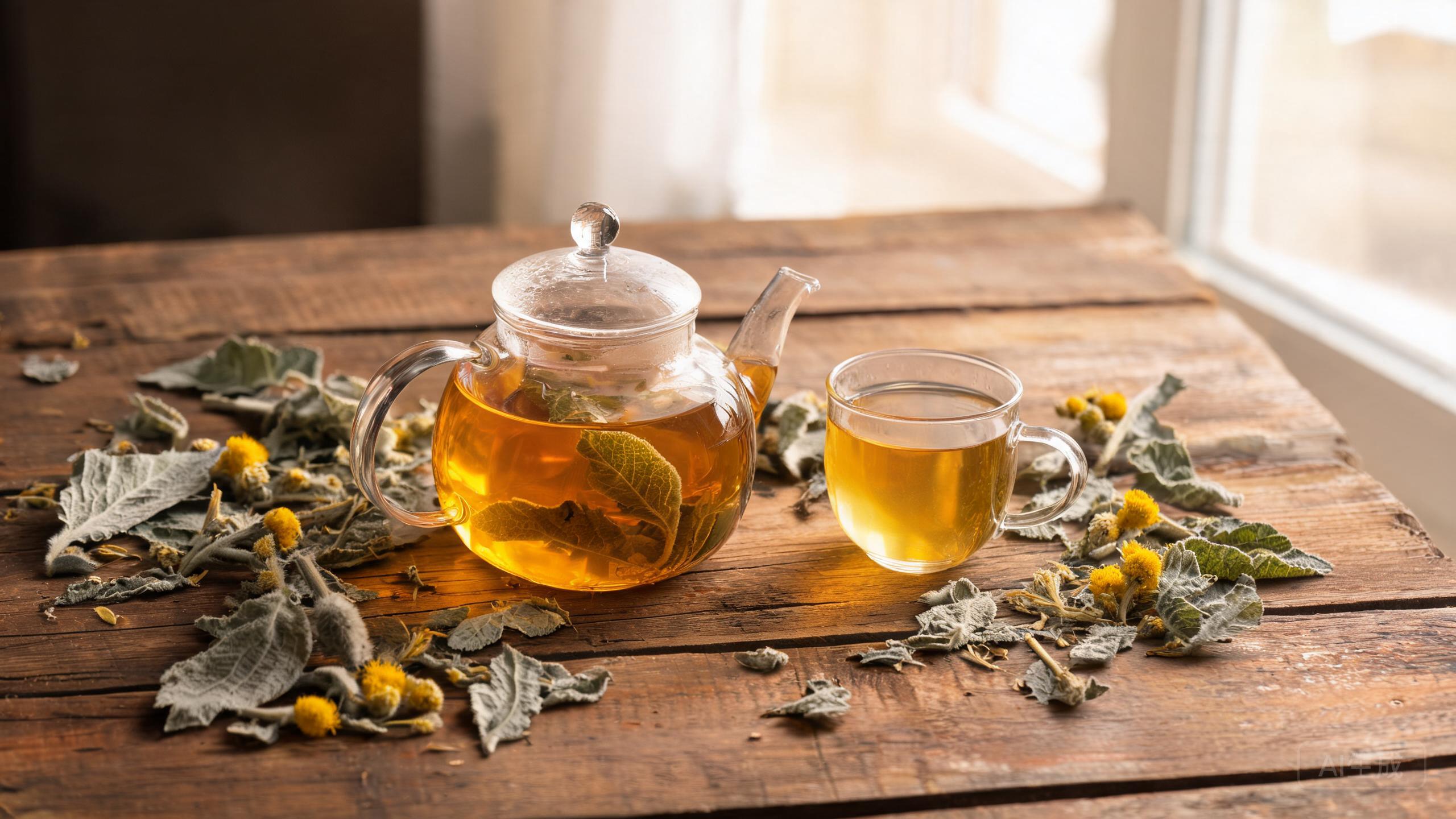
Mullein tea is the old-world respiratory herb that has become one of the fastest-growing wellness teas in America — a pale, honey-gold brew made from the fuzzy leaves and yellow flowers of the mullein plant, sipped for centuries during cough-and-cold season. It grows wild on roadsides across three continents, costs almost nothing dried, and every winter its search traffic spikes as people reach for the herbal classics.
This guide covers what mullein tea is, what it's traditionally used for, the one brewing step everyone gets wrong (straining), how to make it properly, where to buy leaves you can trust, and the glass teapots that make this gentle herb easy.
What Is Mullein Tea?
Mullein (Verbascum thapsus) is a tall, velvety-leaved plant with a spike of yellow flowers that grows in disturbed soil pretty much everywhere — Europe, Asia, North Africa, and across North America, where it flourished after colonial introduction. The tea is an infusion of its dried leaves or flowers: pale green-gold in the cup, with a mild, faintly sweet, green-herbal taste that most people describe as pleasant and neutral.
Its pedigree is genuinely deep. Traditional European herbalism, Native American medicine, and Appalachian folk practice all documented mullein as a respiratory-season herb — the leaf smoked, steeped, or steamed, and the flowers infused in oil for ear comfort. Today it's a staple of herbal apothecaries, usually sold as loose dried leaf or in respiratory-blend teas.
Mullein Tea Benefits: The Honest Version
Mullein is a traditional remedy, and the honest framing matters: most of its reputation comes from centuries of herbal use rather than large clinical trials. Here's what that tradition and the available research actually say:
- The classic respiratory-season herb. Mullein's best-known traditional role is winter throat and chest comfort. The leaves contain soothing mucilage (a slippery plant compound) plus saponins, the same class of compounds that give cold-season classics like licorice root their character.
- Soothing for scratchy throats. The mucilage in a warm mullein infusion gently coats the throat — which is why it's so often blended with honey, marshmallow root, or licorice in herbal cough teas. This is the felt, immediate effect most drinkers notice.
- Mild calming bitter. In folk use, mullein is also considered a gentle relaxant for the evening — caffeine-free, so nothing stands between you and sleep.
- Traditional topical lineage. Mullein flower oil remains a classic herbal ear-drop base — a separate preparation from the tea, but a sign of how versatile this plant has been.
Three cautions: mullein tea is a comfort herb, not a treatment for asthma, infections, or any lung condition — see a doctor for anything persistent. The seeds of some Verbascum species are considered toxic, so use properly prepared leaf and flower from a reputable herb supplier rather than random wild harvest. And if you're pregnant, nursing, or on medication, check with your provider before adding any new herbal tea.
The One Rule: Strain Mullein Tea Very Well
Mullein leaves are covered in fine, bristly hairs — the plant's natural defense. If those hairs end up in your cup, they can tickle and irritate the very throat you're trying to soothe. This is the single most important mullein tea fact:
Always strain mullein tea through something finer than a standard teapot strainer. A paper coffee filter, a double layer of cheesecloth, or a fine muslin bag works. A deep stainless infuser basket catches most of the leaf, but a final fine strain is the traditional safeguard. Brew it right, and the tea is famously smooth; brew it lazily, and you'll understand why some first-timers never come back.
Pro move: use a teapot with a deep, removable infuser basket, then pour the finished tea through the basket a second time. Two passes catch virtually every hair, and you never have to deal with filters or cloth.
How to Make Mullein Tea
Classic Mullein Leaf Tea (1–2 cups)
- 1–2 teaspoons dried mullein leaf
- 8–16 oz (240–480 ml) water just off the boil (~200°F)
- Optional: raw honey, or a lemon slice
Method: place the dried leaf in an infuser basket or directly in the pot, pour hot water over, cover, and steep 10–15 minutes — mullein is a patient herb and a longer steep pulls out the soothing mucilage without turning bitter. Strain finely, sweeten with honey, and sip warm. Two cups a day is the traditional winter routine.
Winter Respiratory Blend (2 cups)
- 1 tsp dried mullein leaf
- 1 tsp dried marshmallow root (or ½ tsp licorice root)
- ½ tsp dried chamomile or thyme
- 16 oz (480 ml) hot water, honey to taste
Method: steep the blend 12–15 minutes covered, then strain well. This is the classic herbal-apothecary combination for scratchy-throat season — mullein for the throat, marshmallow for slip, chamomile to make it an evening cup.
Mullein Flower Tea (1 cup)
- 1–2 teaspoons dried mullein flowers
- 8 oz (240 ml) hot water
- Honey
Method: the flowers make a sweeter, more golden, slightly honey-scented cup than the leaf. Steep 8–10 minutes and strain finely. The flowers are also the part traditionally infused into oil — the tea is the gentle everyday version.
Where to Get Mullein Leaves (and Why It Matters)
Mullein grows along roadsides and vacant lots across most of North America, and the foraging temptation is real — the plant is unmistakable, with its tall flower spike and felt-like leaves. But roadside plants accumulate what roads shed, so traditional foraging guidance is to harvest only from clean fields well away from traffic, and never the first-year rosettes in uncertain locations.
For most people, buying organic dried mullein leaf from a reputable herb supplier is the practical route — it's inexpensive, properly identified, and pre-cut for tea. Store it airtight, away from light, and it keeps its character for about a year.
| Mullein Leaf Tea | Mullein Flower Tea | |
|---|---|---|
| Color | Pale green-gold | Deeper gold, honeyed |
| Taste | Mild, green, faintly sweet | Sweeter, more aromatic |
| Traditional role | The daily winter cup | Finer evening cup; flowers also used in oil |
| Price | Very affordable | A bit more (flowers are hand-gathered) |
Why Glass Suits Mullein Tea
Mullein tea is a slow-steeped, pale, almost luminous brew — the kind of infusion you want to watch clarify as it steeps. Borosilicate glass shows that pale gold honestly and, more practically, never holds onto herbal residue between pots. The stovetop-safe glass teapots even let you keep a respiratory-blend pot gently warm through a raw evening, and a deep infuser basket is genuinely the easiest way to handle mullein's straining requirement — one lift-out, one pour-through, no cloth filters.

40oz Glass Teapot with Infuser
Made for the straining rule: the deep removable infuser basket catches the fuzzy leaf, then the spout's fine filter strains the pour — two passes, no cloth, no paper. Heat-safe borosilicate handles a long covered steep at full temperature.
Buy Now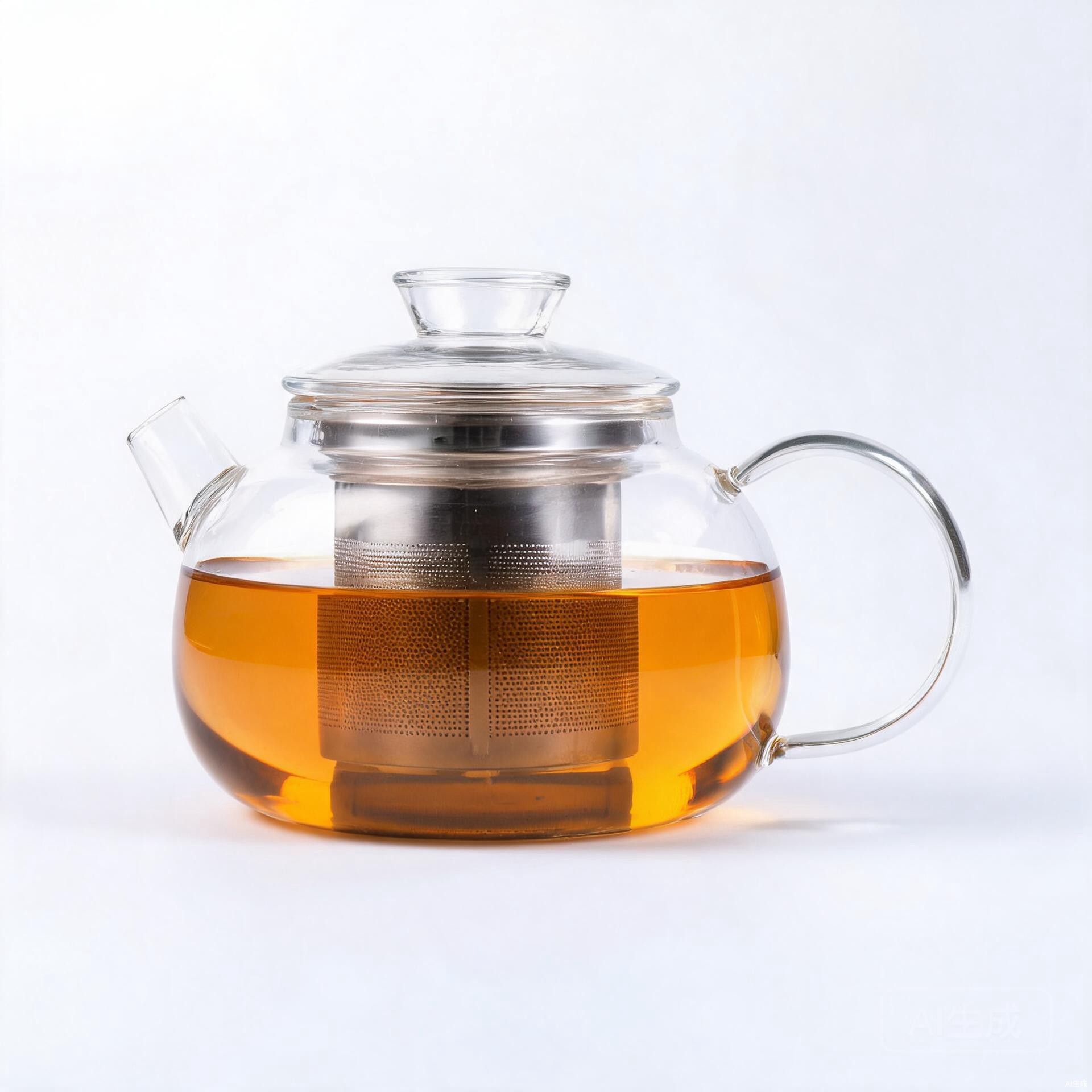
MESNEY 61oz Large Glass Teapot with Infuser
1.8L of respiratory-blend tea for the whole scratchy-throat week — brew the full batch, keep it warm, refill your cup all evening.
Buy Now
17oz Double Walled Glass Coffee Mug
Mullein is a slow-sipping evening tea, and the double wall keeps the honeyed gold warm to the last, calm sip — caffeine-free, so it won't touch your sleep.
Buy NowFrequently Asked Questions
What does mullein tea taste like?
Mild, faintly sweet, and gently green-herbal — closer to a light chamomile than to anything bitter. The flower tea is sweeter and more honeyed than the leaf. If your cup tastes grassy or scratchy, the leaf wasn't strained finely enough.
Does mullein tea have caffeine?
No — mullein is entirely caffeine-free, which is exactly why it's a traditional evening and cold-season tea. Drink it as late as you like.
How much mullein tea can I drink a day?
Traditional use is 1–3 cups a day during winter weeks, made with 1–2 teaspoons of dried leaf per cup. As with any herbal tea, keep it moderate, take breaks between seasonal runs, and check with a doctor if you're pregnant, nursing, or on medication.
Is mullein tea good for a cough?
It's one of the classic traditional cough-season herbs — warm, honey-sweetened mullein tea is a time-honored way to soothe a scratchy throat. It's comfort, not medicine: a cough that persists or comes with fever needs a doctor, not a teapot.
Can I harvest mullein myself?
The plant is easy to identify, but only harvest from clean fields far from roads, and never gather where spraying or pollution is possible. Most people are better served by inexpensive organic dried leaf from a reputable herb shop — properly identified and cut for tea.
Mullein tea or mullein capsules — which is better?
They serve different moods. The warm tea delivers the soothing throat effect the herb is famous for, along with hydration; capsules standardize a dose. Traditional herbalists lean tea for exactly the reason people started drinking it centuries ago: warmth is part of the medicine.
The Bottom Line
Mullein tea is herbalism at its most approachable: a cheap, gentle, caffeine-free traditional herb with one non-negotiable rule — strain it finely — and one perfect season: now. Buy good dried leaf, steep it long and covered, sweeten with honey, and let the pale gold cup do what it has done for generations of winter evenings.
Brew it in a MESNEY borosilicate glass teapot with a deep infuser basket: the straining problem solves itself, the long steep stays hot, and the pale winter liquor glows exactly the way it should.
As an Amazon Associate, MESNEY earns from qualifying purchases. Prices and availability are subject to change.