Mushroom Coffee: The Complete Guide to the Functional Coffee Trend
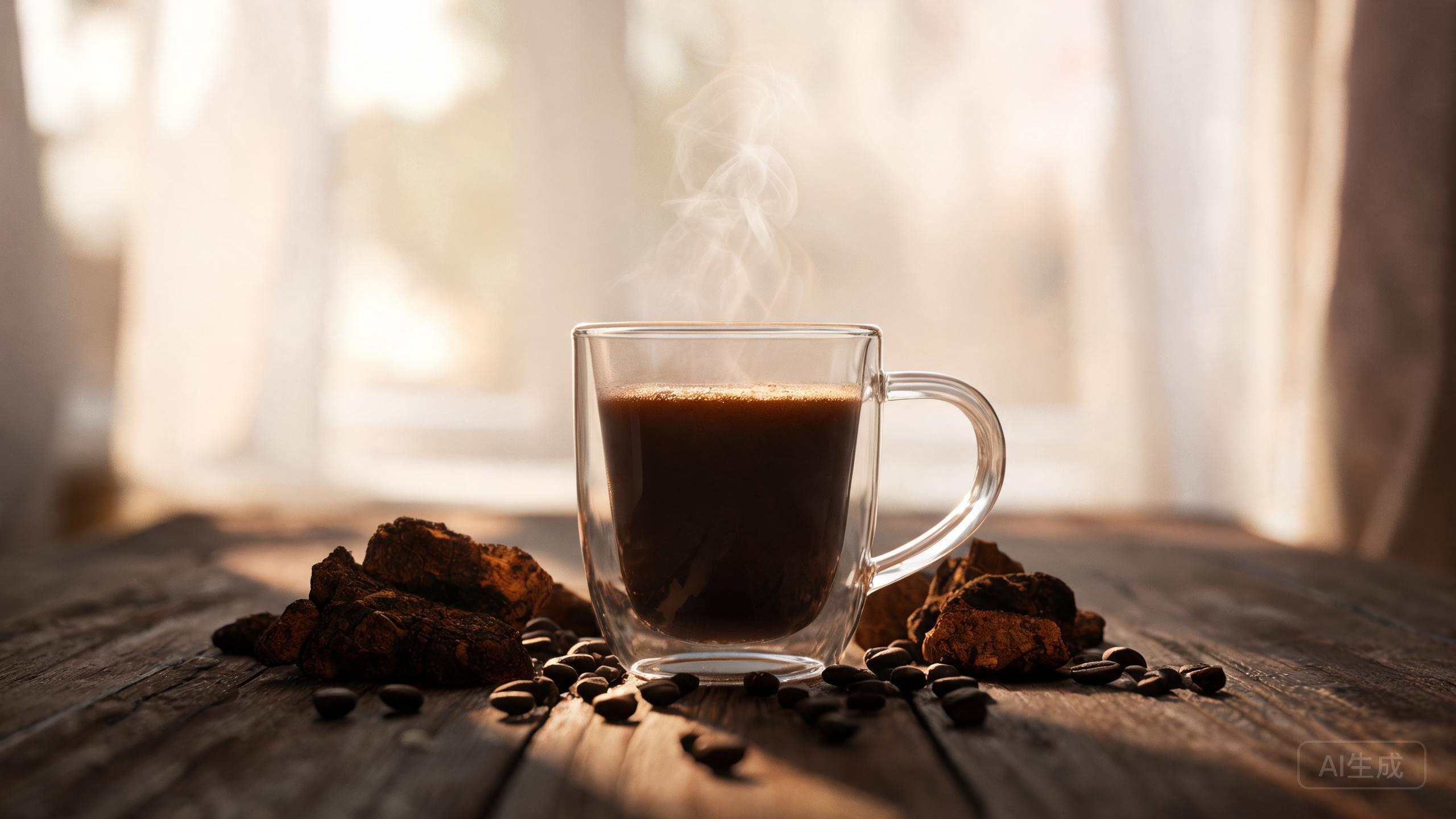
Mushroom coffee is regular ground coffee blended with extracts from functional mushrooms — usually lion's mane, chaga, reishi, or cordyceps — and it has quietly become one of the biggest coffee trends of the decade. The promise is simple: most of the caffeine and all of the coffee flavor, with adaptogenic compounds that traditional medicine systems have used for centuries, and (reportedly) none of the jittery crash.
This guide covers what mushroom coffee actually is, what each of the four star mushrooms is traditionally used for, which claimed benefits are supported and which are marketing, how to brew it at home so it actually tastes good, and the glassware that makes the whole ritual better. No brand names, no hype — just what you need to decide whether it belongs in your morning.
What Is Mushroom Coffee, Exactly?
Despite the name, mushroom coffee is not coffee made from mushrooms, and it does not taste like a portobello. It's typically one of two things:
- A ground blend: roughly 50% coffee and 50% mushroom extract powder, brewed exactly like regular coffee — pour-over, French press, or drip.
- An instant powder: spray-dried coffee and mushroom extract that dissolves in hot water, often with added creamer or sweetener.
The mushrooms used are functional mushrooms — the woody, medicinal kind used in Traditional Chinese Medicine and European folk herbalism for centuries — not the culinary button mushrooms from the produce aisle. They're grown, dried, and processed into a fine extract powder that mixes invisibly into coffee. What you taste is mostly coffee with a slightly earthier, nuttier undertone.
The trend has serious momentum: US searches for mushroom coffee have grown roughly tenfold over the past five years, and it has become one of the most-searched coffee terms of 2026. Which raises the obvious next question — do the mushrooms actually do anything?
The Big Four: Lion's Mane, Chaga, Reishi, Cordyceps
| Mushroom | Traditionally used for | Known for |
|---|---|---|
| Lion's mane | Cognitive support in Traditional Chinese Medicine | The "focus" mushroom — the one most blends build around for work-morning coffee |
| Chaga | Traditional Eastern European and Russian folk tonic | Dark, antioxidant-rich, mild flavor — the easiest entry point |
| Reishi | Calming "herb of spirituality" in Chinese herbalism | The evening pick — often blended into afternoon decaf cups |
| Cordyceps | Endurance and vitality in Tibetan and Chinese traditions | The "energy" mushroom favored before workouts |
Most mushroom coffees use one or two of these; a few use all four. If you're choosing a blend, this table is the shortcut: focus → lion's mane, afternoon calm → reishi, workout → cordyceps, all-purpose → chaga.
Mushroom Coffee Benefits: What's Real and What's Hype
Honest version first: human clinical research on mushroom coffee itself is still early, and anyone promising miracle-level results is selling you something. That said, there are genuine reasons people stick with it:
- Roughly half the caffeine, with no mid-morning crash. Because blends cut the coffee with mushroom extract, you typically get 40–70mg of caffeine per cup instead of 95–140mg. Many switchers report steadier energy — plausibly from the lower dose rather than any mushroom magic.
- Adaptogenic tradition. Functional mushrooms are classic adaptogens — herbs traditionally used to help the body respond to stress. Lion's mane in particular is the subject of ongoing research on nerve growth factors, though most studies so far are small or preclinical.
- Antioxidant density. Chaga and reishi are among the most antioxidant-dense fungi measured, packed with melanin and polyphenol compounds. Coffee itself is already a top antioxidant source in the Western diet, so this is a genuinely synergistic pairing.
- Gut-friendlier coffee. Many people who find straight coffee harsh on an empty stomach tolerate mushroom coffee better — again, largely a function of the lower caffeine load.
Cautions: mushroom coffee still contains caffeine (unless labeled decaf), so it's not for late evenings. If you take blood thinners, diabetes medication, or immunosuppressants, check with your doctor first — several functional mushrooms interact with these pathways. Wild-harvested chaga is high in oxalates, so people prone to kidney stones should moderate it. And "adaptogen" is a tradition-based term, not a medical one.
Mushroom Coffee vs Regular Coffee
| Mushroom Coffee | Regular Coffee | |
|---|---|---|
| Caffeine per cup | ~40–70mg | ~95–140mg |
| Taste | Earthy, nutty, slightly smoother | Brighter, more acidic, roast-dependent |
| Jitters & crash | Reported much less | Common above 2–3 cups |
| Traditional use | Adaptogenic ritual, focus without over-stimulation | Pure morning fuel |
| Price | Higher — extracts are costly | Cheapest option |
The practical takeaway: mushroom coffee isn't a replacement for people who love the full-strength ritual of specialty coffee. It's for the person who wants to drink coffee all day but shouldn't.
How to Make Mushroom Coffee at Home
Method 1: Ground Blend, Pour-Over or French Press (1 cup)
- 2 tablespoons mushroom coffee ground blend
- 8 oz (240 ml) water at 200°F / 93°C
- Optional: a pinch of cinnamon or cacao
Brew: exactly as you would regular coffee — bloom the grounds for 30 seconds, pour in slow circles, and finish in about 3 minutes. The mushroom powder extracts at the same rate as coffee, so there's nothing special to do. Serve in a pre-warmed glass mug.
Method 2: DIY Blend with Extract Powder (1 cup)
- 1½–2 tablespoons your favorite ground coffee
- ½–1 teaspoon functional mushroom extract powder (lion's mane, chaga, or a blend)
- 8 oz (240 ml) hot water
Brew: brew the coffee however you normally do, then whisk the extract powder into the hot cup until fully dissolved. This route lets you control the ratio — and use the good coffee you already own.
Method 3: Mushroom Coffee Latte (1 cup)
- 1 cup brewed mushroom coffee
- ¼ cup steamed or frothed milk (oat works beautifully)
- 1 tsp honey or maple syrup, pinch of cinnamon
Assemble: sweeten the hot coffee, pour into a tall double-wall glass, and float the frothed milk over the back of a spoon. The earthy-creamy balance is the best possible introduction to the category — most people who "don't like mushroom coffee" like this.
The freshness rule: mushroom extract powders fade with heat and time. Buy small quantities, store them airtight and away from sunlight, and never add the powder to boiling-hot milk on the stove for long simmers — stir it in off the heat instead.
What Does Mushroom Coffee Taste Like?
Good mushroom coffee tastes like a smoother, earthier version of coffee — think a medium-dark roast with a nutty, almost cacao-like depth and slightly less acidity. Chaga adds a hint of vanilla and birch; lion's mane is nearly neutral; reishi trends bitter, which is why it usually appears in smaller amounts. The first sip never tastes like mushrooms; the aftertaste is where you notice a gentle forest-floor earthiness that most people come to enjoy within a week.
Why Glass Suits the Mushroom Coffee Ritual
Mushroom coffee is a slower drink — lower caffeine, meant to be sipped rather than gulped, and often taken with steamed milk. A double-wall glass mug keeps a 40–70mg cup warm for the full half hour of a proper morning pause while staying cool in your hands, and the two-layer wall shows off the crema-colored gradient of a latte better than ceramic ever could. For the pour-over crowd, a borosilicate glass serving pot does the same for the brew itself: you can see the exact color that tells you the ratio is right.

17oz Double Walled Glass Coffee Mug
Made for the low-caffeine long sip: the double wall holds heat for the full slow morning without burning your hands, and the clear glass shows the layered latte gradient of a mushroom coffee with steamed milk.
Buy Now
40oz Glass Teapot with Infuser
Brew a full pot of pour-over mushroom coffee and watch the color through borosilicate glass — the honest gauge for whether your ratio is right.
Buy Now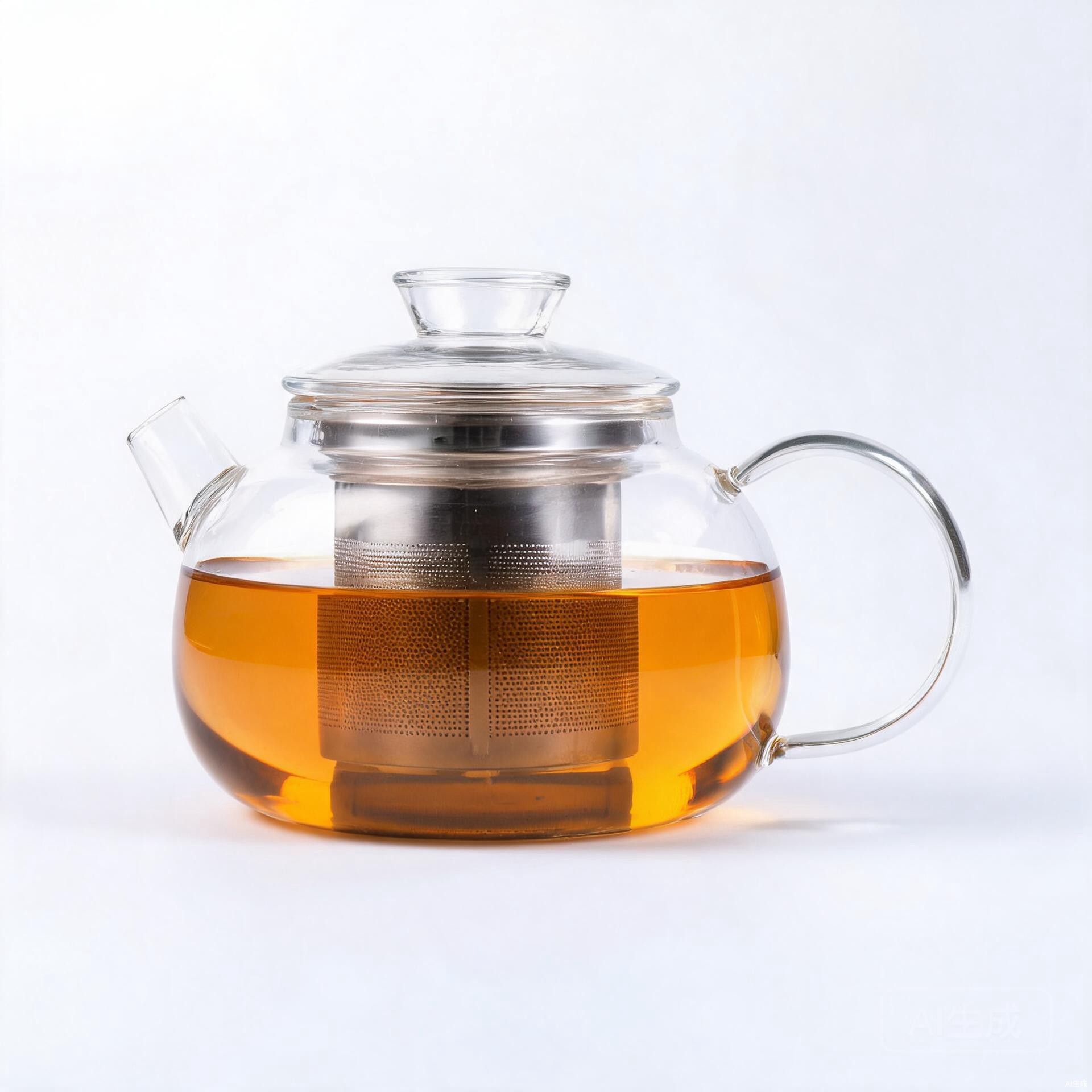
MESNEY 61oz Large Glass Teapot with Infuser
1.8L keeps the whole slow morning covered — brew once, refill your double-wall mug twice, and still have a warm cup left for the drive to clear-headed.
Buy NowFrequently Asked Questions
Does mushroom coffee taste like mushrooms?
No — it tastes like a slightly smoother, earthier coffee. The extracts are mostly flavor-neutral or nutty; only reishi adds noticeable bitterness, and quality blends balance it. Most people can't pick it out in a blind taste test against the same roast.
Does mushroom coffee have caffeine?
Yes — typically 40–70mg per cup, about half of regular coffee, because the coffee is cut with caffeine-free mushroom extract. Decaf mushroom coffee exists for people who want the ritual with almost none.
Can you drink mushroom coffee every day?
For most people, yes — daily use is exactly how it's designed, and adaptogens are traditionally taken consistently. The usual coffee limits apply to caffeine, and anyone on blood thinners, diabetes, or immune medication should check with a doctor first.
Is mushroom coffee good for focus?
Lion's mane is the "focus" mushroom, with ongoing research into cognitive support — but results so far are early and modest. The steadier, lower-caffeine energy is the benefit you can count on day one; treat the nootropic claims as promising rather than proven.
Mushroom coffee or mushroom tea — what's the difference?
Same extracts, different base. Mushroom tea (often chaga or reishi steeped alone) is caffeine-free and purely herbal; mushroom coffee keeps the flavor and ritual of coffee with half the caffeine. Coffee for morning, tea for evening is the natural split.
Why is mushroom coffee so expensive?
Functional mushroom extracts require dual-extraction processing and a lot of raw material — a single pound of chaga yields only a small amount of powder. The good news: you can stretch it by blending extract powder into your own favorite coffee at home.
The Bottom Line
Mushroom coffee is the rare trend with a sensible core: half the caffeine, a steadier morning, real antioxidant value, and a centuries-old herbal tradition behind the ingredients — as long as you ignore the miracle marketing. Brew it like the coffee it is, take the latte route if the earthiness puts you off at first, and give it a week.
Pour it into a MESNEY double-wall glass mug, and the low-caffeine ritual gets its proper vessel: warm for the whole slow sip, cool in your hands, and honest about the exact shade of your brew.
As an Amazon Associate, MESNEY earns from qualifying purchases. Prices and availability are subject to change.