Nettle Tea: The Complete Guide to the Deep Green Mineral Cup
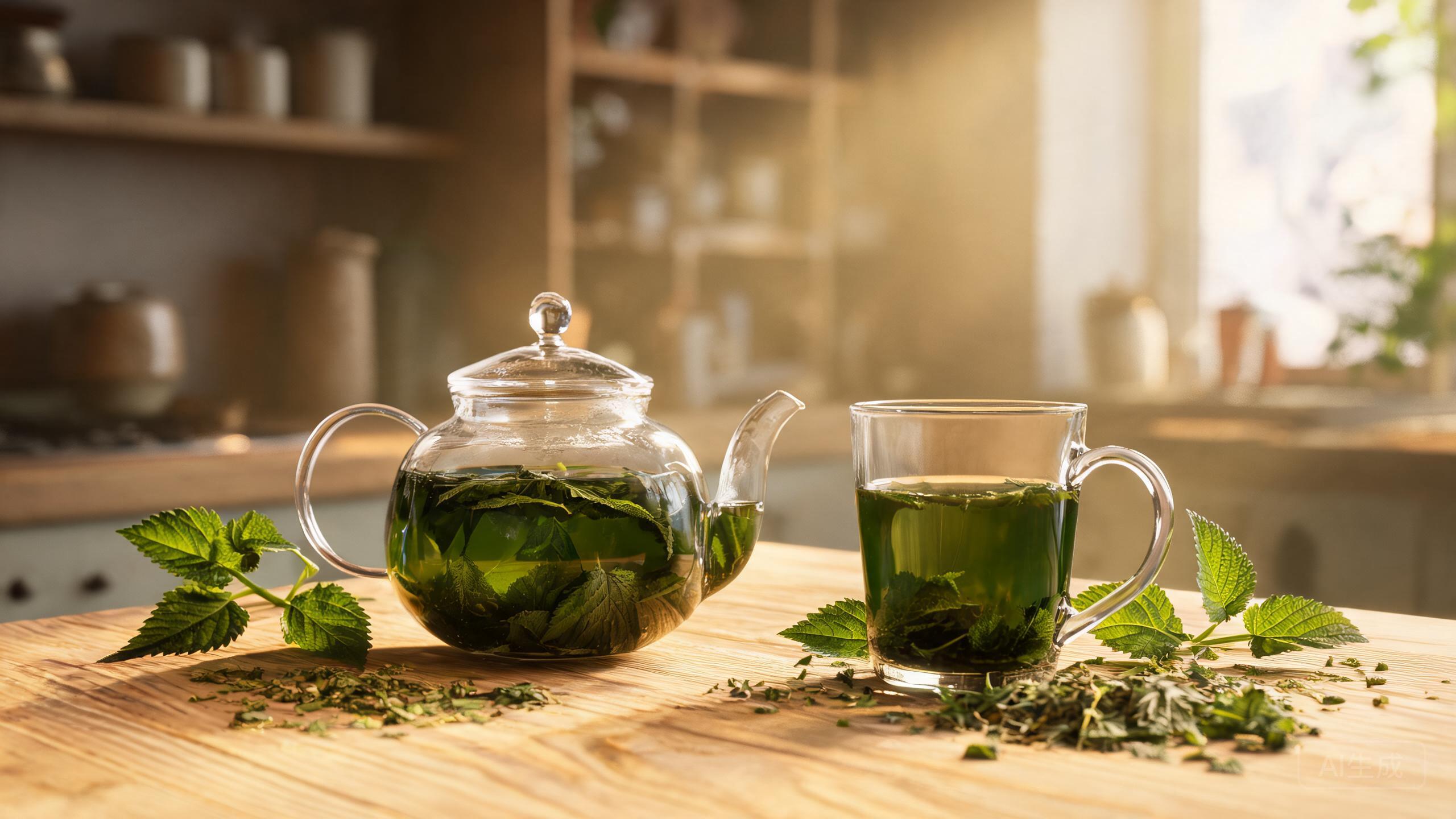
Stinging nettle is the plant you avoid on hiking trails — and then buy as tea on purpose. The same hairs that sting fresh leaves are neutralized completely by drying and hot water, leaving behind one of the most mineral-rich herbal teas in the world: deep forest-green, earthy, grassy like a hayfield in summer, and quietly famous for allergy season.
This guide covers what nettle tea actually does (allergies, inflammation, iron, urinary health), the interesting root-vs-leaf difference, how to brew it safely, the blends worth trying, and the glass teapots that show off that remarkable color.
Nettle Tea Benefits: What the Research Shows
Nettle (Urtica dioica) has been a European medicinal plant since antiquity. It's one of the few herbs where modern studies have kept pace with tradition:
- Seasonal allergy support. This is nettle's most famous modern use. Test-tube research found nettle leaf interferes with the histamine cascade — the process that makes your eyes water in spring. Many allergy sufferers start a daily cup of nettle tea a few weeks before pollen season, and human research on freeze-dried nettle for hay fever symptoms has shown promise.
- Inflammation and joint comfort. Nettle is one of the better-studied herbs for joint pain — topical nettle leaf has a long folk history, and oral nettle (often as tea or extract) is used across Europe alongside standard care for osteoarthritis discomfort.
- Iron and minerals. Nettle leaves are naturally rich in iron, calcium, magnesium, and potassium — you won't fix anemia with tea alone, but as a daily caffeine-free drink, it's one of the most mineral-dense options there is.
- Urinary tract health. Nettle root in particular has solid European research for supporting normal urinary flow in older men (benign prostate enlargement symptoms). Leaf tea is a gentle diuretic traditionally used for urinary tract flushing.
- Skin and hair. The silica and mineral content made nettle a traditional "blood purifier" for skin — modern framing: antioxidant and anti-inflammatory compounds that support skin from the inside.
Three cautions: avoid medicinal amounts of nettle during pregnancy — it may stimulate uterine activity. Because nettle is rich in vitamin K, check with your doctor if you take blood thinners. And its diuretic effect means you should pair it with plenty of plain water and skip it if you have advanced kidney disease.
Nettle Leaf vs Nettle Root: They Do Different Jobs
| Nettle Leaf Tea | Nettle Root Tea | |
|---|---|---|
| Flavor | Grassy, earthy, green — like a rich vegetable broth | Earthy, woody, more astringent |
| Best for | Allergies, minerals, skin, everyday wellness | Urinary flow and prostate support (older men) |
| Research strength | Good for allergies and inflammation | Strongest — several European clinical trials |
| Brew | Steep 10 min | Steep 10–15 min or gentle simmer |
| Caffeine | None | None |
When people say "nettle tea," they almost always mean the leaf — that's the allergy-season, mineral-rich green cup. Root tea is a more specialized purchase aimed at urinary health.
How to Make Nettle Tea (Yes, It's Safe)
First, the safety question everyone asks: dried nettle cannot sting you. The stinging hairs (trichomes) are destroyed by drying and by hot water. Every bag of dried nettle leaf you buy is completely sting-free — this is not a "handle with gloves at home" situation once the leaves are dried.
Classic Nettle Leaf Tea (1 cup)
- 1–2 tablespoons dried nettle leaf (loose leaf extracts far better than dust-fine cut)
- 8 oz (240 ml) water just off the boil
- Optional: lemon and honey — nettle loves both
Method: Place the leaf in a glass teapot with infuser, pour hot water over, cover, and steep a full 10 minutes. Nettle is dense and needs more time than delicate teas to release its minerals and deep green color. The finished liquor should look like the color of a forest pond — opaque, rich green-gold. Strain and drink.
Steep longer, not hotter. Nettle's minerals and compounds extract slowly — a 15-minute steep makes a noticeably richer, more brothy cup than 5 minutes, with no bitterness penalty. Cover the pot while it steeps to keep the volatile aromatics in the cup.
5 Nettle Tea Combinations Worth Brewing
- Allergy-season blend: nettle + peppermint + a slice of local-season fruit — the classic spring hay fever pairing, cooling and clearing.
- Nettle and raspberry leaf: the mineral powerhouse duo, earthy and rounded — a traditional women's wellness combination (outside pregnancy, where nettle in large amounts is debated).
- Nettle and ginger: warming, circulation-friendly, and the ginger lifts nettle's grassy edge for newcomers.
- Nettle and lemon verbena: bright citrus over the green broth base — the most crowd-pleasing introduction to nettle.
- Iced nettle tea: double the leaf, steep, chill overnight, serve over ice with lemon — a mineral-rich sports-drink alternative after summer workouts.
Does Nettle Tea Have Caffeine?
No — nettle tea is completely caffeine-free. It's an herbal infusion, not a true tea from the tea plant, so you can drink it morning, noon, or night without sleep consequences. Many people use it as their evening "green tea" — you get the green color and the antioxidant story with zero stimulation.
Troubleshooting
"It tastes like grass / pond water"
That's nettle being nettle — but you can civilize it. Add lemon (acidity brightens it dramatically), a spoon of honey, or blend with peppermint or chamomile. Also try a shorter steep at first, then work up as your palate adjusts. Most nettle drinkers come to love the brothiness within a week.
"My cup is pale yellow, not green"
Two likely causes: cheap nettle that's been over-dried and stored too long, or a too-short steep. Good dried nettle + a 10–15 minute covered steep produces that unmistakable deep green-gold. If the color is weak, increase leaf quantity before anything else.
"Can I forage fresh nettle myself?"
You can — with gloves, positive plant ID, and a clean harvesting area away from roads and farmland. Fresh leaves must be dried or blanched first to destroy the sting. For most people, a bag of quality dried organic nettle is the safer, easier route.
Why Glass Is the Right Home for Nettle Tea
Nettle tea is the most dramatic-looking herbal infusion there is — that deep green liquor is the whole show. A borosilicate glass teapot turns the long steep into something you can watch: the water shading from gold to green as the minerals release. Glass also holds zero residue between cups, which matters when you alternate nettle with delicate greens or florals.

40oz Glass Teapot with Infuser
Made for nettle's slow 10–15 minute steep: load the deep infuser basket with loose leaf, pour, cover, and watch the water turn forest-green through the borosilicate glass. About 4 cups per batch — enough for a morning and an evening cup.
Buy Now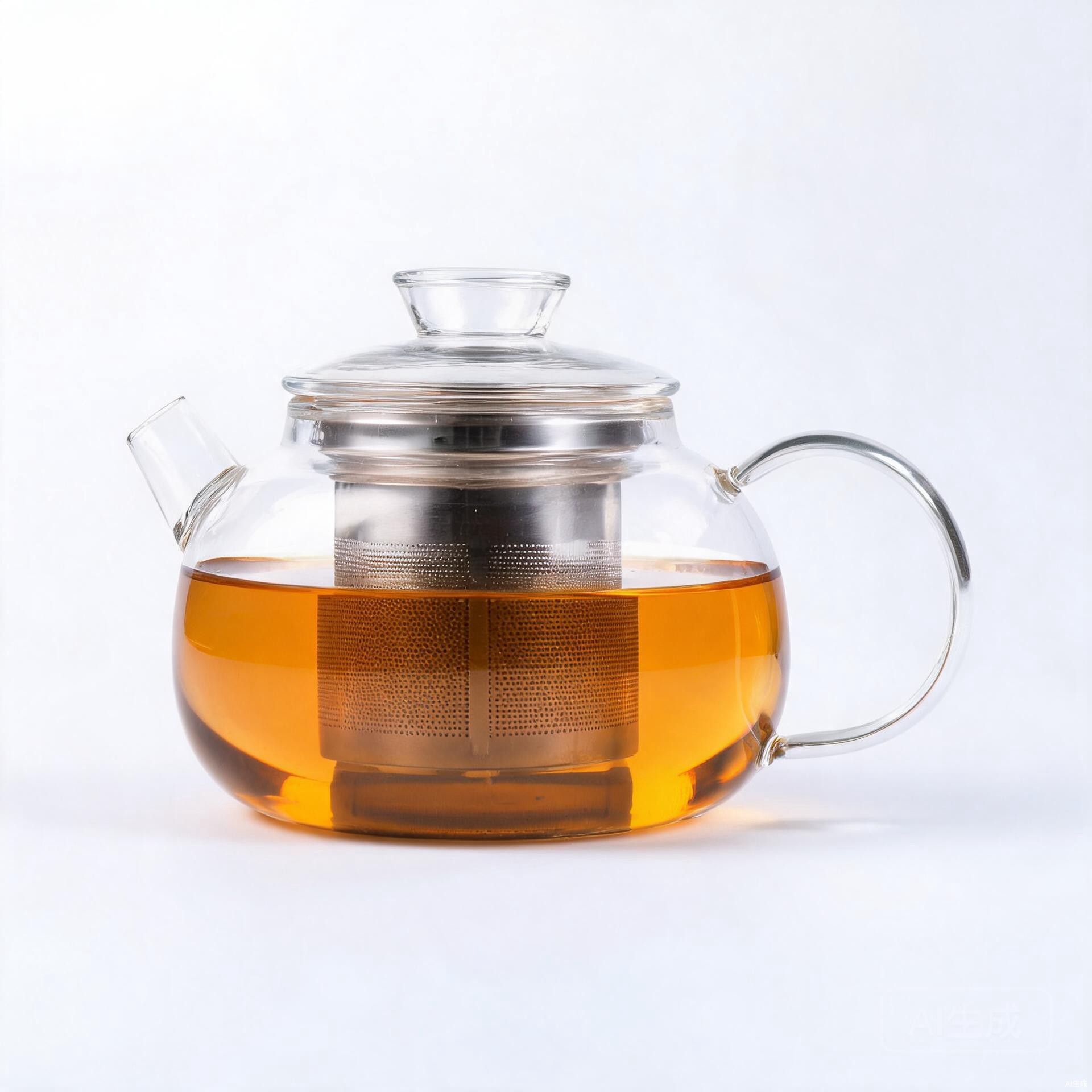
MESNEY 61oz Large Glass Teapot with Infuser
1.8L for allergy-season daily batches and iced nettle in summer. The deep basket holds a proper dose of dense nettle leaf.
Buy Now
17oz Double Walled Glass Coffee Mug
Double-wall glass shows off nettle's deep green color and keeps the cup warm through a slow mineral-rich sip.
Buy NowFrequently Asked Questions
What is nettle tea good for?
Its best-supported uses are seasonal allergy support, joint comfort, and everyday mineral intake (iron, calcium, magnesium). Nettle root specifically supports urinary flow in older men.
Does nettle tea really help with allergies?
It's one of the most popular natural hay fever supports, with research showing nettle interferes with the histamine response. Many drinkers start 2–4 weeks before pollen season and continue daily through it.
Can nettle tea sting me?
No. The stinging compounds are completely destroyed by drying and hot water. Dried nettle leaf is as safe to handle and drink as any dried herb.
How much nettle tea should I drink a day?
1–3 cups a day is the traditional range. Pair it with plenty of water, since nettle is mildly diuretic.
Is nettle tea high in iron?
Nettle leaves contain meaningful iron along with vitamin C (which aids absorption), but tea alone isn't a treatment for iron deficiency — think of it as a mineral-friendly daily habit, not a supplement.
Who should avoid nettle tea?
Pregnant women (medicinal amounts may stimulate the uterus), people on blood thinners (nettle's vitamin K content), and anyone with advanced kidney disease. Otherwise it's a very well-tolerated daily herb.
The Bottom Line
Nettle tea is the herbal world's quiet overachiever: mineral-dense, caffeine-free, genuinely researched for allergies and joint comfort, and — once you acquire the taste — comfortingly savory. Buy good loose leaf, give it a full covered 10-minute steep, add lemon at first, and drink it daily through allergy season.
Brew it in a MESNEY glass teapot: the long steep becomes theater as the liquor turns deep forest green, the infuser basket strains every last leaf, and the double-wall mug keeps that green cup warm to the finish.
As an Amazon Associate, MESNEY earns from qualifying purchases. Prices and availability are subject to change.