Oolong Tea: The Complete Guide to China's Semi-Fermented Tea
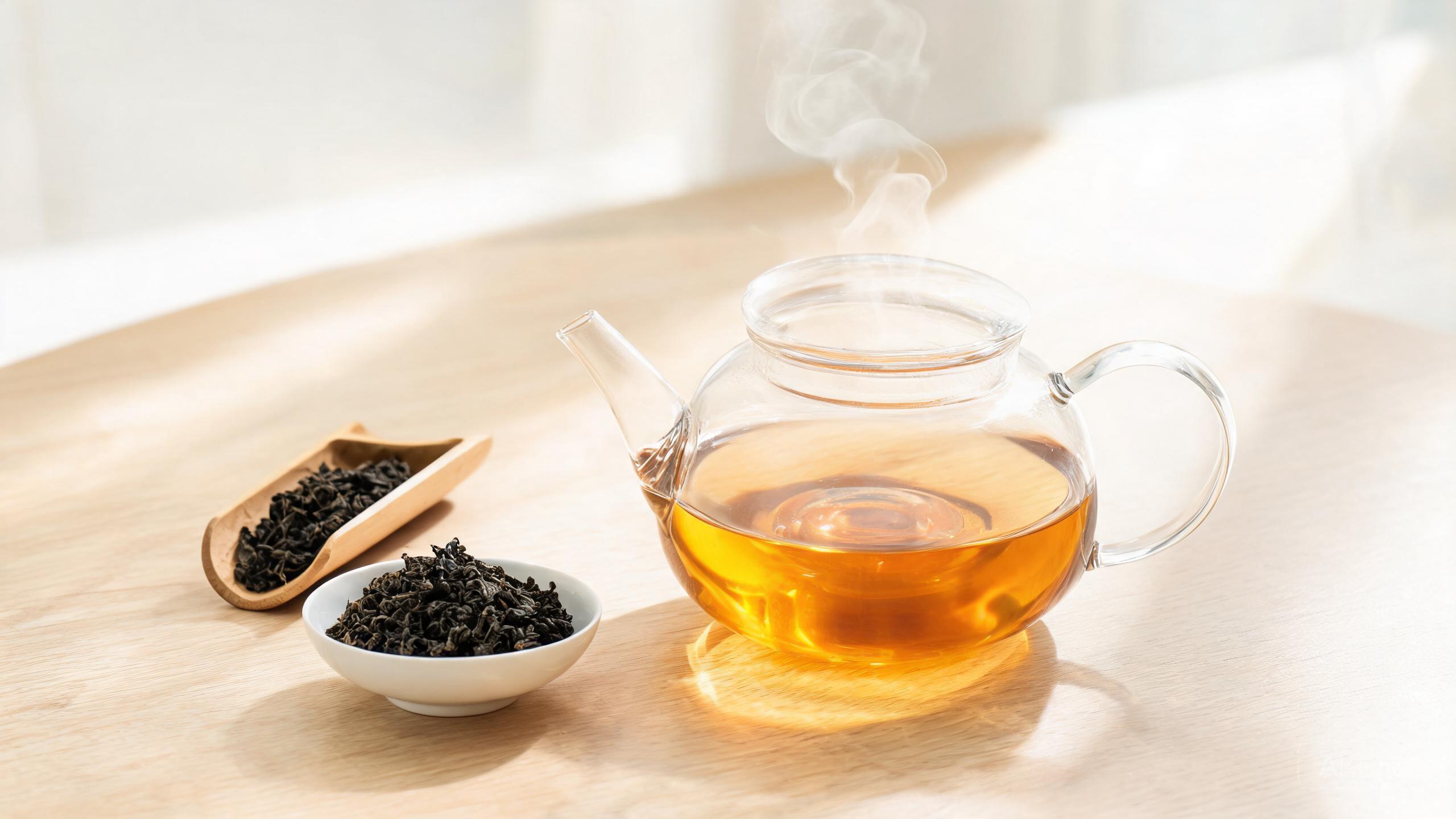
Oolong tea occupies the perfect middle ground of tea. Partway between green and black — lightly fermented or deeply roasted — it can taste like fresh flowers one day and rich honeyed toffee the next. And it's one of the tea world's best-kept secrets for sheer variety.
This guide covers what oolong tea is, the main types and flavor profiles, the health benefits, how to brew oolong tea at the right temperature and steeping time, how it compares to green and black tea, how much caffeine it has, and the glass teapot that best shows off those amber-to-jade infusions.
What Is Oolong Tea?
Oolong is a partially oxidized tea — the level of oxidation (anywhere from roughly 10% to 80%) is what makes it taste so different from one style to the next. Green tea is barely oxidized and stays fresh and vegetal; black tea is fully oxidized and turns dark and malty. Oolong sits in between, with a spectrum that flirts with both.
Most quality oolong comes from China (especially Fujian and Guangdong) and Taiwan. The leaves are often rolled into tight balls or long twisted strips that unfurl as they steep, making oolong one of the most rewarding teas to watch brew in a glass teapot.
Types of Oolong Tea: The Main Flavor Profiles
| Oolong style | Origin | Flavor profile |
|---|---|---|
| Green / floral oolong | Taiwan (e.g. high mountain oolong, Lishan, Alishan) | Delicate, creamy, floral with milky notes; low oxidation |
| Iron Goddess (Tieguanyin) | Anxi, Fujian | Smooth, sweet, orchid-like floral |
| Roasted / dark oolong | Wuyi, Fujian (e.g. Da Hong Pao) | Toasty, honeyed, mineral, "rock tea" minerality |
| Dan Cong (Phoenix) | Chaozhou, Guangdong | Bold, complex, fruity & honeyed single-varietal notes |
That single table explains why "oolong" spans so much: an unroasted Taiwanese oolong tastes nothing like a dark Wuyi rock tea, yet both are oolong. If you're new, start with a floral green oolong or a mellow roasted one and branch out.
Oolong Tea Health Benefits
Oolong is studied for a genuinely impressive list of potential benefits:
- Metabolism: the polyphenols in oolong have been linked to modest increases in fat burning and calorie expenditure. It's a popular tea for supporting weight management.
- Antioxidants: like green tea, oolong is rich in catechins and antioxidants that help combat oxidative stress.
- Heart & blood sugar: regular tea drinking is associated with better cardiovascular markers and steadier blood sugar response.
- Teeth & breath: tannins and fluoride in oolong may support oral health.
Keep it in perspective: oolong is healthy, but it's not a medicine. Caffeine means it's not ideal late at night, and any weight-loss effect is modest — the real win is that swapping a soda or a creamy latte for oolong cuts calories and adds antioxidants.
How to Brew Oolong Tea: Temperature & Time
Oolong is forgiving but rewards a little precision. Use about 1 teaspoon of loose leaves (or one heaped ball) per cup, and pick your water temperature by the style:
| Oolong style | Water temp | Steep time |
|---|---|---|
| Green / floral oolong | 175–185°F (80–85°C) | 2–3 min |
| Tieguanyin | 185–195°F (85–90°C) | 2–4 min |
| Roasted / dark oolong | 200°F (93°C), near boiling | 3–5 min |
The oolong secret — brew it more than once. Rolled oolong leaves are built for multiple infusions. Steep once, drink, then add fresh hot water and steep again; many oolongs get better on the 2nd and 3rd steep, and quality leaves can push 5+ infusions. This is the "gongfu" (skill) approach, and it's why oolong rewards a glass pot you can watch and reuse all afternoon.
Oolong vs Green vs Black Tea
| Oolong | Green tea | Black tea | |
|---|---|---|---|
| Oxidation | Partial (10–80%) | Almost none | Full |
| Flavor | Floral → toasty (huge range) | Fresh, vegetal, grassy | Malty, bold, brisk |
| Caffeine | Medium (25–50 mg) | Low-moderate (20–35 mg) | Higher (40–70 mg) |
| Best brewed in | Something clear to watch unfurl | Cooler water, short steep | Hot water, bolder cup |
In short, oolong is green tea's more complex cousin on the delicate side, and black tea's lighter, more aromatic cousin on the bold side. If green feels too grassy and black too astringent, oolong is often the sweet spot that clicks.
The Best Teapot for Oolong: Why Glass Works
Oolong is the most visual tea you can brew. Tightly rolled balls slowly unfurl into whole leaves, and the liquor turns from pale jade to deep amber as it oxidizes and roasts. A clear borosilicate glass teapot lets you see all of it — and its wide open mouth and heat-safe glass stand up to near-boiling water for roasted styles. The infuser keeps the leaves contained while you re-steep the same leaves again and again.

40oz Glass Teapot with Infuser
Made for oolong: the deep infuser holds rolled oolong leaves while the clear body shows every unfurling leaf and the amber liquor climbing from pale to deep. Re-steep the same leaves all afternoon.
Buy Now
17oz Double Walled Glass Coffee Mug
Drink your oolong from a double-wall glass mug — it holds the soothing warmth through a long session while the outside stays cool to the touch.
Buy Now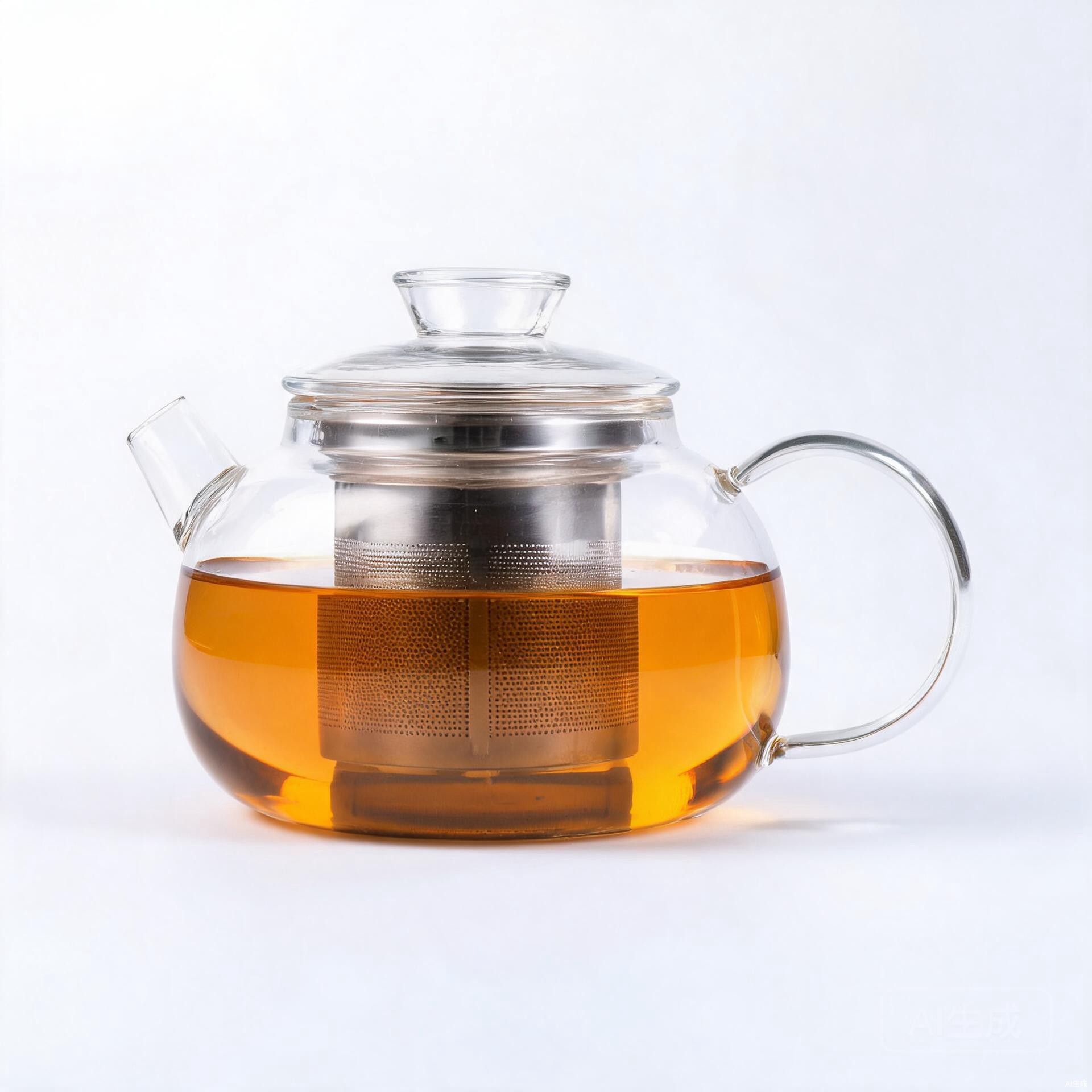
MESNEY 61oz Large Glass Teapot with Infuser
For sharing — the 1.8L pot lets everyone re-steep the same oolong leaves together, and the clear body turns the brewing into a table-centerpiece.
Buy NowFrequently Asked Questions
What does oolong tea taste like?
It depends on the style — floral and creamy for lightly oxidized oolong, toasty, honeyed, and mineral for deeply roasted oolong. It's the tea with the widest flavor range.
Does oolong tea have caffeine?
Yes, medium — about 25–50 mg per cup, less than black tea or coffee but more than most herbal teas. Avoid late at night.
Is oolong tea green or black tea?
Neither — it's its own category, partially oxidized between green and black. That's what gives it the huge flavor range.
How many times can you steep oolong tea?
Quality rolled oolong can be re-steeped 3–5 times or more, often improving through the first few infusions.
Can you drink oolong tea for weight loss?
Oolong's polyphenols have been linked to modest increases in metabolism, but it's not a magic weight-loss drink. It's a great low-calorie ritual that helps you swap out sugary drinks.
The Bottom Line
Oolong tea is the connoisseur's rabbit hole in the best way — one leaf, endless flavor, and a meditative multiple-steep ritual. Start with a floral oolong to see what the fuss is about, and let the leaves unfurl their way through a whole afternoon in a clear glass teapot.
Brew it in a MESNEY glass teapot with infuser and sip from a double-wall glass mug: the unfurling leaves and shifting amber are half the pleasure of oolong, and glass shows every bit of it.
As an Amazon Associate, MESNEY earns from qualifying purchases. Prices and availability are subject to change.