Oregano Tea: The Complete Guide to the Savory Herb Cup

Oregano tea is the savory herb infusion that quietly outranks most "wellness teas" on traditional use — a golden, peppery brew made from the same Mediterranean herb that lives in your spice rack, and one of the highest-antioxidant herbs measured by weight. It is strong, distinctly savory, and best treated as a small, deliberate cup rather than an all-day sipper.
This guide covers what oregano tea is traditionally used for, the crucial difference between fresh and dried oregano, how to brew it so it is drinkable rather than punishing, the strength rules almost every first-timer gets wrong, and the glassware that suits a savory herbal infusion.
What Is Oregano Tea?
Oregano tea is an herbal infusion of Origanum vulgare — the same plant whose dried leaves season pizza and roasted vegetables — steeped in hot water. Greek and Turkish oregano (the most aromatic varieties) are considered the best for tea. The drink is caffeine-free and intensely flavorful: peppery, slightly bitter, faintly minty, with a resinous herbal aroma that fills a room as soon as the water hits the leaves.
It has a genuinely long pedigree in Mediterranean folk practice, where oregano was used as a digestive herb after heavy meals and as a cold-season remedy — the same role thyme, sage, and rosemary played in neighboring kitchens. Modern interest in oregano revolves around two compounds: carvacrol and thymol, both of which have been studied for antimicrobial activity.
Oregano Tea Benefits: Traditional Use and Honest Framing
- Digestive comfort. This is oregano's most enduring traditional role — a cup after a rich or heavy meal to settle the stomach. It is the reason oregano tea remains a standard after-dinner drink across the eastern Mediterranean.
- Cold-season support. Oregano contains carvacrol and thymol, the same class of aromatic compounds found in thyme. Traditional practice used a warm oregano infusion for throat and chest comfort during winter.
- High antioxidant density. Oregano consistently ranks among the most antioxidant-rich culinary herbs when measured by weight, largely due to its polyphenol content.
- Caffeine-free. Like all pure herb infusions, oregano tea contains no stimulant, so it fits any hour.
- Zero calories, no sugar. A genuinely low-calorie flavor-forward hot drink for people who find plain water dull in winter.
Cautions: oregano tea is potent and should stay a small cup — one, at most two, per day. Large or concentrated doses are traditionally avoided during pregnancy, and oregano may interact with blood-thinning and diabetes medication. Oregano oil is a highly concentrated extract and must never be taken internally as a substitute for the tea. If you are pregnant, nursing, on medication, or managing a chronic condition, ask a clinician before making it a habit.
Fresh vs Dried Oregano
| Fresh Oregano | Dried Oregano | |
|---|---|---|
| Flavor | Brighter, greener, milder | Deeper, more resinous, stronger |
| Amount per cup | A small handful of leaves | 1 teaspoon |
| Steeping time | 5–7 minutes | 5 minutes, then taste |
| Availability | Garden, summer, produce aisle | Year-round in the spice rack |
| Best for | A gentler, garden-fresh cup | The practical daily cup |
Dried oregano is roughly three times as concentrated as fresh, which is the single most common source of a ruined first cup: people use a fresh-herb quantity of dried leaves and end up with something closer to a decoction than a tea.
How to Make Oregano Tea
Classic Dried Oregano Tea (1 cup)
- 1 teaspoon dried oregano (start here — do not exceed 1½)
- 8 oz (240 ml) water just off the boil, about 200°F
- Optional: a squeeze of lemon, a teaspoon of honey
Method:
- Place the dried oregano in an infuser basket or a cup with a fine strainer ready.
- Pour the hot water over it and cover the cup — oregano's aromatics are volatile and will otherwise leave with the steam.
- Steep 5 minutes, then taste before steeping longer. Past 8 minutes it turns noticeably bitter and resinous.
- Strain thoroughly. Sweeten with honey if you like; lemon cuts the resinous edge and is the traditional pairing.
Fresh Oregano Tea (1 cup)
- A small handful (about 2 tablespoons) fresh oregano leaves, lightly crushed
- 8 oz (240 ml) hot water
- Honey and lemon
Method: crush the leaves gently between your fingers to release the oils, steep 5–7 minutes covered, and strain. The fresh version is greener and much milder — the better introduction if dried oregano tea is too assertive for you.
The balance trick: if oregano tea tastes too sharp or medicinal, add a small amount of honey and a squeeze of lemon rather than more sweetener alone. The acidity rounds off the resinous notes far more effectively than sugar does, and it is exactly how the drink is served in Greece and Turkey.
Blends That Improve Oregano Tea
- Oregano and lemon: the traditional pairing — bright, clean, and the best entry point.
- Oregano and thyme: two carvacrol and thymol herbs together; a strong cold-season cup for people who like savory teas.
- Oregano and mint: mint softens the resinous edge and makes the cup more refreshing, hot or iced.
- Oregano and fennel seed: a classic after-dinner digestive combination across the Mediterranean.
- Oregano and honey with lemon rind: the version to reach for at the first scratch of a winter throat.
Why Glass Suits Oregano Tea
Oregano tea brews to a surprisingly beautiful color — a clear olive-gold that deepens quickly, with leaves unfurling in the water as they steep. A borosilicate glass teapot lets you watch that and pull the infuser at exactly five minutes, which is the difference between a pleasant savory cup and an undrinkably bitter one. Glass also matters for a more practical reason: oregano's aromatic oils are persistent, and a non-porous surface means your next pot of delicate green tea will not taste faintly of pizza.

40oz Glass Teapot with Infuser
Made for a five-minute pull: the deep infuser basket holds the oregano clear of the water's surface so you can lift it at exactly the right moment, and the non-porous glass never carries the herb's strong oils into your next pot.
Buy Now
17oz Double Walled Glass Coffee Mug
A single digestive cup is the right amount of oregano tea, and the double wall keeps it warm through a slow after-dinner conversation.
Buy Now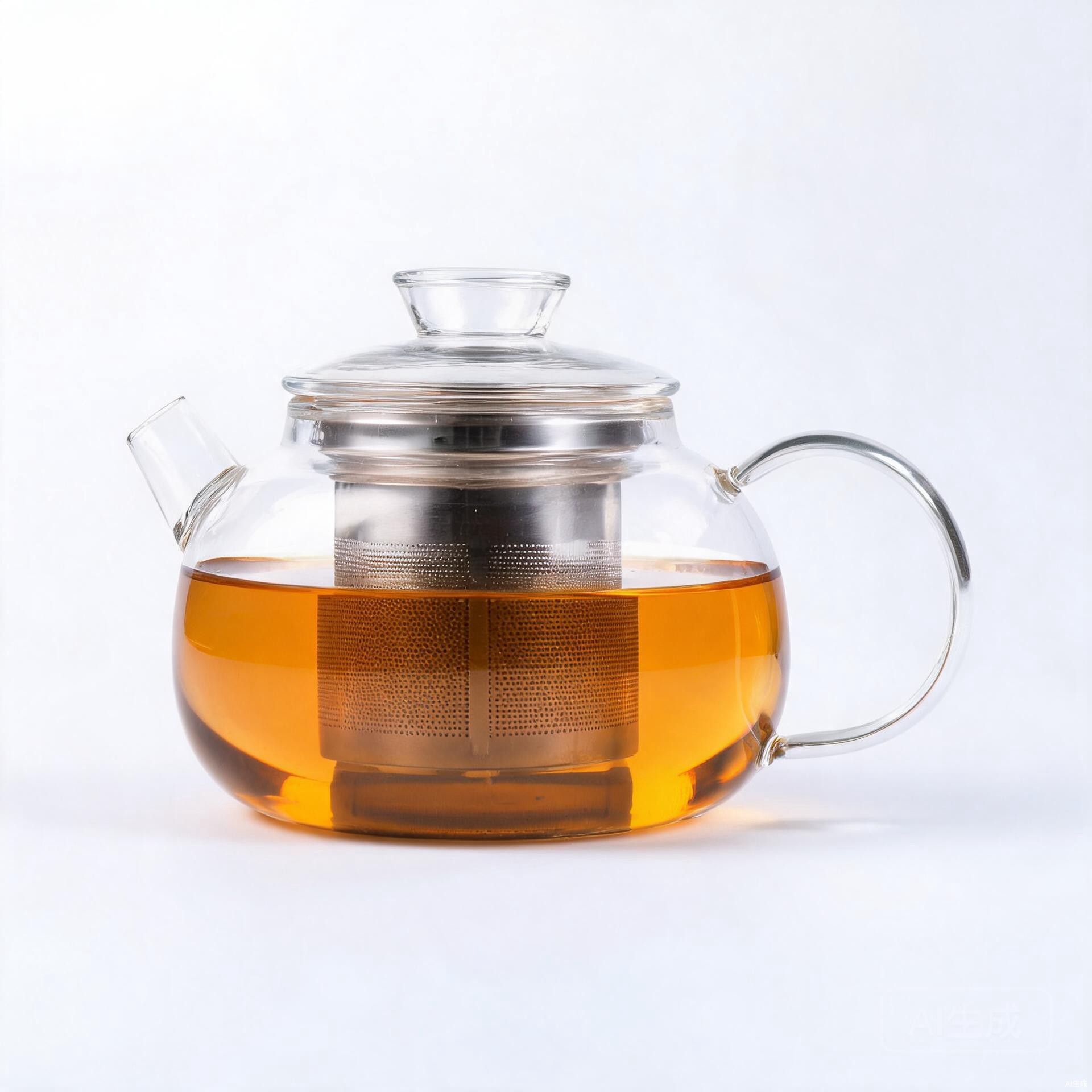
MESNEY 61oz Large Glass Teapot with Infuser
1.8L for a full Mediterranean herb blend — oregano, thyme, fennel, and mint — enough for the whole table after a long meal.
Buy NowFrequently Asked Questions
Does oregano tea have caffeine?
No — oregano tea is completely caffeine-free, like all pure herb infusions. It is a reasonable after-dinner or evening cup provided you keep to a small serving.
How much oregano tea can I drink a day?
Keep it to one small cup, or at most two, per day. Oregano is a potent herb rather than a mild everyday tea, and traditional use treats it as a short-term, purposeful cup — not an all-day drink.
What does oregano tea taste like?
Peppery, earthy, and distinctly savory, with a slightly bitter, resinous finish and a faint minty note. It tastes like oregano smells, only more so. Honey and lemon make it considerably more approachable.
Can I use the oregano from my spice rack?
Yes — dried culinary oregano is exactly what the recipe calls for. Use 1 teaspoon per cup, and check that it still smells strong; stale oregano makes a flat cup.
Is oregano tea the same as oregano oil?
No, and the difference matters. The tea is a gentle water infusion of the leaves. Oregano oil is a concentrated extract with far higher carvacrol content and should not be drunk as a substitute.
Can I drink oregano tea while pregnant?
Concentrated herbal doses, including oregano, are traditionally avoided during pregnancy. Occasional culinary amounts of oregano are unremarkable, but check with your provider before drinking the tea regularly.
Is oregano tea good for a cough?
Oregano is a traditional cold-season herb, and a warm honey-sweetened cup is a soothing ritual when you have a scratchy throat. It is comfort rather than treatment — a cough that persists needs a doctor.
The Bottom Line
Oregano tea is the savory herb tea that earns a place in the rotation: strong, aromatic, caffeine-free, and traditionally tied to the after-dinner moment. Use one teaspoon of dried oregano per cup, steep it five minutes and no longer, and finish it with honey and lemon. It is a small, deliberate cup — and that is exactly the point.
Brew it in a MESNEY borosilicate glass teapot so you can lift the infuser at precisely the right minute, and let the glass keep the herb's strong oils out of tomorrow's delicate cup.
As an Amazon Associate, MESNEY earns from qualifying purchases. Prices and availability are subject to change.