Osmanthus Tea: A Complete Guide to the Autumn Blossom Tea

Osmanthus tea is a delicate, apricot-scented infusion made from the tiny golden blossoms of the osmanthus tree — the flower that perfumes southern China every autumn, and one of the fastest-growing specialty teas in the United States. It brews to a pale gold and tastes like ripe stone fruit and honey.
This guide explains what osmanthus tea is, why it is an autumn tea, how it has been used traditionally, what it actually tastes like, how to brew the blossoms alone or blended with a tea base, and how to buy and store them so the perfume survives.
What Is Osmanthus Tea?
Osmanthus — Osmanthus fragrans — is a small evergreen tree native to southern China, prized for flowers so intensely fragrant that a single tree can perfume a whole street. The blossoms are tiny, no bigger than a grain of rice, and range from pale cream to deep gold depending on the variety. They bloom in autumn, which is why the tea is so closely tied to the season.
Osmanthus tea is made by drying the blossoms and steeping them in hot water. On its own it is a caffeine-free tisane. It is also extremely common as a scented tea: the blossoms are layered with a base tea — usually oolong or green tea — so the leaf absorbs the perfume, a technique very similar to how jasmine tea is made. If your osmanthus tea contains a tea base, it will contain caffeine.
The flowers have a long history in Chinese food and medicine, used in pastries, wine, and sweet soups as well as tea. Search interest in osmanthus tea has grown dramatically over the past two years, making it one of the fastest-rising specialty teas in the American market.
Why Osmanthus Is an Autumn Tea
Osmanthus blooms in late September and October, and the tea is traditionally drunk during that window — the Chinese name for the flower, guìhuā, is inseparable from the Mid-Autumn Festival and the mooncakes eaten with it.
That seasonality shapes both the flavour and the market. Freshly dried blossoms are most fragrant in the weeks after harvest, and the tea's warm apricot character suits the cooling weather far better than a light summer green. If you are going to drink osmanthus, autumn is when it is at its best.
Osmanthus Tea Benefits and Traditional Use
Osmanthus has a long culinary and herbal history, but it is far less studied than the better-known herbal teas. Be sceptical of strong claims.
| Area | Traditional association | What to realistically expect |
|---|---|---|
| Soothing warm drink | Traditionally taken as a warming tea in autumn and winter | A genuinely pleasant, aromatic warm cup. Little clinical research exists. |
| Digestive comfort | Commonly drunk after rich meals in Chinese tradition | A light, fragrant after-dinner cup — treat it as tradition rather than evidence. |
| Aroma and mood | The perfume itself is the point; osmanthus is used for its scent as much as its taste | The one thing you can rely on: it smells extraordinary. |
| Antioxidants | The blossoms contain flavonoids | Laboratory activity does not automatically mean a health effect in people. |
| Caffeine | — | None if you brew plain blossoms; caffeinated if blended with a tea base. |
The honest summary: osmanthus tea is a beautiful, aromatic, low-claim herbal cup. Drink it for the flavour and the perfume, not for a health promise.
What Osmanthus Tea Tastes Like
Osmanthus tastes the way a ripe apricot smells — sweet, floral, and softly fruity, with a honeyed finish and a faint tea-like astringency if a base tea is present. There is no bitterness.
The aroma is the star. Brewed plain, the liquor is a pale, clear gold and the scent fills the room before you taste anything. It is one of the few teas where the smell is genuinely as important as the flavour.
How to Brew Osmanthus Tea
The blossoms are tiny and light, so they need a generous measure by volume and a gentle, short steep. Osmanthus is delicate — near-boiling water for a long time flattens the perfume.
Plain Osmanthus Blossom Tea (1 cup)
- 1 heaped teaspoon (about 1g) dried osmanthus blossoms
- 8 oz (240 ml) water at 185–195°F (85–90°C)
- Optional: 1 teaspoon honey
Method:
- Boil the kettle, then let it stand for a minute or two so it drops below boiling.
- Add the blossoms to a glass teapot or a mug with a fine infuser basket. The flowers are small enough to slip through a coarse strainer, so use a fine mesh.
- Pour the cooled water over them. The blossoms float at first and slowly sink as they absorb water.
- Steep 2–4 minutes. Taste at two minutes — the perfume comes through early and fades if you push it.
- Strain and drink. A teaspoon of honey echoes the natural honeyed note beautifully.
Osmanthus Oolong (the classic scented pairing)
- 1 teaspoon osmanthus blossoms
- 1 teaspoon loose-leaf oolong
- 10 oz (300 ml) water at 185–195°F
Method: steep the blossoms and oolong together in a glass teapot for 2–3 minutes, then pour off. The oolong gives the cup structure and a lightly roasted depth while the osmanthus supplies the perfume — a pairing so traditional it is sold pre-blended. This version contains caffeine from the oolong; see our oolong tea guide for the base tea.
Iced osmanthus is a revelation. Steep the blossoms as above at double strength, cool to room temperature, then chill. The apricot aroma survives chilling unusually well, and served over ice with a slice of lemon it makes one of the most elegant cold drinks in the tea cupboard. Never pour hot tea straight onto ice — it waters the cup down.
Osmanthus vs. Jasmine: Two Scented Teas Compared
| Osmanthus | Jasmine | |
|---|---|---|
| Flower | Osmanthus, blooms in autumn | Jasmine, blooms in summer |
| Aroma | Apricot, honey, stone fruit | Sweet, heady, distinctly floral |
| Typical base | Oolong or green tea | Green or white tea |
| Brewing | 185–195°F for 2–4 min | 170–185°F for 2–3 min |
| Best in | Autumn and winter | Spring and summer |
Both are scented teas made by marrying blossoms to a base leaf, and they are the two great floral traditions of Chinese tea. See our jasmine tea guide for the summer counterpart.
Buying and Storing Osmanthus
- Look for whole golden blossoms. Undamaged flowers hold their perfume far longer than crushed ones. Deep orange-gold indicates a strongly aromatic variety.
- Smell before you buy if you can. With osmanthus, aroma is quality. Blossoms that smell of almost nothing will brew a cup of almost nothing.
- Check whether a base tea is included. Plain dried blossoms are caffeine-free; a "osmanthus oolong" or "osmanthus green tea" blend contains caffeine.
- Store airtight, dark, and cool. The perfume is volatile and fades fastest of all in light and warmth. A sealed tin in a cupboard, away from the kettle, keeps the flowers fragrant for about a year; a glass jar on a sunny shelf will not.
- Buy in small quantities each autumn. Osmanthus is a seasonal harvest, and this year's flowers are always more fragrant than last year's.
Does Osmanthus Tea Have Caffeine?
Plain osmanthus blossom tea is completely caffeine-free, because it is made from flowers rather than tea leaves. However, the most common way osmanthus is sold is blended with oolong or green tea, and those blends do contain caffeine — check the ingredients. If you want a caffeine-free autumn cup for the evening, look for pure dried blossoms and pair them with chamomile or drink them alone.
Frequently Asked Questions
What does osmanthus tea taste like?
Like a ripe apricot smells — sweet, floral, and softly fruity, with a honeyed finish and no bitterness. The aroma is especially strong and is as much the point as the flavour.
Does osmanthus tea have caffeine?
Plain dried osmanthus blossoms have none, since they are flowers rather than tea leaves. Osmanthus is often blended with oolong or green tea, though, and those versions do contain caffeine — check the label.
What is the best water temperature for osmanthus tea?
185–195°F (85–90°C), steeped for just 2–4 minutes. Boiling water for a long time flattens the delicate perfume that makes osmanthus worth drinking.
Is osmanthus tea the same as jasmine tea?
No, though the technique is similar. Both are scented teas made by layering blossoms with a base leaf, but osmanthus blooms in autumn and tastes of apricot and honey, while jasmine blooms in summer and tastes headily floral.
Can you drink osmanthus tea iced?
Yes, and it is excellent — the apricot aroma survives chilling unusually well. Brew at double strength, cool to room temperature, then chill and serve over ice rather than pouring hot tea onto ice.
Final Thoughts
Osmanthus tea is the most beautiful autumn cup in the tea cupboard: tiny golden blossoms, a pale gold liquor, and an apricot-and-honey perfume that fills the room. Brew it gently at 185–195°F for two to four minutes, try it blended with oolong, and serve it iced before the season turns.
Because the blossoms are tiny and the colour is genuinely part of the pleasure, glass shows osmanthus off better than any other vessel. A clear teapot lets you watch the petals sink and the pale gold liquor develop, and a fine-mesh infuser basket keeps the small flowers out of your cup. Our picks:

40oz Glass Teapot with Infuser
The wide infuser holds tiny osmanthus blossoms without letting them through, and the clear glass shows the petals sinking and the pale gold liquor developing so a delicate two-minute steep is easy to judge.
Buy Now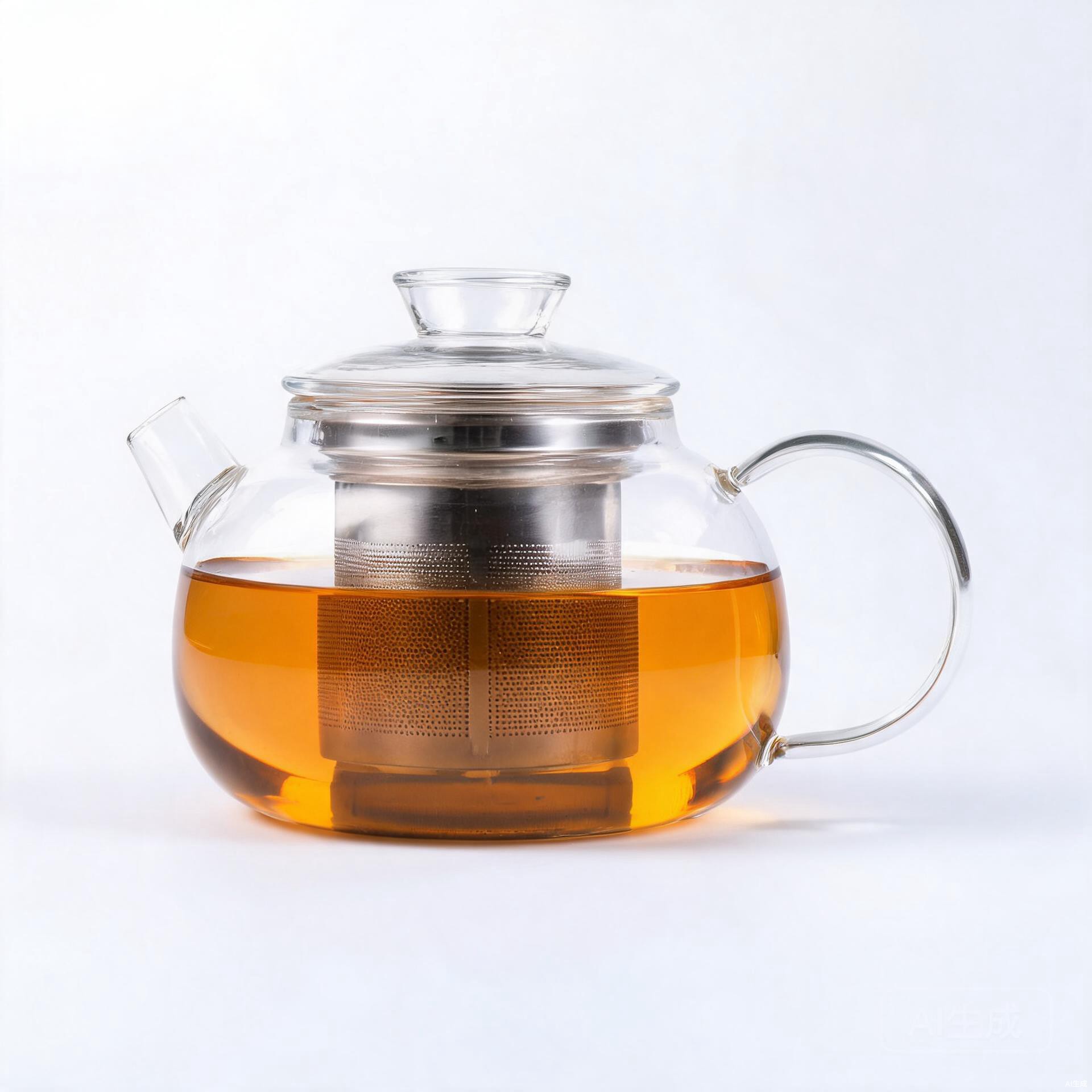
MESNEY 61oz Large Glass Teapot
1.8L makes a full pitcher of iced osmanthus, which may be the best way to drink this tea.
Buy Now
17oz Double Walled Glass Mug
A single generous cup that keeps a caffeine-free infusion warm to the last sip without burning your hands.
Buy NowAs an Amazon Associate, MESNEY earns from qualifying purchases. Prices and availability are subject to change.