Peppermint Tea: The Complete Guide to the Coolest Cup You Can Brew
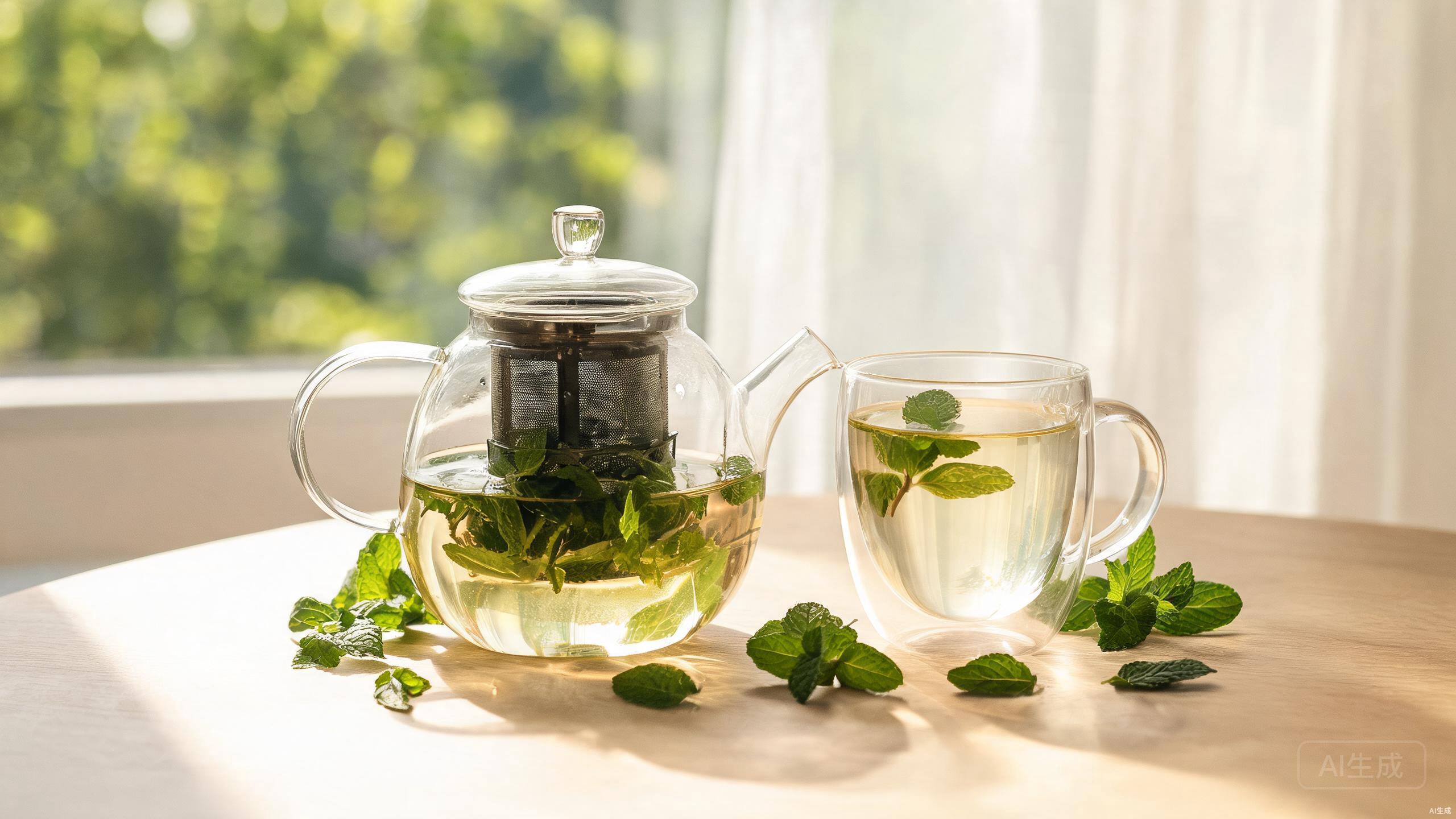
Peppermint tea is the rare herbal tea that works at every hour of the day: a bright, cooling pick-me-up in the afternoon and a genuinely calming ritual before bed. It's caffeine-free, it's forgiving to brew, and it tastes like winter in a cup — which is exactly why it's one of the most-searched teas on the internet.
This guide covers the researched benefits (digestion, sleep, and the honest limits), how to make peppermint tea from both fresh and dried leaves, the exact steep time that avoids bitterness, iced variations for summer, and the glass teapots that show off peppermint's pale green-gold liquor.
Peppermint Tea Benefits: What the Research Actually Says
Peppermint tea is made from Mentha × piperita, a natural hybrid of watermint and spearmint. The leaves are rich in menthol — the compound responsible for that cooling sensation — plus rosmarinic acid and flavonoids. Here's what the evidence supports:
- Digestion. Peppermint is the most-studied herbal remedy for digestive discomfort. Menthol relaxes the smooth muscle of the digestive tract, which is why a cup after a heavy meal genuinely helps with bloating and cramping. This is the strongest, most consistent benefit in the research.
- Sleep. Peppermint tea is caffeine-free, and the ritual of a warm cup before bed signals relaxation. Some people find the cooling menthol aroma soothing — though unlike chamomile, peppermint isn't a sedative. It helps most by replacing the evening caffeine habit.
- Breath and sinuses. The menthol aroma is a natural decongestant — a steaming cup of peppermint tea can help clear a stuffy nose, and it's a classic breath freshener.
- Headache relief. Topical menthol is well-studied for tension headaches; drinking peppermint tea is a milder, pleasant version of the same idea.
Two honest cautions: peppermint can relax the lower esophageal sphincter, so people with acid reflux (GERD) sometimes find it makes heartburn worse — if that's you, try chamomile instead. And because it relaxes smooth muscle, it's not recommended in large amounts during pregnancy. For everyone else, a cup or two a day is completely safe.
Fresh vs Dried Peppermint: Which Should You Use?
| Fresh Leaves | Dried Leaves | |
|---|---|---|
| Flavor | Bright, grassy, more delicate | Deeper, more concentrated menthol |
| Amount needed | About 2x more (fresh is ~90% water) | Standard 1 tbsp per cup |
| Steep time | 5–7 minutes | 5–10 minutes |
| Best for | Summer iced tea, garnish, garden harvests | Everyday hot tea, consistent results |
| Availability | Seasonal / garden | Year-round, any grocery store |
Both work beautifully — they just brew differently. Fresh mint is a summer treat that shines in iced tea; dried peppermint is the dependable everyday choice with a stronger, more classic peppermint flavor. If you have a garden, harvest leaves in the morning before the heat, and dry them in a cool, dark place for the strongest aroma.
How to Make Peppermint Tea (The Right Way)
Peppermint is one of the most forgiving teas to brew — it won't turn bitter the way green tea does. But there's still a right way:
Perfect Hot Peppermint Tea (1 cup)
- 1 tablespoon dried peppermint leaves (or 2 tablespoons fresh, roughly torn)
- 8 oz (240 ml) water just off the boil — 205–212°F / 96–100°C
- Optional: a squeeze of lemon or a drizzle of honey
Method: Place the leaves in a glass teapot with infuser (or a tea ball), pour the hot water over, and steep 5–7 minutes for dried leaves, 7–10 for fresh. Peppermint gets stronger, not more bitter, with time — so steep longer if you want a bolder cup. Strain, and drink plain or with honey. The leaves can be re-steeped once for a lighter second cup.
Use a glass teapot with a removable infuser. Peppermint leaves are feather-light and float — a deep infuser basket keeps them fully submerged so every leaf steeps evenly, and lifting it out stops the brew instantly. Bonus: you can watch the water turn that pale green-gold as the menthol infuses.
Iced Peppermint Tea: The Summer Version
Iced peppermint tea is one of the most refreshing drinks of the season — naturally sweet, zero caffeine, and endlessly customizable. Two approaches:
Iced Peppermint Tea (pitcher, serves 4)
- 4 tablespoons dried peppermint (or 1 cup fresh leaves)
- 4 cups boiling water
- Ice, lemon slices, and fresh mint sprigs for serving
Hot-brew method: Steep the leaves in a 40oz or 61oz glass teapot for 10 minutes, strain, and let cool to room temperature before refrigerating. Cold-brew method: skip the hot water entirely — put the leaves in cold water in the fridge for 8–12 hours. Cold-brewed peppermint is the smoothest, sweetest version, with zero bitterness and a crystal-clear liquor that looks stunning in glass.
Serve over ice with a lemon wheel and a fresh mint sprig. For a fancier version, muddle a few berries in the bottom of a double-wall glass mug before pouring — the color contrast against the pale green tea is gorgeous.
5 Easy Peppermint Tea Variations
- Peppermint & honey: the classic — raw honey mellows the cool edge beautifully.
- Peppermint lemonade: half iced peppermint tea, half lemonade, over ice. A caffeine-free Arnold Palmer-style cooler.
- Peppermint mojito (mocktail): muddled lime and mint, iced peppermint tea, a splash of sparkling water.
- Peppermint hot chocolate: steep a peppermint tea bag in the milk before adding cocoa — a holiday favorite without the syrups.
- Peppermint & chamomile blend: half and half for a deeply calming evening cup.
Does Peppermint Tea Have Caffeine?
No — peppermint tea is naturally 100% caffeine-free. It's an herbal infusion (tisane), not a true tea, so it contains no leaves from the Camellia sinensis plant and no caffeine at all. That makes it the perfect evening drink, safe for kids, and a great choice for anyone cutting back on coffee or black tea. The only caffeine risk is if you buy a blend that mixes peppermint with black or green tea — always check the label.
Troubleshooting
"My peppermint tea tastes weak"
Peppermint needs a generous hand — use a heaping tablespoon of dried leaves per cup, and steep the full 7 minutes. Old dried mint loses its volatile oils quickly; if your leaves are more than a year old, they'll taste flat no matter what you do.
"It tastes bitter or harsh"
Unusual for peppermint, but it happens with very old leaves or if you used boiling water on fresh leaves. Use water just off the boil, and taste at 5 minutes rather than pushing to 10.
"My iced tea went cloudy"
That's the natural oils and waxes from the leaves — harmless, and it won't happen with the cold-brew method. If you hot-brewed, strain through a fine mesh or paper filter before chilling.
Why Glass Is the Right Home for Peppermint Tea
Peppermint tea is a visual drink — the pale green-gold liquor, the floating leaves, the fresh mint garnish. Glass shows all of it. A borosilicate glass teapot holds no residual mint flavor between batches (important when you brew coffee tomorrow), handles the hot water safely, and goes straight from stovetop or kettle to table. And because peppermint is so often an evening or iced drink, a double-wall glass mug keeps it at the right temperature without burning your hands.
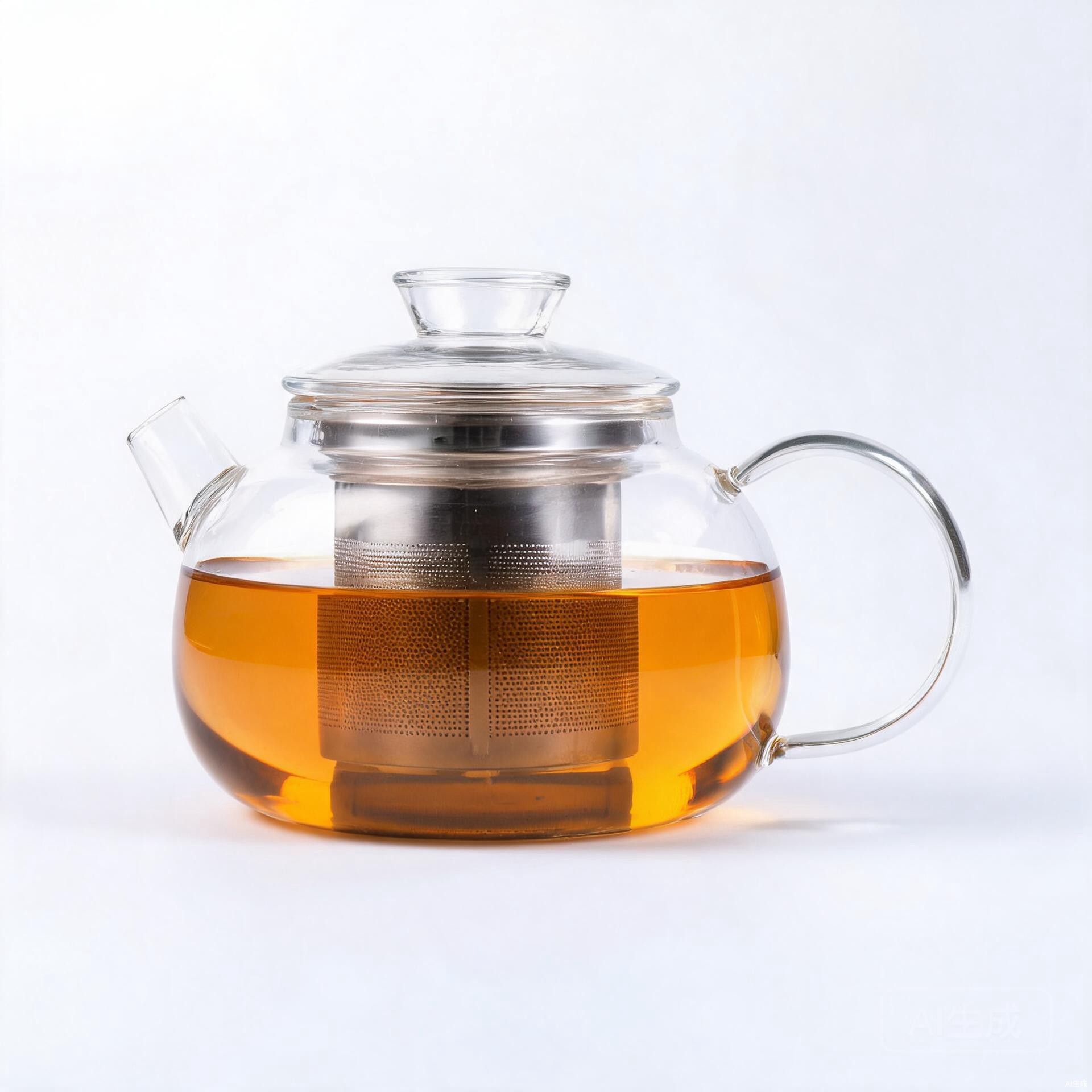
MESNEY 61oz Large Glass Teapot with Infuser
Built for the big pitcher: 1.8L is a full family batch of iced peppermint tea or a whole evening of hot cups. Load the deep infuser basket with a generous handful of leaves, pour the hot water, steep, lift, and serve — one vessel from kettle to table, with the color show as a bonus.
Buy Now
40oz Glass Teapot with Infuser
The perfect one-to-two-person size for a nightly peppermint ritual — about 4 cups. Same lift-out infuser, same zero-flavor-retention borosilicate glass, small enough to live on the counter.
Buy Now
17oz Double Walled Glass Mugs (Set of 4)
Peppermint tea is a clear-glass drink — the pale green-gold liquor deserves to be seen. These double-wall mugs show the color, stop condensation rings on the table, and the insulated wall keeps iced peppermint cold and hot peppermint warm.
Buy NowFrequently Asked Questions
How long should I steep peppermint tea?
5–7 minutes for dried leaves, 7–10 for fresh. Unlike green or black tea, peppermint gets stronger rather than bitter with longer steeping — so steep to taste.
Is peppermint tea good for sleep?
It's caffeine-free and the warm-cup ritual is genuinely relaxing, which helps many people wind down. It's not a sedative like chamomile, but it's an excellent evening replacement for caffeinated drinks.
Is peppermint tea good for digestion?
Yes — this is the best-researched benefit. Menthol relaxes the digestive tract's smooth muscle, which helps with bloating, gas, and cramping after meals.
Can you drink peppermint tea every day?
Yes, 1–3 cups a day is safe for most people. The main caution is for those with acid reflux (it can relax the esophageal sphincter) and during pregnancy — check with a doctor in both cases.
Does peppermint tea have caffeine?
No. Peppermint is a naturally caffeine-free herbal infusion, so it's safe any time of day, including right before bed.
Can I make peppermint tea with fresh mint from my garden?
Absolutely — use about double the dried amount (2 tablespoons fresh per cup), tear the leaves to release the oils, and steep 7–10 minutes. Fresh mint makes a brighter, grassier cup that's especially good iced.
The Bottom Line
Peppermint tea is the most versatile cup in the cabinet: caffeine-free, digestion-friendly, forgiving to brew, and equally at home as a hot evening ritual or a big pitcher of summer iced tea. Use a generous hand with the leaves, steep 5–10 minutes, and let the glass do the showing off.
Brew it in a MESNEY glass teapot: the deep infuser basket keeps those feather-light leaves submerged, the borosilicate glass holds no mint flavor between batches, and the pale green-gold liquor looks like it belongs in a café.
As an Amazon Associate, MESNEY earns from qualifying purchases. Prices and availability are subject to change.