Pu-Erh Tea: The Complete Guide to Aged Chinese Tea
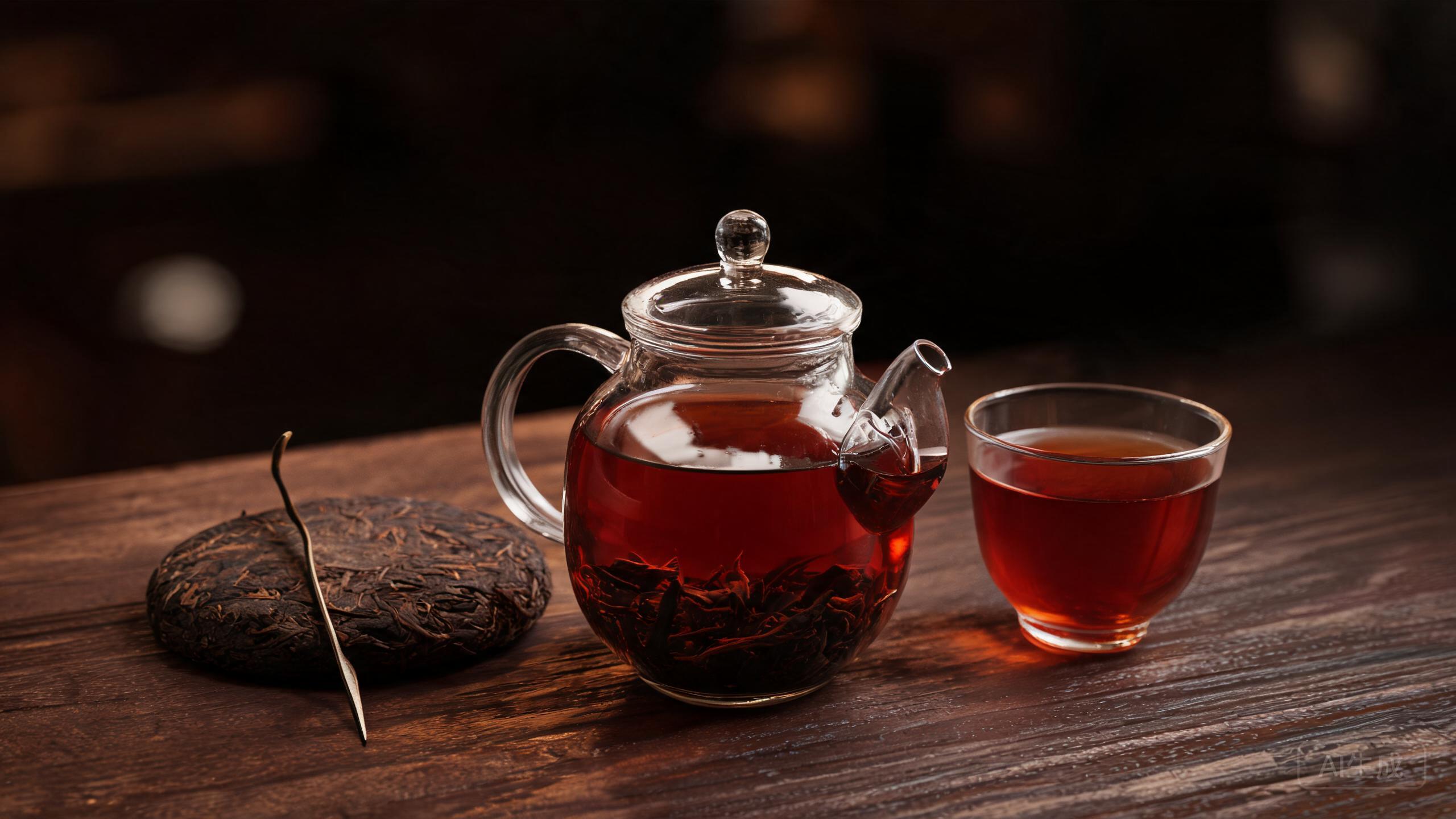
Pu-erh tea is the only tea that ages like wine: a fermented Chinese tea that gets smoother, deeper, and more valuable with every passing year. It's the dark, earthy, mushroomy cup that tea lovers either adore or are curious about — and one of the most fascinating categories in the tea world.
This guide covers what makes pu-erh unique, the researched pu-erh tea benefits (including the famous weight-loss claims), the difference between raw and ripe pu-erh, how to brew aged pu-erh properly, and the glass teapots that show off its deep amber-red liquor.
What Is Pu-Erh Tea?
Pu-erh (also written pu'er) is a fermented tea from Yunnan province, China, made from large-leaf tea bushes. Unlike other teas, pu-erh undergoes a microbial fermentation process — either naturally over years (raw/sheng) or accelerated with heat and humidity (ripe/shou). This fermentation is what gives pu-erh its signature dark, earthy, complex character and its ability to improve with age.
Pu-erh is traditionally pressed into cakes, bricks, or tuos (nest shapes) and aged — sometimes for decades. The older the tea, the smoother and more valuable it becomes, which is why aged pu-erh is often compared to fine wine.
Raw Pu-Erh vs Ripe Pu-Erh
| Raw (Sheng) | Ripe (Shou) | |
|---|---|---|
| Processing | Naturally aged over years | Accelerated fermentation (weeks) |
| Flavor | Bright, grassy, astringent when young; smooths with age | Dark, earthy, smooth, sweet immediately |
| Liquor color | Pale yellow → amber with age | Deep red-brown |
| Best for | Collectors, aging at home | Drinking now, beginners |
Raw pu-erh is the traditional style — young raw pu-erh is bright and astringent, and it's meant to be aged for years to mellow. Ripe pu-erh was invented in the 1970s to replicate the taste of aged pu-erh in weeks instead of decades. For most beginners, ripe pu-erh is the friendlier place to start.
Pu-Erh Tea Benefits: What the Research Shows
- Digestive aid. Pu-erh is traditionally drunk after heavy, fatty meals — the fermentation produces compounds that many find genuinely soothing for digestion.
- Weight management. The famous claim: several studies suggest pu-erh may modestly support fat metabolism and weight management, though results are mixed and it's not a magic bullet.
- Heart health. Research links pu-erh consumption to improved cholesterol levels — lower LDL ("bad") cholesterol and higher HDL ("good") cholesterol.
- Gut health. The fermentation produces beneficial microbes and compounds that may support a healthy gut microbiome.
- Antioxidants. Despite the fermentation, pu-erh retains a good amount of polyphenols and antioxidants.
Two cautions: pu-erh does contain caffeine (about 30–60 mg per cup — less than coffee but more than white tea), so it's not an evening tea. And because it's a fermented product, buy from reputable sources to ensure quality and safety.
How to Brew Pu-Erh Tea (The Right Way)
Perfect Pu-Erh Tea (1 cup)
- 1 teaspoon pu-erh tea (loose leaf, or broken from a cake)
- 8 oz (240 ml) water at 200–212°F (93–100°C) — near boiling
- First rinse: pour hot water over, steep 5 seconds, discard
- Then steep for 2–3 minutes
Method: Pu-erh is the one tea that likes near-boiling water. Put the leaves in a glass teapot with infuser, pour hot water over, and immediately discard the first steep (this "wakes up" the compressed leaves and washes away dust). Then add fresh hot water and steep 2–3 minutes. Strain and enjoy the dark, earthy liquor.
Don't skip the rinse. The first quick steep loosens the compressed leaves and cleans them — it's not meant to be drunk. After the rinse, pu-erh can be re-steeped 5–8 times, each steep revealing new layers of flavor.
Pu-Erh Tea Recipes to Try
- Pu-erh with milk: add a splash of milk and a little honey — the earthy pu-erh takes milk beautifully, like a dark, smooth latte.
- Pu-erh after a heavy meal: the traditional use — a strong cup after a rich, fatty meal to aid digestion.
- Iced pu-erh: brew a strong pot, chill, and serve over ice with a squeeze of orange — a deep, refreshing summer drink.
- Pu-erh with chrysanthemum: the classic pairing — add dried chrysanthemum flowers to the pot for a cooling, floral contrast to the earthy pu-erh.
- Cold-brewed pu-erh: steep pu-erh leaves in cold water in the fridge overnight for a smooth, low-bitter iced tea.
Does Pu-Erh Tea Have Caffeine?
Yes. Pu-erh contains about 30–60 mg of caffeine per cup — less than coffee (80–100 mg) but more than white or green tea. The fermentation doesn't remove the caffeine. Many drinkers find pu-erh's caffeine feels smoother and less jittery than coffee's, but it's still a daytime tea, not an evening one.
How to Age and Store Pu-Erh
If you buy raw pu-erh cakes, you can age them at home. Store them in a cool, dark place with moderate humidity, away from strong odors (pu-erh absorbs smells easily). Keep the cake in its original wrapper or in a breathable container — never airtight plastic. With time — years, not months — the tea will mellow and develop the smooth, sweet complexity that makes aged pu-erh so prized.
Troubleshooting
"My pu-erh tastes bitter or harsh"
Use less tea, steep for less time, or try ripe pu-erh instead of raw — ripe is naturally smoother. Also make sure you did the rinse steep.
"My pu-erh tastes like dirt"
That earthy note is characteristic of pu-erh, but a strong "dirt" taste usually means low-quality tea or over-steeping. Try a higher-quality ripe pu-erh and shorter steeps.
"Can I re-steep pu-erh?"
Yes — this is where pu-erh shines. After the rinse, it can be re-steeped 5–8 times, each steep revealing new layers of flavor.
Why Glass Is the Right Home for Pu-Erh
Pu-erh is a tea of transformation — the dark leaves unfurl, the liquor deepens from amber to near-black with each steep. A borosilicate glass teapot shows this evolution beautifully, and glass holds no residual flavors, so each pot tastes purely of the tea. It's the perfect vessel for watching a fermented tea do its thing.

40oz Glass Teapot with Infuser
Built for the daily pu-erh ritual: about 4 cups. Load the infuser basket with pu-erh leaves, pour near-boiling water, rinse, then steep 2–3 minutes. The borosilicate glass shows the rich amber-red liquor developing.
Buy Now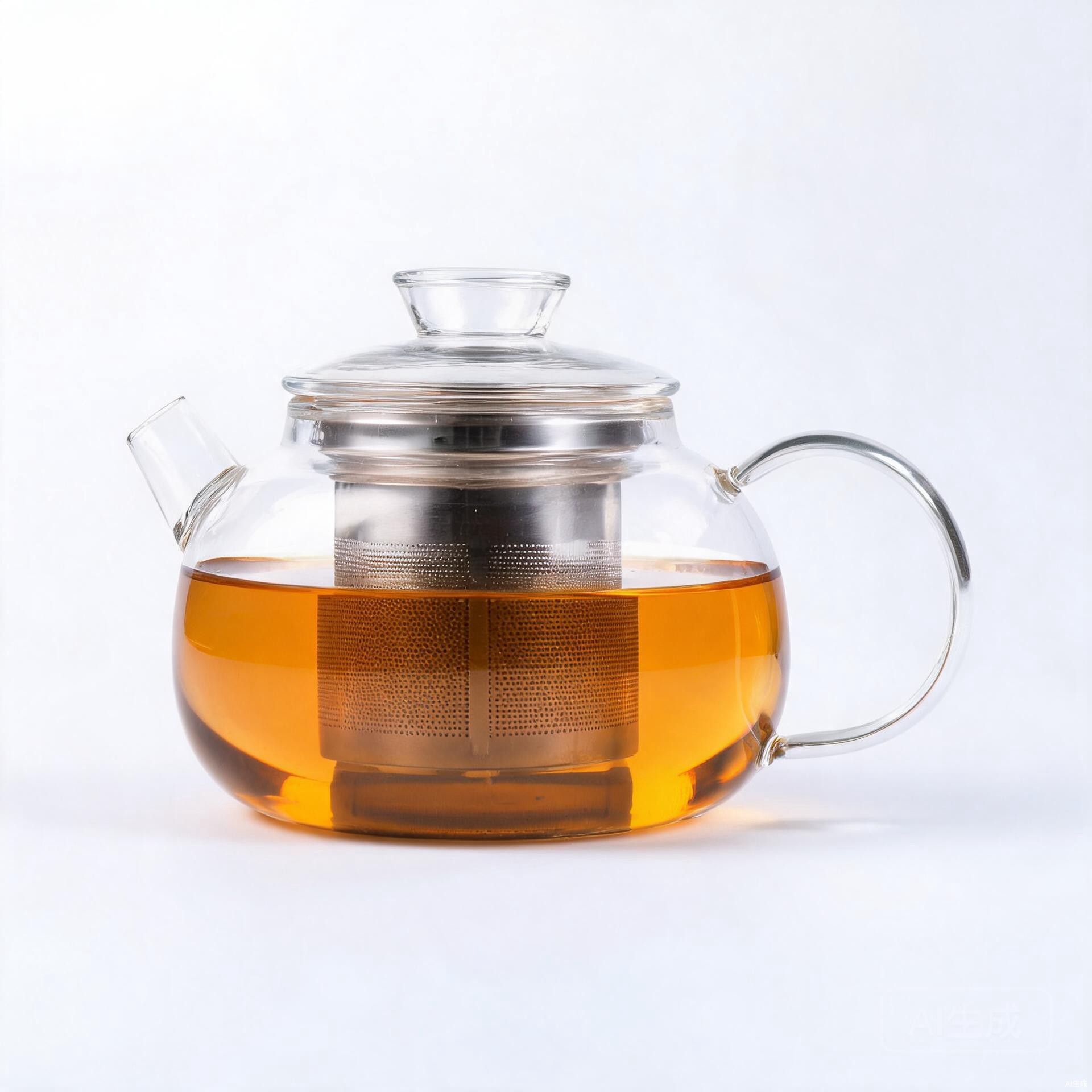
MESNEY 61oz Large Glass Teapot with Infuser
The big-batch size for a long pu-erh session or a family supply. 1.8L, deep infuser basket, same zero-flavor-retention glass.
Buy Now
17oz Double Walled Glass Coffee Mug
The insulated double wall keeps your pu-erh warm through a long session while the outside stays cool to hold — and the clear glass shows off the deep amber-red color.
Buy NowFrequently Asked Questions
What does pu-erh tea taste like?
Dark, earthy, and smooth, with notes of wood, mushroom, and damp forest. Ripe pu-erh is sweeter and smoother; raw pu-erh is brighter and more astringent when young.
Does pu-erh tea have caffeine?
Yes — about 30–60 mg per cup, less than coffee but more than white or green tea. It's a daytime tea, not an evening one.
How long should I steep pu-erh tea?
After a quick rinse steep, brew for 2–3 minutes. Pu-erh can be re-steeped 5–8 times, each steep revealing new layers.
Is pu-erh tea good for weight loss?
Some studies suggest pu-erh may modestly support fat metabolism, but it's not a magic bullet — it works best as part of a healthy diet and lifestyle.
What's the difference between raw and ripe pu-erh?
Raw (sheng) pu-erh is naturally aged over years and is bright and astringent when young. Ripe (shou) pu-erh is artificially fermented in weeks and is dark, earthy, and smooth immediately.
Can you drink pu-erh tea every day?
Yes, pu-erh is safe to drink daily. Its moderate caffeine makes it a good daytime choice, and many drinkers love it after meals for digestion.
The Bottom Line
Pu-erh is the tea that ages like wine — fermented, complex, and endlessly re-steepable. Start with a ripe pu-erh for its smooth, earthy sweetness, don't skip the rinse steep, and let it take you through 5–8 infusions of deepening flavor.
Brew it in a MESNEY glass teapot: watch the dark leaves unfurl and the liquor deepen from amber to near-black, and serve in a double-wall glass mug that holds the warmth — and the earthiness — all the way down.
As an Amazon Associate, MESNEY earns from qualifying purchases. Prices and availability are subject to change.