Red Eye Coffee: The Complete Guide to the Ultimate Caffeine Boost Drink
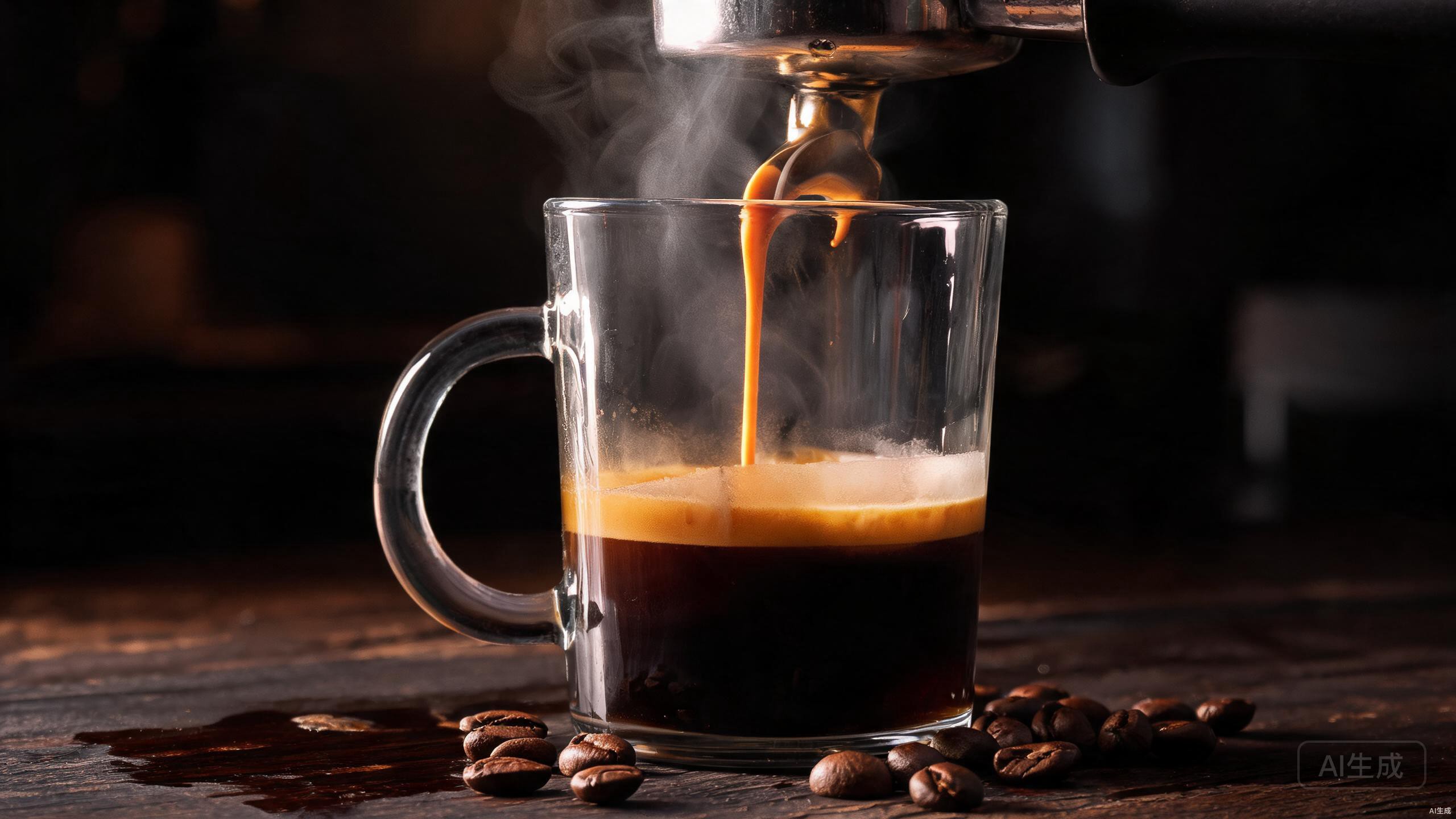
Red eye coffee is the drink you reach for when a regular cup just isn't going to cut it. It's the classic American high-caffeine powerhouse: a full cup of brewed drip coffee with a shot of espresso dropped straight in. No milk required, no syrup needed, no ceremony — just two familiar drinks stacked into one serious jolt. It has fueled long-haul truckers through overnight routes, night-shift nurses through 3 a.m. rounds, and students through all-nighters for decades.
In this complete guide, we'll break down exactly what a red eye is, where the name comes from, how much caffeine it actually delivers, how to brew both of its components at home (even without an espresso machine), the step-by-step recipe, five delicious variations, how it compares to similar drinks, and who should think twice before ordering one. Let's dive in.
What Is Red Eye Coffee?
A red eye coffee is simply a cup of regular brewed coffee — usually drip coffee — with one shot of espresso added to it. The espresso is poured into the coffee rather than replacing it, so you get the full volume of a normal cup with a concentrated espresso kick layered on top. It's sometimes called a "shot in the dark," a "hammerhead," a "depth charge," or an "eye opener" depending on which region of the country you're in.
The drink occupies a unique place in coffee culture: it's not an espresso drink in the traditional sense (like a latte or cappuccino, which are built around espresso), and it's not plain brewed coffee either. It's both at once. The drip coffee supplies the familiar, drinkable volume and body, while the espresso contributes a rich layer of crema, a darker roast intensity, and — most importantly — a significant additional dose of caffeine.
Flavor-wise, a well-made red eye tastes like a very strong cup of brewed coffee with extra depth. The espresso brings forward chocolatey, caramelized, and slightly smoky notes that a standard cup of drip coffee on its own usually lacks. It's bold, it's bitter in a good way, and it's unmistakably caffeinated.
The Classic Diner Definition
The red eye is arguably the most unpretentious drink in all of American coffee culture. It was born in diners and roadside coffee counters, where "regular coffee with a shot" was ordered by people who cared about function far more than fashion. You don't sip a red eye — you drink it, usually fast, usually before sunrise, usually with a plate of eggs nearby.
The Red Eye Family Tree: Red, Black, Dead, and Green
Once you understand the basic red eye, the rest of the family is easy to remember: each step up the ladder simply adds another shot of espresso. Here's the full lineup:
- Red Eye: 1 shot of espresso + a full cup of brewed coffee (8-12 oz). The standard, the original, the everyday eye-opener.
- Black Eye: 2 shots of espresso + a full cup of brewed coffee. Noticeably more intense, both in caffeine and bitterness. Sometimes called a "double shot in the dark."
- Dead Eye: 3 shots of espresso + a full cup of brewed coffee. Maximum caffeine — this drink stops being a coffee and starts being a caffeine delivery system. Also known as "triple death."
- Green Eye: A modern café twist that swaps one of the espresso components for green tea — typically a shot of espresso layered with a scoop of matcha green tea added to your brewed coffee. The result is earthy, bright, and less bitter, with the gentle, sustained energy of green tea's natural L-theanine alongside the coffee's caffeine. Note: in some cafés, "Green Eye" is also used to mean a triple-shot red eye, so it's always worth confirming what your barista means when you order one.
There are also a few cousins worth knowing. A "lazy eye" is a red eye made with a shot of decaf espresso — all the flavor, none of the extra caffeine. And if you're in Canada, you might hear the red eye called a "Canadiano." In Alaska it's a "sludge cup," and in parts of the Midwest it's an "oil spill." Same drink, different names — coffee slang travels its own road map.
The Origin Story: Truckers, Night Shifts, and Diner Culture
The red eye's origin is rooted in American working-class coffee culture, and the name itself is a clue. The most commonly cited explanation is simple: the drink is an "eye-opener" — a strong morning coffee strong enough to force tired, red eyes open. Long-haul truckers and night-shift workers, who had to stay alert through hours when their bodies wanted to sleep, were the original target audience.
Another popular theory traces the name to the "red-eye" overnight flight — the kind that departs late at night and lands early the next morning with a plane full of exhausted, bloodshot-eyed passengers. Coffee shops serving those airport crowds found that a cup of coffee with a shot of espresso on top was exactly what a red-eye traveler needed before driving home.
Either way, the drink has lived its entire life in diners, truck stops, gas-station coffee counters, and airport kiosks — places where "strong" and "cheap" are the two highest compliments. In diner culture, the red eye became a quiet status symbol: ordering one signaled that you weren't just tired, you were tired in a professional way. It's the beverage equivalent of a work boot.
The drink gained wider popularity in the 1990s as espresso machines spread beyond specialty shops and into everyday cafés and convenience stores. Suddenly, any café with a machine behind the counter could build a red eye in under thirty seconds — no menu listing required. That's still how it works today. In many shops, you simply order a large brewed coffee and say "add a shot."
The Caffeine Math: How Much Punch Is in a Red Eye?
If you're ordering a red eye, you almost certainly care about caffeine. Here's the honest math, based on typical USDA and FDA reference values:
- 8 oz of brewed drip coffee: roughly 95-165 mg of caffeine, depending on bean origin, roast level, and brew strength
- 1 single espresso shot (1 oz): roughly 63 mg of caffeine
- 1 double espresso shot (2 oz): roughly 120-130 mg of caffeine
- Red eye with a single shot (8 oz base): approximately 160-240 mg total
- Red eye with a double shot (8 oz base): approximately 215-295 mg total
To put that in perspective: a standard 12 oz can of cola has about 34 mg, a cup of black tea around 47 mg, and an 8 oz cup of regular coffee about 95 mg. Even the mildest single-shot red eye contains roughly double the caffeine of a regular cup of coffee. A large red eye with a double shot can nudge you toward three hundred milligrams — most of the way to the 400 mg daily limit that the FDA considers safe for most healthy adults, and that's before you drink anything else caffeinated that day.
How to Brew the Base Coffee
The foundation of any great red eye is the brewed coffee underneath. If the base is weak, stale, or bitter, no amount of espresso will save it. Here's how to brew a base that's up to the job using three common methods.
1. Automatic Drip Coffee Maker
The classic, and the one the drink was designed for. Use a medium or medium-dark roast ground for drip (a medium-fine grind). A standard ratio is 2 tablespoons of ground coffee per 6 oz of water. Brew fresh, don't leave the pot on the burner for more than 30 minutes, and never use yesterday's reheated coffee as a red eye base — it will taste flat and harsh.
2. Pour-Over
Pour-over makes a cleaner, brighter base that lets the espresso's depth shine. Use a medium grind and pour hot water (just off the boil, around 200°F / 93°C) in slow, even circles, starting with a small bloom pour and letting it rest for 30 seconds before continuing. Aim for a total brew time of 2.5 to 3 minutes for a 12 oz cup.
3. French Press
The French press delivers a heavier, oilier, full-bodied base with more mouthfeel — a great match for a bold red eye. Use a coarse grind and a 1:15 coffee-to-water ratio. Steep for 4 minutes, press, and pour immediately. Because a French press keeps the coffee's natural oils, the finished drink will feel thicker and slightly more intense.
How to Make the Espresso Shot at Home Without an Espresso Machine
You don't need a thousand-dollar countertop machine to build a proper red eye. Several affordable tools produce concentrated, espresso-style shots that are perfect for the job.
Stovetop Espresso Maker
The stovetop espresso maker (also called a stovetop brewer) is the budget workhorse of home espresso. It uses steam pressure to push hot water up through a bed of finely ground coffee, producing a strong, concentrated brew with a creamy top layer. Use a fine grind, fill the lower chamber with hot (not cold) water up to the safety valve, fill the basket level with ground coffee without tamping, and remove the pot from the heat as soon as it finishes bubbling. One full chamber yields roughly 1.5-2 oz of concentrated "shot" — the perfect single red eye addition.
Portable Coffee Press
A portable coffee press is a small, lever-operated device that presses hot water through finely ground coffee under pressure, producing a genuinely espresso-like shot with crema — no electricity or machine required. It's the favorite tool of travelers and campers for exactly this reason. Use an espresso-fine grind, preheat with hot water, and follow your press's timing guidelines (usually about 30 seconds of pressing). One press yields a 1-2 oz shot depending on the model.
Manual Lever or Pump Alternatives
If you own any fully manual espresso maker — lever-style, spring-driven, or hand-pumped — that works beautifully too. The same fine grind and short extraction (25-30 seconds) rules apply. If you have none of the above, a concentrated French press brew (double the coffee, half the water, steeped 4 minutes) makes a respectable stand-in, and even very strong pour-over can fill the role in a pinch. It won't have true crema, but the caffeine and flavor will be there.
The Classic Red Eye Coffee Recipe
Here's the definitive step-by-step red eye coffee recipe, exactly as it's built in diners across the country. This version uses a double espresso shot for a proper wallop; reduce to a single shot for a gentler classic.
Classic Red Eye Coffee
Time: 5 minutes | Difficulty: Easy | Servings: 1 (10 oz)
Ingredients
- 8 oz (240 ml) freshly brewed hot coffee — drip, pour-over, or French press, medium-dark roast recommended
- 1 double espresso shot (2 oz / 60 ml) — or 2 single shots; use a stovetop espresso maker, portable coffee press, or espresso machine
- Milk or sweetener (optional) — most purists drink it black
Equipment
- Drip coffee maker, pour-over cone, or French press for the base
- Stovetop espresso maker or portable coffee press for the shot
- MESNEY 17oz double wall glass mug — the double wall keeps the drink hot and shows off the layered pour
Instructions
- Brew the base coffee. Brew 8 oz of hot coffee using your preferred method. Use a medium or medium-dark roast and brew it at your normal strength — not weak.
- Pull the espresso shot. While the base brews, prepare a double shot of espresso using your stovetop espresso maker, portable coffee press, or espresso machine. The shot should be rich, dark, and topped with a light crema layer.
- Fill your mug. Pour the hot brewed coffee into your MESNEY double wall glass mug, leaving room at the top for the shot.
- Add the espresso. Pour the espresso shot directly into the coffee. For a classic diner-style red eye, just pour it in and give it one quick stir — the goal is integration, not layers.
- Serve immediately. Drink it hot and fresh. A red eye waits for no one — both components degrade quickly once combined.
- Optional. Add a splash of milk or a teaspoon of sugar if you prefer, though most loyalists take it black.
5 Red Eye Variations to Try
The classic red eye is intentionally plain, but it takes additions beautifully. These five variations keep the core formula — brewed coffee plus an espresso shot — and build from there.
1. Iced Red Eye
The summer version, and a favorite of anyone who works the early shift in July. Fill a tall glass with ice, pour in 8 oz of room-temperature brewed coffee (chilled coffee works best — hot coffee melts the ice and waters everything down), then float a double espresso shot over the top. The espresso cascades down through the ice in dark ribbons. Add a splash of cold milk or a simple syrup cube if you like a touch of sweetness.
2. Red Eye with Milk
For drinkers who find a straight red eye too aggressive, a splash of milk transforms it into something closer to a very strong café au lait. Add 1-2 oz of whole milk or oat milk to the mug before pouring in the coffee, then finish with the espresso shot. The milk softens the bitterness and rounds out the body without diluting the caffeine. This is the version that converts espresso-skeptics.
3. Vanilla Red Eye
Add 1/2 teaspoon of pure vanilla extract (or 1 tablespoon of vanilla syrup) to the bottom of your mug before adding the coffee, then build the drink as usual. The vanilla's floral sweetness tames the espresso's sharp edge and adds a smooth, dessert-adjacent warmth that pairs beautifully with a dark roast base. It's the most popular variation among people who want the energy without the harshness.
4. Mocha Red Eye
For a full dessert-coffee experience, stir 1-2 tablespoons of unsweetened cocoa powder (or a heaping tablespoon of chocolate syrup) into the hot brewed coffee until fully dissolved, then add the espresso shot and top with a splash of milk. The chocolate and espresso share so many flavor compounds — both have deep roasted, slightly bitter notes — that they blend into something greater than the sum of their parts. Roughly 90-120 extra calories depending on your chocolate choice.
5. Cinnamon Red Eye
Dust the top of your finished red eye with a pinch of ground cinnamon, or stir a cinnamon stick through the hot coffee while it brews for a warmer, spiced backbone. Cinnamon doesn't add sweetness — it adds aroma and a gentle heat that makes a strong drink feel cozier. It's a tiny change with an outsized effect on the drinking experience.
Red Eye vs Americano vs Long Black vs Regular Coffee
Red eye, Americano, and long black look similar at a glance — all three are dark, hot, water-based coffee drinks — but they're built very differently. Here's how they stack up against each other and against a plain cup of coffee:
| Property | Red Eye | Americano | Long Black | Regular Coffee |
|---|---|---|---|---|
| Base | 8-12 oz brewed drip coffee | Hot water | Hot water | 8-12 oz brewed coffee |
| Espresso | 1+ shots added on top | 1-2 shots diluted with water | 1-2 shots with water poured over | None |
| Method | Espresso poured into brewed coffee | Hot water poured over espresso | Espresso poured over hot water | Single brew method |
| Caffeine (approx.) | 160-295 mg (1-2 shots + coffee) | 125-190 mg (espresso only) | 125-190 mg (espresso only) | 95-165 mg |
| Flavor | Bold, layered, coffee-forward | Mellow, espresso-forward, smooth | Strong crema preserved, intense | Clean, familiar, roast-driven |
| Best for | Maximum caffeine without extra volume | Espresso flavor in a large cup | Crema lovers who want intensity | Everyday casual drinking |
The key difference: an Americano and a long black are espresso-based drinks — the espresso is the coffee, and water only stretches its volume. A red eye, by contrast, is coffee-based — the drip coffee is the drink, and the espresso is a booster on top. That's why a red eye always carries more caffeine than an Americano of the same size, and why it tastes different too: it's the flavor of brewed coffee plus the concentrated intensity of espresso, not espresso diluted down.
Who Should Drink a Red Eye (and Who Should Skip It)
A red eye is a specialized tool, not an everyday default. Here's who it's genuinely great for — and who should approach with real caution.
Great for:
- Early-morning workers — truckers, nurses, factory shift workers, and anyone who needs reliable alertness before the sun is up
- Experienced coffee drinkers — people who already drink multiple cups daily and have built up a solid caffeine tolerance
- Long drives and long nights — as an occasional tool, not a daily crutch
- Fans of strong, unsweetened coffee — if you drink your coffee black and find regular cups underwhelming
Not recommended for:
- New coffee drinkers — a red eye is a shock to an unadapted system; start with regular coffee
- Anyone with caffeine sensitivity — if two cups of tea make you jittery, a red eye can trigger anxiety, rapid heartbeat, and nausea
- People with heart conditions — high caffeine intake can raise heart rate and blood pressure; check with your doctor first
- Pregnant or nursing individuals — most health authorities recommend limiting caffeine to 200 mg per day during pregnancy; a large red eye can blow past that in one cup
- Anyone with anxiety, insomnia, or GERD — caffeine amplifies all three
- Afternoon or evening drinkers — caffeine's half-life is about 5 hours; a late red eye is a reliable way to ruin a night's sleep
Caffeine Safety: Limits, Timing, and Hydration
Before you make red eye coffee a habit, here's the responsible-drinker's cheat sheet on caffeine:
Know Your Daily Limit
Health authorities including the FDA and the European Food Safety Authority consider up to 400 mg of caffeine per day safe for most healthy adults — that's roughly four cups of regular coffee, or one to two red eyes depending on size. Going past 400 mg consistently is where sleep disruption, anxiety, and digestive trouble start to appear.
Mind Your Timing
Caffeine peaks in your bloodstream about 30-60 minutes after you drink it and takes roughly 5 hours to drop to half its level. A red eye at 6 p.m. means you'll still be carrying a meaningful dose of caffeine at 11 p.m. The practical rule: stop high-caffeine drinks at least 6-8 hours before bedtime. For most people, that means red eyes are a morning-to-early-afternoon drink.
Don't Forget Water
Caffeine is a mild diuretic, and a big red eye is a lot of caffeine in one hit. Keep a glass of water nearby and alternate sips. Not only does this keep you hydrated through your shift, but staying hydrated genuinely smooths out caffeine's effects — dehydration amplifies the jitters, the headache, and the afternoon crash.
Watch the Add-Ons
Finally, a warning that has nothing to do with caffeine: red eye variations with chocolate syrup, vanilla syrup, or flavored creamers can quietly add 100-300 calories and 15-40 grams of sugar per cup. The mocha red eye is delicious — it's also essentially dessert. If you're drinking these regularly, count the calories like you'd count the caffeine.
Why MESNEY Double Wall Glass Mugs Are Perfect for Red Eye Coffee
The red eye is a drink of contrasts — hot coffee, bold espresso, and a rich crema layer that deserves to be seen. That's exactly what a MESNEY double wall glass mug is built to showcase. Here's why the right glass matters for your red eye ritual:
- Heat retention without the burn: The insulating air layer between the double walls keeps your red eye hot for noticeably longer while the outer wall stays comfortable to hold — no sleeve, no coaster needed
- A showcase for the pour: Transparent borosilicate glass lets you watch the espresso shot cascade into the coffee and the crema settle on top — the visual signature of a properly built red eye
- No condensation, even iced: For the iced red eye, double wall glass stays sweat-free, so your hands and desk stay dry
- Thermal shock resistance: Borosilicate glass handles the dramatic temperature swing of hot coffee meeting an espresso shot — and the occasional cold countertop — without cracking
- Size that fits the recipe: A 17 oz capacity comfortably holds the full 10 oz recipe with room to step up to a black eye or add milk

17oz Double Walled Glass Coffee Mug (1pc)
Why it's the best glass for red eye: The 17oz capacity fits the full recipe — 8 oz of brewed coffee plus a double espresso shot — with room to spare for milk or a black eye upgrade. The double wall keeps the drink hot for the whole commute, prevents condensation, and the transparent borosilicate glass shows off the espresso shot pouring into the coffee. This is the mug that makes your red eye look as serious as it is.
Buy on Amazon
Double Wall Espresso Cups (Set of 2, 4oz)
Pull your espresso shot into a proper double wall cup first — it keeps the shot hot while your base brews and lets you inspect the crema before committing it to the mug. The 4oz size is ideal for single or double shots.
Buy on Amazon
Double Wall Espresso Cups (Set of 4, 6.7oz)
The larger 6.7oz cups work double duty: pull your shots, or serve a red eye built "double-cup style" — coffee in the mug, shot alongside. A four-pack means everyone at the truck stop table gets one.
Buy on Amazon
40oz Glass Teapot with Infuser
Brew the base for the whole crew: Steep a strong batch of coffee directly in the 40oz borosilicate glass pot using the stainless steel infuser, then build red eyes for two or three people at once. Stovetop-safe and heat-resistant, it handles hot water beautifully and pours clean with its built-in lid.
Buy on AmazonWhy Double Wall Borosilicate Glass Works So Well Here
Borosilicate glass is the same material used in laboratory glassware because it handles sudden temperature changes that shatter ordinary glass. That matters for a red eye because you're pouring a just-pulled espresso shot into a mug of hot coffee — a rapid, localized heat spike. Double wall construction adds the insulation layer on top, so your drink stays at drinking temperature longer and the mug never becomes too hot or too cold to hold comfortably. And because the glass is crystal-clear, every layer of the drink — the coffee, the espresso, the crema — stays visible from the first pour to the last sip.
Frequently Asked Questions
What is a red eye coffee?
A red eye coffee is a cup of regular brewed coffee (usually drip) with one shot of espresso added to it. It's also known as a "shot in the dark," a "hammerhead," or a "depth charge." The espresso boosts both the caffeine content and the flavor depth without changing the drink's volume very much.
How much caffeine is in a red eye coffee?
An 8 oz red eye with a single espresso shot contains roughly 160-240 mg of caffeine (95-165 mg from the drip coffee plus about 63 mg from the shot). With a double shot, expect approximately 215-295 mg. For comparison, the FDA considers up to 400 mg per day safe for most healthy adults.
Is a red eye stronger than an americano?
Yes, in terms of caffeine. An Americano is espresso diluted with hot water — the total caffeine comes from the espresso shots alone (roughly 125-190 mg for 1-2 shots). A red eye uses both a full cup of brewed coffee and espresso, so it contains more total caffeine at the same volume.
Can I make a red eye without an espresso machine?
Absolutely. A stovetop espresso maker produces a strong, concentrated shot that works perfectly. A portable coffee press is another great option. In a pinch, a very strong French press brew (double the coffee, half the water) makes an acceptable stand-in — it won't have true crema, but the caffeine and flavor will be there.
What's the difference between a red eye and a black eye?
One shot. A red eye gets a single shot of espresso added to brewed coffee; a black eye gets two shots. There's also a dead eye (three shots) and a green eye (espresso with green tea, or, in some cafés, a triple-shot red eye).
Can I make a red eye iced?
Yes. Brew the coffee ahead and chill it (or use room-temperature coffee), fill a glass with ice, pour in the coffee, then float a shot of espresso over the top. Using hot coffee over ice will melt the ice too quickly and water the drink down.
The Bottom Line
Red eye coffee is the drink that sits at the exact intersection of practicality and intensity. It wasn't invented by a marketing team or a trend cycle — it was invented by tired people who needed more from their coffee and figured out that a shot of espresso was the answer. It's a drink with real history, real caffeine, and a genuine place in American coffee culture.
Making one at home is about as simple as coffee gets: brew a good cup of coffee, pull a shot of espresso, and combine them. Master the two component brews — a solid drip or pour-over base and a clean stovetop or portable-press shot — and you can build a red eye that's better than anything from a drive-through window, at a fraction of the price. Then branch out: iced, with milk, vanilla, mocha, or a dusting of cinnamon, and up the ladder to a black eye when the occasion truly demands it.
Serve it in a MESNEY double wall glass mug and you get the full experience: the heat held steady, the espresso pour visible through crystal-clear borosilicate glass, and a drink that looks exactly as serious as it is. Brew the base. Pull the shot. Combine them. That's the whole ritual — and it's one of the most satisfying five-minute routines in all of coffee.
Just remember the rules of the road: know your limits, keep it to the morning hours, and drink a glass of water alongside it. Do that, and the red eye will keep your eyes open whenever the job demands it.
As an Amazon Associate, MESNEY earns from qualifying purchases. Prices and availability are subject to change.