Roasted Barley Tea: The Complete Guide to the Toasty Caffeine-Free Cup

Roasted barley tea is the nutty, amber, caffeine-free brew made from toasted barley grains — a daily staple across Japan and Korea that has quietly become one of the fastest-growing teas in the United States, with search interest more than doubling year over year. It tastes like toasted bread and warm cereal, costs almost nothing, and can be served hot in winter or iced all summer.
This guide covers what roasted barley tea actually is, why it has no caffeine and no bitterness, how to brew it from loose grains or bags, the hot and iced versions, how it compares with the teas people confuse it with, and the glassware that shows off its deep golden color.
What Is Roasted Barley Tea?
Roasted barley tea is an infusion of barley grains that have been roasted until deep brown, then steeped in hot water. It contains no tea leaves at all, so it is technically a grain tisane rather than a true tea — and it is one hundred percent caffeine-free. In Japan it is called mugicha; in Korea, boricha. Both are the same drink: a toasty, slightly sweet, remarkably refreshing cup that households in East Asia keep in the refrigerator all summer.
The flavor is the whole appeal. Roasting converts the barley's starches into the same aromatic compounds that give toasted bread, malt, and dark caramel their character — which is why barley tea tastes rich and nutty despite having nothing added to it. It is genuinely one of the few drinks that is both comforting and calorie-free.
Why Roasted Barley Tea Is Having a Moment
- Completely caffeine-free. This is the headline. Barley tea can be drunk by anyone, at any hour, in any quantity — including children and people who have given up caffeine entirely.
- Naturally sweet-tasting with zero sugar. The roast gives an impression of sweetness that comes from aroma rather than sugar. A genuinely satisfying drink for people cutting back on sweetened beverages.
- Hydrating and cheap. A pound of roasted barley makes dozens of pots. It is one of the lowest-cost hot drinks available.
- Traditionally served after meals. In Korea especially, barley tea is the standard restaurant drink — believed to aid digestion and to cut through rich food.
- Rich in the same antioxidant class as roasted grains. The roasting process produces melanoidins, the brown antioxidant compounds also found in coffee and dark bread crusts.
One note: barley contains gluten, so roasted barley tea is not suitable for anyone with celiac disease or a gluten sensitivity — the proteins carry through into the infusion. If you are avoiding gluten, look for roasted corn or roasted buckwheat tea instead, which brew in exactly the same way.
What Roasted Barley Tea Tastes Like
| Roasted Barley Tea | Green Tea | Rooibos | |
|---|---|---|---|
| Flavor | Toasty, nutty, faintly sweet | Grassy, vegetal, brisk | Sweet, woody, honeyed |
| Caffeine | None | 25–50mg per cup | None |
| Bitterness | Almost none | Can turn bitter if over-steeped | None |
| Best served | Hot or iced, any hour | Hot, short steeps | Hot, with milk optional |
| Kids | Yes | Generally avoided | Yes |
How to Make Roasted Barley Tea
Classic Hot Barley Tea (4 cups)
- 3–4 tablespoons roasted barley grains (or 4 barley tea bags)
- 4 cups (960 ml) water
- No sweetener needed
Method:
- Rinse the grains briefly, then combine with the water in a pot.
- Bring to a boil, then reduce and simmer gently for 10–15 minutes. The water will turn amber and the kitchen will smell like toasted bread.
- Strain into a glass teapot or mug. Unlike most teas, barley tea cannot be over-steeped into bitterness — a longer simmer only deepens the roast flavor.
- Keep the spent grains and simmer them once more; a second pot is nearly as good as the first.
Iced Barley Tea (the summer standard)
- 1 batch of hot barley tea, brewed double strength
- Ice
- Optional: a slice of lemon, or a few grains of roasted corn for sweetness
Method: brew at double strength, cool to room temperature, then refrigerate. Pour over ice. This is exactly how it is served across Japan and Korea in summer — a pitcher in the fridge, refilled all day, and one of the most refreshing sugar-free drinks you can make.
Cold Brew Barley Tea (no heat)
- 4 tablespoons roasted barley grains
- 4 cups (960 ml) cold water
Method: combine in a glass jar and refrigerate 8–12 hours, then strain. Cold brewing produces a rounder, less roasted cup with none of the faint bitterness that long simmering can bring out — the method most East Asian households use overnight.
The restaurant trick: keep a full glass teapot of cold-brewed barley tea in the refrigerator door. Because it has no caffeine and no sugar, it replaces both the afternoon coffee and the soft drink — and it costs pennies a pitcher.
Blends Worth Trying
- Barley and roasted corn: the classic Korean pairing — corn adds a round sweetness that makes the cup noticeably smoother.
- Barley and buckwheat: two roasted grains together, deep and toasty, naturally gluten-free if you skip the barley and use only buckwheat.
- Barley and green tea: a Japanese-style blend where a small amount of green tea adds brightness and a little caffeine while the barley keeps it mellow.
- Barley and lemon: iced, with a squeeze of lemon — clean, bright, and endlessly drinkable in warm weather.
- Barley and cinnamon: hot, with a cinnamon stick simmered in — the cold-weather version, and a good caffeine-free substitute for spiced winter drinks.
Why Glass Suits Roasted Barley Tea
Barley tea brews to a beautiful, deep golden-amber color that deepens visibly as the grains steep — and because it is usually made in large batches and kept on the table or in the refrigerator, the vessel matters more than it does for a single cup of tea. A borosilicate glass teapot lets you watch the color develop and judge the strength at a glance, handles both a stovetop simmer and a cold overnight steep without holding onto flavors, and looks good enough to leave out. For iced service, the same clear glass shows off that amber against the ice.

40oz Glass Teapot with Infuser
Made for a grain simmer: the deep infuser basket holds the roasted barley through a 15-minute stovetop simmer and lifts out clean, and the borosilicate glass shows the amber deepening as it brews. Works equally well for an overnight cold steep in the refrigerator.
Buy Now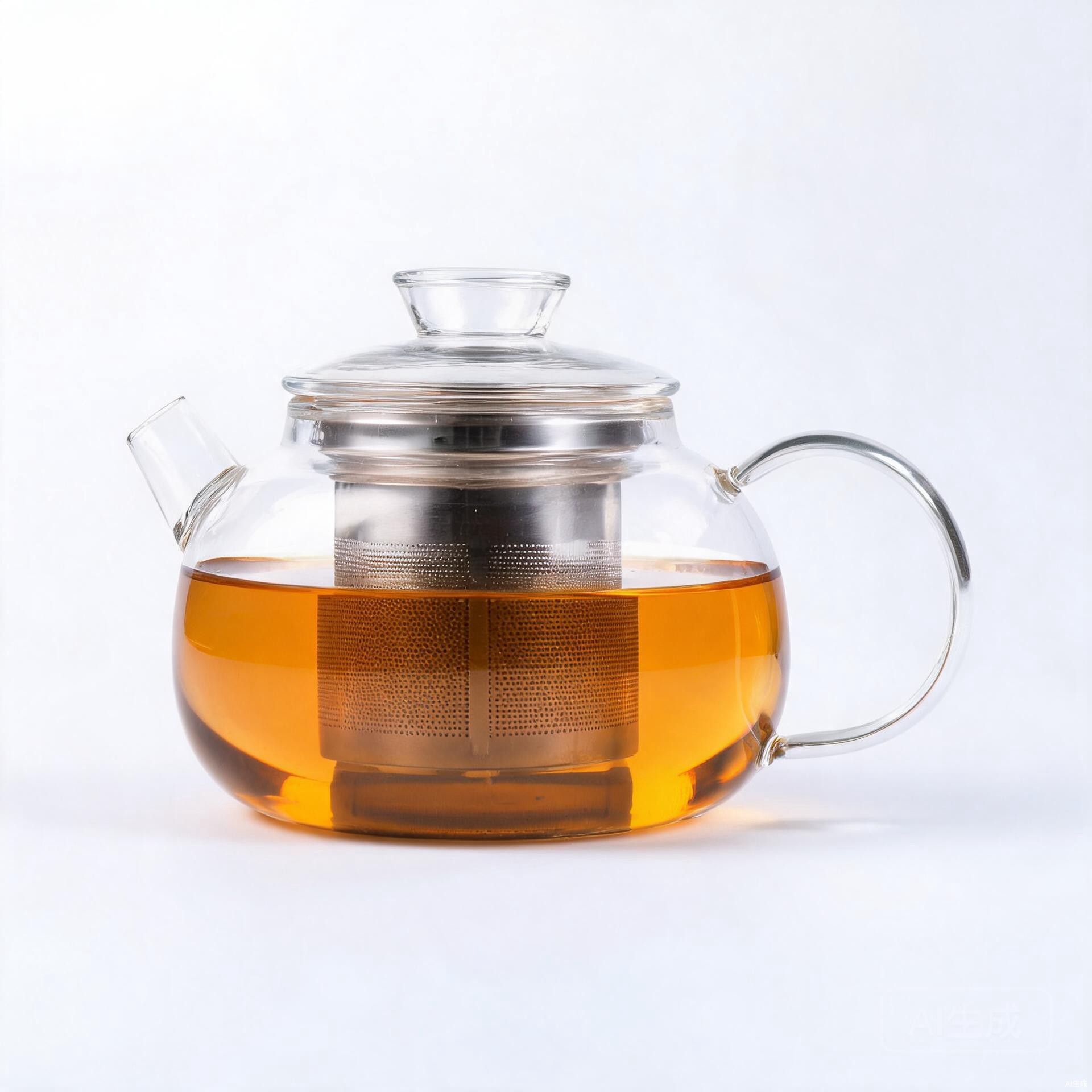
MESNEY 61oz Large Glass Teapot with Infuser
1.8L is the right size for a family pitcher of barley tea — brew once in the morning, drink it hot, then chill the rest for the afternoon.
Buy Now
17oz Double Walled Glass Coffee Mug
A caffeine-free cup you can drink right up to bedtime, with the double wall keeping the warm amber brew hot and your hands comfortable.
Buy NowFrequently Asked Questions
Does roasted barley tea have caffeine?
No — it is completely caffeine-free, because it is made from roasted grain rather than tea leaves. It can be drunk at any hour, including before bed, and is commonly given to children in Japan and Korea.
Is roasted barley tea the same as mugicha or boricha?
Yes. Mugicha is the Japanese name and boricha the Korean name for exactly this drink. All three refer to an infusion of roasted barley grains.
What does barley tea taste like?
Toasty and nutty, like the crust of good bread, with a faint natural sweetness and no bitterness at all. Iced, it becomes lighter and more refreshing; hot, it reads as warm and cereal-like.
Is barley tea gluten-free?
No. Barley is a gluten-containing grain and the proteins carry into the brew, so it is not safe for celiac disease or gluten sensitivity. Roasted buckwheat or roasted corn tea are the direct gluten-free substitutes.
How do you make barley tea without a teapot?
Simmer the grains in any saucepan for 10–15 minutes and strain through a fine sieve, or put barley tea bags in a mug and steep for 5 minutes. For cold brew, leave the grains in a jar of water in the refrigerator overnight.
Can you drink barley tea every day?
Yes — it is a caffeine-free grain infusion that is drunk daily as a household staple throughout East Asia, often several cups a day. It is one of the most ordinary everyday drinks in the world.
How long does barley tea keep?
Refrigerated in a sealed glass container, about three to four days. The flavor is best in the first two days; after that it starts to taste flat rather than spoiled.
The Bottom Line
Roasted barley tea is the rare drink that costs almost nothing, contains no caffeine and no sugar, and still tastes rich enough to replace coffee in the evening. Simmer it for fifteen minutes or cold-brew it overnight, serve it hot in winter and iced in summer, and keep a glass pot in the refrigerator door. It is the fastest-growing caffeine-free brew in America for exactly these reasons.
Brew it in a MESNEY borosilicate glass teapot — the deep amber color develops in full view, the infuser lifts the grains clean, and the same pot goes from stovetop to refrigerator without missing a step.
As an Amazon Associate, MESNEY earns from qualifying purchases. Prices and availability are subject to change.