Rose Tea: The Complete Guide to the Most Romantic Cup
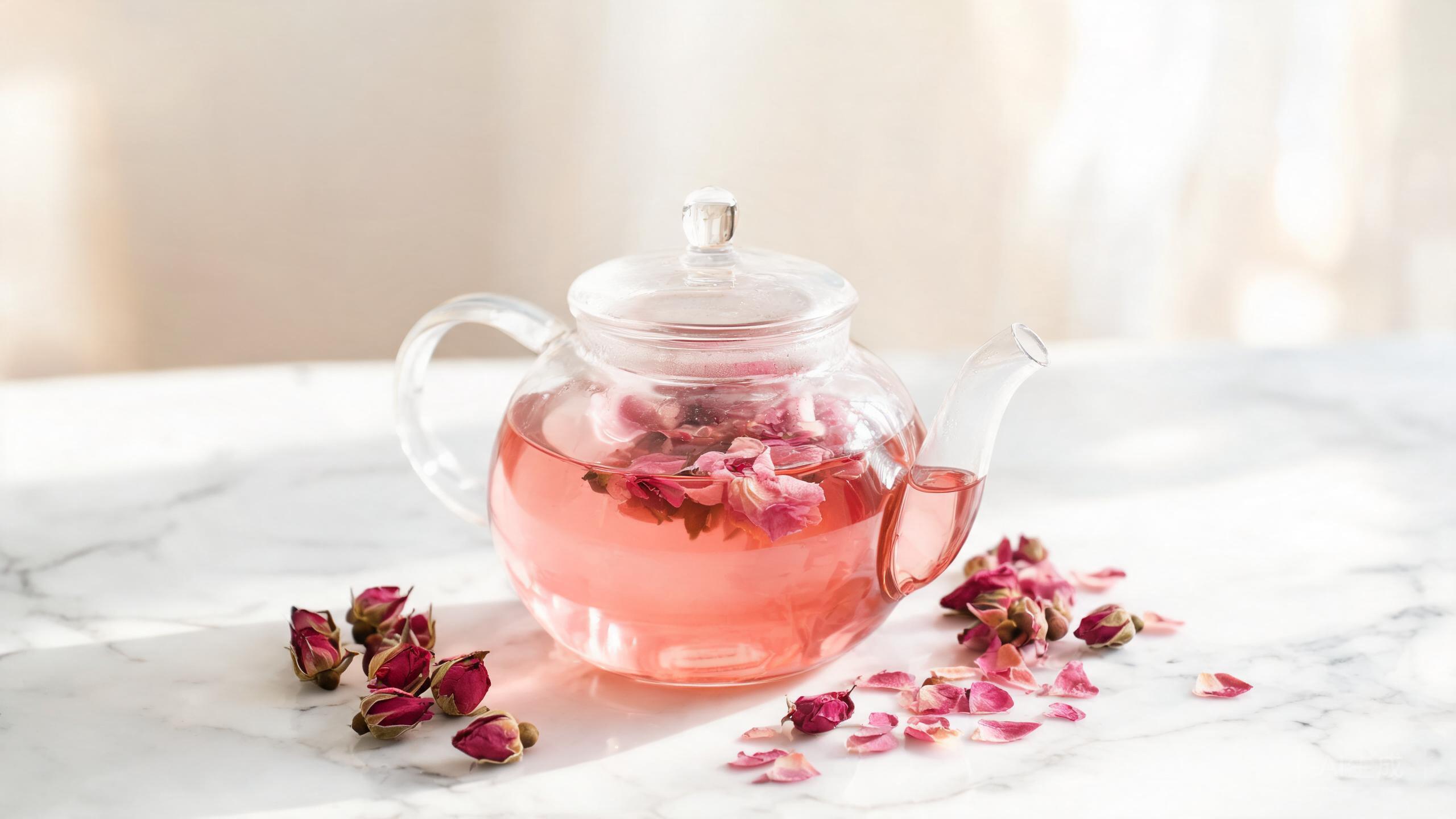
Rose tea is what happens when a flower decides to be a beverage — a blush-pink, honey-fragrant infusion of dried rose petals or buds that has been poured from Chinese teahouses to Persian gardens for a thousand years. It's the most romantic thing you can brew in five minutes, it's naturally caffeine-free, and in a clear glass teapot it is frankly unbeatable dinner-party theater.
This guide covers the difference between rose petal tea and rosehip tea (they're different drinks), what rose tea actually does, how to brew dried rose buds so they taste like perfume instead of potpourri, the blends worth making, and the glassware that makes the petals the show.
What Is Rose Tea?
"Rose tea" covers two related but distinct drinks, and knowing the difference is the whole game:
- Rose petal tea (or rose bud tea): an infusion of dried rose petals or whole dried buds — floral, sweet, perfumed, pale pink. This is the romantic one, and the one this guide is mostly about.
- Rosehip tea: an infusion of the rose plant's fruit — tangy, hibiscus-adjacent, ruby red, and famous for vitamin C. Same plant family, completely different cup.
The petal version traces to imperial China and the tea-scenting tradition — most famously rose-scented black tea, where fresh petals are layered with tea leaves so the tea absorbs the perfume. Persian and Middle Eastern cultures brew petals on their own, with honey and sometimes cardamom. Modern rose bud tea, with whole buds that unfurl as they steep, descends directly from those traditions.
Rose Petal Tea vs Rosehip Tea
| Rose Petal Tea | Rosehip Tea | |
|---|---|---|
| Made from | Dried petals or whole buds | Dried fruit (hips) of the rose |
| Color | Blush to pale pink | Ruby red |
| Taste | Sweet, floral, honeyed | Tart, fruity, hibiscus-like |
| Caffeine | None (unless blended with tea leaf) | None |
| Known for | Fragrance, romance, antioxidants | Vitamin C content, tart refreshment |
| Best served | Warm, ceremonial, evening | Hot or iced, any time |
They're both wonderful and they're not substitutes: a cup of rosehip is closer to hibiscus than to a rose garden. If the florals are what you're after, look for "rose petal," "rose bud," or dried Rosa damascena or Rosa rugosa petals.
Rose Tea Benefits: The Honest Version
- Polyphenol antioxidants. Rose petals are rich in polyphenols — the same broad class of plant antioxidants credited across the tea world. It's the least glamorous benefit and the most scientifically grounded.
- The mood ritual. Rose is aromatherapy's comfort scent, and a warm, fragrant cup works the same sensory path. Traditional Persian and Chinese use both framed rose tea as a gentle mood-lifter for exactly this reason.
- Caffeine-free calm. Like all pure floral tisanes, rose petal tea fits any hour of the day and especially the evening — sweet enough to end a meal, calm enough to end a day.
- Rosehip's vitamin C. If you're drinking the hip version, you get one of the richer botanical vitamin C sources — traditionally used in winter across Europe, where hips were a wartime staple.
- Hydration with actual flavor. The underrated benefit: a naturally sweet cup that makes drinking more water effortless.
Cautions: buy food-grade dried rose from tea or spice sellers — florist roses are sprayed with chemicals not meant for consumption, so never brew bouquet petals. If you're pregnant, rosehip in large medicinal doses is sometimes discouraged — tea amounts are traditionally considered fine, but check with your provider. And anyone allergic to roses should obviously sit this one out.
How to Make Rose Tea
Classic Rose Bud Tea (1–2 cups)
- 4–6 whole dried rose buds, or 1–2 tablespoons dried rose petals
- 8–16 oz (240–480 ml) water at 195–205°F
- Optional: 1 tsp honey
Method: steep the buds or petals 5–8 minutes, covered. Watch them unfurl — that's the show, and it's also the signal the cup is ready. Strain (or lift the infuser), sweeten lightly with honey, and serve warm. The liquor runs blush-pink to coral depending on the rose.
Persian-Style Rose and Cardamom Tea (2 cups)
- 1 tbsp dried rose petals
- 2 green cardamom pods, gently crushed
- 2 cups (480 ml) hot water, honey to taste
Method: steep petals and cardamom together 6–7 minutes, strain into small glasses, and sweeten with honey. This is the traditional Persian welcome-cup pattern — floral, gently spiced, and endlessly refilled.
Rose Milk Tea (2 servings)
- 1 tbsp dried rose petals + 1 tsp black tea
- 8 oz (240 ml) hot water
- 8 oz (240 ml) hot milk, 1–2 tsp honey, tiny pinch of ground cardamom
Method: steep the petals and black tea 4 minutes and strain; stir in honey and cardamom, then add the hot milk for a pink, perfumed café-style latte. The rose latte has become a genuine coffeehouse trend for good reason — this is the afternoon version of rose tea.
Fresh vs dried: dried buds steep deeper and more reliably — the classic form. Fresh petals from food-grade garden roses work too (use a small handful, rinsed), but expect a softer, greener cup. Either way, the honey pairing is near-mandatory: it amplifies the rose rather than fighting it, the way sugar would.
5 Rose Tea Blends Worth Brewing
- Rose + black tea: the classic Chinese scented-tea pattern — perfume with backbone, milk optional.
- Rose + cardamom: Persian style; the cardamom gives the florals somewhere warm to land.
- Rose + chamomile + lavender: the floral trio — an evening cup that smells like a garden at dusk.
- Rose + green tea: light, springlike, and the basis of most bottled rose teas.
- Rose + rosehip (iced): steep double-strength, chill, and serve over ice — pink, tart-sweet, and the prettiest thing you'll pour all summer.
Why Glass Is Rose Tea's Stage
Rose tea is the one herbal infusion where the vessel is half the experience. Whole dried buds unfurl dramatically as they steep — petals slowly opening in the water like time-lapse bloom — and a borosilicate glass teapot turns that into the entire point of the ritual. The blush-pink liquor shows honestly in glass, the infuser basket lifts the spent flowers clean out, and for the Persian pour, small double-wall glasses keep the welcome cup warm through a long conversation. Ceramic keeps a secret; glass gives the show away.

40oz Glass Teapot with Infuser
Made for the bloom: whole rose buds open wide in the clear borosilicate body while the deep infuser basket holds every petal for a clean lift-and-pour. Blush pink tea, zero straining, full show.
Buy Now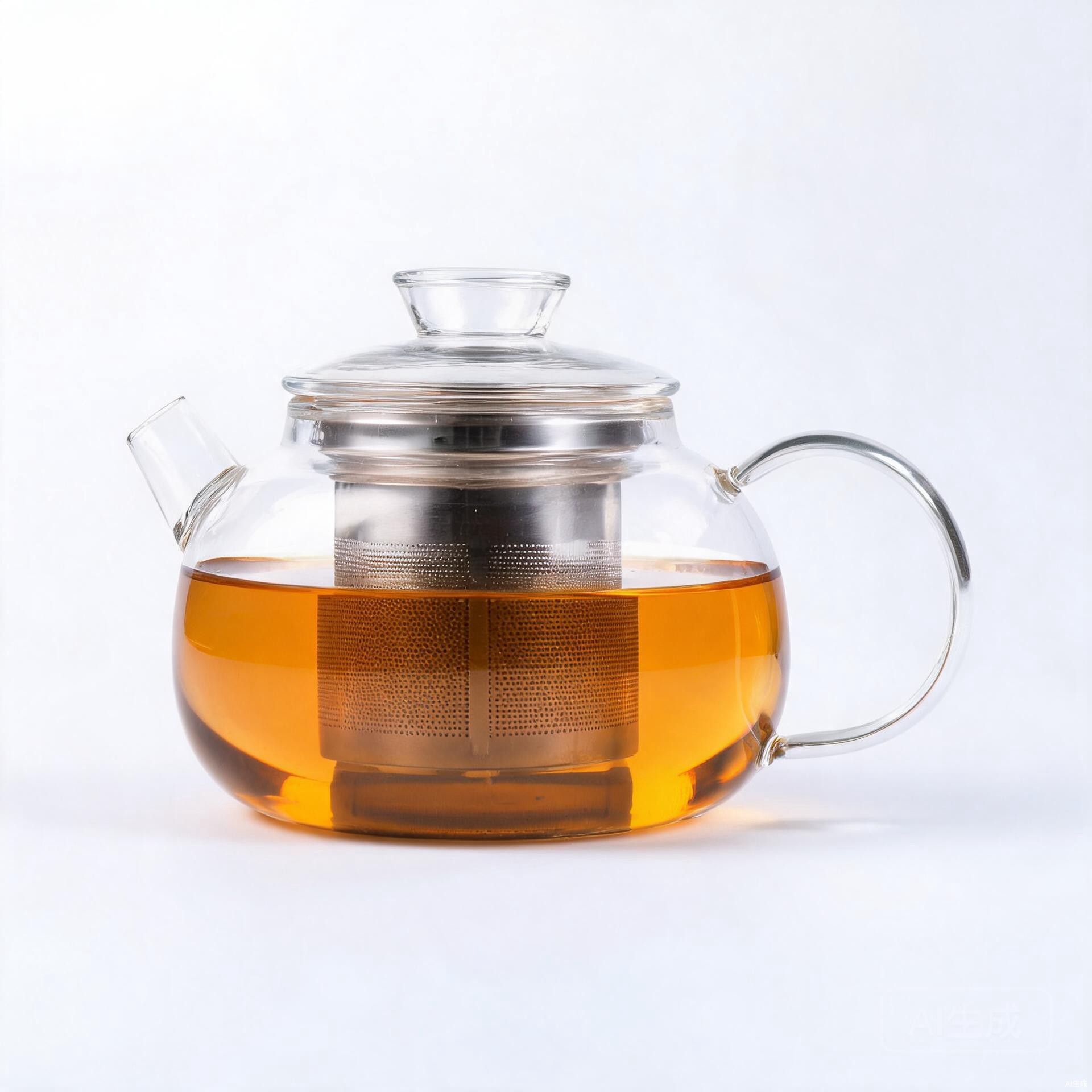
MESNEY 61oz Large Glass Teapot with Infuser
1.8L of blush-pink rose tea with buds still blooming in the glass — the centerpiece pour for a dinner table.
Buy Now
17oz Double Walled Glass Coffee Mug
The rose milk latte belongs in glass — double walls hold the warmth while the pink layers stay visible to the last sip.
Buy NowFrequently Asked Questions
Does rose tea have caffeine?
Pure rose petal or rose bud tea is caffeine-free. Blends with black or green tea leaves (like the rose milk tea above) do contain caffeine — check the ingredient list if it matters.
Rose tea or rosehip tea — which should I drink?
Choose petals for fragrance, romance, and evening calm; choose hips for vitamin C, tartness, and iced refreshment. They come from the same plant but deliver completely different cups.
What does rose tea taste like?
Sweet, soft, and perfumed — closer to how a rose smells than how you'd expect, with a honeyed finish and no tartness. Rosehip, by contrast, is tangy and fruity. Neither tastes "flowery" in the potpourri sense when brewed from good food-grade buds.
Can I use rose petals from a bouquet?
No — florist roses are treated with pesticides and preservatives not approved for food. Buy dried rose buds or petals sold for tea or culinary use; they're inexpensive and widely available.
Is rose tea good for skin?
Traditional systems from Persia to China have long associated rose tea with complexion, and modern interest focuses on its polyphenol antioxidants. Hydration plus antioxidants is a fair, honest framing — beyond that, enjoy it for the cup it is.
How many rose buds per cup?
4–6 whole dried buds per 8 oz cup, steeped 5–8 minutes, is the standard. More buds means deeper pink and stronger perfume — there's a lot of room for taste here, which is part of the fun.
The Bottom Line
Rose tea is the easiest luxury in the pantry: a handful of dried buds, five minutes, and a blush-pink cup that smells like a garden and costs almost nothing. Buy food-grade buds, know your petals from your hips, take it with honey, and pour it where people can see it.
Steep it in a MESNEY borosilicate glass teapot — the buds bloom in full view, the infuser lifts clean, and the most romantic cup in the world gets the stage it deserves.
As an Amazon Associate, MESNEY earns from qualifying purchases. Prices and availability are subject to change.