Rosehip Tea: The Complete Guide to the Tangy Vitamin C Brew
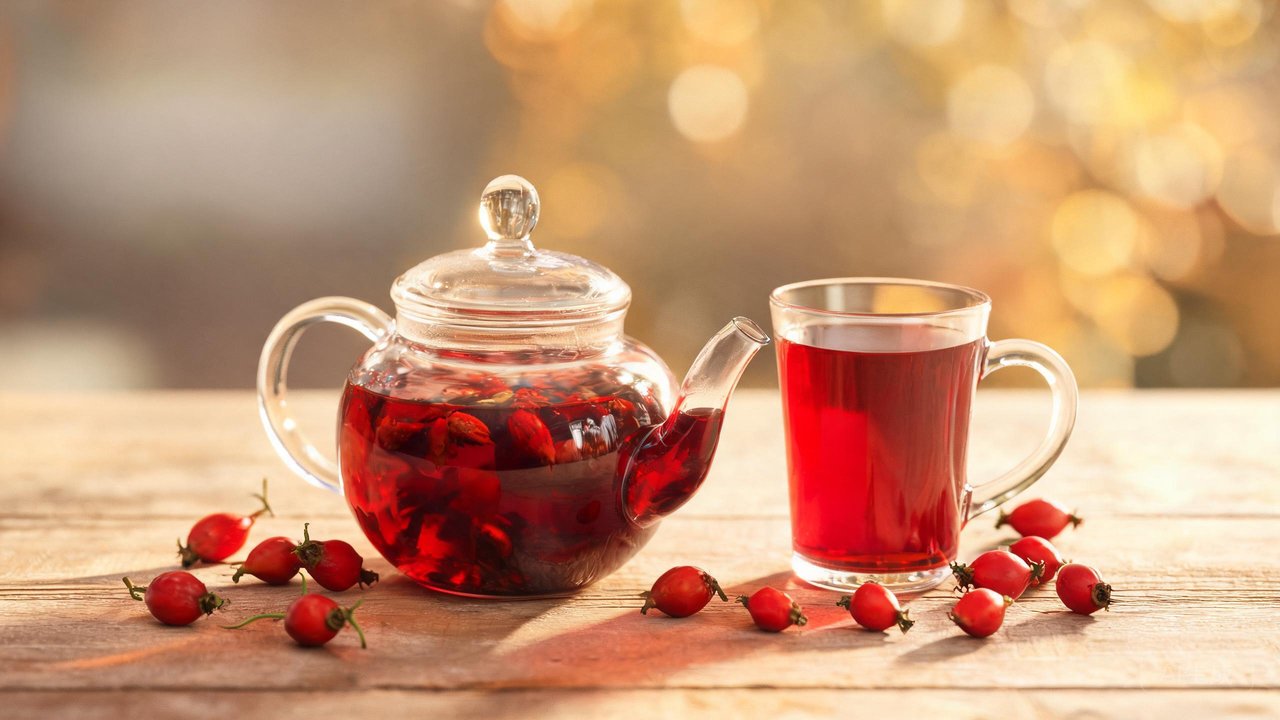
Rosehip tea is the tangy, ruby-red herbal brew made from the fruit of the rose plant — and one of the richest natural sources of vitamin C you can drink. It's caffeine-free, naturally tart like hibiscus but softer, and it's been a cold-season staple in Europe for centuries, where a pot of rosehip tea is what you reach for when the weather turns.
This guide covers what rosehip tea is, how much vitamin C it really has, what it tastes like, how to brew dried rosehips the right way (they need longer than you think), the best flavor pairings, and the glassware that shows off that gorgeous ruby color.
What Is Rosehip Tea?
Rosehip tea is an herbal infusion made from the dried fruit — the "hip" — that forms beneath rose flowers after they bloom and fall. The hips are harvested, dried, and either steeped whole or cut into pieces for tea bags and loose-leaf blends.
Like all true herbal teas, rosehip tea contains no leaves from the Camellia sinensis tea plant, which means it's naturally 100% caffeine-free. The fruit contributes a bright, tart flavor that's often compared to hibiscus or a very light cranberry — tart enough to be interesting, sweet enough that most people enjoy it plain.
Rosehip Tea and Vitamin C
The reason rosehip tea has earned its reputation is simple: by weight, rosehips are among the most vitamin C-rich fruits in the natural world — generally higher than oranges. This isn't a marketing claim, it's a documented nutritional fact about the fruit itself.
An important nuance: vitamin C is water-soluble and sensitive to heat, so the amount that ends up in your cup depends on how you brew. Whole dried rosehips steeped gently (not boiled) retain more vitamin C than powdered blends that sit on a shelf for months. Rosehip tea is a lovely daily vitamin C habit — just don't treat it as a replacement for medical advice or supplements.
Rosehip Tea Benefits: What It's Known For
- Natural vitamin C. Rosehips are famously rich in vitamin C, which supports immune function as part of a healthy diet — the classic cold-season cup.
- Antioxidants. Rosehips contain a range of natural antioxidant plant compounds, including polyphenols, which is why the tea has a long traditional use as a wellness drink.
- Joint comfort. Rosehip extracts are among the most-researched natural options for joint comfort in traditional European use — though most of that research is on concentrated supplements, not tea.
- Naturally caffeine-free. A bright, tart, satisfying brew you can drink in the evening without any caffeine.
What Does Rosehip Tea Taste Like?
Rosehip tea is tart and fruity with a delicate floral edge — think hibiscus without the intense sourness, or a light, dry cranberry with a whisper of rose. There's no bitterness, even over-steeped, which makes it one of the easiest herbal teas to love. The color alone — a deep ruby that catches the light — is half the appeal.
How to Make Rosehip Tea (The Right Way)
Most people steep rosehip tea for 3 to 5 minutes like a black tea — and get a pale, weak cup. Dried rosehips are dense and need 10 to 15 minutes to fully release their color and flavor. This is the single biggest rosehip brewing mistake.
Perfect Rosehip Tea (1 cup)
- 1 heaping teaspoon whole dried rosehips (or 2 teaspoons if cut)
- 8 oz (240 ml) water at 200°F (just off the boil)
- Optional: a drizzle of honey and a slice of orange
Method: Place the rosehips in a glass teapot with infuser, pour the hot water over, and cover. Steep 12 minutes — the water should turn a deep ruby red. Strain into a glass mug, sweeten lightly if you like, and drink warm. For a stronger cup, use more hips rather than steeping longer.
Whole vs cut: whole rosehips take the full 15 minutes; cut rosehips steep faster (about 8 minutes) and give a deeper color faster. Either way, cover the pot so the volatile aroma stays in the cup.
The Best Rosehip Tea Blends
- Rosehip & hibiscus: the classic tart duo — rosehip's soft tang plus hibiscus's deep sour makes a bright, refreshing cup, hot or iced.
- Rosehip & ginger: a slice of fresh ginger adds warming spice that turns rosehip into the perfect cold-season cup.
- Rosehip & chamomile: chamomile's apple-sweetness softens rosehip's tart edge into a gentle evening blend.
- Rosehip iced tea: double-strength, chilled, over ice with orange slices — a gorgeous ruby pitcher for warm afternoons.
Why Glass Is the Right Home for Rosehip Tea
Rosehip tea is the most visually striking cup in the herbal cabinet — a deep ruby red that looks like a gemstone in the right vessel. A clear borosilicate glass teapot shows the color slowly developing as the hips release, and it holds no residual color or flavor between batches (rosehip can stain some teapots). A double-wall glass mug keeps the cup hot through the slow, tart, warming sip.

40oz Glass Teapot with Infuser
Built for the daily rosehip ritual: about 4 cups, enough for a morning cup and an evening cup. Load the infuser basket with dried rosehips, pour hot water, cover, steep 12 minutes, and watch the water turn ruby red. The borosilicate glass shows the color developing.
Buy Now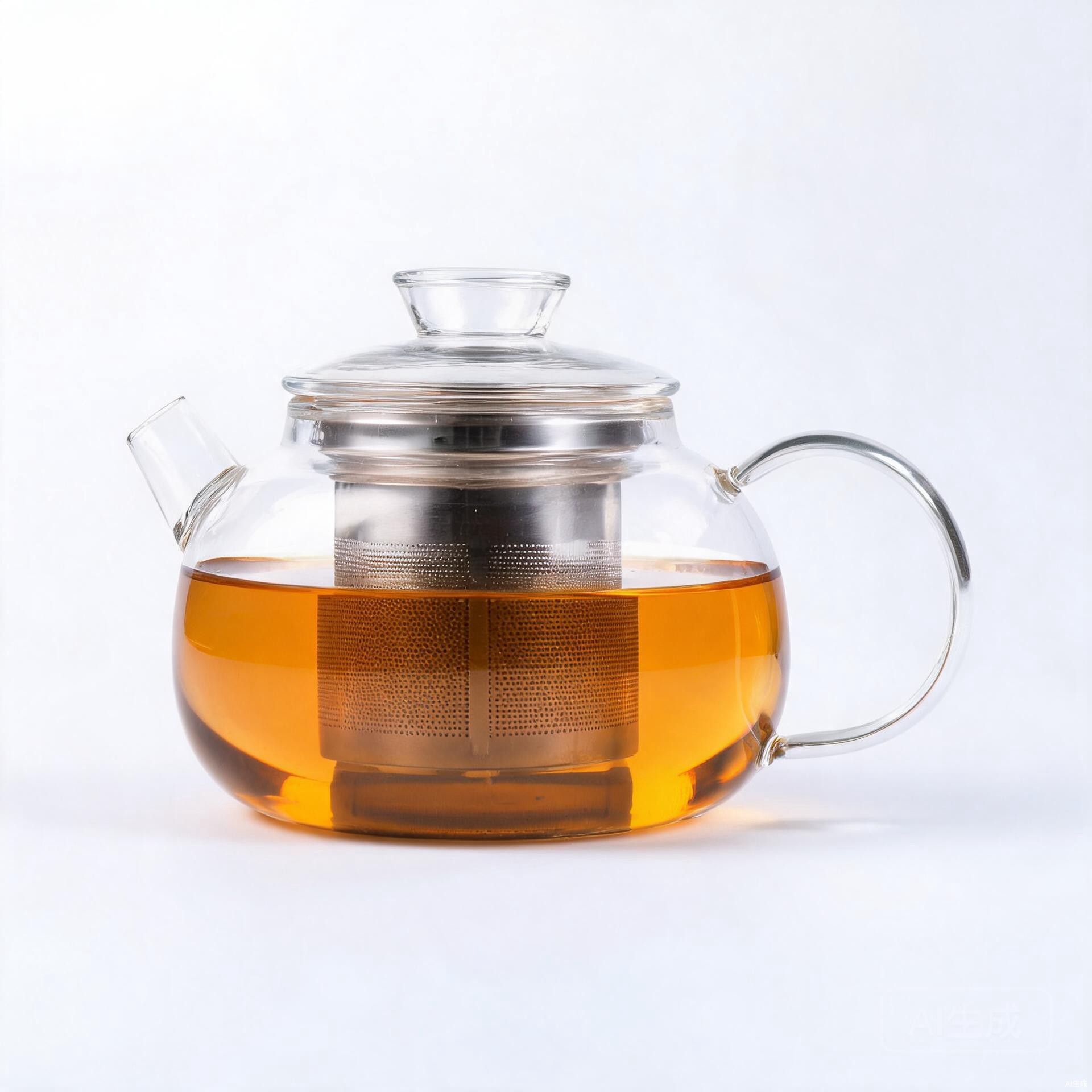
MESNEY 61oz Large Glass Teapot with Infuser
The big-batch size for a full pitcher of iced rosehip tea or a family cold-season supply. 1.8L, deep infuser basket, same zero-flavor-retention glass.
Buy Now
17oz Double Walled Glass Coffee Mug
The insulated double wall shows off the ruby red tea while keeping it warm through a whole slow sip — the outside stays cool to hold.
Buy NowFrequently Asked Questions
Is rosehip tea high in vitamin C?
Yes — by weight, dried rosehips contain more vitamin C than oranges. Gently brewed whole hips retain more than heavily processed blends, but any rosehip tea is a pleasant daily vitamin C habit.
Does rosehip tea have caffeine?
No. Rosehip is the fruit of the rose plant, not the caffeinated tea plant, so pure rosehip tea is naturally 100% caffeine-free.
How long should I steep rosehip tea?
10 to 15 minutes for whole dried rosehips, about 8 minutes for cut hips. This is much longer than black tea — the dense hips need time to release their color and flavor.
What does rosehip tea taste like?
Tart and fruity with a delicate floral edge — like a milder hibiscus or a light, dry cranberry. It's never bitter, even over-steeped.
Can you drink rosehip tea cold?
Yes — brew it double-strength, chill, and serve over ice with orange slices. It makes one of the most beautiful iced teas you'll ever pour.
The Bottom Line
Rosehip tea is the rare health-adjacent drink that's also genuinely delicious: tangy, fruity, naturally caffeine-free, and loaded with vitamin C — all in a cup that looks like a glass of ruby wine. Steep whole dried hips the full 12 minutes under a cover, add a little honey if you like, and you'll have a cold-season ritual worth keeping.
Brew it in a MESNEY glass teapot: watch the water deepen to ruby red as the hips release, keep them in the deep infuser basket, and serve in a double-wall glass mug that holds the warmth — and the color — all the way down.
As an Amazon Associate, MESNEY earns from qualifying purchases. Prices and availability are subject to change.