Sage Tea: The Complete Guide to the Ancient Kitchen Herb

Sage tea is the savory herb infusion made from the same grey-green leaves that season roast chicken and brown butter — a warm, resinous, faintly minty brew with one of the longest medicinal pedigrees of any kitchen plant. Its botanical name, Salvia, comes from the Latin for "to save," and European herbal tradition treated it accordingly.
This guide covers what sage tea actually is, its best-known traditional uses, how to brew fresh versus dried leaves so it tastes herbal rather than medicinal, the blends worth making, and the daily limits worth respecting for a herb this potent.
What Is Sage Tea?
Sage tea is an infusion of the leaves of Salvia officinalis, the common culinary sage, steeped in hot water. It is caffeine-free, strongly aromatic, and noticeably savory — closer to a broth-adjacent herb tea than to anything floral. The flavor is earthy and resinous with a cooling, almost camphor-like finish and a slight bitterness if it steeps too long.
Its history is genuinely remarkable. Sage appears in European herbal manuscripts going back to antiquity, was grown in monastery physic gardens through the Middle Ages, and was a standard household remedy in both European and early American kitchens. Chinese tradition developed its own sage varieties for tea, and the red sage of traditional Chinese practice is a different plant used quite differently — worth knowing, since the two are sometimes conflated.
Sage Tea: Traditional Uses
- The classic throat herb. This is sage's most enduring use. Sage contains astringent tannins that tighten and coat irritated tissue, which is why a warm sage gargle or tea remains a standard traditional remedy for a scratchy throat.
- Digestive comfort after rich food. Sage has long been served alongside heavy or fatty dishes — the same instinct that puts it in stuffing and pork dishes. A cup after a rich meal is the traditional European pattern.
- Associated with memory and focus. Sage's old reputation as the herb of wisdom is the origin of its name, and modern research has taken a modest interest in it. The evidence remains early, and the tradition is the more reliable part of the story.
- Menopause-related comfort. Sage is one of the herbs most often cited in traditional practice for night sweats and hot flushes, though this is a traditional rather than a clinical claim.
- Caffeine-free and warming. A savory, warming cup for cold evenings when you have had enough coffee.
Cautions that matter here. Sage is a potent herb, not a gentle everyday tea — keep it to one or two small cups a day and treat it as a short-term, purposeful brew rather than an all-day drink. Sage contains thujone, and large or long-term doses are traditionally avoided, particularly during pregnancy and breastfeeding. Because it can affect blood sugar and clotting, anyone on diabetes or blood-thinning medication should check with a clinician first. Do not use concentrated sage essential oil internally.
Fresh vs Dried Sage
| Fresh Sage | Dried Sage | |
|---|---|---|
| Flavor | Brighter, greener, less resinous | Deeper, more concentrated, more medicinal |
| Amount per cup | 5–8 leaves | 1 teaspoon crumbled |
| Steeping time | 5–7 minutes | 4–5 minutes |
| Bitterness | Low if not over-steeped | Rises quickly — watch the clock |
| Best for | Drinking and garnishing | Convenience, and stronger medicinal brews |
How to Make Sage Tea
Classic Fresh Sage Tea (1 cup)
- 5–8 fresh sage leaves, lightly bruised
- 8 oz (240 ml) water at about 200°F
- Optional: a teaspoon of honey, a slice of lemon
Method:
- Roll the leaves between your fingers or press them with the back of a spoon to bruise the surface — sage's oils sit in tiny glands that need to be broken to release.
- Pour hot, not boiling, water over the leaves. A hard boil pulls out the bitter compounds first.
- Cover and steep 5–7 minutes. Taste at five; past eight the cup turns noticeably medicinal.
- Strain and finish with honey and lemon — the acidity balances sage's resinous edge remarkably well.
Dried Sage Tea (1 cup)
- 1 teaspoon dried sage
- 8 oz (240 ml) hot water
- Honey and lemon
Method: steep the dried sage for 4–5 minutes, covered, then strain thoroughly. Dried sage is roughly three times as concentrated as fresh, so do not scale the amount up — a longer steep is the wrong lever.
Sage and Honey Throat Tea (1 cup)
- 6 fresh sage leaves or 1 teaspoon dried
- 1 teaspoon fresh thyme (optional)
- 1 cup (240 ml) hot water
- 1–2 teaspoons raw honey, juice of ½ lemon
Method: steep the herbs 5 minutes, strain, then stir in the honey and lemon while the tea is still hot enough to dissolve them. This is the traditional cold-season cup — warming, astringent, and soothing on a scratchy throat.
The bitterness rule: if sage tea tastes harsh, it is almost always steep time rather than quantity. Sage's tannins extract slowly at first and then very fast, so a four-minute cup and an eight-minute cup from the same leaves are completely different drinks. Set a timer the first few times.
Sage Tea Blends Worth Making
- Sage and honey with lemon: the classic throat-soothing combination, and the best introduction to the herb.
- Sage and thyme: two resinous Mediterranean herbs together — a strong winter cup, and a traditional pairing.
- Sage and mint: mint softens sage's camphor note and makes a surprisingly refreshing iced tea.
- Sage and rosemary: deeply savory and aromatic; a good after-dinner digestive for rich meals.
- Sage and ginger with honey: warming on both counts, and the version most people reach for at the first sign of a winter chill.
Why Glass Suits Sage Tea
Sage is an intensely aromatic herb whose oils linger — in a mug, in a pot, and in whatever you brew next. A borosilicate glass teapot solves that directly: its non-porous surface releases the sage oils completely in the wash instead of holding them, so your next delicate green tea will not taste faintly of roast chicken. Glass also lets you watch the leaves unfurl and the liquor deepen to a pale olive-gold, which is the most reliable signal that the steep has gone far enough.

40oz Glass Teapot with Infuser
Made for a timed steep: the infuser basket lifts the sage out the moment it is ready, so you never over-extract the tannins into bitterness — and the non-porous glass releases sage's strong oils completely instead of carrying them into your next pot.
Buy Now
17oz Double Walled Glass Coffee Mug
Sage is a one-cup herb, and a warm honey-sweetened cup belongs in a mug that keeps it hot to the last sip without burning your hands.
Buy Now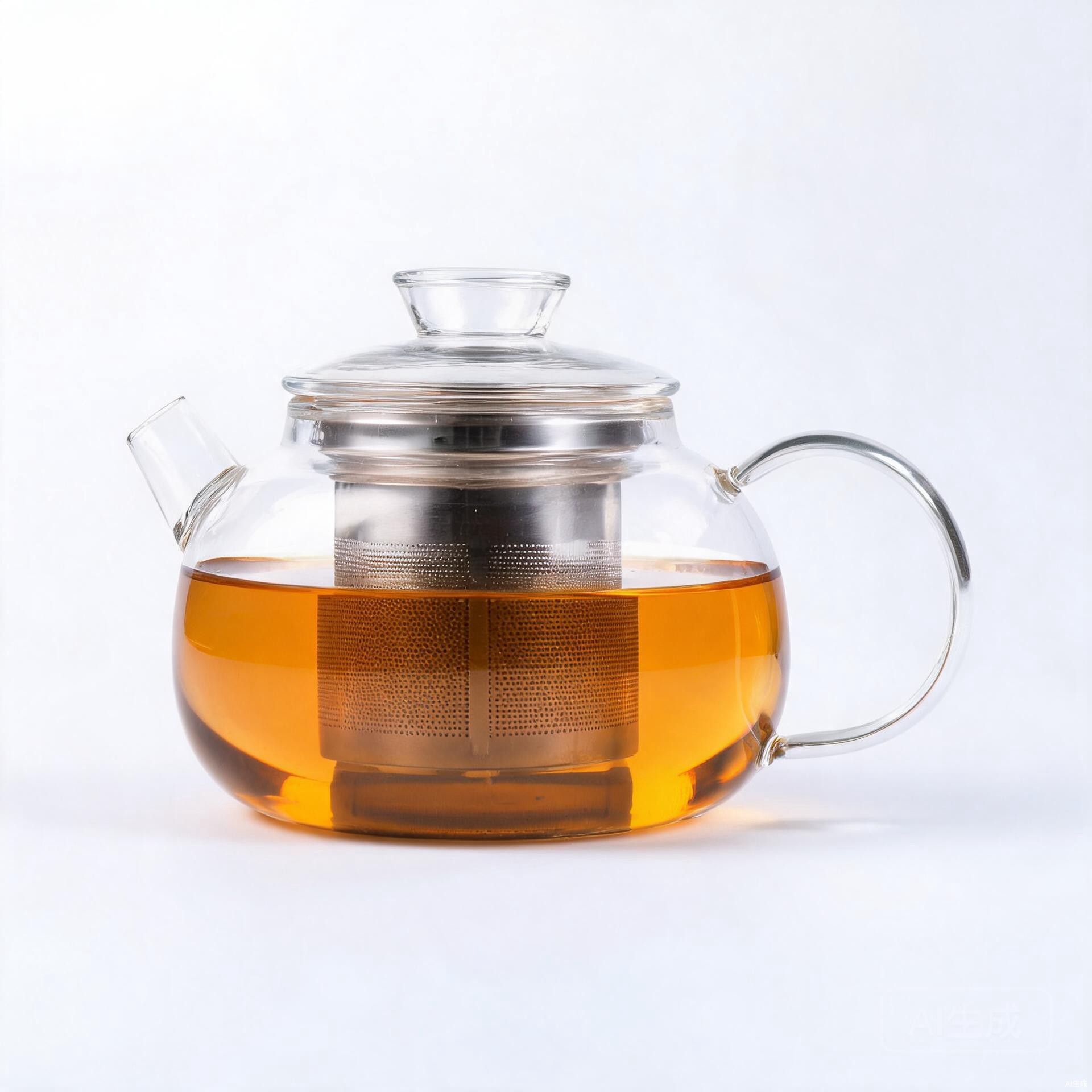
MESNEY 61oz Large Glass Teapot with Infuser
1.8L for a full garden-herb pot — sage, thyme, rosemary, and mint — enough for the table after a long autumn meal.
Buy NowFrequently Asked Questions
Does sage tea have caffeine?
No — sage is a pure herb infusion with no caffeine, so it can be drunk in the evening. That said, sage tea is best treated as a one-to-two-cup-a-day herb rather than an all-day drink.
What does sage tea taste like?
Earthy, savory, and aromatic, with a cooling, faintly minty finish and a light bitterness if it steeps too long. It tastes like the herb smells, only softer. Honey and lemon make it considerably more approachable.
How much sage tea can I drink a day?
Keep it to one or two small cups a day, and treat it as a short-term brew rather than a permanent daily habit. Sage is potent, and traditional practice has always used it in modest, purposeful amounts.
Is sage tea good for a sore throat?
It is one of the classic traditional throat herbs — the tannins are astringent and a warm honey-sweetened cup is genuinely soothing. It is comfort rather than treatment; a sore throat that persists or comes with fever needs a doctor.
Can I use the sage from my spice rack?
Yes, dried culinary sage is exactly right. Use one teaspoon per cup and check that it still smells strongly aromatic — old sage makes a flat, dusty cup.
Can I drink sage tea while pregnant?
Sage is traditionally avoided in medicinal amounts during pregnancy and breastfeeding because of its thujone content. Culinary use in food is unremarkable, but check with your provider before drinking the tea.
Is sage tea the same as red sage tea?
No. Common sage (Salvia officinalis) is the kitchen herb described here. Red sage (Salvia miltiorrhiza) is a different plant used in traditional Chinese medicine for entirely different purposes and should not be substituted.
The Bottom Line
Sage tea is the kitchen herb that earns its old reputation: savory, warming, caffeine-free, and genuinely useful in cold season and after heavy meals. Bruise the leaves, keep the steep to five minutes, and finish it with honey and lemon. One or two cups a day is the right amount for a herb this strong.
Brew it in a MESNEY borosilicate glass teapot so you can lift the leaves at exactly five minutes, and let the glass release sage's oils cleanly instead of carrying them into tomorrow's cup.
As an Amazon Associate, MESNEY earns from qualifying purchases. Prices and availability are subject to change.