Sencha Green Tea: A Complete Guide to Brewing Japan's Everyday Tea

Sencha is Japan's everyday green tea — a steamed, unshaded loose-leaf tea that brews to a bright yellow-green cup with a fresh, grassy aroma and a clean umami finish. It accounts for roughly two-thirds of all tea produced in Japan, and once you taste it brewed properly, it is easy to see why.
This guide explains what sencha is, how it differs from matcha and other Japanese greens, why brewing temperature matters more than anything else, how much caffeine it contains, and how to make both a hot cup and a cold-brewed one at home.
What Is Sencha?
Sencha is a loose-leaf Japanese green tea. The leaves are steamed almost immediately after picking, which halts oxidation and locks in the tea's fresh, vegetal character. They are then rolled and dried into the familiar thin, needle-like shape.
Unlike matcha — which is a powdered tea whisked into water — sencha is steeped and strained. Unlike gyokuro, which is shaded before harvest to boost sweetness, sencha is grown in full sun. That combination of full-sun growing and immediate steaming is what makes sencha taste bright, grassy, and slightly marine, with a gentle bitterness and a long umami finish.
Sencha is not a single grade but a whole category. The best leaves — whole, dark green, and glossy — are sold as loose leaf; the smaller broken leaves and dust go into tea bags.
How Sencha Is Made
The defining step is steaming. Within hours of picking, the leaves are blasted with steam for anywhere from twenty seconds to two minutes. This deactivates the enzymes that would otherwise cause oxidation, fixing the leaf in its green state and preserving the fresh aroma.
After steaming, the leaves are rolled and shaped through several passes, then slowly dried. The whole process takes roughly half a day from leaf to finished tea. Longer steaming produces a deeper green, more intensely flavored tea called fukamushi; shorter steaming gives the lighter, more delicate asamushi style. Neither is better — they are simply different textures of the same tea.
Sencha vs. Matcha vs. Gyokuro
| Sencha | Matcha | Gyokuro | |
|---|---|---|---|
| Form | Loose leaf | Stone-ground powder | Loose leaf |
| Growing | Full sun | Shaded before harvest | Shaded 3+ weeks |
| Brewing | Steep and strain | Whisk into water | Steep in low-temperature water |
| Flavor | Grassy, fresh, gently astringent | Intensely umami, creamy | Deeply sweet, savory |
| Caffeine | Moderate | Highest | High |
| Best for | An everyday cup | Ceremonial or latte | A slow, special cup |
If you want a whisked, frothy cup instead, our matcha latte guide covers the method; the roasted hojicha style is the low-caffeine, toasty alternative.
Sencha Green Tea Benefits
Sencha is a minimally processed green tea and retains a high level of the leaf's natural compounds. It is not a medicine, and the points below describe general properties of green tea rather than treatment of any condition.
| Property | Why it matters day to day |
|---|---|
| Catechins | Green tea is rich in EGCG and related catechins because oxidation is halted early. |
| L-theanine | An amino acid associated with the calm, focused feeling green tea is known for. |
| Moderate caffeine | Less than coffee, enough for a morning or early afternoon lift. |
| Zero calories | Nothing added — a genuinely calorie-free drink. |
| Hydrating | Much of the cup is water and counts toward daily fluid intake. |
How to Brew Sencha
Sencha is the tea most often ruined by boiling water. Green tea leaves are delicate and unoxidized, and near-boiling water scorches them into a harsh, bitter cup within seconds. The single most useful habit you can build is to stop the kettle well before it boils.
Classic Hot Sencha (one 8oz cup)
- 1 teaspoon (about 2g) loose-leaf sencha
- 8 oz (240 ml) water at 160–180°F (70–80°C)
- Nothing else — sencha needs no milk, sugar, or lemon
Method:
- Boil the water, then let it cool in the kettle or pour it between two cups. If you use a glass teapot, pour the hot water in first and wait a minute — you can watch the steam settle and judge the temperature by eye.
- Add the sencha leaves. Unlike black tea, sencha is brewed with the leaves in gentle motion, not pressed.
- Steep 60–90 seconds. This is short by black tea standards, and deliberately so: sencha extracts fast.
- Pour immediately. A good sencha should be a clear, bright yellow-green — never a dark olive or brown.
- Re-steep the same leaves. A second and even third infusion are traditional in Japan; the second is often sweeter and the third lighter. Add just 10–15 seconds each time.
The Japanese habit worth copying: keep the water cool and the steep short. Most people who think they dislike green tea have simply been drinking it brewed with boiling water. Drop the temperature by twenty degrees and the same leaf tastes sweet rather than bitter.
Cold Brew Sencha
Sencha makes one of the most refreshing cold teas in the world — naturally sweet, with none of the bitterness that hot water can pull out.
Cold Brew Sencha (1 liter)
- 2 tablespoons (about 8g) loose-leaf sencha
- 1 liter (4 cups) cold filtered water
- Optional: a slice of lemon, or a sprig of mint
Method: combine the leaves and cold water in a glass teapot or pitcher and refrigerate for 4–8 hours. Strain and serve over ice. Cold extraction pulls the sweet amino acids first and leaves the bitter catechins behind, so the cup tastes rounder and sweeter than a hot brew. It also keeps in the refrigerator for a day or two without turning harsh. Our cold brew tea guide covers the wider method, and the iced matcha latte guide is the powdered-tea counterpart.
Sencha Caffeine
An 8oz cup of sencha contains roughly 20–40mg of caffeine — noticeably less than a cup of black tea, and about a quarter of a standard coffee. Because sencha is brewed at a low temperature for a short time, less caffeine is extracted per cup than from the same weight of black tea. A second infusion carries less again, which is why sencha can comfortably be drunk in the afternoon.
Sencha Grades and Harvests
- First harvest (shincha): Picked in late spring from the year's first new leaves. Brighter, sweeter, and the most prized — also the most perishable.
- Second and later harvests: More astringent and less aromatic, though still excellent value.
- Asamushi: Lightly steamed, with long intact needles. Delicate and clear.
- Fukamushi: Deeply steamed, with fine broken leaves. Stronger, greener, and more full-bodied.
- Loose leaf vs. bags: Whole loose leaf brews a cleaner, sweeter cup and re-steeps well. Bags use smaller particles that extract fast and turn bitter quickly.
Storing Sencha Properly
Green tea is far more perishable than black tea. Its fresh aroma is the first thing to go, and light, heat, and air all accelerate the process.
Keep it cold, dark, and sealed. Store sencha in an airtight opaque tin away from the stove, or in the refrigerator for longer storage — but always let the container come to room temperature before opening it, or condensation will ruin the leaf. Green tea is at its best within a few months of opening, so buy smaller quantities more often rather than a year's supply at once.
Frequently Asked Questions
What does sencha green tea taste like?
Fresh, grassy, and slightly marine, with a gentle bitterness and a clean umami finish. Brewed with water that is too hot, the same leaf turns sharply bitter — temperature is the single biggest factor in how sencha tastes.
What is the best water temperature for sencha?
160–180°F (70–80°C), steeped for only 60–90 seconds. Boiling water scorches green tea leaves and produces a harsh, astringent cup.
Does sencha have more caffeine than matcha?
No. Matcha contains more caffeine per serving because you consume the entire ground leaf. A cup of sencha has roughly 20–40mg, while a serving of matcha typically has 60–70mg.
Can you drink sencha tea cold?
Yes — cold-brewed sencha is one of the most refreshing ways to drink it. Steep the leaves in cold water for 4–8 hours, then strain. The cold method extracts sweetness first and leaves bitterness behind.
How many times can you re-steep sencha?
Two to three times. The second infusion is often the sweetest and the third lightest. Add only 10–15 seconds to each subsequent steep, and keep the water temperature low.
Final Thoughts
Sencha is the most rewarding green tea to learn because it responds so directly to technique. Cool the water to 160–180°F, steep for a minute, pour it off the leaves, and a grassy, umami-rich cup appears where bitterness would otherwise be. Buy fresh, store it cold and dark, and re-steep — the second cup is often better than the first.
Glass is the natural home for sencha. The whole judgment call is color: a bright yellow-green means the steep is right, and a dark olive means it has gone too far. A clear borosilicate teapot shows you that instantly, and the leaves unfurl beautifully against the glass as they open. Our picks:

40oz Glass Teapot with Infuser
The one pot that lets you watch for the exact moment sencha turns from bright yellow-green toward olive — the signal to pour immediately. The fine infuser holds delicate needle leaves without letting them through.
Buy Now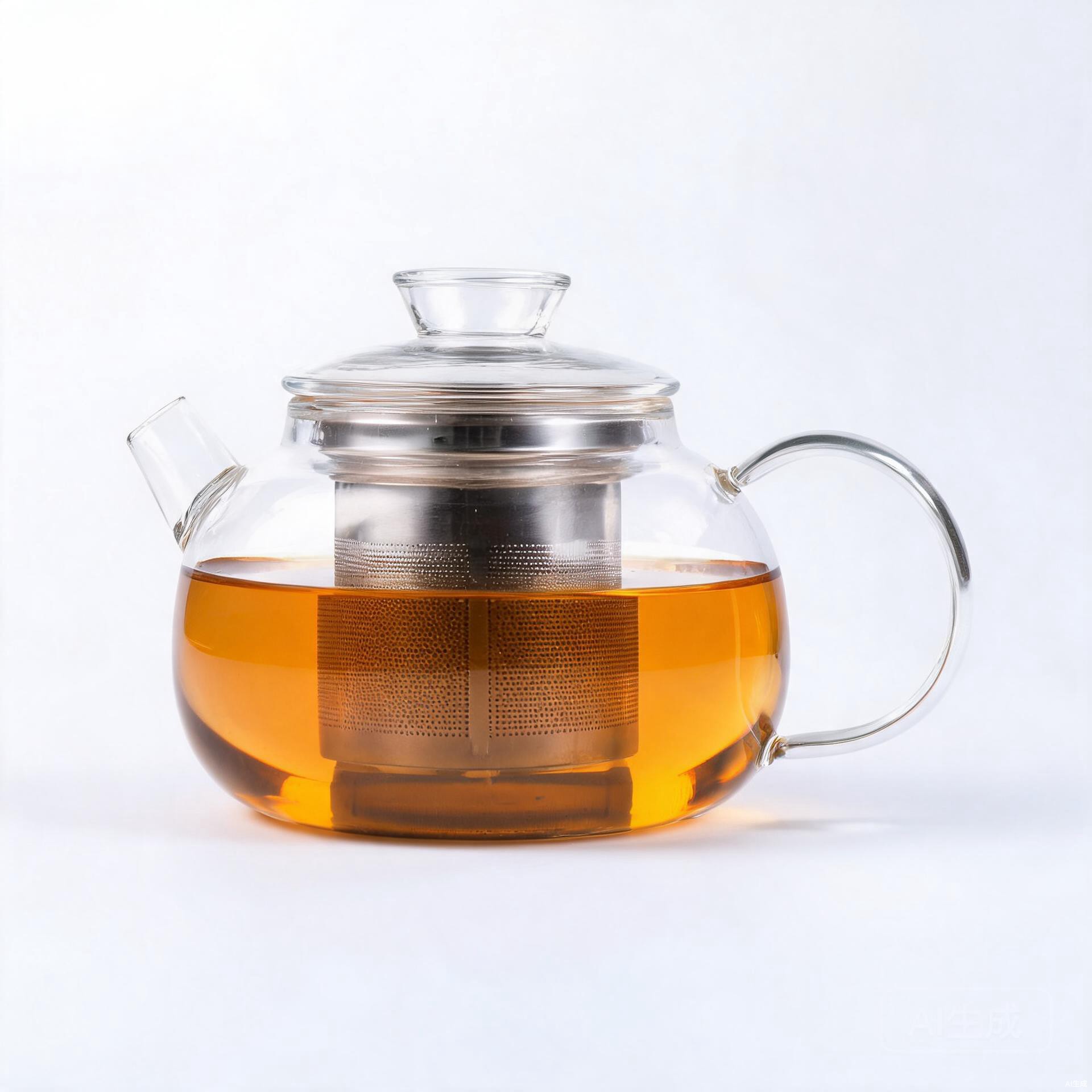
MESNEY 61oz Large Glass Teapot
1.8L gives you hot sencha now and cold-brewed sencha in the refrigerator for tomorrow.
Buy Now
17oz Double Walled Glass Mug
A single generous cup that keeps a bright, clear liquor hot to the last sip without burning your hands.
Buy NowAs an Amazon Associate, MESNEY earns from qualifying purchases. Prices and availability are subject to change.