Sleep Tea: The Complete Guide to the Best Bedtime Brews
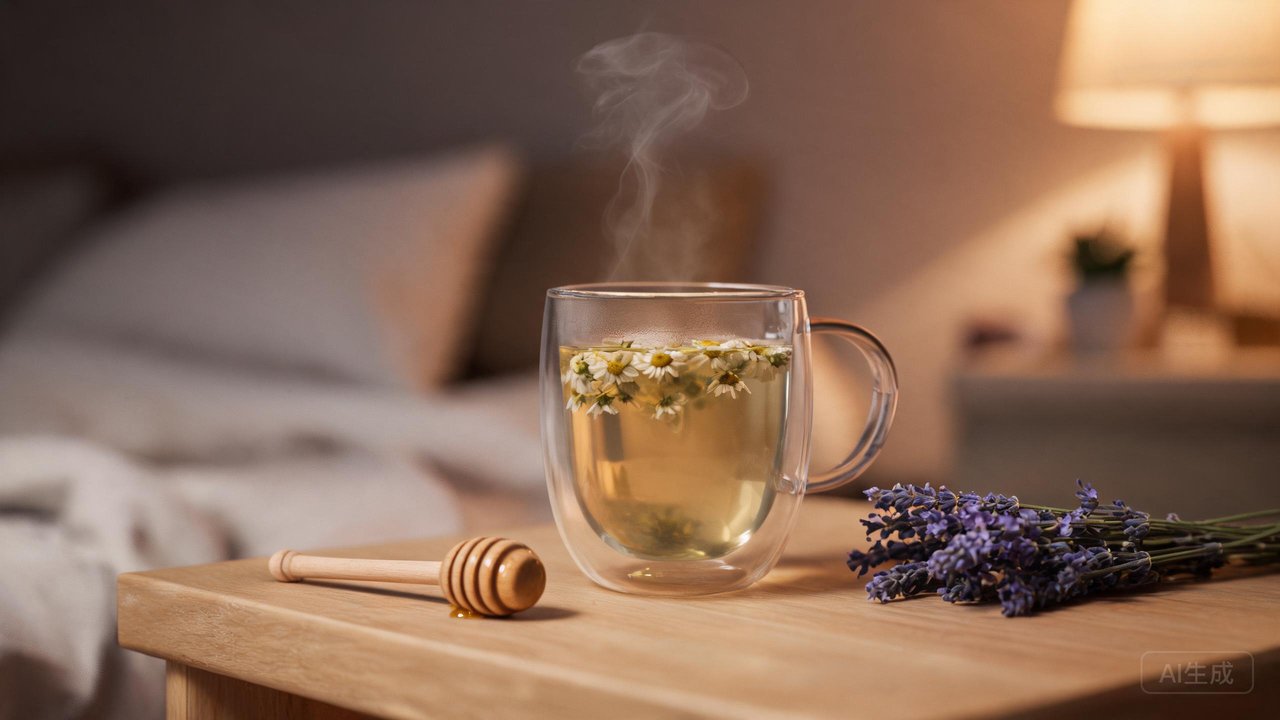
Sleep tea is the caffeine-free evening ritual that tells your body the day is over: a warm, gently floral cup of herbs that have been brewed before bedtime for centuries. It's one of the most-searched tea categories on the internet — and for good reason, because it works not by sedating you, but by building a winding-down ritual your brain learns to recognize.
This guide covers what sleep tea actually is, the best herbs for sleep (and what each one is reported to do), how to brew the perfect bedtime cup, three blends to try tonight, and the glassware that makes the ritual feel like a ritual.
What Is Sleep Tea?
Sleep tea is a catch-all name for caffeine-free herbal infusions brewed from relaxing herbs — usually a blend of chamomile, lavender, valerian root, passionflower, and lemon balm in various combinations. The key point: unlike black, green, or white tea, sleep tea contains no leaves from the Camellia sinensis tea plant, so it is naturally 100% caffeine-free. That makes it safe to drink in the evening without stealing any sleep.
Most commercial sleep tea blends use two or three of these herbs together, because the flavor of any single one can be a little plain — chamomile adds apple-sweetness, lavender adds floral notes, and lemon balm adds a bright, lemony lift. The blend is also the point: a nightly cup of the same tea is a cue your body learns to associate with sleep.
The Best Herbs for Sleep Tea
| Herb | Flavor | Why It's in Sleep Blends |
|---|---|---|
| Chamomile | Apple-sweet, gently floral | The classic. The most-studied of the bedtime herbs; traditionally used for calm and sleep support. |
| Lavender | Floral, perfumed, soothing | Famous for its calming aroma; in traditional use, a floral note that promotes relaxation. |
| Valerian Root | Earthy, woody, slightly bitter | The strongest-flavored bedtime herb; traditionally used as a sleep aid. Best blended with sweeter herbs. |
| Passionflower | Mildly floral, slightly grassy | Traditionally used to ease a busy mind; often paired with valerian or chamomile. |
| Lemon Balm | Bright, lemony, mint-adjacent | A cheerful, citrusy herb traditionally used for tension; pairs beautifully with chamomile. |
One caution: valerian root is the strongest of the bunch — a little goes a long way. Start with a small amount (about a teaspoon) and see how it affects you before reaching for more. If you're pregnant, nursing, or taking medication, check with your healthcare provider before making herbal teas a nightly habit.
How to Brew the Perfect Cup of Sleep Tea
Most people steep sleep tea wrong — either too short (weak, watery) or at the wrong temperature. Herbs want water that is just off the boil, around 200°F (93°C), and they need time: 5 to 10 minutes, depending on the blend.
The Perfect Bedtime Cup (8 oz)
- 1 heaping teaspoon loose sleep tea blend (or 2 tea bags)
- 8 oz (240 ml) water at 200°F (just off the boil)
- Optional: a drizzle of honey and a splash of warm milk
Method: Place the tea in a glass teapot with infuser, pour the hot water over, and cover. Steep 7 minutes for a balanced cup — chamomile and lavender release quickly, while valerian needs the full time to soften. Strain into a double-wall glass mug, add honey if you like, and sip slowly. The ritual matters as much as the herbs.
Cover the pot while steeping. The volatile oils that carry the calming aroma escape with the steam — a covered glass teapot keeps them in the cup where you can smell (and taste) them.
3 Sleep Tea Blends to Try Tonight
- Classic Chamomile Lavender: 2 parts chamomile, 1 part lavender buds, a pinch of lemon balm. The gentle, floral entry point — perfect for your first bedtime cup.
- Deep Rest (Valerian & Passionflower): 1 part valerian root, 1 part passionflower, 2 parts chamomile to soften the earthy bite. The one to reach for when your mind is racing. Steep the full 10 minutes.
- Lemon Balm & Honey: 2 parts lemon balm, 1 part chamomile, and a spoonful of honey stirred in after steeping. Bright, calming, and sweet — a great after-dinner cup.
Does Sleep Tea Actually Work?
Honest answer: it depends on what you expect from it. The herbs in sleep tea have centuries of traditional use for relaxation, and chamomile in particular is one of the most-studied herbs in the world, with research suggesting it supports calm and sleep quality. But sleep tea is not a sleep medicine — it's a ritual. The warm cup, the quiet moment, the repeated nightly cue: that predictable wind-down is where most of the benefit comes from.
That's why consistency beats strength. A gentle chamomile blend every night at the same time will do more for your sleep than a strong valerian blend once a week. Build the habit, and the tea becomes a signal, not just a beverage.
Tips for a Better Bedtime Tea Ritual
- Same cup, same time. Drinking from the same glass mug about 45 minutes before bed builds a powerful association.
- Keep it warm longer. A double-wall glass mug keeps the cup hot through a slow 20-minute sip without burning your hands.
- Skip the screen, not the tea. The tea is best paired with a book or music — anything that isn't a phone.
- Brew a batch. On cold evenings, a full glass teapot lets you refill without leaving the couch.
The Right Glassware for the Wind-Down
Sleep tea is a sensory drink — the pale gold of chamomile, the violet tint of lavender, the slow curl of steam. A clear glass teapot shows every layer of the blend, and a double-wall glass mug keeps the heat where it belongs. It's a small thing, but a beautiful cup makes a nightly ritual something you look forward to instead of something you squeeze in.

17oz Double Walled Glass Coffee Mug
Built for slow sips: the insulated double wall keeps your sleep tea warm through a full 20-minute wind-down while the outside stays cool to hold. Big enough for a generous 8oz cup with room for warm milk.
Buy Now
40oz Glass Teapot with Infuser
About 4 cups — load the infuser basket with your loose sleep tea blend, pour hot water, cover, and steep. The borosilicate glass shows the gold of the chamomile developing.
Buy Now
Double Wall Espresso Cups (Set of 4, 6.7oz)
The 6.7oz size is just right for a focused evening cup — warm to the end, cool to hold, and elegant enough for a slow nightly ritual.
Buy NowFrequently Asked Questions
Does sleep tea have caffeine?
No — true sleep tea is made only from herbs like chamomile, lavender, and valerian, none of which come from the caffeinated tea plant. It's naturally 100% caffeine-free, so it's safe to drink in the evening.
Is it OK to drink sleep tea every night?
For most people, yes — a gentle blend like chamomile or lavender is safe as a nightly ritual. Stronger herbs like valerian are better saved for occasional use. If you're pregnant, nursing, or on medication, check with your healthcare provider first.
What is the best tea to drink before bed?
Chamomile is the most studied and the best starting point. If you want more support for a racing mind, look for a blend with valerian root and passionflower.
How long should I steep sleep tea?
5 minutes for delicate blends (chamomile, lavender, lemon balm), up to 10 minutes when valerian root is involved. Cover the pot so the aromatic oils stay in the cup.
Can you drink sleep tea cold?
Yes — steep it double-strength, chill, and serve over ice with a sprig of mint for a caffeine-free evening cooler in warm months.
The Bottom Line
Sleep tea is a small nightly ritual with an outsized effect: a warm, caffeine-free cup of calming herbs, brewed the same way at the same time, is a signal your body learns to trust. Start with a simple chamomile-lavender blend, steep it the full 7 minutes, and sip it slowly from a double-wall glass mug — and give it a week of consistency before you judge it.
Brew it in a MESNEY glass teapot: watch the pale gold of the chamomile bloom, keep the blend in the deep infuser basket, and serve it in a double-wall glass mug that holds the warmth — and the calm — all the way to the last sip.
As an Amazon Associate, MESNEY earns from qualifying purchases. Prices and availability are subject to change.