Slippery Elm Tea: Benefits and How to Brew It

Slippery elm tea is a soothing, slightly thick herbal infusion made from the inner bark of the slippery elm tree — a native North American tree whose bark has been used as a comforting drink for centuries, and which has quietly become one of the fastest-rising herbal teas in the United States. Google search interest in it has roughly doubled over the past year.
This guide explains what slippery elm tea is, why its texture is so unusual, how it has been used traditionally, how to brew it from bark or powder, the blends worth making for cold season, and who should be careful with it.
A note before we start: this article describes a traditional herbal infusion and general information about it. It is not medical advice. If you are pregnant, nursing, taking medication, or managing a health condition, speak with a qualified healthcare professional before using it.
What Is Slippery Elm Tea?
Slippery elm is a North American hardwood tree, and the tea is made from the inner bark, usually sold dried and shredded or ground into a fine powder. When the bark meets hot water, it releases mucilage — a slippery, gel-like substance that gives the drink its name and its unmistakable texture.
Because it contains no Camellia sinensis leaves, slippery elm tea is a tisane rather than a true tea, and it is entirely caffeine-free. It has a long history of use among Indigenous peoples of North America as a soothing drink and food, and it later entered Western herbal practice in much the same role.
Why Slippery Elm Feels Unlike Any Other Tea
Almost every tea you have drunk is thin. Slippery elm tea is not. The mucilage in the bark dissolves into the water and gives the infusion a soft, slightly viscous body — somewhere between a very light syrup and a thin soup. Whether you enjoy it depends almost entirely on whether you like that texture.
That same mucilage is the reason the bark has been used traditionally as a gentle, coating drink for the throat and digestive tract. In herbal practice it is what is called a demulcent — a substance taken to soothe and protect irritated mucous membranes. It is worth being clear about what that means: a demulcent can feel comforting, but feeling soothing is not the same as treating a condition.
Slippery Elm Tea Benefits and Traditional Use
| Area | Traditional association | What to realistically expect |
|---|---|---|
| Throat comfort | One of its oldest uses — a warm, coating drink during cold season | Genuinely soothing to sip when your throat is raw. Not a treatment for infection. |
| Digestive comfort | Traditionally taken to settle an upset stomach | The mucilage gives a mild coating sensation. Evidence for clinical benefit is limited. |
| Cold season blends | Commonly combined with honey, ginger, and lemon | The combination makes a comforting warm drink — the honey and lemon do much of the work. |
| Caffeine-free | — | Completely caffeine-free. |
| Zero calories | — | None, unless you sweeten it. |
The honest summary: slippery elm makes a warm, coating cup that feels good on a sore throat, and that is a real comfort even though it is not a cure. Treat it as part of a cold-season routine, not a replacement for medical care.
What Slippery Elm Tea Tastes Like
Mild and faintly woody, with a suggestion of oatmeal or raw grain. There is almost no bitterness and no astringency, which is unusual for a bark infusion — slippery elm is one of the blandest herbal teas you can brew. Most of what people notice is texture rather than flavor.
Because the taste is so neutral, slippery elm takes sweeteners and spices beautifully. It is essentially a blank canvas, which is why it shows up in so many throat-and-cold blends.
How to Brew Slippery Elm Tea
Powder and shredded bark behave quite differently, so the method depends on what you bought.
Slippery Elm from Shredded Bark (1 cup)
- 1 tablespoon dried shredded slippery elm bark
- 8 oz (240 ml) water at 200–212°F (93–100°C)
- Optional: honey, cinnamon, or a slice of ginger
Method:
- Add the shredded bark to a glass teapot or heatproof jug.
- Pour the hot water over it and stir well.
- Cover and steep 10–15 minutes, stirring once or twice. The water will slowly turn faintly golden and take on a slippery feel.
- Strain through a fine-mesh infuser basket. Shredded bark needs a finer strain than loose tea leaves.
- Sweeten to taste and drink warm.
Slippery Elm from Powder (1 cup)
- 1 teaspoon slippery elm powder
- 8 oz (240 ml) hot water, not boiling
Method: put the powder in a mug and add a little cold water first to make a smooth paste — skipping this step produces lumps. Then pour in the hot water and stir until fully dissolved. Powder turns the drink noticeably thicker than bark, and it will keep thickening as it sits, so drink it fairly quickly. Do not use an infuser basket with powder; it will clog.
Watch the water temperature with powder. Boiling water can make powdered slippery elm clump and turn gluey. Let the kettle settle for a minute, or use water around 180–200°F, and stir continuously as you pour.
Cold Season Blends: Where Slippery Elm Shines
Slippery elm's neutral flavor makes it the ideal base for a comforting winter cup. These are the pairings that work best.
Throat-Soothing Blend (2 cups)
- 1 tablespoon shredded slippery elm bark
- 1 teaspoon dried ginger, or 3 slices fresh ginger
- 2 cups (480 ml) water at 200–212°F
- Juice of half a lemon and 2 teaspoons honey, added at the end
Method: steep the bark and ginger together for 10 minutes, strain, then stir in the lemon and honey. Drink warm. The honey coats as well as sweetens, and the ginger and lemon give the cup the brightness slippery elm lacks on its own. For a stronger ginger base, see our ginger tea guide.
- Slippery elm and cinnamon: warm and lightly sweet; cinnamon gives the mild bark a direction.
- Slippery elm and licorice root: a traditional throat pairing — note that licorice is very sweet and best used sparingly. See our licorice root tea guide.
- Slippery elm and marshmallow root: two demulcents together, the classic herbal combination.
- Slippery elm and chamomile: a gentle evening cup that leans on chamomile's familiar character. Our chamomile tea guide has the brewing basics.
- Slippery elm and honey-lemon: the simplest cold-season drink, and the one most people actually make. See our honey lemon tea guide.
Safety and Who Should Be Careful
Timing matters with medication. Because slippery elm coats the digestive tract, it can slow or reduce the absorption of medicines taken at the same time. Leave at least two hours between slippery elm tea and any prescription medication, and ask a pharmacist if you are unsure.
Check with a professional if you are pregnant, nursing, or managing a health condition before using slippery elm regularly. Note also that the inner bark is harvested from wild trees, so buy from a supplier that states its sourcing — overharvesting is a real concern for this species.
It is a comfort, not a cure. A persistent sore throat, a fever, or difficulty swallowing needs medical attention. Do not rely on an herbal tea instead.
Frequently Asked Questions
What does slippery elm tea taste like?
Mild and faintly woody, with a hint of oatmeal, and almost no bitterness. What people notice most is the texture — the mucilage makes it slightly thick and slippery rather than thin like an ordinary tea.
Is slippery elm tea caffeine-free?
Yes. It is made from tree bark rather than tea leaves, so it contains no caffeine at all and can be drunk at any hour.
Should you use slippery elm powder or bark for tea?
Shredded bark is easier to strain with a normal infuser and gives a lighter texture. Powder makes a thicker, more coating drink but clumps easily and needs to be mixed with a little cold water first.
Can slippery elm tea be taken with medication?
It should be separated from medication by at least two hours. The mucilage can reduce how much of a drug is absorbed if they are taken together — check with a pharmacist before combining them.
How much slippery elm tea can you drink a day?
There is no universally agreed figure. One to three cups a day is the usual traditional range during cold season. If you are pregnant, nursing, or on medication, ask a healthcare professional first.
Final Thoughts
Slippery elm tea is one of the most distinctive herbal cups you can brew: mild, faintly woody, and soothingly thick thanks to its natural mucilage. Its long traditional role as a throat and digestive comfort is easy to understand once you have drunk a cup, and its neutral flavor makes it the perfect base for ginger, honey, and lemon when cold season arrives.
Keep your expectations honest — it is a comforting warm drink, not a remedy — and separate it from any medication by a couple of hours. Because the liquor is pale and the texture is the whole point, it brews nicely in glass: a clear teapot shows the color developing, and a fine-mesh infuser basket strains shredded bark without letting it through. Our picks:

40oz Glass Teapot with Infuser
The fine-mesh basket strains shredded bark cleanly, and the clear glass lets you watch the pale golden color develop so the infusion never over-steeps into a gluey texture.
Buy Now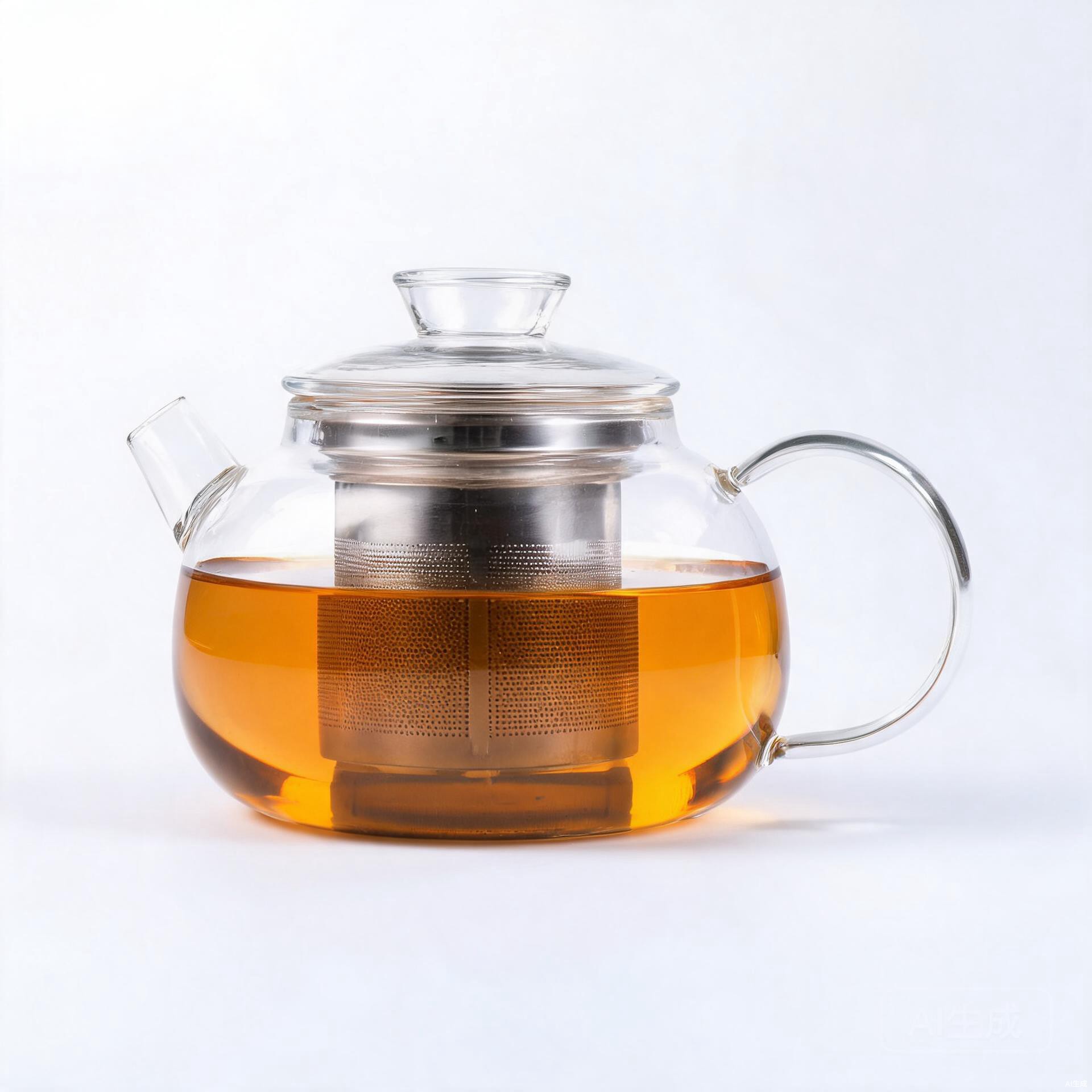
MESNEY 61oz Large Glass Teapot
1.8L makes a full batch of throat-soothing blend to keep warm through a cold afternoon.
Buy Now
17oz Double Walled Glass Mug
A single generous cup that keeps a hot, amber infusion warm to the last sip without burning your hands.
Buy NowAs an Amazon Associate, MESNEY earns from qualifying purchases. Prices and availability are subject to change.