Southern Sweet Tea: The Complete Guide to Brewing the Classic in Glass
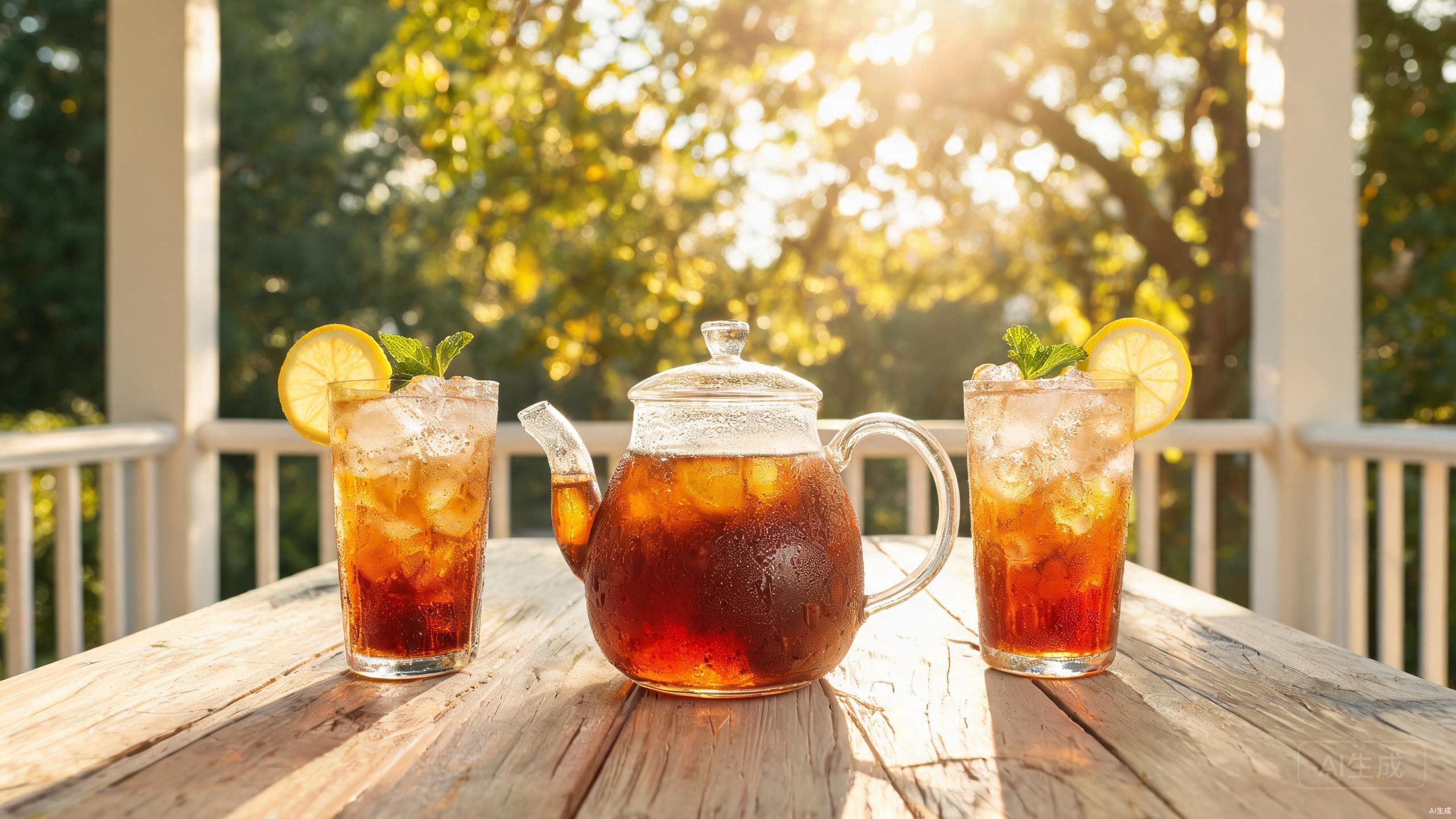
Southern sweet tea is not just iced tea with sugar — it's a brewed-sweet tradition, a cultural institution, and the unofficial house wine of the American South. Made correctly, it's a deep amber brew, sweetened while hot so the sugar melts seamlessly into the tea, then chilled and poured over a glass packed with ice. Made carelessly, it's bitter, cloudy, or gritty. The difference comes down to a handful of small, learnable details.
In this complete guide, we'll cover what makes sweet tea "Southern," a short history of the drink, the golden ratio of tea to sugar to water, the famous baking soda secret, the classic stovetop recipe, the sun tea method (with its important safety update), five beloved variations, a tea-leaf buying guide, troubleshooting for cloudiness and bitterness, and the glass teapots that do this drink justice. Let's brew a gallon.
What Makes Sweet Tea "Southern"?
Southern sweet tea is black tea brewed strong, sweetened generously while still hot, then chilled and served over ice. Three details separate it from ordinary iced tea:
- The sugar goes in hot. Sweetening the hot tea concentrate — not the cold finished tea — is the non-negotiable step. Sugar dissolves completely in hot liquid, integrating into the brew rather than sinking in a gritty layer at the bottom of your glass.
- It's brewed strong. Sweet tea starts as a concentrate, roughly double the strength of drinking tea, because it gets diluted with cold water and melting ice. Weak tea plus ice equals brown water.
- It's served very cold, over lots of ice. Sweet tea is a hot-weather drink engineered for Southern summers. The ice isn't a garnish; it's part of the recipe's final dilution.
A Short History of Sweet Tea
Iced tea itself arrived on the American scene in the 19th century — early recipes appear in cookbooks from the 1870s — but it was the 1904 World's Fair in St. Louis that popularized it nationally, when a hot summer drove a tea merchant to pour his brew over ice to attract crowds. The South took that invention and made it its own.
Through the 20th century, sweetened iced tea became the default table drink across the Southern states, served at every porch gathering, church supper, and family dinner. Sugar, once a luxury, became a point of hospitality — the sweeter the tea, the warmer the welcome. Today, ordering "tea" in much of the South gets you sweet tea by default; you have to specify "unsweet" if you want it plain. Few drinks anywhere are so thoroughly woven into a region's identity.
The Golden Ratio: Tea, Sugar, Water
Every Southern family guards its own ratio, but they all orbit the same center of gravity. Here's the classic starting point for one gallon:
- Tea: 8-12 regular-size black tea bags (or 3 family-size bags, or 3 tablespoons loose leaf) per gallon
- Sugar: 1 to 1 1/2 cups per gallon (this is "Southern sweet" — see the adjustment guide below)
- Water: 1 quart boiling for the concentrate + 3 quarts cold to finish
- Steep time: 5-15 minutes depending on strength preference — never longer, or bitterness creeps in
Sweetness adjustment guide: 3/4 cup per gallon reads as "lightly sweet" to modern palates. 1 cup is the classic middle. 1 1/2 cups is full traditional Southern sweetness. 2 cups is old-school porch-swing sweet — beloved, but a lot for the uninitiated. Start at 1 cup and adjust your next batch from there.
The Baking Soda Secret
Ask a Southern grandmother for her sweet tea trick and you'll hear one answer more than any other: a tiny pinch of baking soda. It sounds like folklore, but the chemistry is real:
- It neutralizes tannins. Black tea's bitterness and astringency come from tannins — naturally acidic polyphenols. A small pinch of baking soda (sodium bicarbonate, a base) neutralizes a fraction of those acids, smoothing the brew noticeably.
- It keeps the tea clear. Cloudy iced tea happens when tannins and caffeine bind as the tea cools. Lowering acidity reduces that binding, so the finished tea stays jewel-clear in the fridge.
- The dose is critical: 1/8 teaspoon per gallon — no more. Too much and the tea tastes flat and vaguely soapy. You should never taste the baking soda; you should only notice that the bitterness is gone.
The Classic Southern Sweet Tea Recipe
Classic Southern Sweet Tea (One Gallon)
Time: 20 minutes + chilling | Difficulty: Very easy | Yield: 1 gallon (16 servings over ice)
Ingredients
- 8-12 black tea bags (orange pekoe blends are the classic choice)
- 1 cup sugar (adjust from 3/4 to 1 1/2 cups to taste)
- 1/8 teaspoon baking soda (optional but recommended)
- 1 quart (4 cups) boiling water
- 3 quarts (12 cups) cold water
Instructions
- Add the baking soda and sugar to a large heat-safe glass teapot or pitcher.
- Pour in the boiling water and stir until the sugar is completely dissolved — the liquid should look perfectly clear, not grainy.
- Add the tea bags, dunking them fully under the surface.
- Steep 5-15 minutes. Five minutes gives a smooth, mild brew; ten is the classic middle; fifteen is bold and bracing. Do not exceed 20 minutes — that's where harsh bitterness lives.
- Remove the tea bags without squeezing them. Squeezing forces out concentrated tannins and can make the whole batch bitter. Just lift and let them drip for a second.
- Add the 3 quarts of cold water and stir. Starting with a strong concentrate and diluting cold is what protects clarity.
- Chill thoroughly — at least 2 hours in the refrigerator.
- Serve over a full glass of ice with a lemon wheel and a sprig of fresh mint if you're feeling fancy.
Sun Tea: The Traditional Method (and Its Safety Update)
Sun tea — tea bags steeped in a glass jar of water set in the summer sun for 3-4 hours — is the most nostalgic way to make sweet tea, and it produces a uniquely smooth, mellow brew because the water never gets hot enough to extract harsh tannins.
But there's an important modern safety caveat: sun tea sits for hours in the 95-130°F range, which is squarely inside the temperature zone where bacteria multiply fastest. Water from the tap isn't sterile, and neither is the jar rim or the tea itself. Food safety authorities have flagged traditionally made sun tea as a low-but-real risk.
How to make sun tea safely:
- Use a scrupulously clean glass jar (run it through the dishwasher first).
- Use cold water straight from a safe, treated supply.
- Sun-brew for no more than 3-4 hours, then remove the bags and refrigerate immediately.
- Drink within 24 hours.
- If the tea looks thick, ropy, or syrupy at all, discard it — that's bacterial growth, not extra flavor.
The safer modern alternative that preserves the smooth flavor: refrigerator cold-brew tea. Same jar, same tea bags, cold water, 8-12 hours in the fridge instead of the sun. The result is every bit as smooth — arguably smoother — with no bacterial danger zone at all. Sweeten with simple syrup (sugar won't dissolve well in cold liquid), and you have sun tea's soul without its risks.
5 Classic Sweet Tea Variations
- Peach Sweet Tea: Simmer 2 ripe sliced peaches with the sugar and a cup of water for 5 minutes, strain, and use that peach syrup as your sweetener. Georgia on a porch, in a glass.
- Mint Sweet Tea: Add a generous handful of fresh mint sprigs to the hot concentrate while it steeps, then strain them out with the tea bags. Cooling, aromatic, and the classic garden-party upgrade.
- Lemon Sweet Tea: Add the juice of 1 lemon to the finished gallon. The acid brightens the sweetness and deepens the amber color — many Southern restaurants serve it this way by default.
- Half-and-Half (Arnold Palmer style): Fill the glass halfway with sweet tea and top with lemonade. Not strictly a "sweet tea," but no summer drink list is complete without it.
- Raspberry Sweet Tea: Muddle a cup of fresh raspberries into the sugar before adding the hot water, then strain. Gorgeous ruby-amber color and a bright berry edge.
Which Tea Leaves Make the Best Sweet Tea?
| Tea | Flavor Profile | Color | Best For |
|---|---|---|---|
| Orange pekoe blend (classic iced-tea bags) | Smooth, brisk, balanced | Deep amber | The traditional choice — start here |
| Assam | Malty, bold, robust | Dark reddish-brown | A stronger, full-bodied sweet tea |
| Ceylon | Bright, citrusy, crisp | Golden amber | Lighter, more refreshing pitchers |
| Luzianne-style blends (with a touch of green tea) | Mellow, smooth, low bitterness | Clear amber | Maximum smoothness, less astringency |
| Decaf black tea | Slightly muted but solid | Amber | Evening pitchers and kids' cookouts |
Despite the name, "orange pekoe" contains no orange — it's a leaf grade, and the familiar grocery-store iced-tea blends built on it remain the reference standard for Southern sweet tea. Loose-leaf Assam is the upgrade pick when you want more backbone under the sugar.
Troubleshooting Common Problems
My sweet tea turned cloudy in the fridge
Cause: Tannins and caffeine binding as the tea cools — usually triggered by cooling the concentrate too fast or shocking hot tea directly with ice. Fix: Dilute the hot concentrate with room-temperature or cold water (not ice), let it cool gradually, and add the pinch of baking soda next batch. Already cloudy? It's cosmetically imperfect but perfectly safe to drink — the flavor is unaffected.
My tea is bitter
Causes: Over-steeping (past 15-20 minutes), squeezing the tea bags, or too many bags for the water volume. Fix: Steep 5-10 minutes, lift bags out gently, and use the baking soda pinch to smooth any residual edge.
There's gritty sugar at the bottom of the pitcher
Cause: Sugar added to cold or cooling tea — it can never fully dissolve. Fix: Always sweeten the concentrate while it's hot, stirring until the liquid is crystal clear. If you're sweetening cold-brewed tea, use simple syrup (equal parts sugar and hot water, dissolved and cooled) instead of granulated sugar.
The tea tastes flat or dull
Causes: Old tea bags (tea goes stale), or too much baking soda. Fix: Use tea bags within a year of purchase, store them airtight, and measure the baking soda carefully — 1/8 teaspoon per gallon, level, no heaping.
Brewing and Serving Sweet Tea: The MESNEY Difference
Sweet tea is a volume drink — you make it by the gallon and serve it all afternoon. That demands a vessel that can take boiling water, hold a crowd's worth of tea, and show off that deep amber color. MESNEY's borosilicate glass teapots are built for exactly this job:
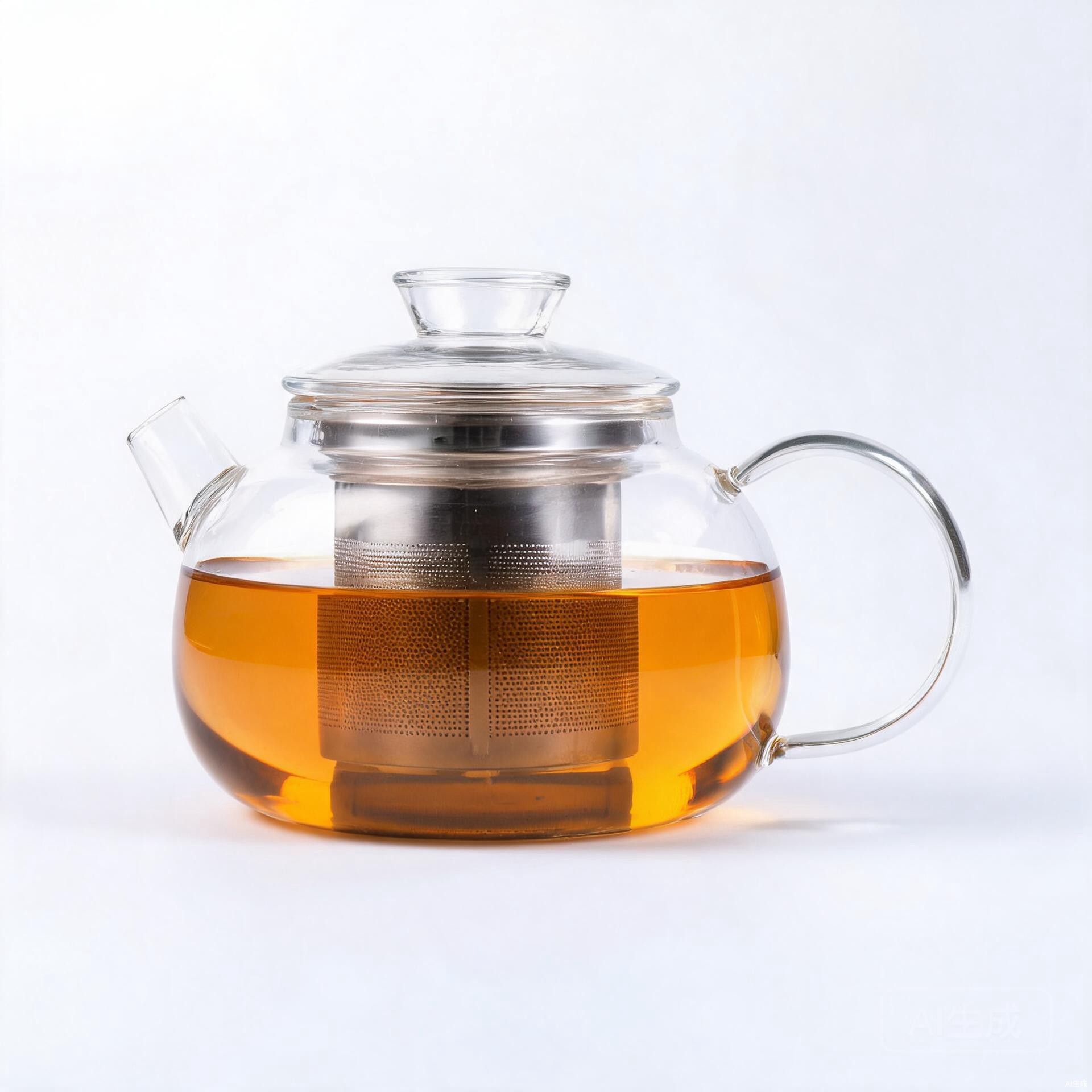
MESNEY 61oz Large Glass Teapot with Infuser
Why it's the sweet tea teapot: At 61oz (1.8L), this is the brewing vessel a gallon recipe needs — steep the concentrate for the whole family in one pot. The borosilicate glass is stovetop safe and thermal shock resistant, so boiling water goes straight in without pre-warming. The removable stainless steel infuser corrals loose-leaf tea or a dozen tea bags and lifts them out cleanly at the five-minute mark — no fishing, no squeezing, no bitterness. And when the tea is done, the clear glass shows off that perfect jewel-amber color right on the table.
Buy Now
40oz Glass Teapot with Infuser
The right size for a two-person pitcher of sweet tea or a half-gallon batch. Same stovetop-safe borosilicate build, same clean-lifting infuser, in a lighter everyday footprint that pours one-handed.
Buy Now
17oz Double Walled Glass Mugs (Set of 4)
Sweet tea is served to a crowd — this set of four 17oz double wall mugs handles a porch full of guests. No condensation rings on the table, ice melts slower behind the insulated wall, and the amber tea looks stunning suspended in clear glass.
Buy NowFrequently Asked Questions
How long does sweet tea last in the fridge?
Three to five days in a sealed container, though the flavor is at its peak in the first 48 hours. After that it gradually loses brightness. If it ever looks thick, ropy, or smells off, discard it immediately. A covered glass pitcher is ideal — plastic pitchers can hold onto flavors from previous contents.
Can I make sweet tea with less sugar?
Of course — sweetness is personal. Anything from 3/4 cup down to 1/4 cup per gallon still works with the hot-dissolve method. For sugar-free versions, liquid sweeteners integrate best: stir them into the cold finished tea to taste, since some lose sweetness when heated.
Why do Southerners put baking soda in sweet tea?
It neutralizes some of the tannic acid in black tea, which smooths bitterness and helps keep the tea clear instead of cloudy. It's an old kitchen trick that chemistry happens to back up — 1/8 teaspoon per gallon, and you'll taste the difference.
Should I squeeze the tea bags?
No — this is the most common sweet tea mistake. Squeezing forces out the concentrated tannins trapped in the leaves, adding harsh bitterness to the whole batch. Lift the bags out, let them drip for a moment, and discard. If you want stronger tea, use more bags or steep a few minutes longer instead.
What's the difference between sweet tea and iced tea?
Outside the South, "iced tea" usually means unsweetened brewed tea over ice, sweetened (if at all) at the table. Southern sweet tea is sweetened during brewing — the sugar is dissolved into the hot concentrate, making it an integral part of the drink rather than an add-in. Order "tea" in Georgia and sweet tea is what arrives.
Can I make sweet tea with loose-leaf tea?
Absolutely — about 3 tablespoons of loose black tea per gallon. A teapot with a removable infuser makes it effortless: the leaves steep in the basket, then lift out in one motion, which also neatly solves the no-squeezing rule. Assam is the classic loose-leaf pick for a bold brew.
The Bottom Line
Great Southern sweet tea isn't a recipe so much as a set of small disciplines: strong concentrate, sugar dissolved while hot, a five-to-fifteen-minute steep, no squeezing, a pinch of baking soda, cold dilution, and a glass packed with ice. Master those, and your kitchen produces a gallon that would earn a nod from any porch in Savannah.
Brew it in a vessel worthy of the ritual. A MESNEY 61oz glass teapot takes the boiling water without flinching, lifts the infuser clean at the five-minute mark, and puts that deep amber color on display — because a drink this beautiful deserves to be seen.
Boil, steep, sweeten, chill, pour over ice. Summer's simplest luxury is one gallon away.
As an Amazon Associate, MESNEY earns from qualifying purchases. Prices and availability are subject to change.