Sun Tea: How to Make Summer's Slowest, Most Satisfying Iced Tea (Safely)
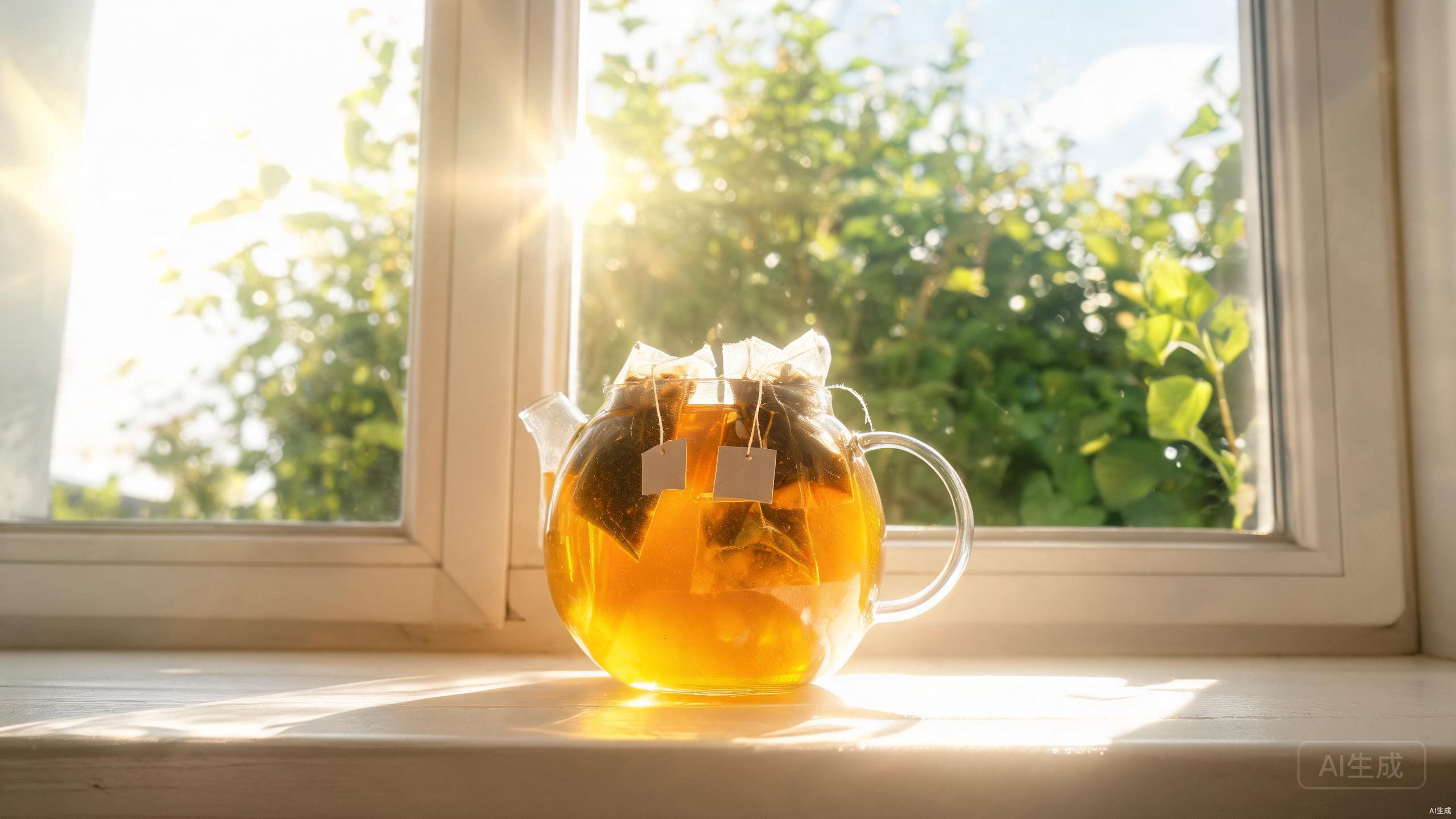
Sun tea is summer's most romantic kitchen ritual: a clear glass vessel of water and tea bags set on the porch rail in the morning, glowing amber by afternoon. No kettle, no stove, no effort — just sunlight doing slow, gentle work while you live your day.
The method is genuinely different from other iced tea: sunlight warms the water only into the 100–130°F range, extracting flavor slowly and softly, which gives sun tea its famously mellow, never-bitter character. This guide covers the classic recipe, the ratio, how long to steep — and the food-safety rules that most old recipes skip but you genuinely shouldn't.
What Is Sun Tea?
Sun tea (sometimes called solar tea) is tea brewed by solar heat instead of boiling water. Cold or room-temperature water goes into a clear glass container with tea, sits in direct sunlight for a few hours, and the sun gradually warms it just enough to extract flavor — never approaching a boil.
The result is tea that's rounder and smoother than hot-brewed: because the water never gets truly hot, fewer bitter tannins dissolve. Old Southern and Midwestern recipes call it the smoothest way to make a summer pitcher, and there's real technique behind the nostalgia.
The Classic Sun Tea Recipe
Classic Sun Tea (64oz / 2 quarts)
- 8 cups (2 quarts) cold water — filtered if possible
- 8–10 regular tea bags (black tea is classic) or 8 tablespoons loose leaf in an infuser
- 1 clear glass vessel, 2 quarts or larger, with a lid
Method: Fill the vessel with cold water, add the tea, cover with the lid, and set it in direct sunlight — a porch table, patio, or south-facing windowsill. Leave 2–4 hours, giving it a gentle swirl once or twice. When the color is a rich amber and it smells like tea, bring it in, remove the bags or infuser immediately, and refrigerate until cold. Sweeten to taste after it's chilled.
Four variables control the outcome:
- Sun strength: A blazing July noon brews in 2 hours; a hazy September afternoon might need 4. Watch the color, not the clock.
- Vessel placement: Direct sun, not shade. Rotate the vessel once so the side facing away from the sun gets its turn.
- Water depth: Shallower, wider vessels warm faster than tall narrow ones.
- Tea quantity: Sun tea comes out lighter-bodied than boiled tea, so the classic recipes actually call for slightly more tea than you'd expect — don't be shy with the bags.
How Long Does Sun Tea Take?
The honest answer: 2 to 4 hours in good sun, up to 5 in weak sun — and never more than that. The color deepens gradually from pale gold to amber. When you can read the amber clearly and the tea smells fully "tea-like," it's done. When in doubt, err on the earlier side and let the fridge finish the job.
| Condition | Time | Notes |
|---|---|---|
| Full summer sun, 85°F+ | 2–3 hrs | Classic porch conditions |
| Partly cloudy / hazy | 3–4 hrs | Move to the brightest spot available |
| Very hot window (indoor sill) | 2–3 hrs | Windowsill glass filters some UV; still works |
| Overcast day | Skip it | Use the fridge method instead (below) |
Is Sun Tea Safe? The Rules That Matter
The one real risk: sun tea's water temperature sits in the 100–130°F range for hours — warm enough to brew tea, but not hot enough to kill bacteria. If bacteria get into the water or vessel at the start, they have ideal multiplying conditions for the entire brew. These rules eliminate that risk:
- Start with a sanitized vessel. Wash the container and lid in hot soapy water (or run it through the dishwasher) before every single batch. This is 90% of the safety game.
- Use clean, good-quality water. Filtered or freshly drawn tap water, never water that's been sitting around.
- Four-hour cap. Never brew longer than 4–5 hours. The longer tea sits in the warm zone, the more opportunity for bacterial growth.
- Refrigerate immediately after straining. The countdown to the fridge starts the moment the tea bags come out. Don't leave finished sun tea on the counter.
- Discard after 24 hours (48 max). Sun tea doesn't keep as long as boiled tea. Make what you'll drink today.
- Trust your senses. If the tea smells syrupy, sour, ropy, or the tea bags look slippery-coated — discard it. Any doubt, dump it out. Tea is cheap.
Who should be extra careful: households with immunocompromised members, elderly relatives, or very young children may prefer the fridge method below — it produces a nearly identical taste with zero warm-zone time.
The Safer Alternative: Refrigerator "Sun" Tea
Same ratio, same smooth character, no warmth at all: put the vessel straight into the fridge instead of the sun, and let it cold-steep 8–12 hours (overnight is ideal). The flavor is marginally lighter than true sun tea but every bit as smooth, and the safety question disappears entirely.
Many families end up doing both: sun tea on bright weekends when the pitcher will be drunk that afternoon, fridge tea for the everyday rotation. Both methods share the same vessel, so nothing extra is needed.
The Best Teas for Sun Tea
- Classic black tea bags: the original. Orange pekoe-style black tea gives that familiar amber porch-tea color and takes sweetening beautifully.
- Green tea: sun brewing is gentle enough to keep green tea from going bitter — a rare method where green tea practically can't fail.
- Herbal blends: hibiscus, rooibos, and fruit blends thrive with slow extraction and make stunning ruby-red pitchers.
- Citrus-flavored black tea: bergamot or orange-peel black teas make sun tea that tastes like it came from a country inn.
- Avoid delicate whites and expensive single-estates: sun tea's slow draw doesn't show off subtle notes. Save the fancy leaves for proper hot brewing.
Five Sun Tea Upgrades
- Mint: a handful of fresh mint sprigs in with the bags, strained out at the end. The classic summer refresher.
- Citrus slice: a wheel of lemon or orange per quart, added after brewing (citrus rind in long warm steeping can turn bitter — after is better).
- Ginger: 4–5 thin coins of fresh ginger brew alongside the tea for gentle heat.
- Simple syrup finish: sun tea is best sweetened after chilling; stir in simple syrup (equal parts sugar and hot water, cooled) to taste — it dissolves instantly, unlike granulated sugar.
- The mocktail pour: half sun tea, half sparkling water, over ice and a mint sprig. Instant backyard spritz.
Why Sun Tea Demands a Clear Glass Vessel
This is the one brewing method where the vessel isn't a preference — it's the mechanism. Sunlight has to pass through the vessel to warm the water, which means clear glass, and the color-watching is half the ritual. A glass vessel with a lid solves the two practical problems too: it keeps insects and dust out during the outdoor brew, and it moves from porch rail to fridge to table without decanting.
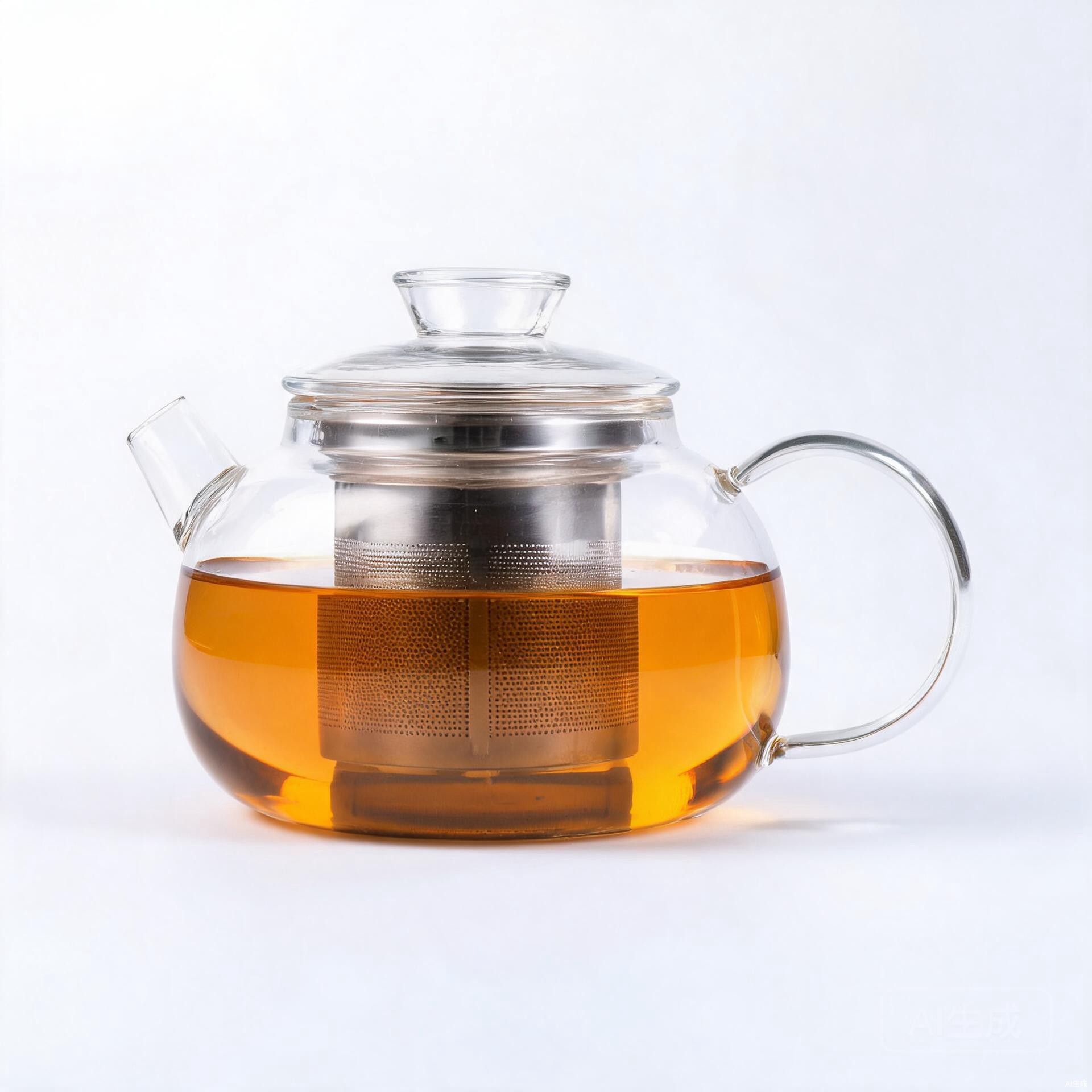
MESNEY 61oz Large Glass Teapot with Infuser
The porch-rail classic, upgraded: crystal-clear borosilicate lets the sunlight do its work while the lid keeps the bugs out. Load the infuser basket with loose leaf (or tuck tea bags in), set it in the sun, and when the amber is right, lift the basket out — brewing stops that instant. Then the same pot goes to the fridge and to the table. One vessel for the whole ritual, in the size a family pitcher demands.
Buy Now
40oz Glass Teapot with Infuser
The windowsill size — perfect for a two-person household or a small-batch herbal brew. Same sun-catching clarity, same lift-out infuser, and it tucks onto any fridge shelf after straining.
Buy Now
17oz Double Walled Glass Mugs (Set of 6)
Sun tea is a company drink — brew a pot, pour for everyone. Six double wall mugs means no one waits, no condensation rings on the porch table, and that glowing amber looks extraordinary suspended in glass.
Buy NowFrequently Asked Questions
Is sun tea safe to drink?
Yes, when it's made properly: sanitized vessel, fresh cold water, a 4–5 hour maximum brew, immediate refrigeration, and discarding within a day or two. The risk people worry about is bacterial growth in the warm (not hot) water — those five habits reduce it to a non-issue. For maximum peace of mind, use the fridge variation.
Can you make sun tea without sun?
Yes — the refrigerator method (same ratio, 8–12 hours cold steep) produces very similar smooth tea with no sunlight and no warm zone at all. It's the go-to on overcast days and for households that want zero safety caveats.
How many tea bags for sun tea?
The classic ratio is 1 regular tea bag per cup of water, so an 8-cup (2-quart) vessel takes 8–10 bags. Sun tea comes out lighter than boiled tea, so this slightly generous ratio is intentional — don't reduce it.
Why is my sun tea cloudy?
Two common causes: refrigerating too fast after a long brew (the classic "cream down" of black tea tannins — harmless, just less pretty), or overlong brewing. Chill gradually if you mind the haze, and keep brews under 4–5 hours. A squeeze of lemon also helps brighten it back up.
Can I use a plastic container for sun tea?
Not recommended. Sun-warmed plastic can leach compounds into the tea and holds flavors and scratches that harbor bacteria between batches. Clear glass is the traditional choice for good reason: it's inert, sanitizes fully, and lets the sunlight in.
Should I sweeten sun tea before or after brewing?
After. Sugar in warm water feeds exactly the bacteria you're trying to avoid, and it slows the brew. Chill the finished tea first, then stir in simple syrup — it dissolves instantly in cold tea, unlike sugar.
The Bottom Line
Sun tea is a small summer ceremony: sanitized glass vessel, cold water, 8 tea bags, three hours of sunshine, infuser out, fridge, ice. Follow the safety five (clean vessel, fresh water, time cap, immediate chill, drink within a day) and the method is as safe as it is nostalgic — and the fridge version makes it a year-round habit.
Do it in a MESNEY 61oz glass teapot — the clear borosilicate catches the sun, the lid keeps the porch out of the pitcher, and the infuser lifts the moment the amber is right. Set it on the rail in the morning; drink the summer by afternoon.
As an Amazon Associate, MESNEY earns from qualifying purchases. Prices and availability are subject to change. This article is general information, not food-safety certification — when in doubt about any brewed tea, discard it.