Tea Steeping Chart: The Right Water Temperature and Steep Time for Every Tea
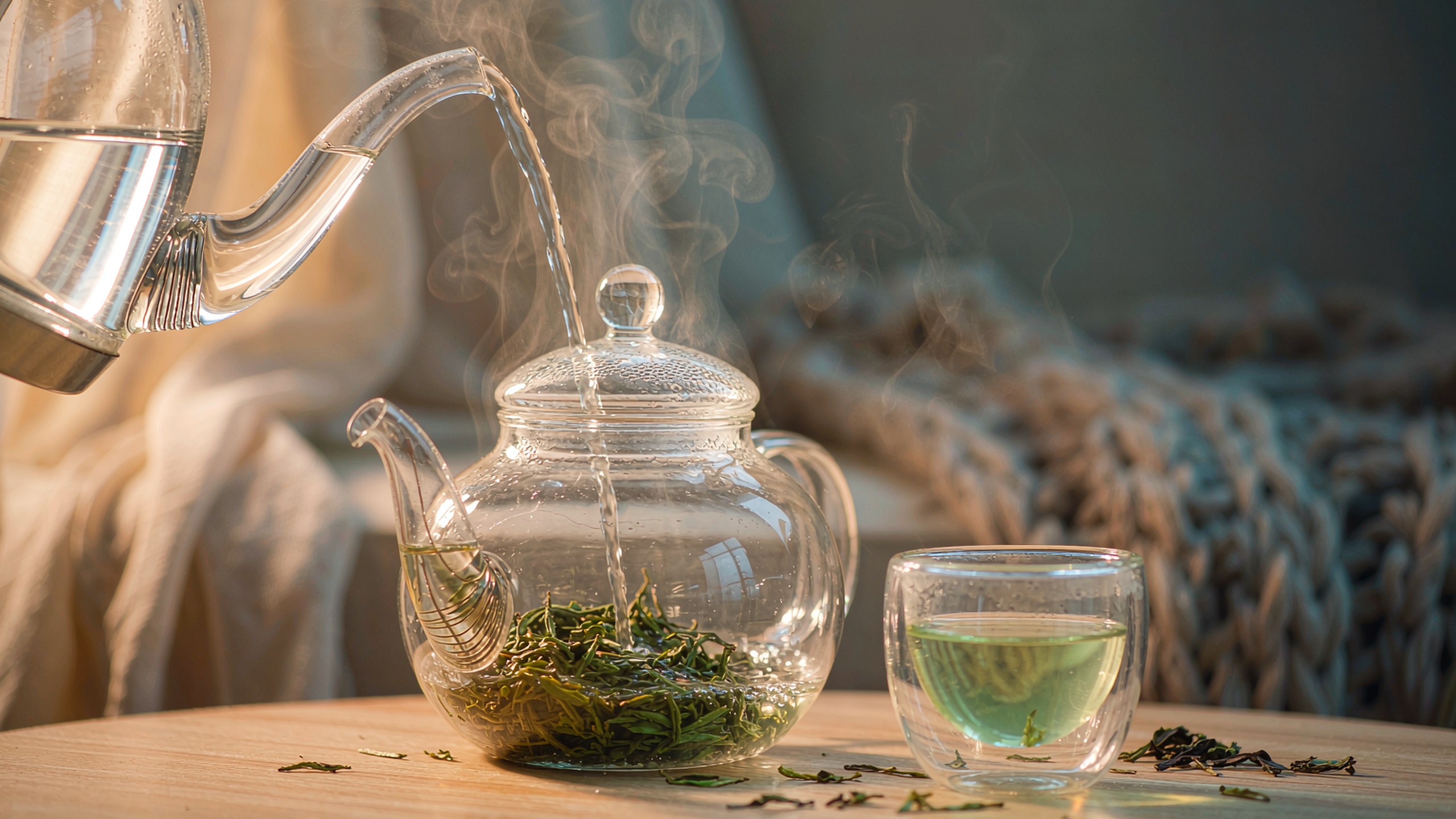
Water temperature is the single variable that most reliably makes or breaks a cup of tea. Green and white teas want 160–185°F (70–85°C); oolong sits in the middle at 185–205°F (85–96°C); black tea, pu-erh and herbal infusions want water at or just off a rolling boil, 200–212°F (93–100°C). Get the temperature right and a mediocre leaf tastes good; get it wrong and an excellent leaf tastes bitter.
This guide gives you the full temperature chart in both scales, the steeping time that goes with each one, how to hit every temperature with an ordinary kettle and no thermometer, and what actually goes wrong when the water is too hot or too cool.
Why Water Temperature Matters More Than Anything Else
Brewing is extraction. Hot water pulls compounds out of the leaf, and temperature is the throttle that controls how fast that happens. The order matters, because different compounds dissolve at different speeds.
First out are the amino acids and aromatic oils — the sweet, savoury, floral notes that make good tea taste good. Next comes caffeine. Last, and increasingly aggressively as the water stays hot, come the tannins — the astringent compounds that leave your mouth dry and the cup tasting harsh.
Pour boiling water on a delicate green tea and you skip straight past the sweet stage. By the time you taste it, the tannins have already arrived and the aromatics have been cooked off. The leaf did not change. The water did.
This is why tea professionals treat temperature as the first thing to fix, before leaf quantity, before steeping time, before anything else. Temperature and time are the two halves of the same dial and they work together — our steeping time guide covers the other half. It is also the variable most home drinkers never think about, because the default kettle setting is a rolling boil.
The Complete Tea Steeping Chart: Water Temperature and Steep Time by Tea Type
These are the target temperatures for Western-style brewing in a mug or pot, with the steeping time that pairs with each. Where a range is wide, start in the middle and adjust to taste.
| Tea | Water temp (°F) | Water temp (°C) | Steep time |
|---|---|---|---|
| White tea | 175–185°F | 79–85°C | 2–3 min |
| Japanese green (sencha) | 160–175°F | 70–79°C | 1–2 min |
| Gyokuro | 140–150°F | 60–66°C | 1–2 min |
| Chinese green (dragonwell, bi luo chun) | 175–185°F | 79–85°C | 1.5–3 min |
| Matcha (whisked, not steeped) | 160–175°F | 71–79°C | whisk 30 sec |
| Yellow tea | 170–180°F | 77–82°C | 2–3 min |
| Light oolong | 185–195°F | 85–90°C | 2–3 min |
| Dark or roasted oolong | 195–205°F | 90–96°C | 3–4 min |
| Darjeeling first flush | 185–195°F | 85–90°C | 3–4 min |
| Black tea (Assam, Ceylon, breakfast blends) | 200–212°F | 93–100°C | 3–5 min |
| Chai (spiced black tea) | 200–212°F | 93–100°C | 4–5 min |
| Pu-erh | 205–212°F | 96–100°C | 2–5 min |
| Rooibos | 212°F | 100°C | 5–7 min |
| Herbal and floral infusions | 212°F | 100°C | 5–10 min |
| Cacao husk tea | 212°F | 100°C | 5–8 min |
Two anchors make the whole table easy to remember. The more delicate and less oxidised the leaf, the cooler the water it wants. Fully oxidised teas and dried herbs — black tea, pu-erh, rooibos, flower and root infusions — want a full boil and a longer steep.
The two rows people get wrong most often are white tea, which is repeatedly scalded because it looks robust, and Japanese green tea, which punishes a rolling boil within seconds. Our white tea guide and green tea brewing guide go into the detail for each.
Herbal Tea Water Temperature: Why Tisanes Want a Full Boil
Herbal teas are not made from the tea plant, and they behave like the separate category they are. Chamomile, peppermint, rooibos, hibiscus, ginger and cacao husk are dried flowers, leaves, roots and shells rather than processed leaf, and their cell walls hold on to flavour far more stubbornly. They want water at a full rolling boil — 212°F (100°C) — and a longer steep of five to ten minutes.
This is the one place where the instinct to brew gently works against you. A herbal infusion made with water that was left to cool for three minutes tastes thin and flat, because the compounds you are after never fully dissolved. The exception is a delicate flower such as chamomile, which some drinkers prefer at a slightly gentler 200°F (93°C) to keep the aromatics intact. Our herbal tea guide covers the individual varieties.
How to Hit the Right Water Temperature Without a Thermometer
You do not need laboratory equipment. Boil the kettle, then let it stand and the water falls through the useful range on a predictable curve.
The kettle cue: straight off a rolling boil the water is 212°F (100°C). After 30 seconds it is roughly 195–200°F (90–93°C). After 1 minute, about 190°F (88°C). After 2 minutes, about 180°F (82°C). After 3 minutes, about 170°F (77°C). After 4–5 minutes, down around 160°F (70°C). A cool room and a wide-mouthed kettle speed this up, so treat the numbers as close enough rather than exact.
Two tricks make it more accurate than waiting. First, pour the water into a second vessel before it meets the leaves — a single transfer through a cool cup drops the temperature around 15°F (8°C) immediately. Second, warm the pot first with a splash of hot water and discard it; a cold teapot steals heat from the brew and pulls your carefully judged temperature down by another 10°F (5°C) in the first minutes — see our glass teapot brewing guide for the full sequence.
If you drink more than one type of tea regularly, a kettle with adjustable temperature settings removes the guesswork entirely and is the single best piece of tea equipment you can buy. It pays for itself the first time you stop ruining your green tea.
Does Water Temperature Change the Caffeine?
Yes, and by more than most people expect. Hotter water extracts caffeine faster, which is why a green tea brewed at 175°F (79°C) for ninety seconds carries noticeably less caffeine than the same leaf brewed at 205°F (96°C) for three minutes.
This gives you a useful lever in the evening. If you want the flavour of a green or oolong tea but a gentler caffeine load, brew it at the low end of its temperature range and keep the steep short. It will not make a true tea caffeine-free, but it can shave a meaningful amount off the cup. For a genuinely caffeine-free evening drink, choose a herbal infusion — see our evening tea guide.
Temperature for Iced Tea and Cold Brew
Iced tea made from hot tea needs a different approach to temperature, because you are deliberately brewing a concentrate.
- Flash-chilled iced tea: brew at the normal temperature for the tea but double the leaf, then pour the hot concentrate directly over ice. The ice melts into the drink and brings it to serving temperature in one move. This preserves the aromatics that a slow cool would lose.
- Cold brew tea: no heat at all — cold water, 8 to 12 hours in the refrigerator. Extraction is slow and gentle, so you get a smoother, less astringent cup with no bitterness. See our cold brew tea guide for ratios.
Five Temperature Mistakes That Ruin Good Tea
- Using a rolling boil for green or white tea. The most common error in home tea, and the one that does the most damage. Green tea brewed at 212°F (100°C) tastes of cooked vegetables and tannin.
- Using water that is too cool for black tea. Under-extraction is real too. Black tea brewed at 170°F (77°C) tastes flat, thin and vaguely sweet, with none of the malt or briskness that makes it worth drinking.
- Re-boiling the same water. Water boiled repeatedly loses dissolved oxygen and tastes flat and dull. Start with fresh water every time.
- Ignoring the cold teapot. A thick, unheated pot pulls 10–15°F (5–8°C) out of your water on contact. Preheat it.
- Steeping too long to compensate for a temperature you got wrong. This only adds tannin. Fix the temperature instead — it is the more powerful lever, and the one that responds immediately.
Frequently Asked Questions
What is the best temperature for green tea?
160–185°F (70–85°C) depending on the tea. Japanese greens such as sencha prefer the cooler end, around 160–175°F (70–79°C), and loose Chinese greens sit closer to 175–185°F (79–85°C). Never use a rolling boil on green tea.
What is the best temperature for black tea?
200–212°F (93–100°C) — at or just off a rolling boil. Black tea is fully oxidised and needs the heat to extract the malt and briskness that define it. Brewed cooler it tastes flat and thin rather than mellow.
Is boiling water bad for tea?
Yes — for black tea, pu-erh, chai, rooibos and herbal infusions. Fully oxidised teas and dried herbs need near-boiling water to extract properly, and using cooler water leaves them tasting weak and thin.
How do I get the right water temperature without a thermometer?
Boil the kettle and let it stand. Around one minute off the boil gives roughly 190°F (88°C), two minutes gives about 180°F (82°C) and three minutes about 170°F (77°C). Pouring the water through a cool cup once drops it another 15°F (8°C).
Does cooler water mean less caffeine?
Yes. Lower temperature slows caffeine extraction, so a short, cooler steep of the same leaf delivers less caffeine. It reduces the amount rather than removing it — for a caffeine-free cup, choose a herbal infusion.
Why does my tea turn bitter even when I time the steep?
Almost always the water is too hot. Get the temperature into the range for that tea type and the same leaf and the same timing will taste sweeter and rounder, because the tannins stay in the leaf instead of flooding the cup.
Final Thoughts
Temperature is the cheapest upgrade in tea. Nothing you buy will improve your cup as much as simply not pouring boiling water onto a green tea, and it costs nothing to fix. Learn two numbers — roughly 175°F (80°C) for delicate teas, 205°F (96°C) for robust ones — and let a rest of one to three minutes off the boil do the rest.
The tasting side of temperature is best served by glass. A clear vessel lets you watch the colour deepen and the leaves unfurl, so you can judge when a delicate green has given everything it has before the tannins follow. Our picks:

40oz Glass Teapot with Infuser
Clear walls and a wide infuser mean you can watch the leaf colour develop and pull the basket the moment a delicate green or white tea reaches the right shade — the surest guard against over-extraction.
Buy Now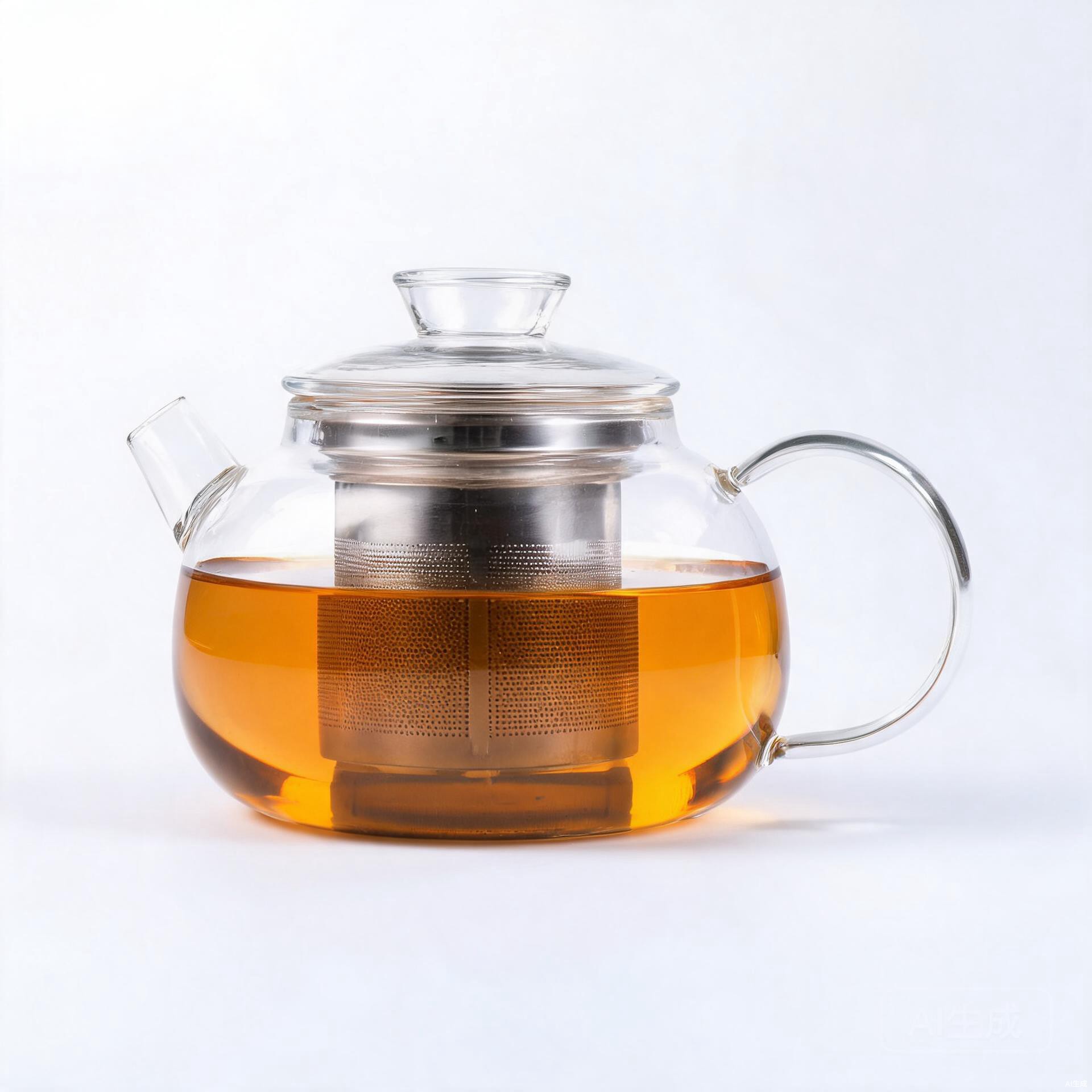
MESNEY 61oz Large Glass Teapot
1.8L of water held at a steady temperature makes one consistent pot for a group, or a large batch of flash-chilled iced tea.
Buy Now
17oz Double Walled Glass Mug
Double walls hold a carefully judged 175°F cup near serving temperature far longer than a thin single-wall mug, so the last third tastes like the first.
Buy NowAs an Amazon Associate, MESNEY earns from qualifying purchases. Prices and availability are subject to change.