Thyme Tea: The Complete Guide to the Ancient Winter Herb

Thyme tea is the warm, peppery infusion of the same Mediterranean herb that lives in your spice rack — a savory, deeply aromatic cup with one of the longest cold-season traditions of any kitchen plant. It has been grown in monastery gardens and household herb beds for a thousand years, and winter is the season it was always meant for.
This guide covers what thyme tea actually is, its traditional respiratory-season role, how to brew fresh versus dried thyme so it tastes herbal rather than medicinal, the cough-season blends worth making, and the daily limits worth respecting.
What Is Thyme Tea?
Thyme tea is an infusion of the leaves and sprigs of Thymus vulgaris, the common culinary thyme. It is caffeine-free, strongly aromatic, and distinctly savory — slightly peppery, faintly minty, with a warm resinous depth. Garden thyme is the standard variety for tea, though lemon thyme makes a brighter, more citrussy cup.
Its history is genuinely old. Thyme appears in Egyptian, Greek, and Roman records, was a standard monastery-garden herb through the Middle Ages, and became a fixture in European household medicine as a cold-season herb. The reason is chemical: thyme is exceptionally rich in thymol, the aromatic compound that gives it both its scent and the properties traditional practice valued.
Thyme Tea: Traditional Uses
- The classic cold-season herb. Thyme's most enduring traditional role is respiratory-season comfort — a warm, honey-sweetened cup for a scratchy throat or a heavy chest. Thymol is the compound behind it, and it is still used in some modern throat preparations.
- Helps loosen a cough. Thyme has a long-standing reputation as an expectorant herb in European herbalism, traditionally taken to help clear congestion rather than simply soothe it.
- Antimicrobial compound. Thymol has documented antimicrobial activity in laboratory research, which is the basis of thyme's long use in both medicine and food preservation.
- Digestive comfort after rich meals. Thyme is a classic culinary partner to fatty dishes, and a cup afterward follows the same traditional pattern as sage and oregano.
- Caffeine-free and warming. A savory, warming cup for cold evenings when you have had enough coffee.
Cautions: thyme tea is a potent herb rather than a gentle everyday sipper — keep it to one or two cups a day and treat it as a purposeful, seasonal brew. Very large doses of thymol are not advisable; thyme essential oil must never be taken internally. If you are pregnant, nursing, on blood-thinning medication, or managing a thyroid condition, check with a clinician before making it a habit.
Fresh vs Dried Thyme
| Fresh Thyme | Dried Thyme | |
|---|---|---|
| Flavor | Brighter, greener, more delicate | Deeper, more concentrated, more resinous |
| Amount per cup | 4–5 sprigs | 1 teaspoon crumbled |
| Steeping time | 5–7 minutes | 4–5 minutes |
| Aroma | Fresh and lifting | Stronger and more medicinal |
| Best for | Drinking and cold-season cups | Convenience and stronger brews |
Dried thyme is roughly three times as concentrated as fresh, so the amount does not scale up between the two — this is the most common way a first cup goes wrong.
How to Make Thyme Tea
Classic Fresh Thyme Tea (1 cup)
- 4–5 fresh thyme sprigs
- 8 oz (240 ml) water at about 200°F
- Optional: a teaspoon of honey, a slice of lemon
Method:
- Rinse the sprigs and bruise them lightly between your fingers — thyme's oils sit in tiny glands along the stems and need to be broken to release.
- Pour hot, not boiling, water over the sprigs. A hard boil pulls out the bitter, resinous notes first.
- Cover and steep 5–7 minutes. Taste at five; past eight the cup turns noticeably medicinal.
- Strain and finish with honey and lemon. The acidity balances thyme's resinous edge exactly as it does with sage and oregano.
Thyme and Honey Cough Tea (1 cup) — the traditional winter cup
- 5 fresh thyme sprigs, or 1 teaspoon dried thyme
- 1 teaspoon fresh sage or a slice of fresh ginger (optional)
- 1 cup (240 ml) hot water
- 1–2 teaspoons raw honey, juice of ½ lemon
Method: steep the herbs 5–6 minutes covered, strain, then stir in the honey and lemon while the tea is still hot enough to dissolve them. This is the classic European cold-season combination — and the one to reach for at the first scratch of a winter throat.
Thyme, Lemon and Ginger Tea (2 cups)
- 8 fresh thyme sprigs
- 1 inch fresh ginger, thinly sliced
- 2 cups (480 ml) water
- Honey and lemon to finish
Method: simmer the ginger in the water for five minutes first, then take the pot off the heat and steep the thyme for five minutes more. Strain and finish with honey and lemon. Three warming herbs in one cup, and the most complete cold-season brew in the kitchen.
Freeze the sprigs: fresh thyme freezes beautifully and needs no blanching. When a bunch is about to turn, strip the leaves into an ice cube tray, top with water, and freeze. Drop a cube straight into a hot cup for an instant winter tea with none of the shopping.
Thyme Tea Blends Worth Making
- Thyme and honey with lemon: the classic throat-soothing combination, and the best introduction to the herb.
- Thyme and sage: two resinous Mediterranean herbs together — a strong winter cup and a traditional pairing.
- Thyme and ginger: warming on both counts, and the most effective cold-weather combination.
- Thyme and oregano: both rich in thymol and carvacrol; a savoury cup for people who like herbal teas with backbone.
- Thyme and lemon thyme with mint: a lighter, brighter blend that works surprisingly well iced in late summer.
Why Glass Suits Thyme Tea
Thyme is an intensely aromatic herb whose thymol-rich oils are persistent — they cling to whatever they are brewed in and will flavor the next thing you make. A borosilicate glass teapot solves that directly: its non-porous surface releases the oils completely in the wash instead of holding them, so your next delicate green tea will not taste faintly of the herb garden. Glass also lets you watch the sprigs soften and the liquor deepen to a pale olive-gold, which is the most reliable signal that the steep has gone far enough.

40oz Glass Teapot with Infuser
Made for a timed herb steep: the infuser basket holds whole thyme sprigs and lifts them out the moment they are ready, so you never over-extract the resinous notes — and the non-porous glass releases thyme's strong oils completely instead of carrying them into your next pot.
Buy Now
17oz Double Walled Glass Coffee Mug
A warm honey-sweetened thyme cup belongs in a glass that keeps it hot to the last sip without burning your hands.
Buy Now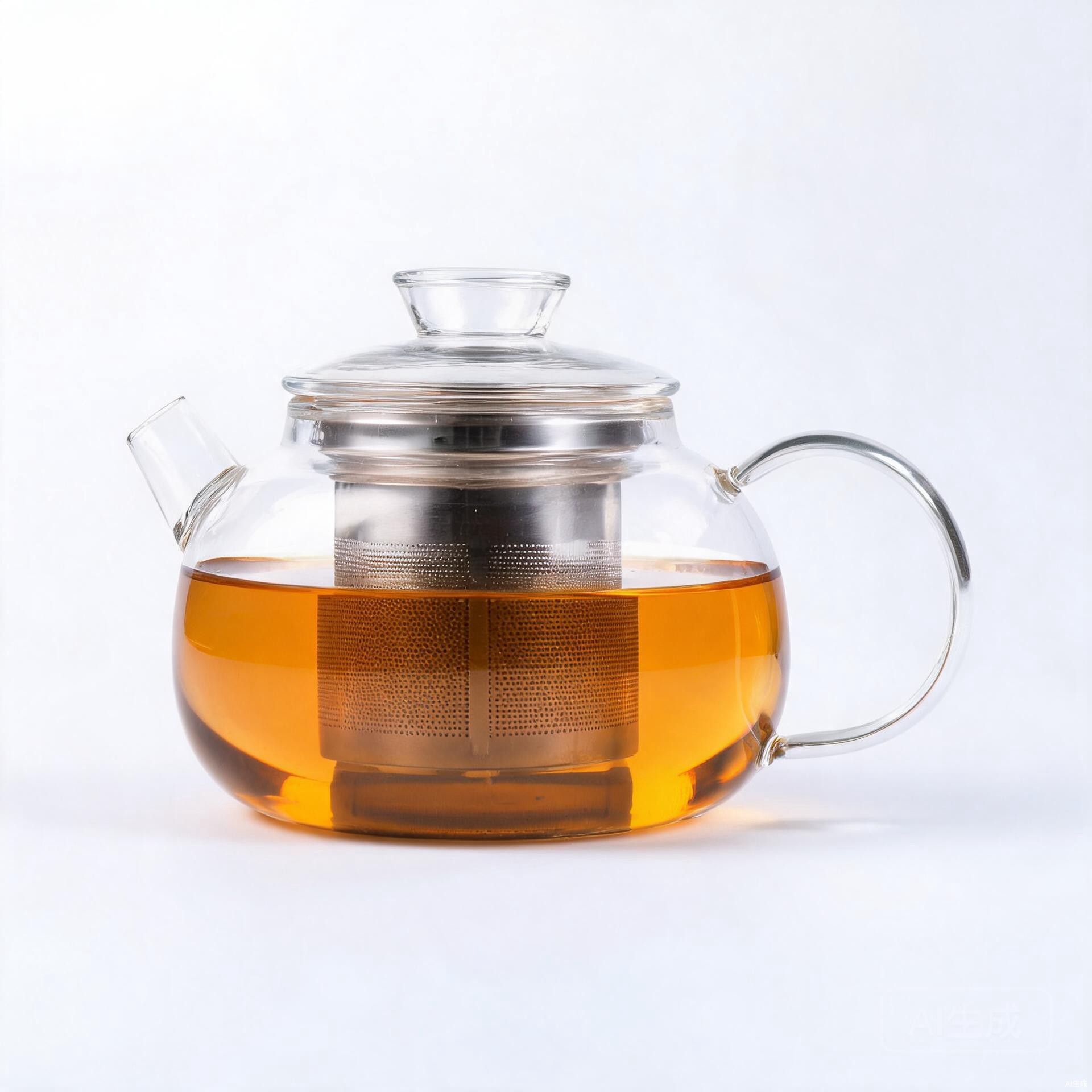
MESNEY 61oz Large Glass Teapot with Infuser
1.8L for a full Mediterranean herb pot — thyme, sage, oregano, and rosemary — enough for the table through cold season.
Buy NowFrequently Asked Questions
Does thyme tea have caffeine?
No — thyme is a pure herb infusion with no caffeine, so it can be drunk in the evening. It is best treated as a one-to-two-cup-a-day herb rather than an all-day drink.
What does thyme tea taste like?
Warm, peppery, and distinctly savory, with a faint minty note and a resinous depth. It tastes like the herb smells, only softer. Honey and lemon make it considerably more approachable.
How much thyme tea can I drink a day?
One or two small cups a day is the sensible range, and it is best used as a seasonal brew during cold months rather than a permanent daily habit. Thyme is potent.
Is thyme tea good for a cough?
It is one of the classic traditional cold-season herbs, and a warm honey-sweetened cup is genuinely soothing. It is comfort rather than treatment — a cough that persists or comes with fever needs a doctor.
Can I use the thyme from my spice rack?
Yes, dried culinary thyme is exactly right. Use one teaspoon per cup and check that it still smells strongly aromatic — old thyme makes a flat, dusty cup.
Can I drink thyme tea while pregnant?
Thyme in culinary amounts is unremarkable, but concentrated herbal brews are traditionally kept modest during pregnancy. Check with your provider before drinking it regularly.
Thyme tea or thyme oil — what is the difference?
Everything, and the distinction matters. The tea is a gentle water infusion of the leaves. Thyme essential oil is a highly concentrated extract of thymol and must never be swallowed.
The Bottom Line
Thyme tea is the winter herb that earns its place: savory, warming, caffeine-free, and genuinely useful in cold season. Bruise the sprigs, keep the steep to five minutes, and finish it with honey and lemon. One or two cups a day is the right amount for a herb this strong.
Brew it in a MESNEY borosilicate glass teapot so you can lift the sprigs at exactly the right minute, and let the glass release thyme's oils cleanly instead of carrying them into tomorrow's cup.
As an Amazon Associate, MESNEY earns from qualifying purchases. Prices and availability are subject to change.